

🌎 Frontier Markets News, October 23rd 2026
A weekly review of key news from global growth markets

Africa
Tunisia’s unions lead biggest march against Saied in years
Thousands of Tunisians took to the streets of the country’s capital Tunis this week to protest against political repression and declining living standards, Al Jazeera reports. Led by the Tunisian General Labor Union, the demonstration was the largest protest in years against President Kais Saied. Eight other national groups joined the march, including the bar association and the journalists’ union.
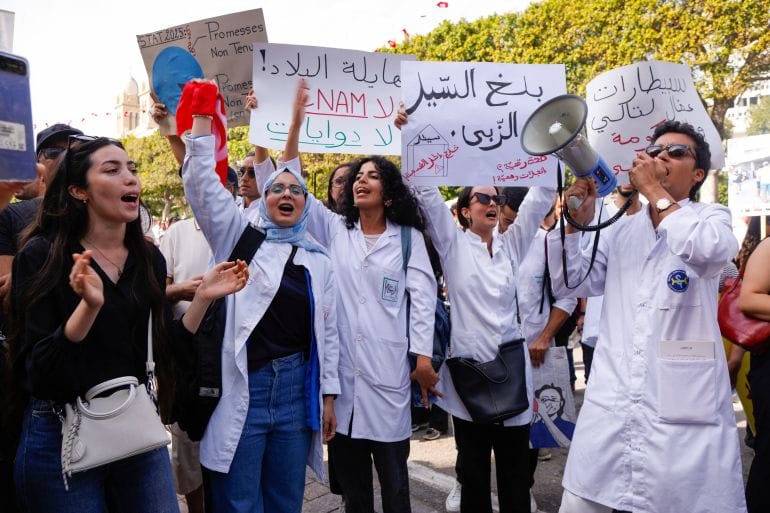
Protesters demanded the release of jailed critics of the government, an end to curbs on union rights, and relief from rising prices. Some revived a chant from the 2011 Arab Spring movement calling for the ouster of the government.
Saied, who seized sweeping powers in 2021, denies he is a dictator.
Four days after the demonstration, a court in the southern city of Gabès sentenced two environmental activists to one-year prison terms and handed eight others six-month suspended sentences over a 2020 protest about pollution from a state-owned phosphate plant. Tunisia plans to more than quadruple phosphate output by 2030.
Burundi signs $1.4bn power deal as Washington eyes its minerals
Burundi has signed a 25-year, $1.4 billion public-private partnership deal with Africa-based energy developer Anzana to boost its energy supplies and power grid. Through its subsidiary Weza Power, Anzana plans to build or upgrade 52,000 km of lines and connect more than 1.2 million homes and businesses.
Only about one in five Burundians had access to electricity in 2024, according to the World Bank, and the government aims to push that to 50% by 2030.
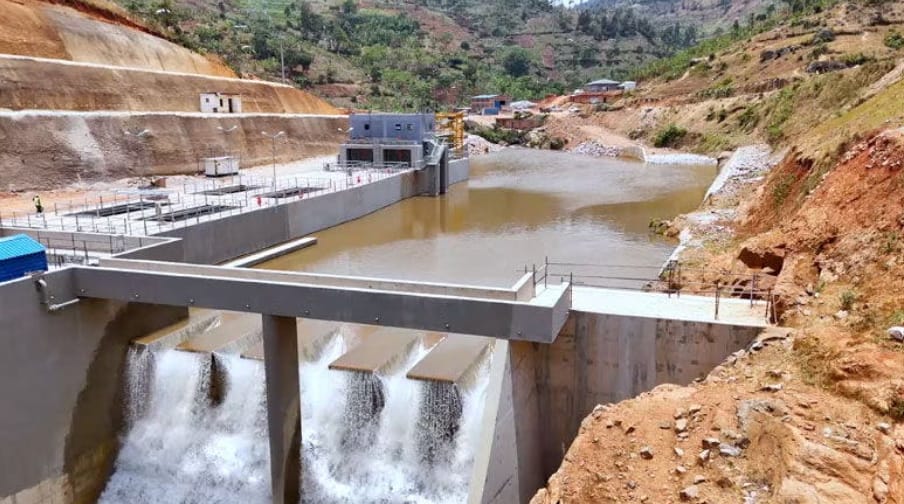
Funding for the project will come from lenders including the World Bank and the US’ Development Finance Corporation. Washington has framed the deal as providing support for mining in Burundi. In March, New York-listed Lifezone Metals won exclusive access to assess the country’s Musongati nickel deposit.
Debt downgrade hits Cameroon’s bonds
Cameroon’s bonds slumped this week after rating firm Fitch downgraded the country’s debt, Bloomberg reports. The sell-off pushed the yield on its 2033 eurobonds past 11%—the highest since the bonds were issued in January.
Cameroon is now paying more than its lower-rated neighbor, the Republic of Congo, on debt of similar maturity.
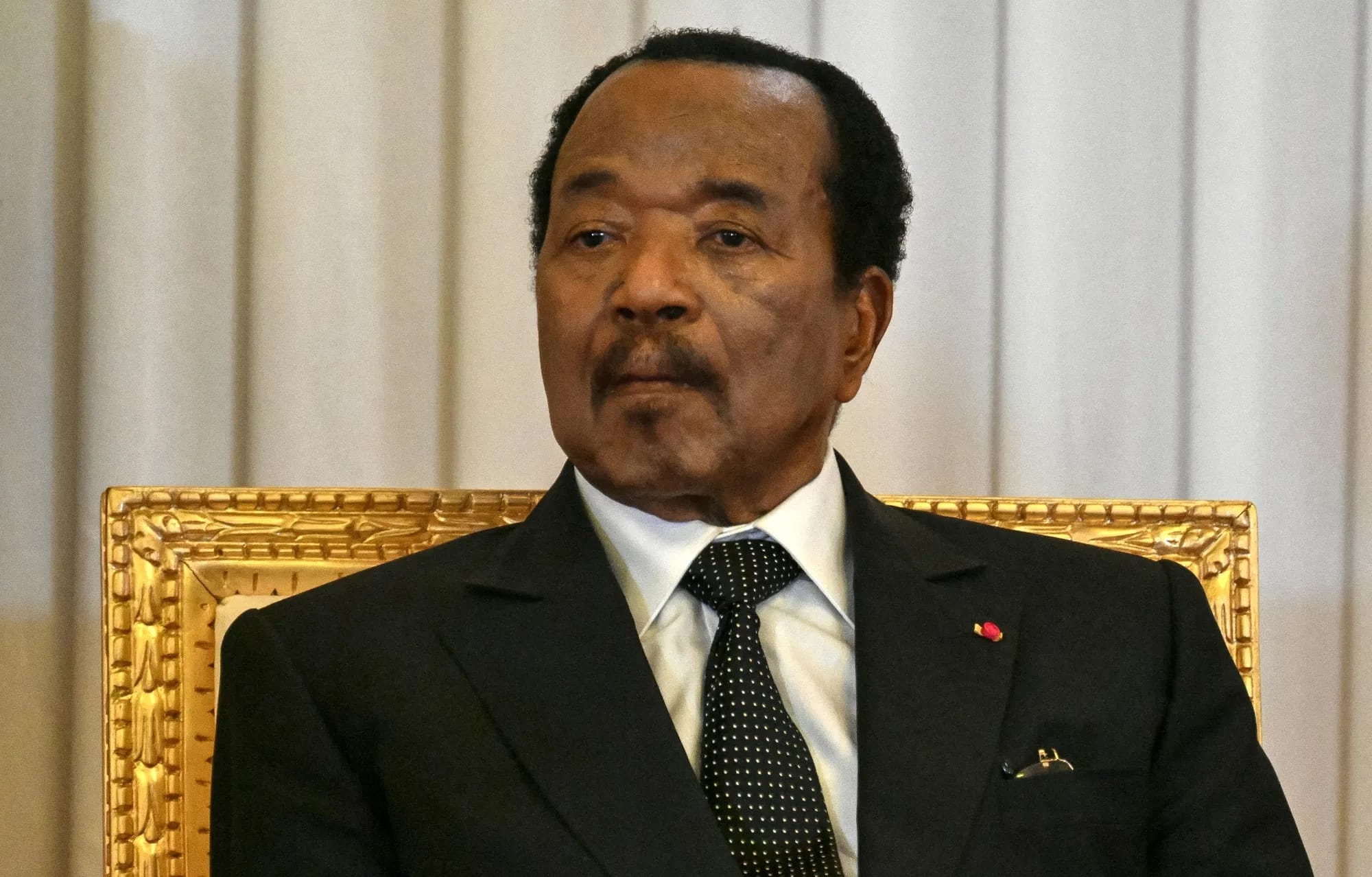
Investors are concerned there is no succession plan for the country’s 93-year-old President Paul Biya, who rarely appears in public and is known to be in poor health. Fitch also raised concerns about Cameroon’s increasing financing needs, which rose to 7.3% of GDP this year, up from 5% in 2025.
Asia
MSCI downgrade risk sends Indonesia stocks into tailspin
Indonesia’s stockmarket has been in turmoil this week after index provider MSCI warned that it could soon exclude the country from its indices, prompting the biggest one-day fall since the 1998 Asian Financial Crisis.
The warning—and the brutal market reaction to it—reignited concerns about Indonesia’s financial stability. The Jakarta Composite Index is down around 40% this year and the Indonesian rupiah is Asia’s worst performing major currency of the year, the Wall Street Journal reports.
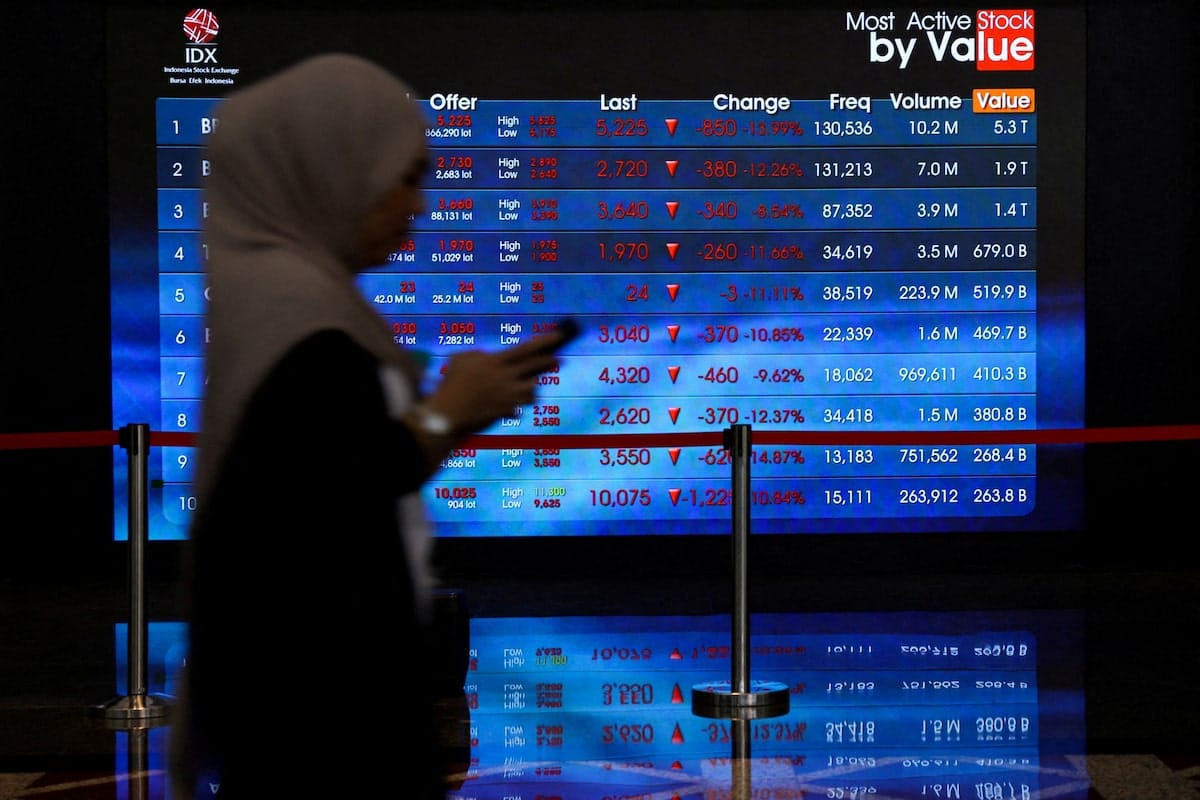
MSCI is considering categorizing Indonesia as a “standalone” market, a move that would place the Southeast Asian country among the likes of Argentina and Uzbekistan. It said Indonesia had not done enough to address “market dysfunction” such as coordinated trading. President Prabowo Subianto in turn accused MSCI of trying to “intimidate” Indonesia.
US looks to deepen Central Asia ties at Uzbekistan conference
US Secretary of State Marco Rubio visited Uzbekistan this week to join a conference at which $12 billion worth of deals were signed, across critical minerals, transportation, agriculture and other sectors, RFE/RL reports.
The conference in the Uzbek capital Samarkand also included representatives from Kazakhstan, Kyrgyzstan, Tajikistan, Turkmenistan and more than 200 American executives. One deal will see US railway firm Wabtec localize manufacturing in Uzbekistan, according to local media reports.
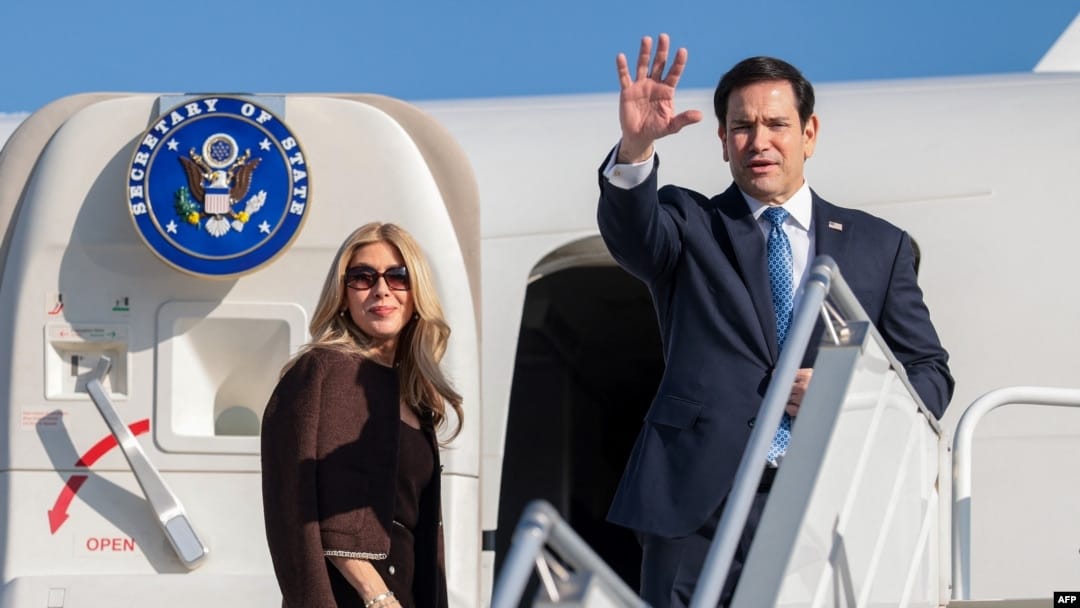
The visit comes as the US seeks to increase its influence in Central Asia, where Russia and China have made inroads over the past few decades. China remains the largest trading partner for every Central Asian country, according to the National Bureau of Asian Research.
Thailand and Cambodia seek to dial back dispute over contested waters
Thailand and Cambodia agreed to establish a hotline between their naval commanders in a disputed region of the Gulf of Thailand, SCMP reports.
The Southeast Asian neighbors have long been at odds over their borders and fought a brief war last year. They each lay claim to seas in the Gulf of Thailand that contain an estimated $300 billion worth of oil and gas reserves.
The agreement this week is non-binding, according to the Lowy Institute, and some analysts are skeptical that it will hold. “Confidence-building measures are welcome, but trust will be hard-won,” wrote Nory Ly, a lecturer at the Institute for International Studies and Public Policy in Cambodia.
Middle East
Bankers see signs of hope despite Lebanon’s sharp economic contraction
The Lebanese economy is set to decline at least 6% this year after conflict in the region stopped 2025’s fragile recovery in its tracks, according to the World Bank. Despite the downturn, local investment banks are seeing encouraging signs, L’Orient Today reports.
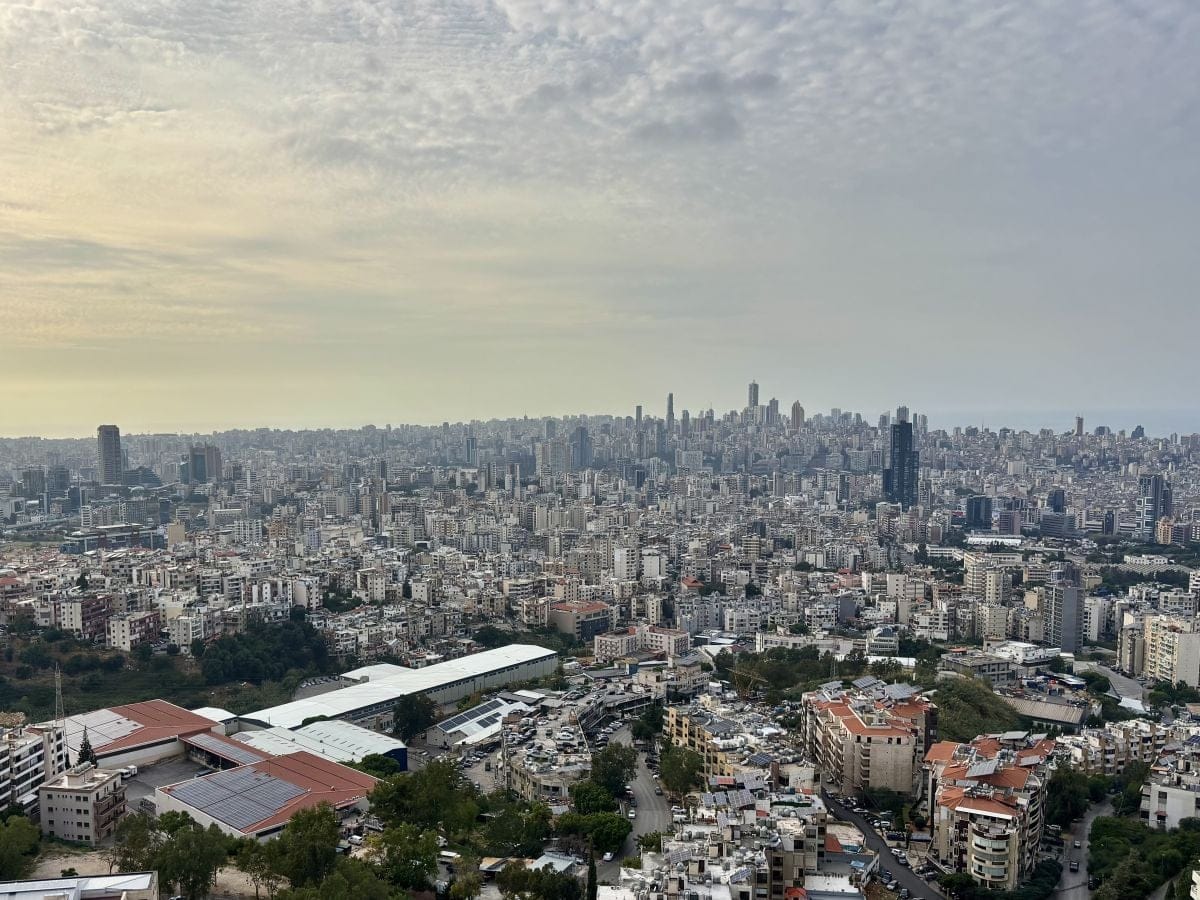
Analysts point to stable trading prices of Lebanon’s defaulted Eurobonds in the secondary market—roughly 27.5 cents on the dollar—with investors pricing in a stronger-than-forecast nominal surplus of $1.426 billion. Continued exchange rate stability helped banks post $5.6 billion in fresh dollar deposits so far this year.
- Seizure of Hezbollah explosives sparks disarmament standoff with Lebanon’s government (Al Jazeera)
The monthly accrual rate on deposits is also accelerating, netting $107 million in September this year compared to $33 million in 2024, suggesting growing local confidence in banking sector stability, although disputes over repayment of old deposits continue.
Airstrikes prompt cancellation of key Saudi investment forum
Saudi Arabia this week postponed to 2027 its flagship foreign direct investment and trade conference, in response to continue Houthi airstrikes on its airports and energy infrastructure, Reuters reports. The Future Investment Initiative, which was due to start on Monday October 26, has been dubbed the “Davos in the Desert” and is a pillar of the Vision 2030 strategy, designed to attract landmark investments and partnerships between Saudi projects and blue chip Western companies.
- JP Morgan underwrites letter of credit for Syria-Saudi oil deal (Reuters)
The forum is effectively cancelled for this year, highlighting the growing challenge the US-Iran war and the related Houthi conflict in Yemen pose to Saudi Arabia’s ambitions to become a global leader in high tech and tourism industries.
Last year’s event raised roughly $50 billion in FDI commitments, and the cancellation this year will add to growing investor concerns over the viability of investment into Saudi Arabia.
Europe
Hungary detains Orbán’s former central bank chief as corruption purge widens
Hungarian prosecutors this week detained György Matolcsy, who was central bank governor from 2013 to 2025 and is one of former prime minister Viktor Orbán’s closest allies, Reuters reports. Matolcsy’s lawyer said the former banker is suspected of “economic fraud causing significant financial damage.”
The probe centers on central bank foundations endowed with hundreds of billions of forints in public funds.
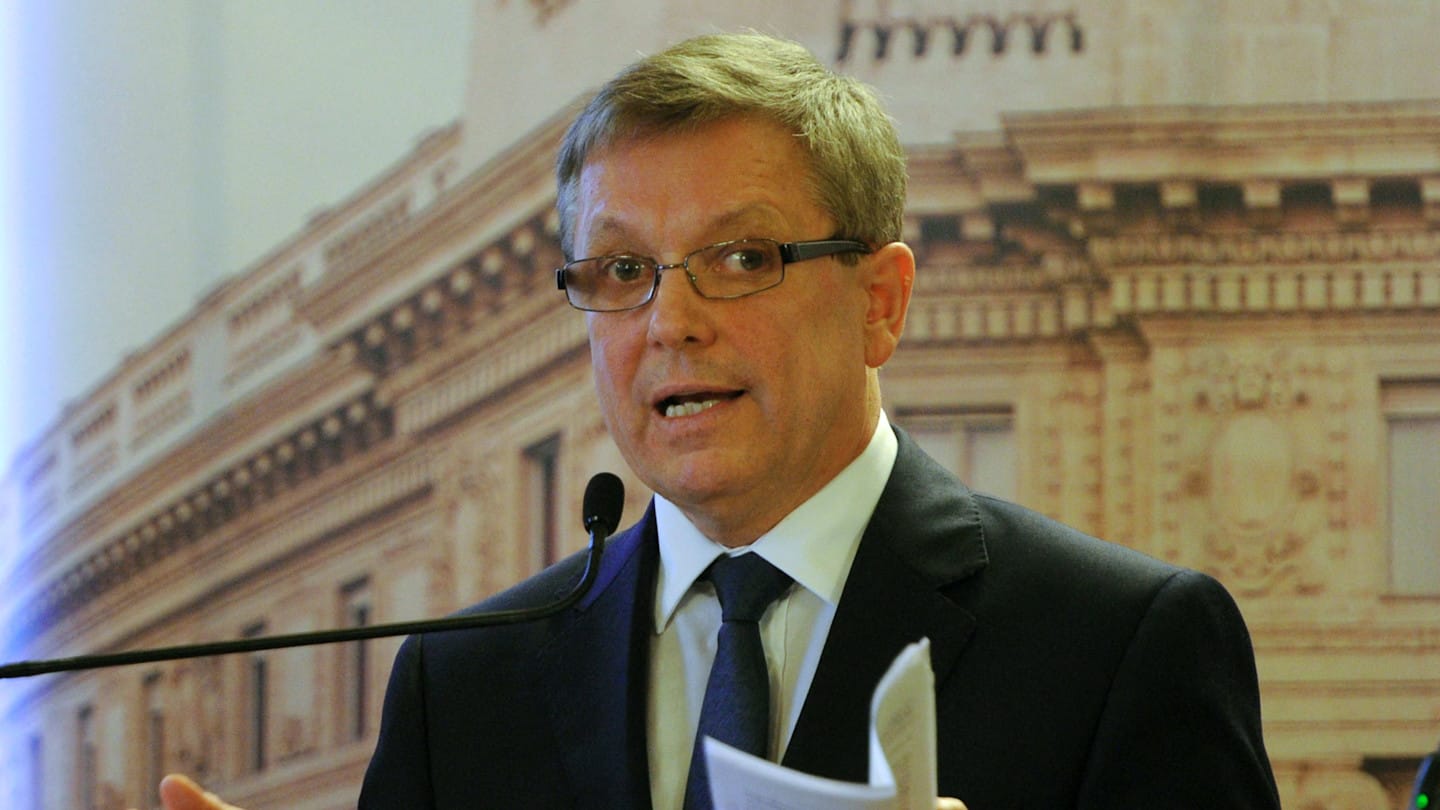
Matolcsy is the highest-profile official to be detained yet in Prime Minister Péter Magyar’s drive to prosecute Orbán-era corruption. Two former ministers were arrested last month after parliament lifted their immunity. Magyar’s efforts are already unlocking funds: the EU this month ended its corruption-related curbs on funding, freeing €4.2 billion.
Romania forms government after six-month crisis
Romania’s parliament on Tuesday voted strongly in favor of a new minority government led by independent diplomat Luca Niculescu, the FT reports. The move was President Nicușor Dan’s fourth attempt to fill the job, and succeeded after the Social Democratic Party agreed to take 11 of 16 ministries, with the Liberals and Hungarian minority party UDMR offering external support.
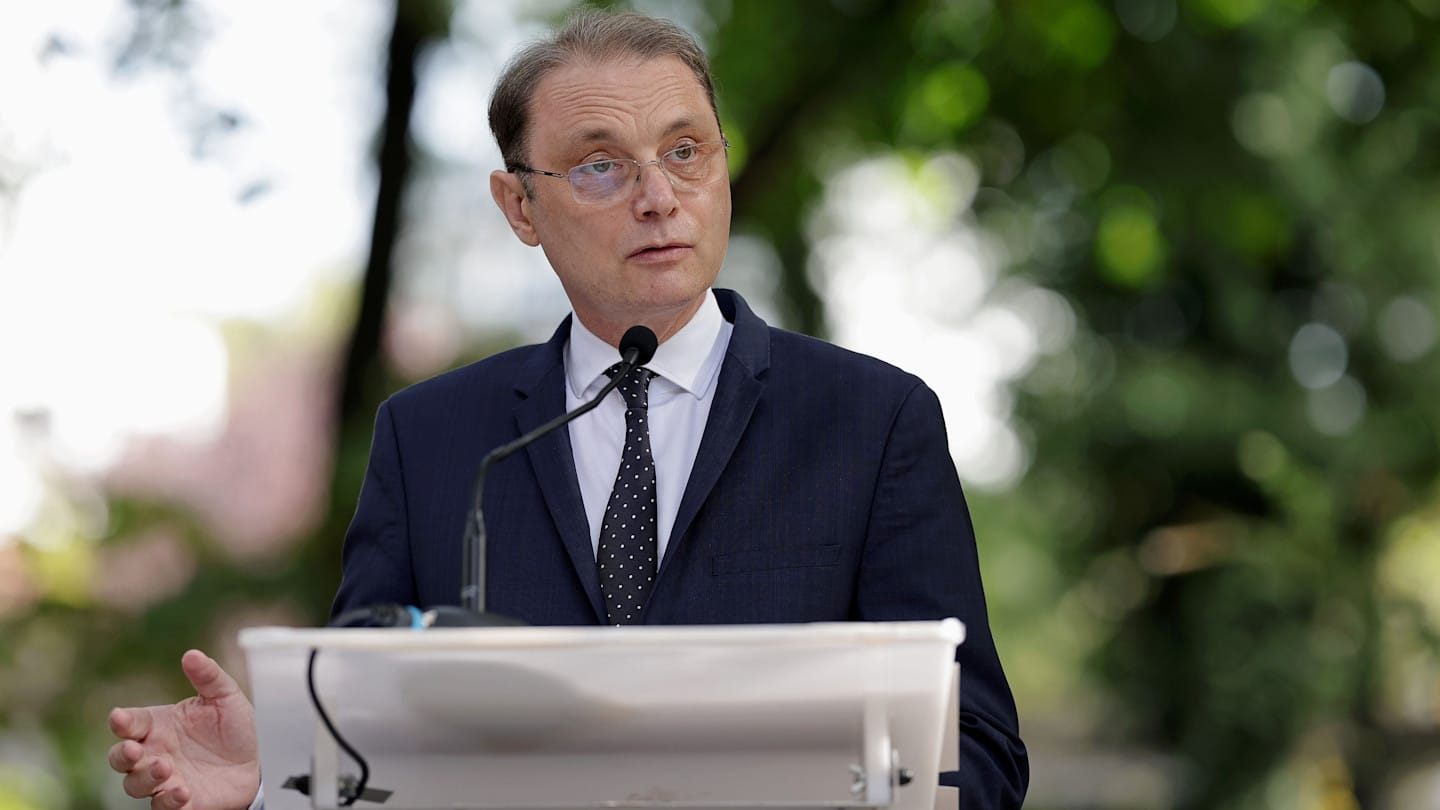
The new cabinet faces an immediate fiscal test. Romania has agreed with Brussels to cut its deficit below 3% of GDP—from over 9% in 2024 and an expected 6.2% this year—with €11 billion in EU recovery funds and its investment-grade rating at stake.
Niculescu, a former ambassador to France who coordinated Romania’s OECD accession, must pass a budget rectification by November 30 and a 2027 budget by December 31 within a 5.3% deficit cap.
Police and protesters clash in Albania as demands for PM Rama’s resignation harden
Violent clashes between police and protesters in Albania have extended into a second week as demonstrators continue to demand the resignation of Prime Minister Edi Rama, AP reports.
Thousands rallied in Tirana over the weekend and demonstrations have spread beyond the capital.
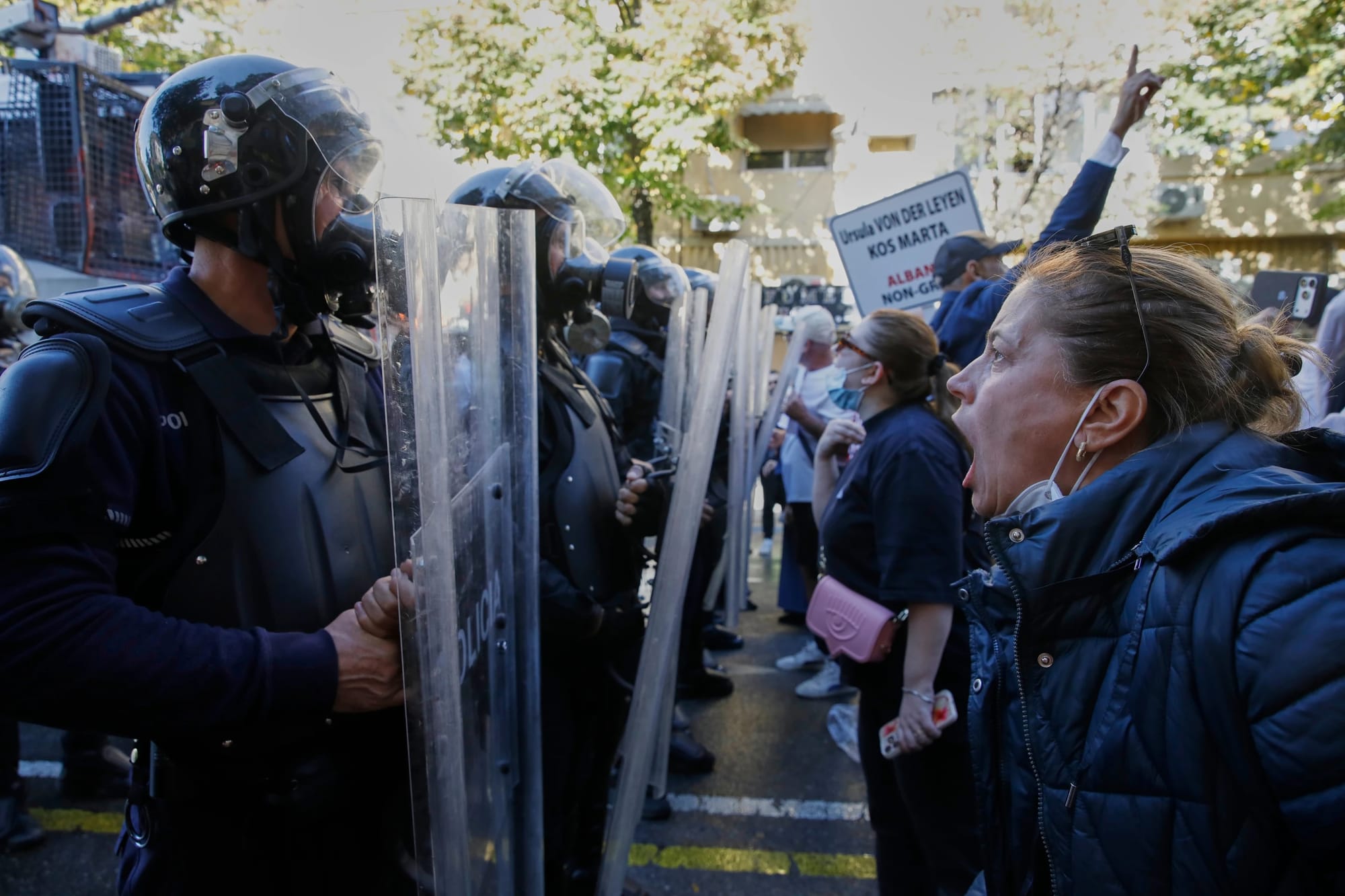
Rama has refused to stand down and said this week the protests “pose a threat to EU membership, not the government,” recasting the unrest as a national risk rather than a verdict on his rule. Analysts warn a tougher security response will only deepen the crisis.
What We’re Reading
Senegal bonds plunge as budget standoff puts IMF deal at risk (Bloomberg)
Ghana’s president pledges to plans to ban raw mineral exports by 2030 (Bloomberg)
Burkina Faso, Niger amd Mali resume talks with ECOWAS after withdrawal from regional bloc (Premium Times NG)
Niger halts diesel and petrol exports to protect domestic supply (Bloomberg)
Nigeria’s Aliko Dangote acquires 25% stake in Kenya Pipeline Company (Reuters)
Nigeria disputes World Bank figure showing debt interest at 124% of federal revenue (Ecofin)
US-based JPMorgan moves closer to gaining Nigerian merchant banking license (The Gaurdian NG)
Egypt moves closer to establishing Russia-backed industrial zone (Enterprise AM)
Tanzania’s biggest lender plans $1.3bn bond program (Bloomberg)
Mauritius lifts nighttime curfew (TRT Afrika)
Pakistan and Indonesia sign defense deal with Turkey and Qatar (Dawn)
Pakistan army chief visits Iran (Reuters)
Kazakhstan targets crypto platforms with injunctions (Coindesk)
Serbia arrests six people suspected of plotting election-day violence (Reuters)
Kosovo risks losing more EU funds after deadlock delayed reforms (Balkan Insight)
Latvia calls for EU-wide visa ban on Russians (FT)
Turkey’s defense industry set to hit $20bn in new contracts in 2026 (Al-Monitor)
Milei under pressure as Argentine economy stagnates (FT)
Risks to peso as Argentine elections loom (FT)
Ecuador opposition leader arrested in Noboa’s widening crackdown on left (Democracy Now)
Panama Canal breaks 2022 cargo record (Marine Insight)
El Niño stirs storms in Chile, threatening copper and crops (Bloomberg)
Peru taps fiscal strength to face El Niño impact (Reuters)
Protests grow over Trump-allied Colombian president’s moves to censor art museums (AP)
Venezuelans demand elections in first national protest in nearly two years (Al Jazeera)
El Salvador sends troops to Haiti to rescue four service members (CNN)
We are committed to providing FMN readers with a free weekly digest of politically unbiased, succinct and clear news and information from frontier and small emerging markets.
Please consider becoming a paid supporter to help cover some of our costs and support our continued development of sharp markets-focused coverage and new informational products. Paid subscribers will also gain exclusive access to our EM/FM reports that aggregate insights from dozens of major banks, international institutions and consultancies.

Read next


