

🌍 Frontier Markets News, September 25th 2026
A weekly review of key news from global growth markets

Africa
Uganda’s first oil exports slip to 2027
Uganda’s and Tanzania’s governments this week admitted the first exports of Ugandan crude oil would be pushed back from October this year to early next year, ENR reports. Construction work is almost complete on the 1,443-kilometre East African Crude Oil Pipeline (EACOP) that will carry Uganda’s waxy crude to the Indian Ocean.
Ugandan officials say the pipeline should be ready to receive crude by mid-December, although the finance ministry has committed only to commercial production “before the end of June” 2027. Kampala has already missed first-oil targets in 2025 and 2026.
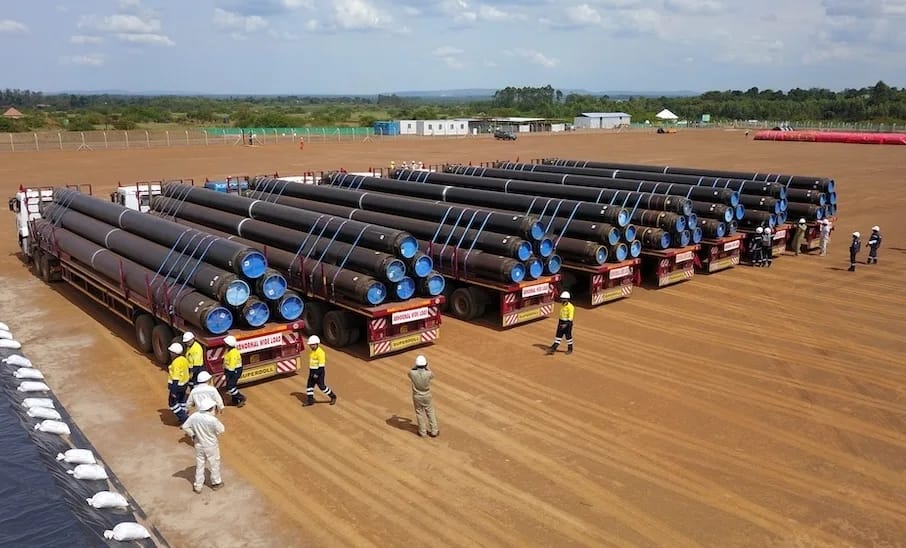
The delay adds pressure on Uganda’s finances. The government’s plan for the fiscal year ending June 2027 counts on 1.44 trillion shillings ($386 million) in petroleum revenue and projects 10.2% growth as production starts. The finance ministry has acknowledged that several fiscal targets will likely be missed, citing delayed oil as one of the reasons.
Monarchy-aligned party set to win Morocco parliamentary elections
The Authenticity and Modernity Party (PAM) won 97 of 395 seats in Morocco’s parliamentary election, according to provisional results. The National Rally of Independents (RNI), which led the outgoing coalition, fell to 66 seats from 102 in 2021, narrowly ahead of Istiqlal, which took 65 seats.
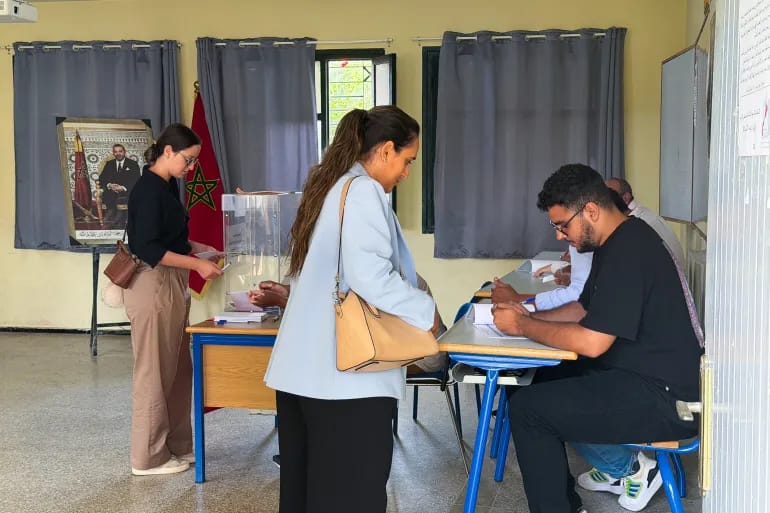
PAM was founded in 2008 by Fouad Ali El Himma, a childhood friend and close adviser to King Mohammed VI. It campaigned on promises to create a million jobs, to increase healthcare spending, and to boost social protections and wages—an attempt to address the concerns of younger voters who took part in last year’s so-called Gen Z 212 protests.
PAM, RNI and Istiqlal have governed together since 2021, but PAM leaders have ruled out partnering with the RNI again. PAM and Istiqlal together hold 162 seats, short of the 198 needed for a majority.
Asia
SE Asia moves toward Western trade deals
The Philippines struck a trade agreement with Europe on Tuesday, putting three years’ worth of negotiations on a path toward conclusion. The EU said the deal would cover more than 97% of bilateral trade and 94% of tariff lines.
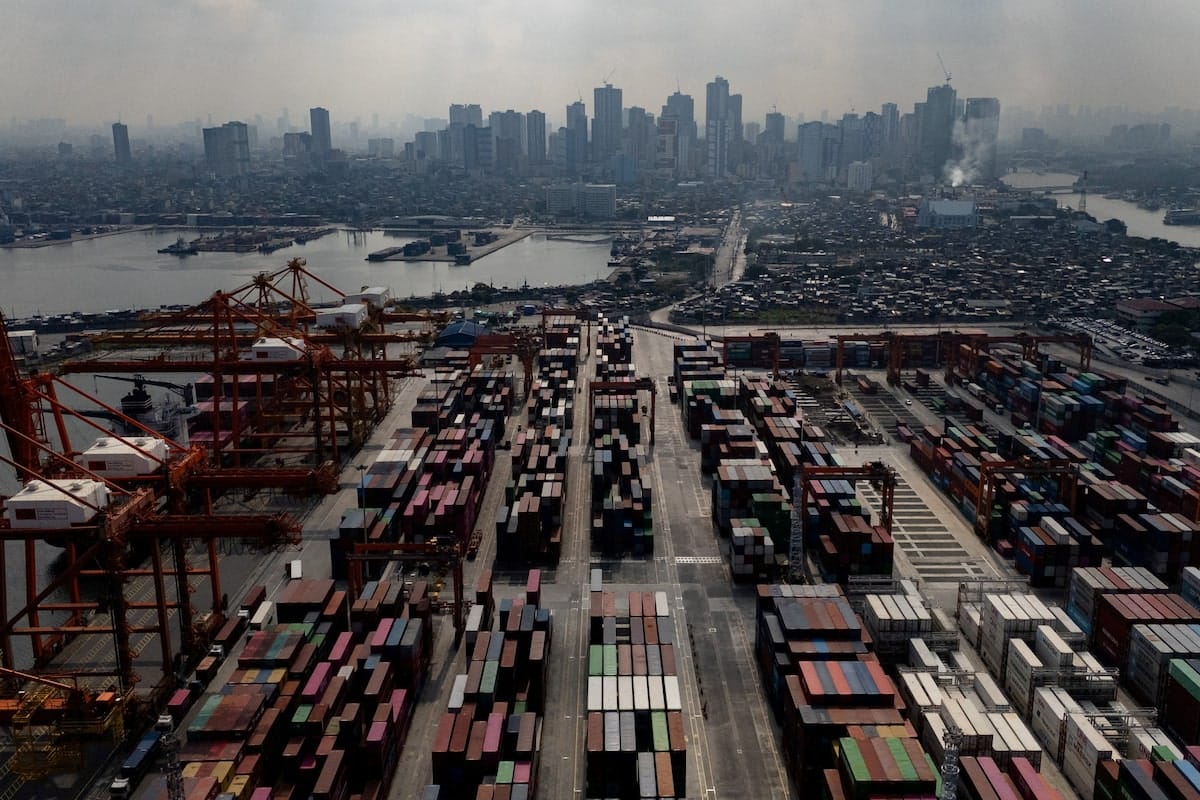
The arrangement builds on existing EU trade deals with Indonesia and Vietnam. Europe is currently negotiating deals with Malaysia and Thailand, too, Reuters reports.
- Bangladesh to buy 11 Boeing jets as it seeks closer US trade ties (Reuters)
Vietnam is also in advanced talks with the US, The Diplomat reports. Vietnamese leader To Lam met with top US trade negotiator Jamieson Greer in New York this week, where he sought to quell concerns that Vietnam—which has the largest surplus with the US of any country—is transshipping goods from China.
Pakistan launches more air strikes on Afghanistan
Pakistani air strikes killed 28 people in Afghanistan on Monday, reopening a conflict with the Taliban that had been relatively calm for the past three months.
Pakistan described the strikes as “calibrated” targeting of terrorist hideouts, but the attack also killed three civilians, according to the UN Assistance Mission in Afghanistan.
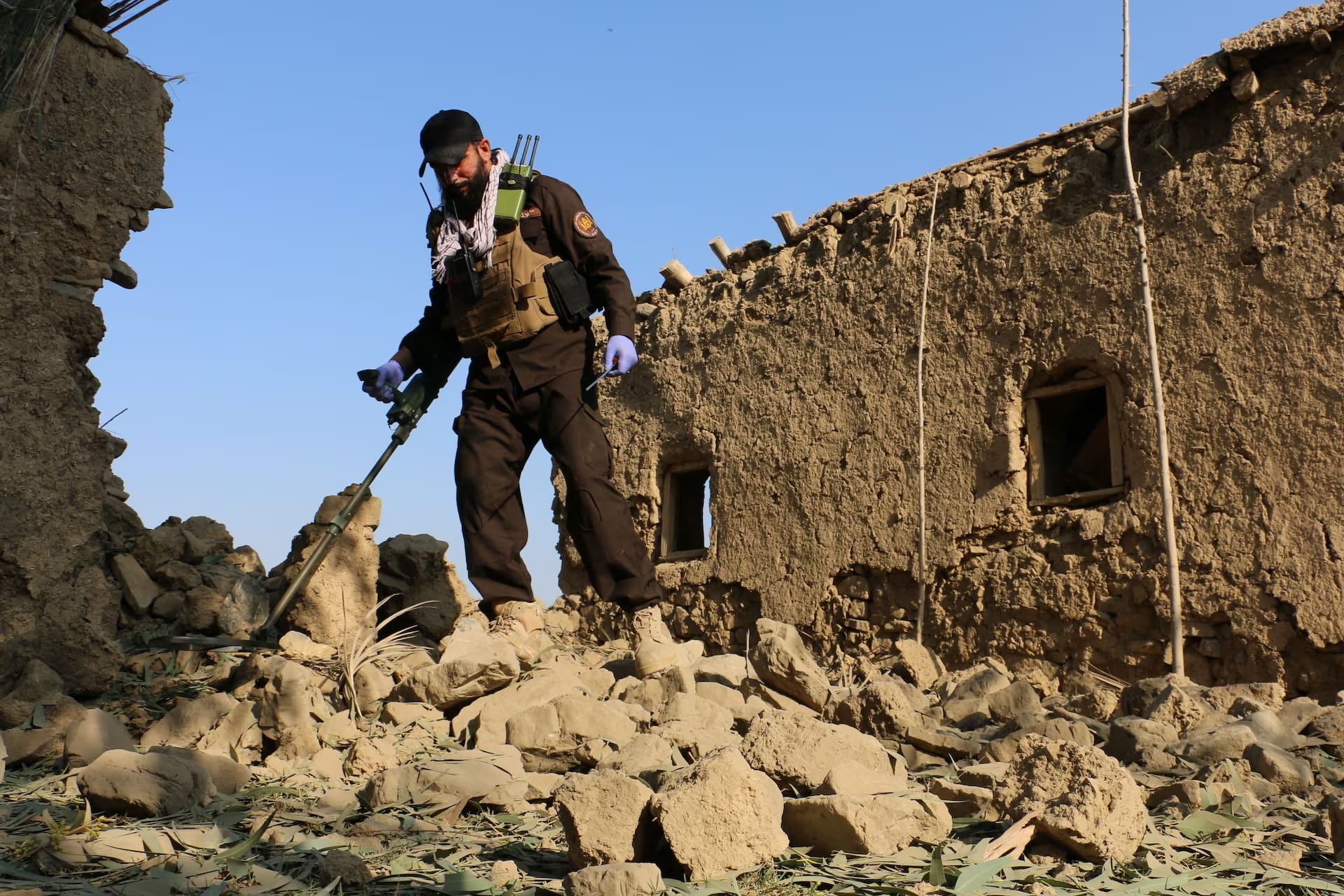
Pakistan has long accused Afghanistan of harboring militants who stage attacks on Pakistani soil. Last week an Islamist militant group in northwest Pakistan killed 24 people, Reuters reports, while six Pakistani soldiers died in a shootout over the weekend.
Afghanistan denies sheltering militants. The two countries have been at war since February.
Middle East
Houthi offensive strains Saudi Arabia’s alliances and economy
Unrestrained attacks by Yemen’s Houthis are causing deep economic pain in Saudi Arabia, the Atlantic Council reports. The Houthi offensive continued apace this week, and while Saudi-backed forces reported they successfully repelled a heavy attack on Taiz on Wednesday, Houthi drone and missile strikes continue to target Saudi oil infrastructure with confirmed Iranian military support.
US President Donald Trump this week turned down a direct request for military support from Saudi Arabia’s Crown Prince Mohammed bin Salman.

Some forecasts suggest the restrictions on oil exports could cause the country’s current account deficit to explode from $4 billion to $79 billion, adding some 4% of GDP to its debt burden, forcing the government to sell down reserves and reduce Vision 2030 spending plans.
Saudi Arabia has ample foreign reserves and strong creditworthiness to weather the storm, but its long-term ambitions of non-oil economic diversification are under threat as political risk rises and the government is forced to divert spending to rebuilding and war-proofing its oil industry.
Bahrain’s debt pressures grow
Falling oil revenue and rising borrowing costs are exacerbating a long-running sovereign debt crisis in Bahrain, raising the risk that the country will need a bailout in the coming year, AGBI reports. External debt rose to $43 billion in March, according to official figures.
Continued debt-raising—including a $1 billion bond issued in June—will probably push the year-end total materially higher. Bahrain’s total debt, including domestic bonds, is over $60 billion, and total debt to GDP is over 124%—among the highest in the world.
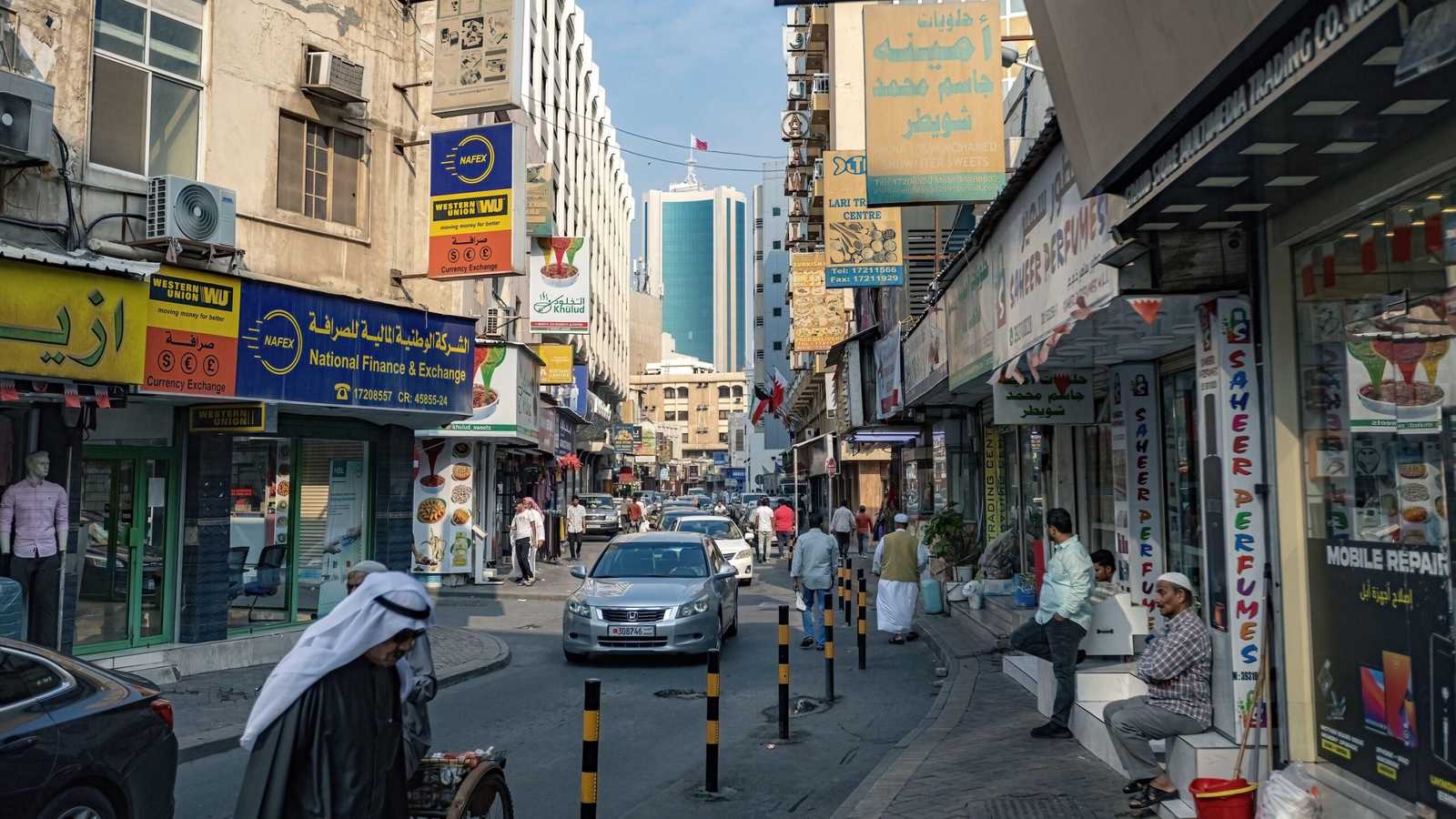
Unlike its Gulf Cooperation Council peers, Bahrain has limited reserve assets to meet its funding needs. Although it is likely to meet the $3.1 billion in debt payments falling due this year—almost 40% of total government revenues—the looming $10 billion in payments due through 2029 is likely to force it to turn to its neighbors for support.
Europe
Poland’s credit rating cut
Credit rating firm Moody’s has cut Poland’s sovereign rating to A3 from A2, citing persistently large budget deficits, rising debt and limited progress toward fiscal consolidation. The firm expects Poland’s deficit to remain around 7% of GDP in both 2026 and 2027 despite strong economic growth, while government debt is forecast to rise from 59.7% of GDP in 2025 to 68.9% in 2027.
The downgrade—Poland’s first in more than a decade—will complicate Prime Minister Donald Tusk’s spending plans in the run-up to next year’s elections, Bloomberg reports.
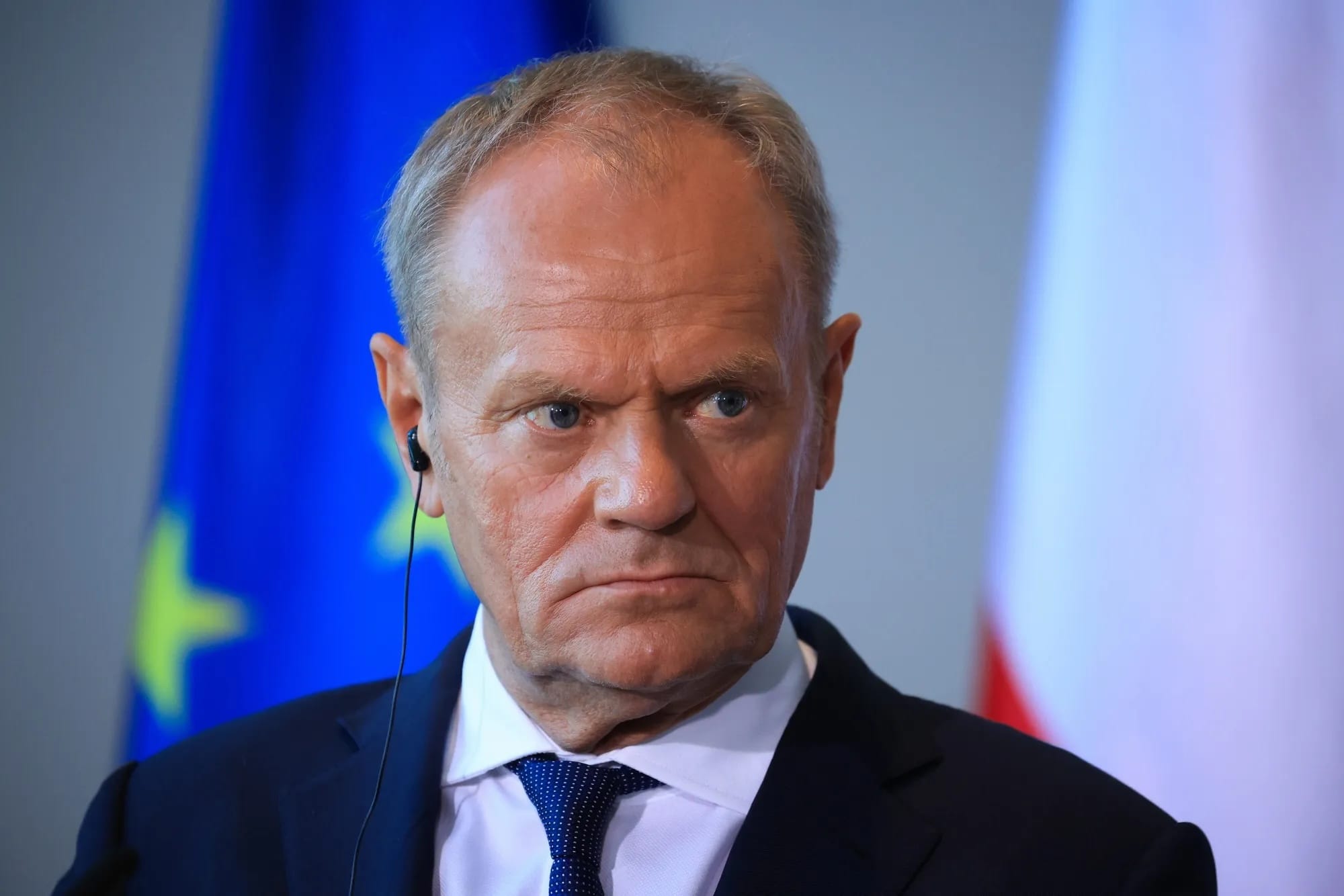
Dutch bank ING said investors had already priced in a rating cut and described the action primarily as a warning to policymakers about the unsustainability of Poland’s relatively high public spending and low taxation policies. ING estimates a substantial public-spending cut would be needed to prevent Poland’s debt ratio from continuing to rise.
US pushes for progress on Armenia-Azerbaijan transit corridor
Representatives of the Trump administration this week brought together Armenia’s and Azerbaijan’s foreign ministers with executives from more than 40 companies in New York to discuss investment in the proposed ‘Trump Route for International Peace and Prosperity’ connecting the two countries, Massis Post reports. The 43-kilometer corridor through southern Armenia would connect Azerbaijan with its Nakhchivan exclave and form part of a broader trade route between Central Asia and Europe.
The TRIPP project remains largely hypothetical since it was announced last August, and the anticipated start date was recently pushed back.
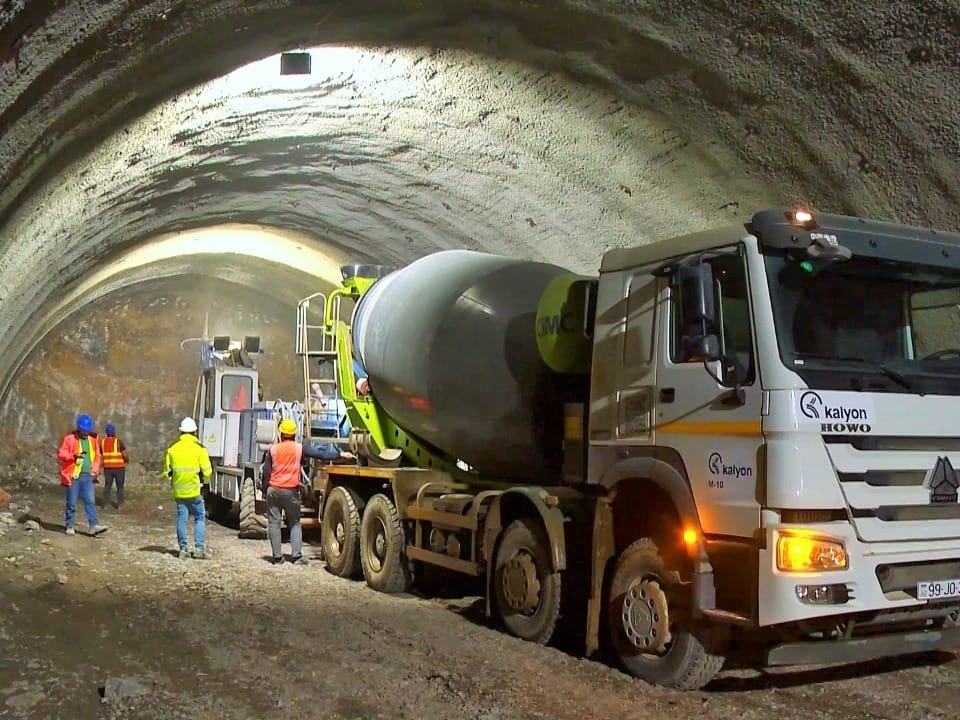
Iran remains a risk to the transit route’s development. Tehran has threatened to block the corridor, which would bypass Iran but place a US-backed infrastructure venture near its northern border. Under the current framework, TRIPP will be built and managed by a company in which the US holds a majority stake. Armenia would retain sovereignty over the route.
Romania opens new fraud probe into former presidential candidate Georgescu
Romanian police detained former presidential candidate Calin Georgescu over accusations of defrauding a businessman of €1.1 million, Eurasia Review reports. Georgescu and two others are accused of promising the businessman access to foreign financing that never materialized.
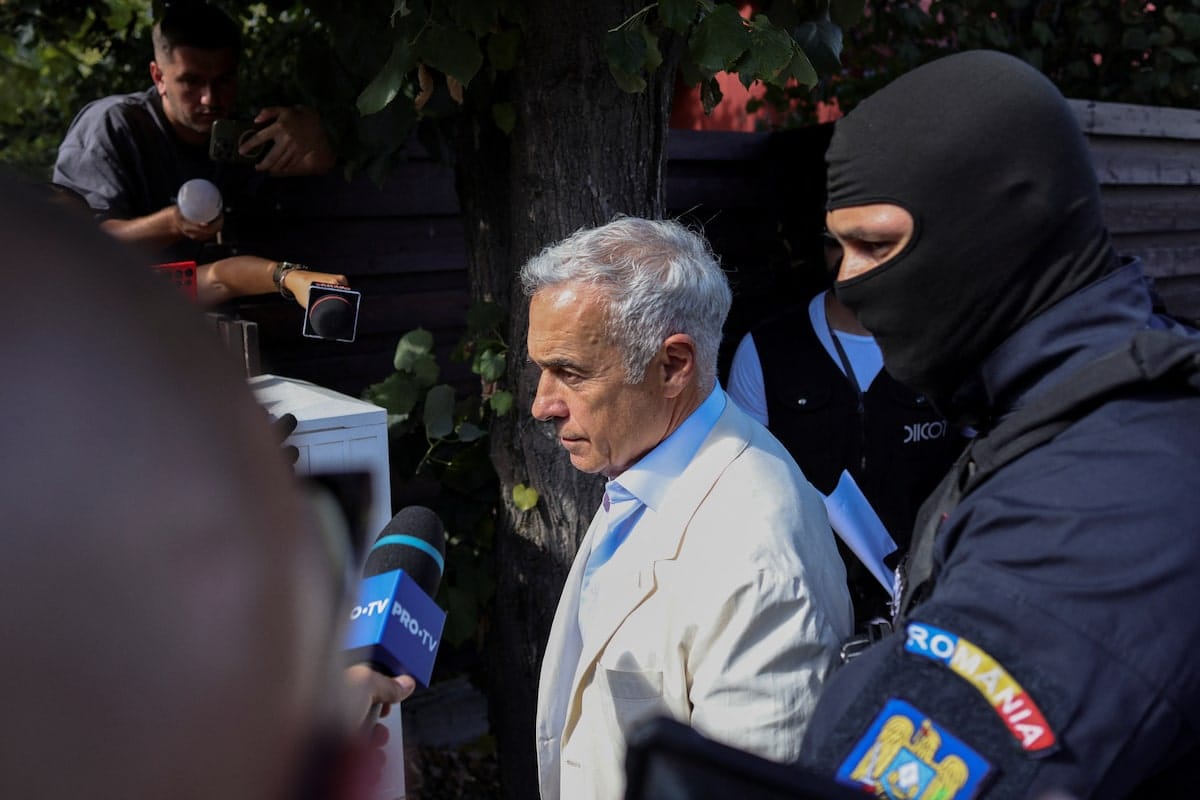
The case adds to a series of legal proceedings involving the far-right politician, who won the first round of Romania’s annulled 2024 presidential election before being barred from the 2025 rerun. He is already facing separate charges related to efforts to undermine the constitutional order and promote fascist figures.
Georgescu denies any wrongdoing.
Latin America
Bolivia ends diesel subsidies as IMF deal moves ahead
Bolivia’s Senate ratified a $1.9 billion IMF agreement this week, clearing the way for a three-year program intended to rebuild depleted reserves and stabilize the economy, Reuters reports. Hours later, President Rodrigo Paz ended a diesel subsidy, a step toward meeting the program’s requirement to remove fuel support.
The agreement still needs IMF Executive Board approval, but economy minister Christian Morales said it should unlock about $5 billion in additional lending from the World Bank, the Inter-American Development Bank, and other partners. The government has committed to reducing the fiscal deficit, limiting monetary financing, adopting a more flexible exchange-rate regime, and improving the investment climate.
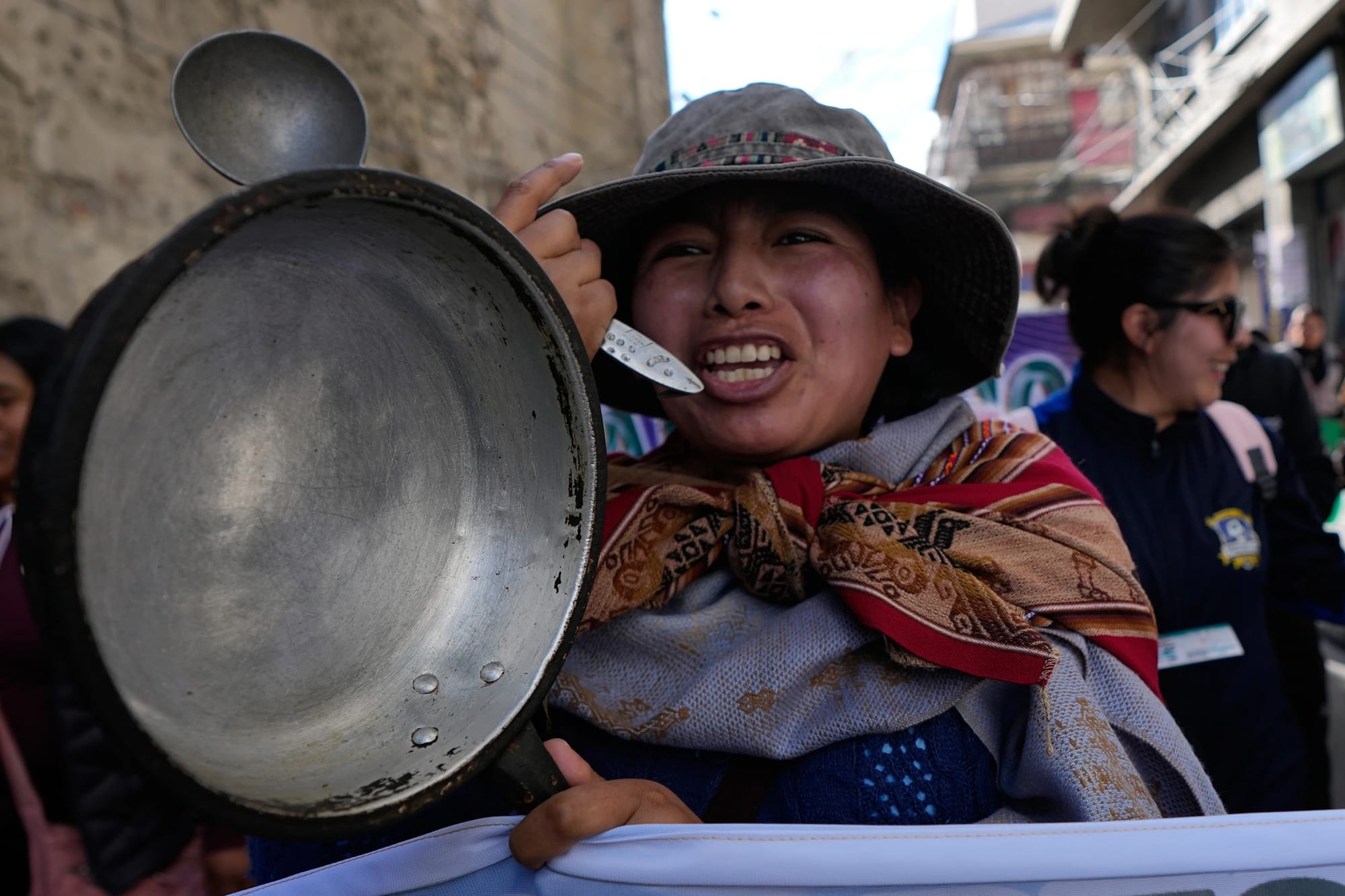
Diesel powers Bolivia’s buses, trucks, and tractors, and the decision follows months of fuel shortages and road blockades. Paz left gasoline subsidized and offered $79 million in cash assistance and preferential loans, but unions oppose the IMF deal and the price change could reopen the country’s social conflict.
US lines up $7bn financing to boost Argentine minerals exports
Argentina and the US this week unveiled a plan to enhance the infrastructure connecting the country’s mineral-rich northwest and Vaca Muerta energy basin with its Atlantic ports, Buenos Aires herald reports. The $7 billion plan, which will include investments into rail, pipeline, port, power and digital infrastructure, will be funded through a US Export-Import Bank framework.
The funding plan covers critical-mineral development and processing, energy security and grid upgrades, digital systems, and advanced technologies. Washington says it wants the corridor to strengthen supply chains for Argentine lithium, copper, oil and gas while creating work for US exporters.
While no individual project received financing, EXIM has issued a nonbinding term sheet for up to $6 billion for Argentina LNG. A US delegation will travel to Buenos Aires, Jujuy, and Salta in October to identify projects for the corridor.
What We’re Reading
Tigrayan leaders say new war with Ethiopian government has begun (Reuters)
Nigeria’s onion dispute with Ghana tests West African free trade (RFI)
US pledges $267mn more to fight Ebola in Central Africa (Arab News)
Botswana sharply reduces budget deficit forecast on revenue boost from central bank (Reuters)
World Bank backs Nigeria’s $300mn off-grid power fund with initial $25mn (Africa Business Insider)
National Bank of Egypt to take over Banque Misr’s UAE branches (Khaleej Times)
Cambodia PM threatens to crack down on scam centers (Nikkei)
US announces $31mn for Nepal flood recovery (State Department)
Consumer price index rises again in Lebanon (L’Orient Today)
Turkey’s $18bn Ponzi-like scandal likened to Madoff as arrests mount (Al-Monitor)
Hungarian bond bulls bet on euro path as central bank cuts inflation target (Reuters)
Kosovo court orders MPs to elect president by October 6 (Balkan Insight)
West Nile cases escalate in North Macedonia (Balkan Insight)
We are committed to providing FMN readers with a free weekly digest of politically unbiased, succinct and clear news and information from frontier and small emerging markets.
Please consider becoming a paid supporter to help cover some of our costs and support our continued development of sharp markets-focused coverage and new informational products. Paid subscribers will also gain exclusive access to our EM/FM reports that aggregate insights from dozens of major banks, international institutions and consultancies.

Read next


