

🌏 Frontier Markets News, September 4th 2026
A weekly review of key news from global growth markets

Africa
Senegal agrees to restructuring to access IMF cash
Senegal and the IMF reached a provisional agreement on Tuesday for a $2.2 billion, 36-month Extended Credit Facility, which, if approved by IMF leadership, will enable the multilateral to resume lending that had been frozen since 2024 after the discovery of billions in concealed debt, the FT reports. The deal is conditional on Senegal restructuring its debts and taking “decisive corrective actions” on the misreporting, according to the IMF.
Senegal’s euro- and dollar-denominated bonds fell to record lows after the announcement, all trading below 50 cents on the dollar.
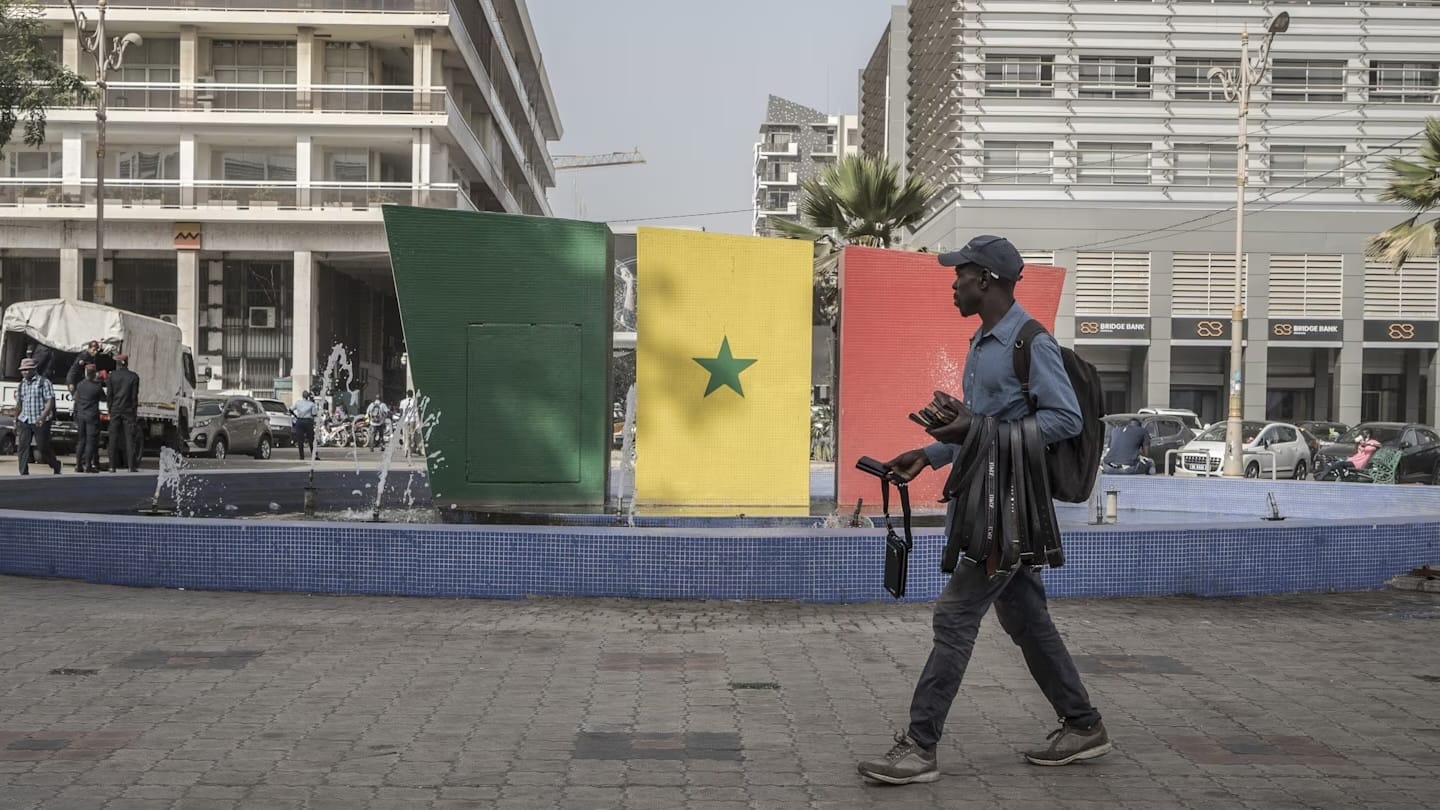
The deal ends more than a year of increasingly strained efforts to avoid a debt restructuring. With IMF support frozen and international bond markets closed, Dakar has leaned hard on the regional market, issuing more than CFA4 trillion in domestic securities and syndications in 2025 and pushing its debt mix to roughly 75% domestic.
It also borrowed roughly $750 million, through undisclosed total return swaps with the Africa Finance Corporation and First Abu Dhabi Bank, derivative deals that pledged domestic bonds as collateral and handed the new lenders priority over existing bondholders.
Zambia reaches for Ghana’s gold playbook
Zambia’s state mining investor ZZCM-IM expects to unlock more than $1.8 billion from the country’s small-scale gold sector by clamping down on informal exports, Bloomberg reports. According to buyer records, Zambia sent nearly $1.8 billion of gold to the UAE in 2023, yet the central bank recorded official exports of under $128 million that year.
Zambia is hoping to emulate Ghana’s success in formalizing gold mining and exports. Under Ghana’s model, GoldBod, a state-run monopoly, is the sole buyer, assayer and exporter of small-scale gold, and trade outside the system is criminalized.
- Senegal moves to formalize artisanal gold mining in two sites (APA News)
While Ghana’s system is operating at a loss—the IMF estimated the central bank lost more than $1.7 billion on the program in 2025—it is having a positive macroeconomic impact, and exports from artisanal and small miners rose from 63.6 metric tons in 2024 to over 100 tons in 2025.
Ghana had a head start Zambia lacks. The PMMC, its state gold buyer, dates back decades, and its small-scale sector already outproduced its industrial mines. Ghana’s artisanal miners generated about $10.8 billion in foreign exchange last year, GoldBod earned $1.315 billion in August alone, and the inflows helped drive last year’s cedi rally.
Guinea-Bissau junta cements power
Voters in Guinea-Bissau this week approved a new constitution that significantly expands presidential powers, the electoral commission said Tuesday, with 70% in favour. The referendum moves the country from a parliamentary to a presidential system, letting the president appoint and dismiss the prime minister and cabinet, create or abolish ministries, and dissolve parliament in a crisis.
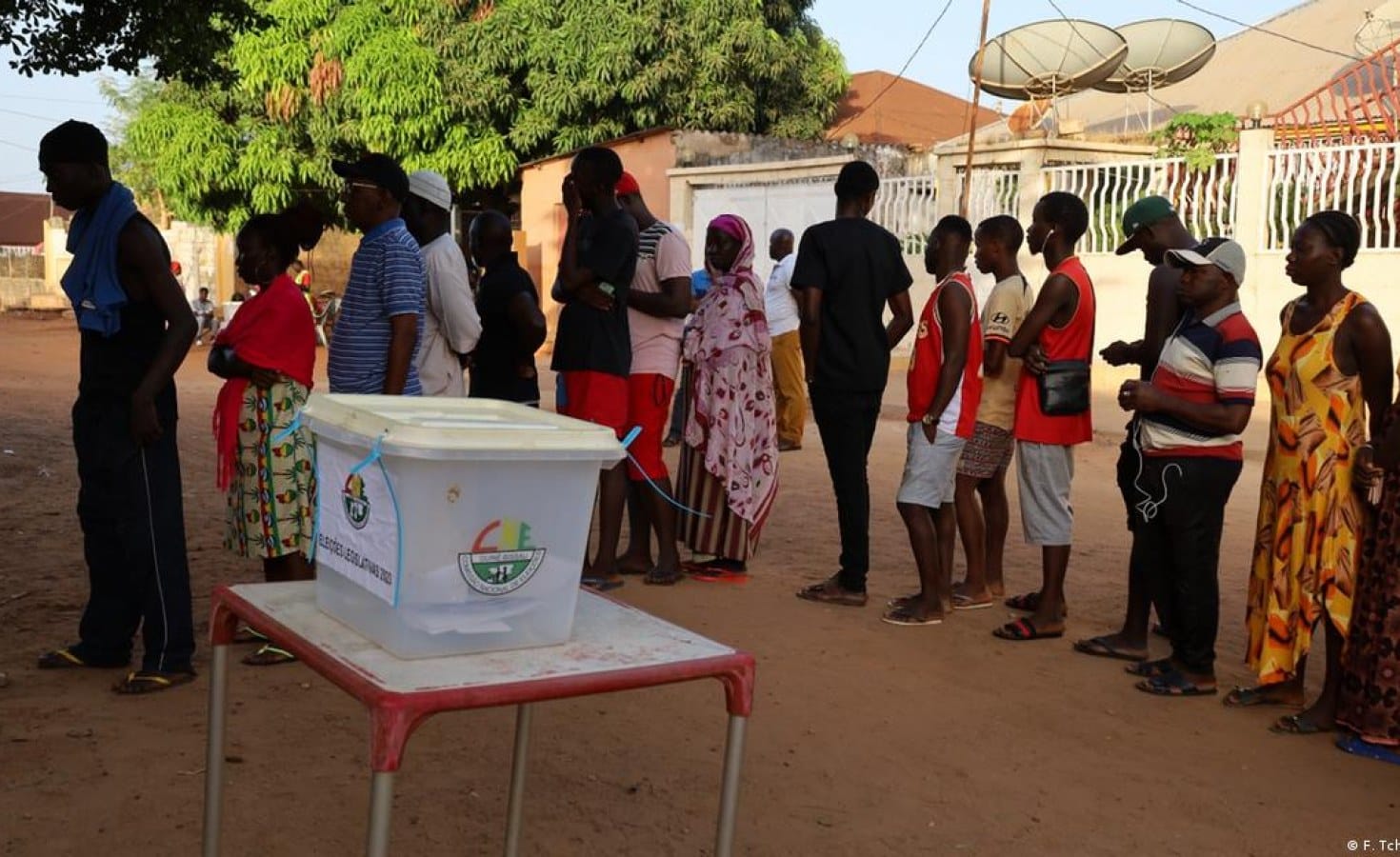
The main opposition PAIGC and civil society groups urged a boycott, calling the vote a threat to the democratic transition. The electoral commission reported a turnout of nearly 60%, although this figure was disputed amid reports of largely empty polling stations.
The military took power in November 2025 after a disputed election in which both former president Umaro Sissoco Embaló and opposition candidate Fernando Dias claimed victory. The junta cast the referendum as the step that closes that chapter before general elections on Dec. 6. Junta General Horta Inta-A Na Man, is barred from standing. The powers he built pass to whoever wins.
Asia
Vietnam trade soars on AI boom
Vietnam’s burgeoning data-center industry drove imports and exports to a record $770 billion through the first eight months of this year according to official data released this week. Electronics accounted for more than a quarter of Vietnam’s exports by value through August.
Vietnam’s imports from China have risen along with its exports, drawing scrutiny from US investigators. American customs officials held a workshop on transshipment in Hanoi in July, Nikkei reports.
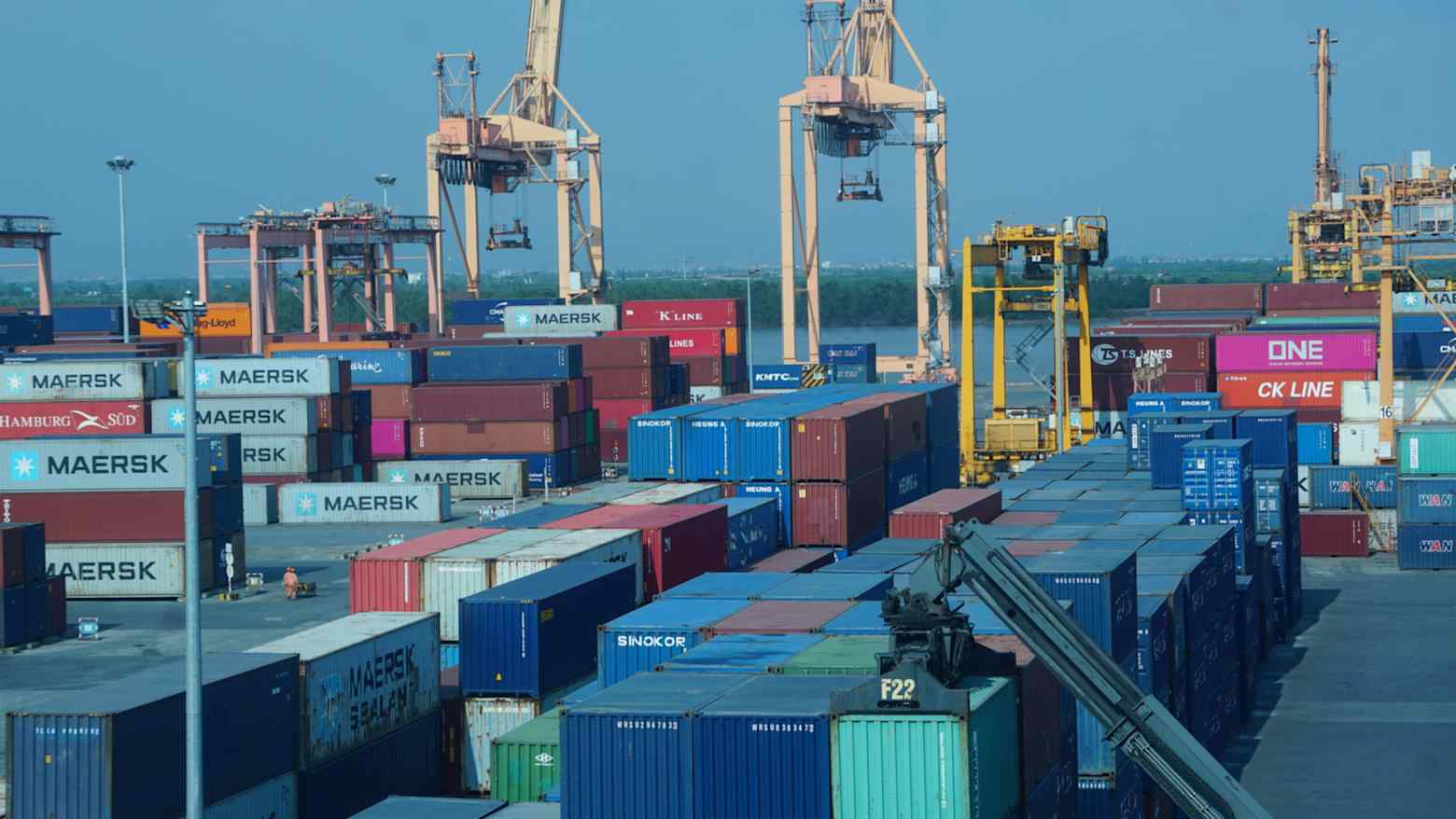
Trade helped drive Vietnam’s GDP growth to 8.4% in the second quarter, according to official statistics. The country is targeting 10% economic growth this year.
Pacific island nations win $580mn from US and Australia
At a forum in Palau this week, the US and Australia committed to increase funding to 18 island countries in the South Pacific in an effort to counter China’s expanding influence across the region, Reuters reports.
Australia will provide the majority of the financing at $430 million while the US will give $150 million. The Australian funding is directed toward police training and efforts to combat drug smuggling, with the US money supporting electric grids and building fuel storage capacity.
Both the US and Australia have taken renewed interest in the Pacific after China began making inroads in the region, including a 2022 security arrangement with the Solomon Islands. As part of the forum this week, the US Peace Corps announced it would establish a new program for volunteers to serve in Micronesia, the Marshall Islands and Palau.
Nepal floods test new leader
Flash floods killed more than 1,200 people on Nepal’s border with China last week, with thousands more still missing. The recovery effort has set up the first major test for Prime Minister Balen Shah, 36, who took office in March on the back of youth-led protests.
Shah got off to a rough start. In the days after the floods he seemed to resist accepting foreign aid, NPR reports, drawing backlash from critics who said he was prolonging the disaster. Nepal has since allowed rescue teams from Australia, China, India, and South Korea.
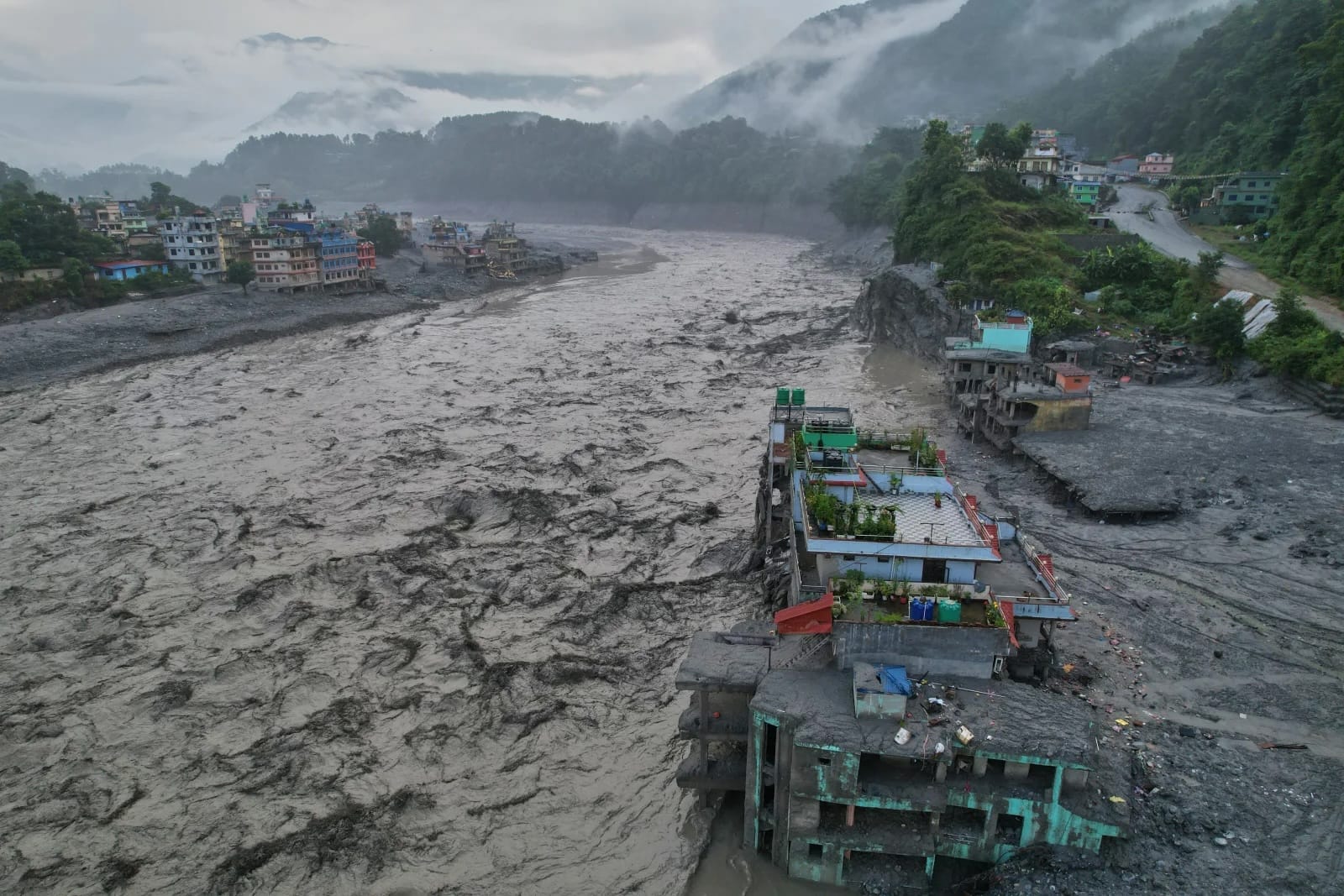
Funding the recovery effort is another story. The floods caused some $5 billion in damage, the New York Times reports, a sum equivalent to 10% of the country’s GDP. After the country’s last major natural disaster, a 2015 earthquake that caused $9 billion in damage, Nepal borrowed heavily. Almost a fifth of government spending now goes to paying back its debt and interest.
Middle East
Saudi Arabia explores raising debt as war stresses finances
Saudi Arabia is considering taking out a new sovereign loan to counter financing strains deriving from the US-Iran war, Bloomberg reports. Riyadh’s oil and gas sector has seen a slump in revenues due to Iranian attacks on its infrastructure, pushing the country’s deficit to $9.1 billion in the second quarter.

Saudi Arabia has ample foreign reserves and, despite record debt issuance in 2024 and 2025, has the fiscal room to borrow more. So far this year it has raised $6 billion in domestic and international bonds. Oil giant Aramco, which is also considering issuing more debt, has raised another $4 billion, and the country’s sovereign wealth fund, PIF, raised $7 billion in May.
The war has prompted PIF to reshape its investment strategy, with the new CEO announcing a rethink of the flagship “Cube” real estate project in Riyadh and announcing a potential bankruptcy restructuring for the LIV golf venture. Companies across the PIF portfolio are experiencing leadership shakeups as the fund seeks to juice returns by tightening budgets and tying future funding disbursements to financial performance.
Lebanon inches toward resolution for banking crisis
Lebanon’s central bank appointed advisory firm Alvarez & Marsal to launch a new audit of its balance sheet over the period 2019 to 2023, Reuters reports. The IMF has asked for a clean audit of the Banque du Liban (BDL) as a condition for a new lending program.
BDL has also instructed banks to build a unified registry of all depositors to establish a clean record of amounts owed; the registry will be used to finalize a deposit repayment scheme pending in parliament.
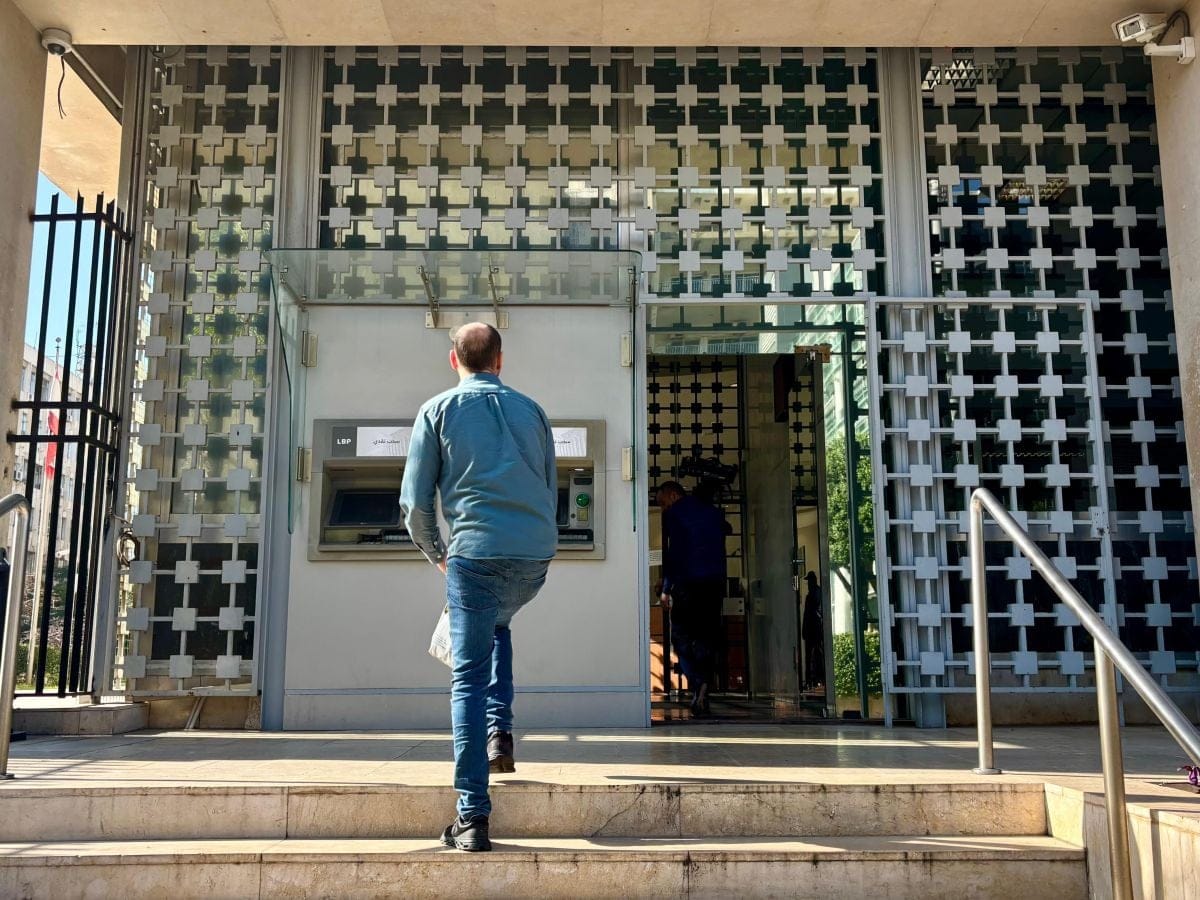
BDL is slowly paying down deposits by extending its cashout scheme, offering depositors 17 cents on the dollar for immediate withdrawals rather than waiting for parliamentary approval for repayment in whole over a multi-year period. The bank has authorized $600 million in cashout payments this year, clearing $3.5 billion in owed deposits.
Europe
Bulgaria’s former central banker and interim PM runs for presidency
Andrey Gyurov, who served as deputy governor of the Bulgarian National Bank until February and then as caretaker prime minister for two months, this week confirmed he’ll stand in Bulgaria’s October 25 presidential election, Balkan Insight reports. Running with former interior ministry secretary general Georgi Kandev, he is likely to be the main challenger to acting President Iliana Iotova, who is seeking a full term.
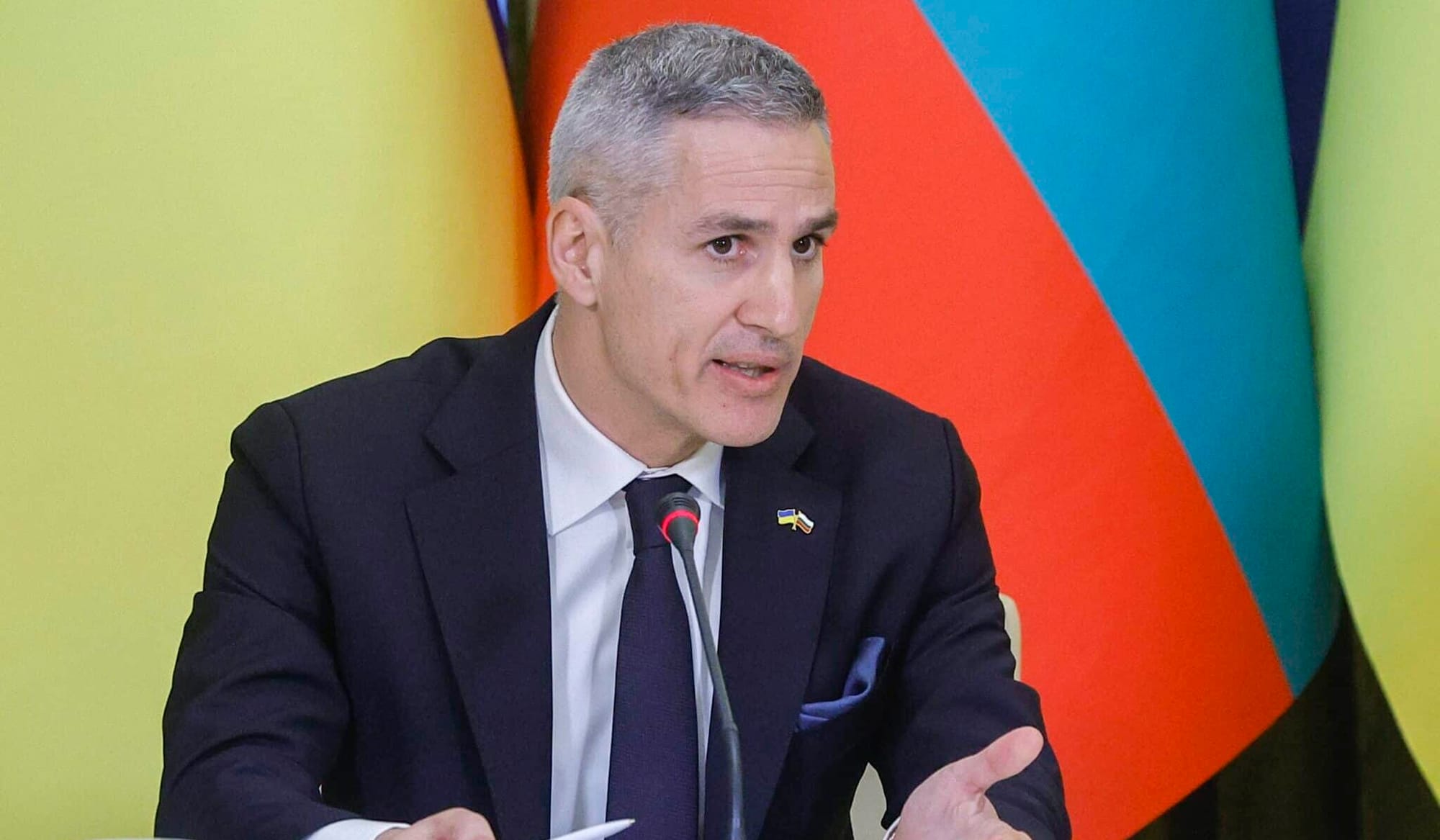
Gyurov, whose caretaker government cracked down on fraudulent voting before April’s general election and signed a cooperation agreement with Ukraine, is expected to run on a pro-EU, pro-reform platform. Iotova is supported by former president Rumen Radev, who resigned the presidency in January, won April’s election with his new Progressive Bulgaria party, and now serves as prime minister.
Romania set to lose €770mn in EU funds
Romania is set to lose €770 million in EU recovery funds after its politicians this week failed to pass public-sector wage and state-company reforms, the FT reports.
The proposed laws would curb politically allocated public-sector privileges and restructure indebted state companies.
- Romania asks EU to speed up review of integrity law (SeeNews)
Romania spends around €30 billion annually on public wages, while its budget deficit reached nearly 8% of GDP last year. State railway operator CFR expects a €100 million loss this year and ended 2025 with more than €430 million in debt.
Estonian lawmakers elect constitutional ombudsman Ülle Madise as president
Estonia’s parliament this week elected constitutional ombudsman Ülle Madise as president with 71 votes, above the 68 needed in the 101-seat parliament, Bloomberg reports. The 51-year-old veteran jurist was the only candidate and secured support across party lines.
Madise will become Estonia’s second female president after Kersti Kaljulaid. She takes office on October 12 and will hold the largely ceremonial presidency, which involves signing laws and confirming governments, for five years.
Latin America
Colombian budget woes threaten rally
Colombia plans to raise about $11 billion this year and swap debt ahead of heavy 2027 maturities, Bloomberg reports. The move comes after the new government of President Abelardo de la Espriella disclosed the government’s deficit was deeper than previously thought—and likely to grow to 9.4% of GDP next year—sending the peso down 2.1% and lifting 10-year bond yields by more than 30 basis points.
- Colombia scraps 10 mining rules to attract investors (Northern Miner)
The financing plan includes more than $3 billion of external borrowing, mostly through bond sales and 25 trillion pesos of domestic issuance. That is a significant supply increase for a market whose local bonds have returned 29% this year, and puts the government’s fiscal consolidation plan under immediate scrutiny.
The government says it is not seeking an IMF rescue package. Investors will instead focus on whether the debt swaps planned for late October and November, and the proposed financing mix, can contain the financial pressure on the government.
Inflation in Peru’s capital accelerates
Annual inflation in Peru’s capital Lima climbed to 4.44% in August from 4.07% in July, the fastest pace since 2023 and the sixth straight month above the central bank’s 1% to 3% target range. Housing and utility prices, including electricity and gas, led the increase as fuel costs and weather volatility compounded a domestic gas crisis.
- Where will the $18bn in infrastructure investment Peru expects in three years go? (BNAmericas)
The central bank has held its policy rate at 4.25% for 11 consecutive meetings and expects the burst of inflation to prove temporary, although it sees El Niño as an upside risk to food prices. The pressure comes as the government counts on commodities and $18 billion of infrastructure investment over the next three years to sustain growth.
What We’re Reading
Zambia’s opposition leader charged with treason (Barron’s)
Investors bet on Zambia’s Hichilema, brushing off poll tensions (Bloomberg)
Cameroon’s short-term borrowing costs hit a new high (Business in Cameroon)
Thwarted Niger mutiny exposes junta’s Russia dependence (Barron’s)
Can Guinea avoid the resource-curse trap? (The Africa Report)Libya rivals agree roadmap for elections within 24 months at UN-led talks (Reuters)
China’s Xi urges new regional security framework during rare Egypt visit (Al Jazeera)
Pakistan raises a record $3bn after debt upgrades (Bloomberg)
Bangladesh faces highest gas bill since outbreak of Ukraine war (Bloomberg)
Myanmar leader to visit Cambodia and Vietnam (Straits Times) Indonesia launches annual military exercises with US (The Diplomat)
Malaysia poised to benefit from critical minerals diversification push (Nikkei)
SE Asia scam compounds regroup after Cambodia’s purge (SCMP)
US-Iran strikes escalate as fears grow of extended conflict (Bloomberg)
Belarus authorities plan nationwide DNA registry (Reformation)
Trump’s oil deal lifts Venezuela bonds ahead of debt rework (Bloomberg)
El Niño raises new concerns for Panama Canal (gCaptain)
Rubio vows US action to isolate Nicaragua after Ortega-Murillo power grab (FL Voice)
El Salvador farmers struggle as El Niño intensifies (Latin American Post)
Uruguay’s push to de-dollarize boosted by new money market funds (Bloomberg)
Peru says it cut ties with Iran (Al Arabiya)
Chile’s $3bn Dominga mining-port project starts construction despite pending lawsuit (BNAmericas)
We are committed to providing FMN readers with a free weekly digest of politically unbiased, succinct and clear news and information from frontier and small emerging markets.
Please consider becoming a paid supporter to help cover some of our costs and support our continued development of sharp markets-focused coverage and new informational products. Paid subscribers will also gain exclusive access to our EM/FM reports that aggregate insights from dozens of major banks, international institutions and consultancies.

Read next


