

🌏 Frontier Markets News, August 28th 2026
A weekly review of key news from global growth markets

Africa
Investors cheer continuity after Zambia election
Zambia’s borrowing costs fell this week in the first bond auction since President Hakainde Hichilema’s re-election on Aug. 13, Bloomberg reports. The 6.3 billion kwacha ($332 million) local-currency issuance was 37% oversubscribed. Zambia’s local-currency debt has already returned some 37% this year, second only to Colombia’s.
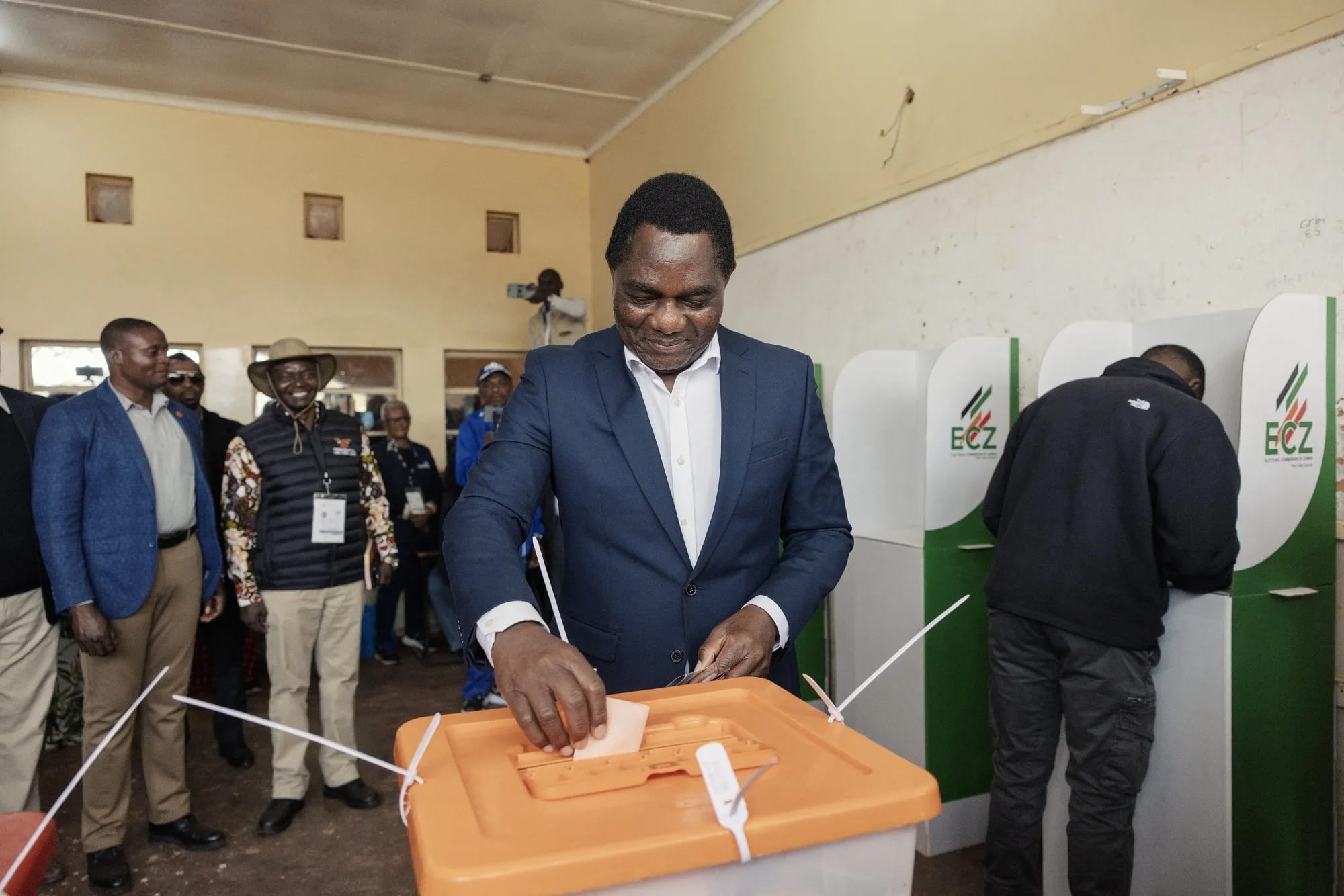
Brian Mundubile, who lost the presidential election with 38% of the vote and rejected the result as rigged, had until August 24 to petition the Constitutional Court under a seven-day window that would have frozen Hichilema’s swearing-in. On that day, however, authorities padlocked the Supreme and Constitutional Courts, citing security concerns, and Mundubile’s lawyers were turned away at the doors. A separate citizens’ petition collapsed as the deadline passed.
With no challenge filed, the result stands. Mundubile went into hiding after an election-night raid that killed opposition MP Mutotwe Kafwaya, but the BBC reports he has now been handed over to law-enforcement authorities for questioning. Hichilema is set to be inaugurated on Sept. 1.
Ghana tightens screws on foreign gold miners
Mining firm Gold Fields is facing uncertainty over Tarkwa, one of Ghana’s largest gold mines, as Accra considers handing local parties control of the operation once the company’s leases expire in April 2027. The South African company in July submitted a proposal to renew its lease, but has received no formal reply.
“What we’re certainly not going to do is just roll over,” chief executive Mike Fraser said, calling the standoff a “material uncertainty” that international investors now read as sovereign risk.
- IMF hails Ghana’s economic recovery (GhanaWeb)
Tarkwa, until recently the company’s biggest mine, produced 192,000 ounces in the first half of this year. Output has slid for two years, from 537,200 ounces in 2024 to 474,500 in 2025. In March, Accra replaced a flat 5% royalty with a sliding scale that goes as high as 12%.
Asia
Vietnam prepares for investment surge as market upgrade takes effect
Index provider FTSE Russell upgraded Vietnam to emerging market status last week, capping a long-awaited process that included years of reforms.
The firm said it would add 27 Vietnamese stocks to its benchmarks in September. The move could result in $3 billion in inflows to the country’s stock market, Bloomberg reports. The World Bank called the upgrade a “turning point for Vietnam’s capital markets.” Thus far the impact on Vietnamese stocks has been muted, however, with many investors having rushed in after the upgrade was announced earlier this year.
- Vietnam’s parliament approves country’s first nuclear project (Nikkei)
The decision comes as Vietnam becomes increasingly central to the global economy. During the first half of the year, it recorded a $114 billion surplus with the US, the largest of any country, WSJ reports.
Pakistan seeks US support for finance policy pivot
Pakistan reiterated its request for US lending this week, as the South Asian country seeks to benefit from its role in mediating America’s war with Iran.
Pakistan, which requested a $10 billion loan from the US last month, is looking to return to capital markets after years of taking on debt from China, finance minister Muhammad Aurangzeb told the FT. Aurangzeb said the US loan would serve as a “confidence signal” for private investors. The money could be used for financing purchases of Boeing airplanes or to help US companies upgrade Pakistani oil refineries, he added.
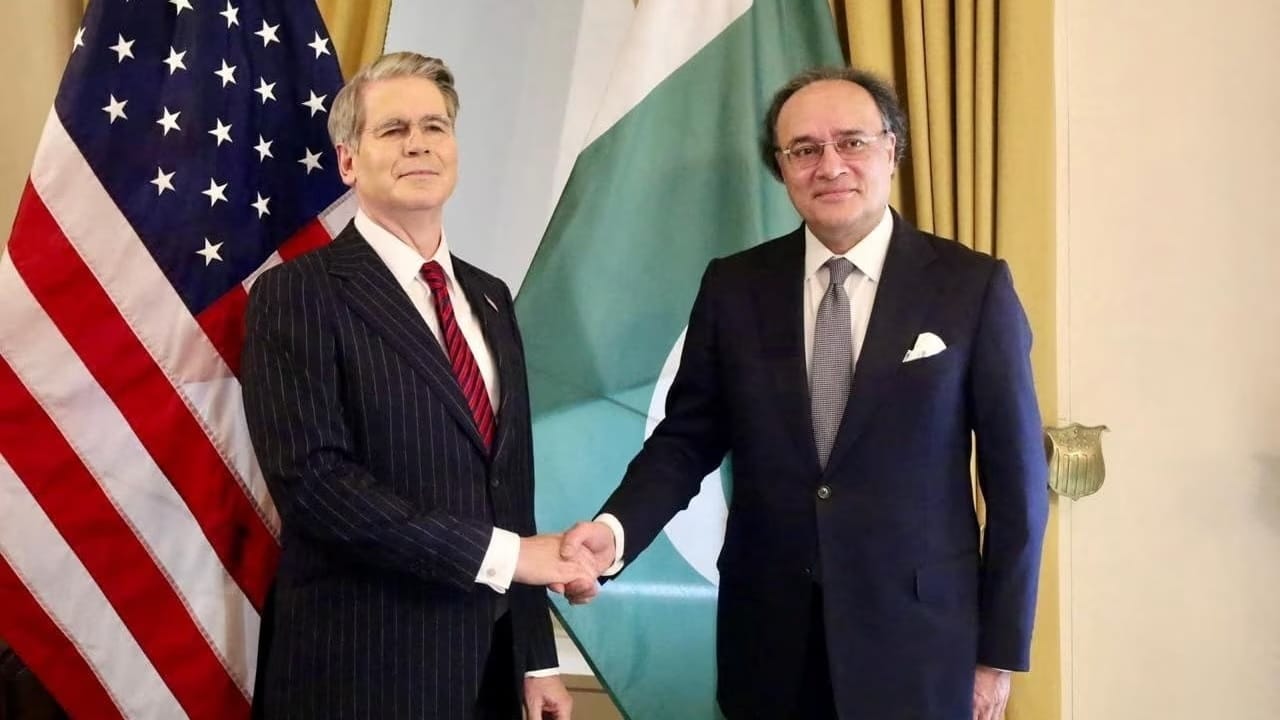
Pakistan has been seeking to develop a closer relationship with the Trump administration since last year. The US president hosted Pakistan’s army chief Asim Munir—widely viewed as the most powerful figure in the country—and Prime Minister Shehbaz Sharif at the White House last June. It was the first time a US president had ever hosted a Pakistani army general.
Kyrgyzstan to host China’s Xi at regional summit
China’s leader Xi Jinping will make a state visit to Kyrgyzstan next week for a summit of a regional bloc that includes Russia, Iran and the other Central Asian countries.
Ahead of the trip, Xi published an article in Kyrgyz media celebrating an upgrade in ties between the two countries to a “comprehensive strategic partnership.” Xi also urged Kyrgyzstan to avoid “hegemonism, unilateralism and bloc confrontation,” according to Chinese state media outlet Xinhua.
The meeting comes as the US and Europe seek greater involvement in Central Asia. The Trump administration recently announced a billion-dollar mining deal with Kazakhstan that includes Trump’s eldest children. Europe has meanwhile been seeking to boost ties with the country since Russia launched its full-scale war on Ukraine in 2022.
Middle East
Syria removed from US terror-sponsor list
This week, the US removed Syria’s designation as a state sponsor of terrorism, opening the door for Syria’s return to international financial markets, Reuters reports. The removal follows the completion of a 45 day review period triggered by the State Department in July in “recognition of the positive actions taken and further commitments by the Syrian government” to distance itself from “international terrorism,” according to US Secretary of State Marco Rubio.
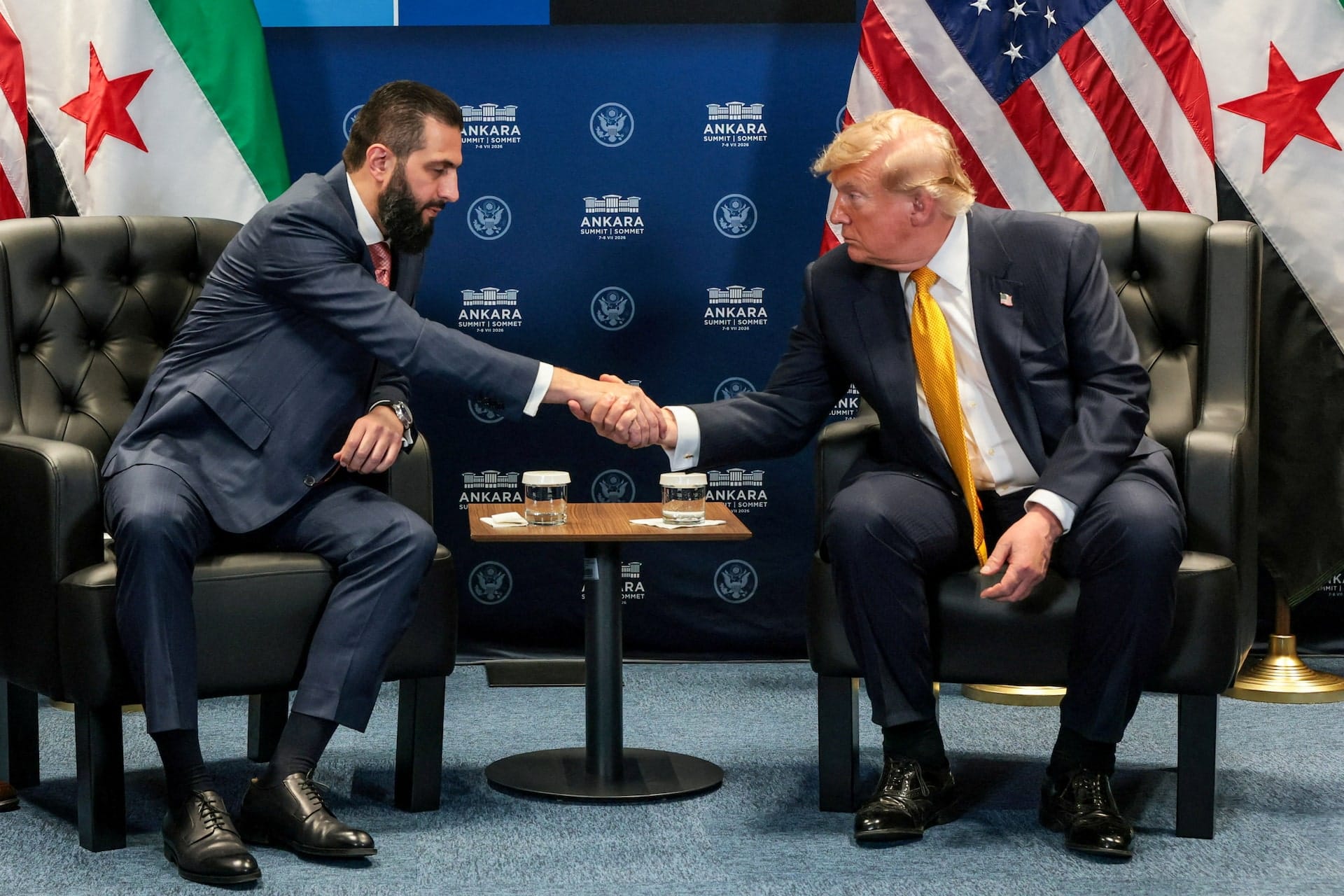
Removal from the list frees Syria to reengage the global banking and payments system, which facilitates foreign direct investment and trade export-import activity. Following the removal, international payment networks announced their first international card transactions in Syria: an end-to-end Mastercard payment with Qatari bank QNB Group, and a live test of a Visa payment for a coffee by President Ahmed al-Sharaa broadcast on social media.
Syria also made progress this week on the disarmament of sectarian militias formed during its 14-year civil war, as the Kurdish SDF announced the dissolution and integration of its armed forces into the Syrian military.
Europe
Hungary continues on positive economic trajectory
Hungary’s central bank cut its policy rate by 25 basis points to 5.5% this week, its third consecutive reduction since Prime Minister Peter Magyar’s election. Annual inflation slowed to 1.2% in July, the lowest in nearly a decade, while core inflation reached 1.9%.
Meanwhile, GDP grew 1.7% year on year in the second quarter, supported by services and industrial output, although an ongoing drought has restrained agricultural production. Unemployment remains relatively low according to the most recently published figures at 4.4%. Given these conditions, Dutch bank ING anticipates continued rate cuts to 4.75% by the end of the year.
- Orbán’s EU influence comes to an abrupt end as cash dries up (Bloomberg)
- Magyar government recovers billions from ‘questionable’ deals (Budapest Times)
The backdrop is still fragile. Energy prices, geopolitical volatility and risk of capital outflows keep the forint and risk premium central to the outlook. Investors will be watching the government’s fiscal plans, anticipated EU-fund inflows and the central bank’s autumn review of its inflation target.
Armenian former president and opposition party leader arrested
Armenian police this week arrested former president Robert Kocharyan on charges of abuse of power, large-scale money laundering and bribery, Radio Free Europe reports. Kocharyan is also head of the country’s second-largest opposition party, the pro-Russia Armenia Alliance.
Five others were arrested the same day, including his eldest son Sedrak, a businessman.
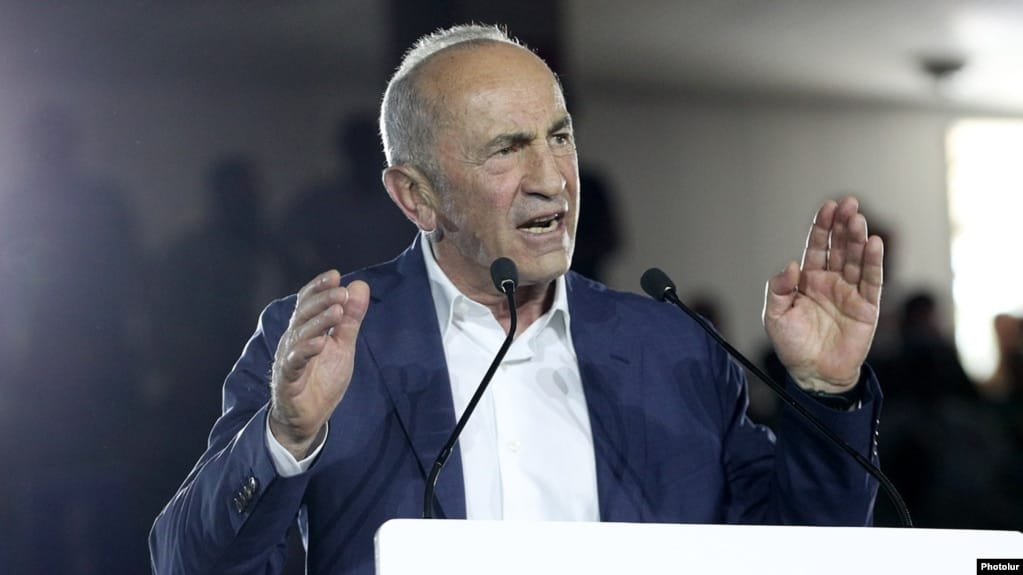
Fourteen people have been charged in total. The arrests mark another step forward in current Prime Minister Nikol Pashinyan’s crackdown on corruption and on members of the pro-Russian opposition party since his re-election in June.
Romania passes ‘integrity’ law to access EU funds
Romania’s parliament has approved a contested integrity law, meeting a condition to unlock €770 million in EU recovery funding, Balkan Insight reports. The measure strengthens sanctions for officials found to have asset discrepancies or conflicts of interest, but reduces the detail required in public wealth declarations.
Critics argue it retroactively targets Dominic Fritz, Mayor of Timisoara and a member of the interim government. Broader groups such as the European People’s Party and Renew Europe in the European Parliament have asked the European Commission to withhold the €770 million unless the clause that puts Fritz at risk is removed.
Latin America
Argentines face debt woes as economic turnaround flags
Argentina’s recovery is losing momentum as household debt distress rises and growth forecasts fall short of the government’s targets, the FT reports. Almost six million borrowers are behind on payments as households have faced weaker wage growth, the removal of utility and transport subsidies, and sharply positive real interest rates.
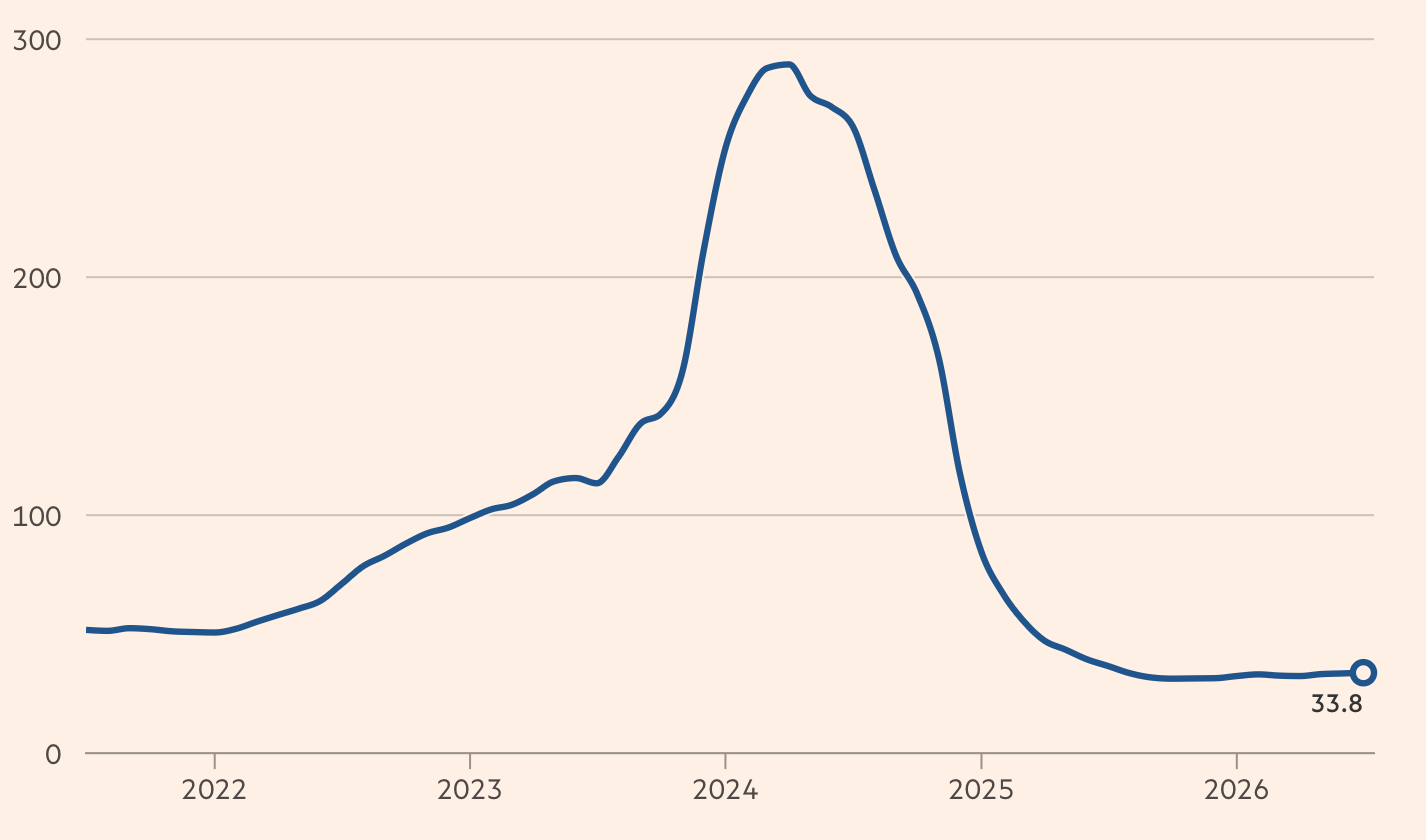
Economists are predicting economic growth of 2.7% this year, well below the government’s 5% budget projection, according to Bloomberg. And Argentina’s central bank survey now points to a 0.4% contraction in the second quarter, while activity through June expanded 1.9%, against 6.1% a year earlier.
President Javier Milei’s anti-inflation program remains the government’s principal achievement, having slashed inflation from a peak of almost 300% in early 2024 to around 33% now, but slowing activity and a weak labor market could turn household debt into a broader political problem ahead of the 2027 election.
Colombia, Ecuador and Costa Rica intensify focus on security
Colombia’s new government has moved rapidly to dismantle the ‘negotiated security’ approach of the previous administration, Bloomberg reports. The armed forces this week killed eight fighters from the Calarcá-led rebel organization in an operation combining bombing with a commando raid in Guaviare, President Abelardo de la Espriella said.
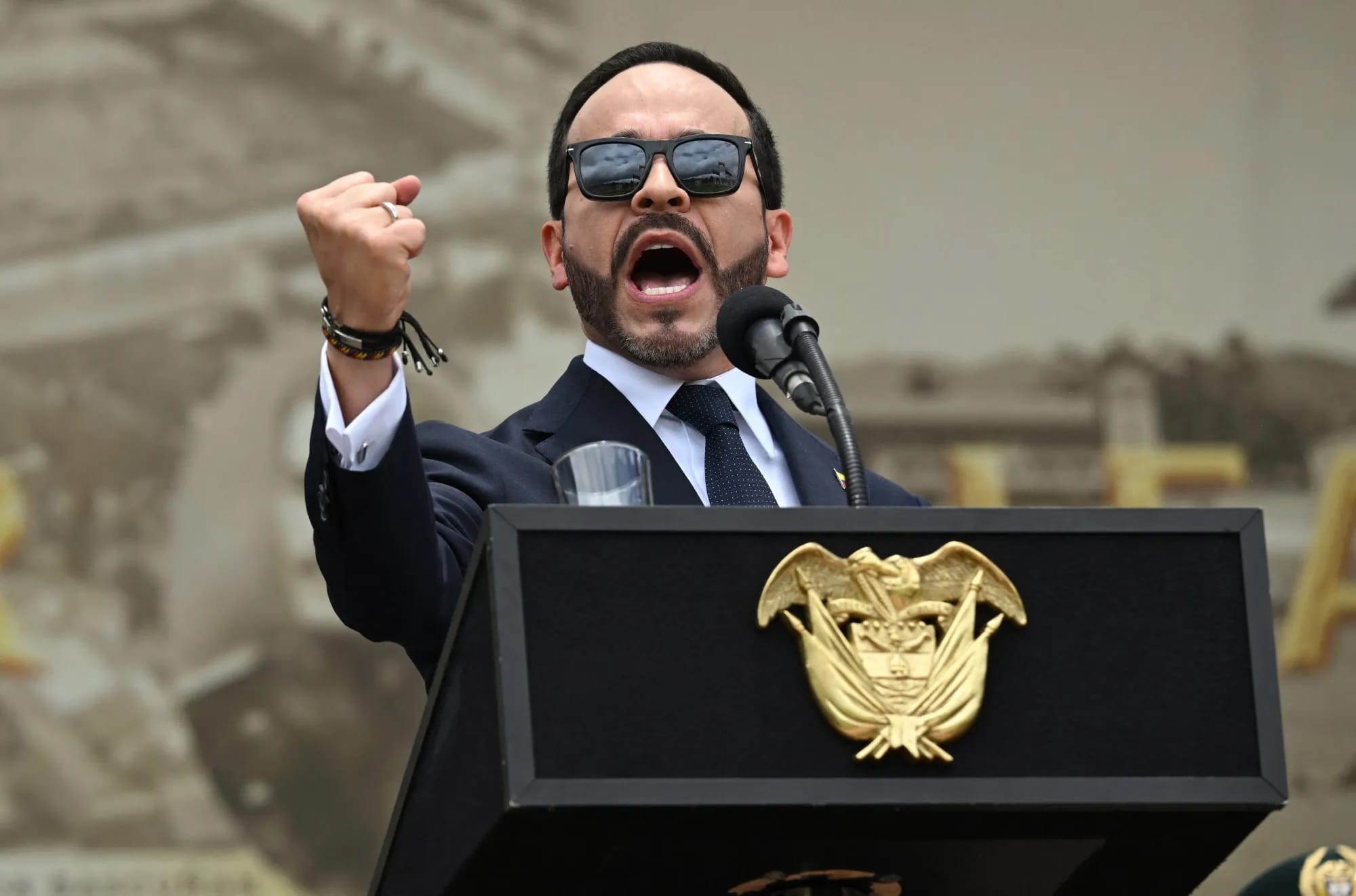
Hours earlier, de la Espriella ordered the extradition of three US-wanted suspects in custody, and he has approved five other extraditions, ending the suspension of such cases under the prior government of former president Gustavo Petro.
- Colombian president vows deportations of migrants without legal status (AP)
Ecuador is moving in the same direction and its troops are reportedly conducting joint counter-cartel operations with US soldiers.
Costa Rica, meanwhile, is taking a harder line against drug violence under new President Laura Fernández. With organized crime and homicides surging in the country, she has made it clear she’s also open to expanding an existing relationship with US law enforcement authorities.
Venezuelan weighs seismic shifts in currency and oil policy
Venezuela is reportedly negotiating a deal that could give US companies long-term access to a group of oilfields, with the resulting crude reserved for US buyers, Reuters reports. The arrangement would mark a substantial shift for an industry used to heavy state involvement.
Venezuela is also considering leaving OPEC, a group it helped found in 1960, according to people familiar with the matter. Such a move would highlight the extent of Caracas’s political and commercial realignment toward Washington.
Currency policy could become the next test, with the potential that Venezuela could replace its currency with the dollar. Among the advocates of the switch is economist Steve Hanke, who is advising a National Assembly member and has advocated full dollarization as a response to inflation and the bolívar’s decline.
What We’re Reading
Guinea-Bissau to vote on new constitution that would expand presidential powers (Reuters)
Kenya risks electricity cuts as reserve shrinks to 3.3% (Business Daily Africa)
Son of Uganda’s president says he will stand for top job in 2031 (Reuters)
Tanzania’s vice president retires from politics following apparent rift with the president (The Citizen)
Citi sees Zimbabwe breaking from past in economic turnaround (Bloomberg)
Brazilian firms near deal to farm 800,000 hectares in Angola (Bloomberg)
Tunisia’s Saïed buckles in for summer of discontent (Africa Confidential)
African telecoms operator MTN pushes deeper into lending (Reuters)
Nepal floods test 36-year-old PM with huge rebuilding challenge (Bloomberg)
UN warns Myanmar human rights conditions have reached new low (UN News)
Indonesia’s growth ambitions questioned by economists (CNBC)
Kazakhstan president consolidates power in snap election (Nikkei)
Saudi Arabia holds talks over state-backed war insurance as costs jump (FT)
US’ new sanctions on Iran sanctions push rial to record low (Bloomberg)
Turkey’s Kurdish peace process moves to implementation (Al-Monitor)
Up to 70 ships queue off Danube as bottlenecks slow Ukraine grain exports (Reuters)
Bond investors backing Ukraine get rewarded (Bloomberg)
Paraguay export diversification advances (Datamar News)
Asian shipper pays record $5.3mn to cross Panama Canal (Bloomberg)
Bolivia’s president fires economy minister amid unrest (Al Jazeera)
Argentina and Chile revive cross-border mining framework for investment (Reuters)
We are committed to providing FMN readers with a free weekly digest of politically unbiased, succinct and clear news and information from frontier and small emerging markets.
Please consider becoming a paid supporter to help cover some of our costs and support our continued development of sharp markets-focused coverage and new informational products. Paid subscribers will also gain exclusive access to our EM/FM reports that aggregate insights from dozens of major banks, international institutions and consultancies.

Read next


