

🌏 Frontier Markets News, September 18th 2026
A weekly review of key news from global growth markets
Africa
Kenyan sale of Safaricom to Vodacom blocked in court
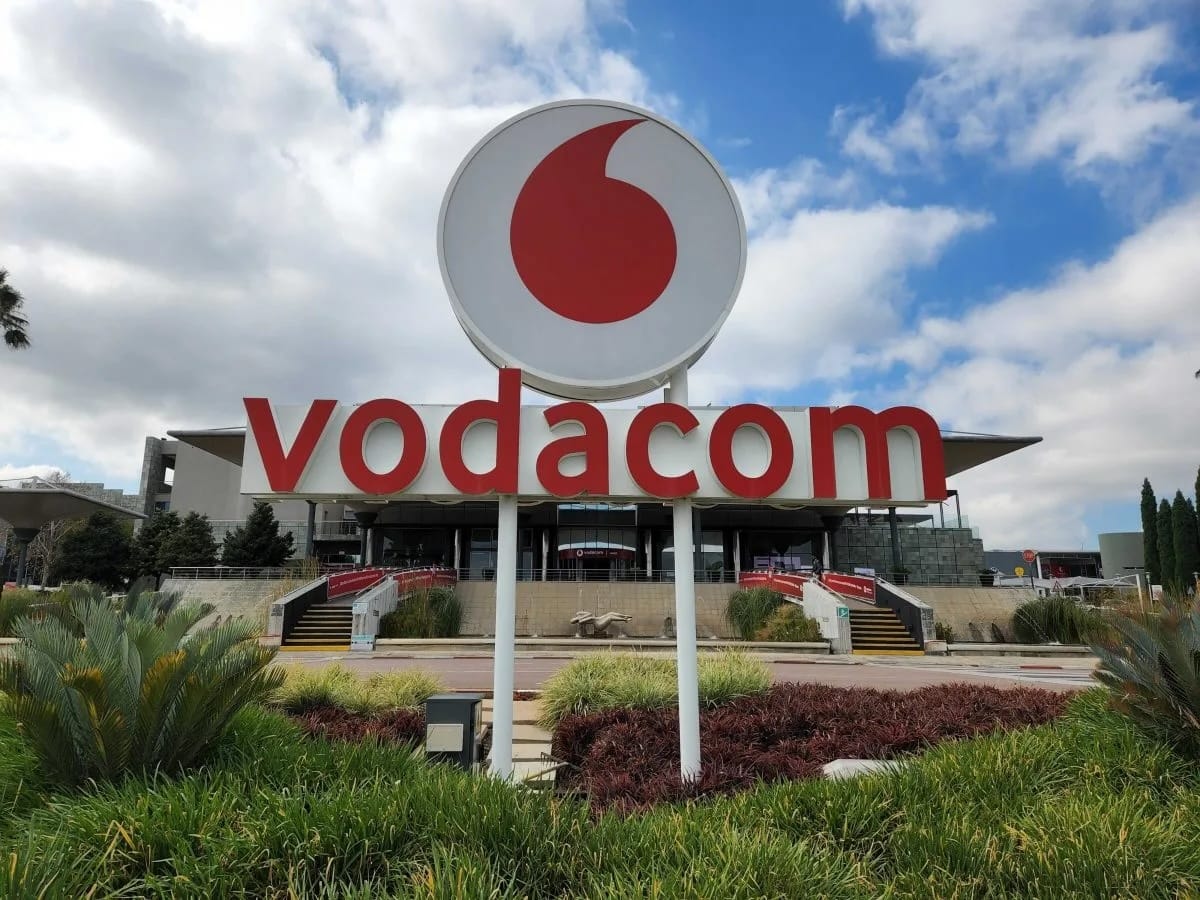
Kenya’s High Court has nullified the government’s sale of a 15% stake in telecoms giant Safaricom to South Africa’s Vodacom, ordering the shares returned to the state almost three months after the deal closed, HapaKenya reports. A three-judge bench ruled on Monday that the 204.3 billion shilling ($1.9 billion) transaction breached the constitution, citing the absence of meaningful public participation and the concealment of material information.
The judges noted the deal, sold to Cabinet and Parliament as a partial share sale, had handed Vodacom control, raising its holding from 35% to 55% of Kenya’s largest mobile operator. The court held that documents behind the transaction were withheld from the public, that Competition Authority approval was never obtained, and that the bank hired to advise on the sale was itself unlawfully procured.
Both the government and Vodacom will appeal against the ruling.
The ruling extends a run of government deals undone in Kenya’s courts over opaque terms. Judges halted Adani Group’s Sh237 billion lease of Nairobi’s main airport and a Sh95.7 billion power-transmission contract. In 2024 the High Court struck down the Privatisation Act entirely, and on Thursday it ruled Kenya’s public-private partnership laws unconstitutional for excluding parliamentary oversight.
Algeria cuts UAE ties
Algeria closed its airspace to UAE-registered aircraft this week, a day after severing diplomatic relations with Abu Dhabi and giving its ambassador 48 hours to leave. The foreign ministry cited a buildup of “provocative and hostile” actions but named no single triggering incident.
The rupture has been long in the making. Unlike Algeria, the UAE backs Morocco’s stance over Western Sahara, and it normalized relations with Israel under the Abraham Accords. The two also took opposing sides in Libya, as well as in the conflict in Sudan.
- Algeria revives ties with Mali as insecurity reshapes the Sahel (Arab Weekly)
President Abdelmadjid Tebboune had signaled the break in 2025, praising ties with every Gulf state “except one,” and in February Algeria moved to scrap a 2013 air-services pact.
Dangote launches Africa’s biggest-ever share sale
Nigerian oil magnate Aliko Dangote opened subscriptions this week for an initial public offering of his Lagos refinery, which would be the largest share sale in African history, Bloomberg reports. The share sale is pitched as a “people’s IPO” open to anyone with a Nigerian bank verification number. The offer of 4.1 billion shares at 525 naira each seeks to raise about 2.15 trillion naira ($1.6 billion) and values the refinery near $49 billion.
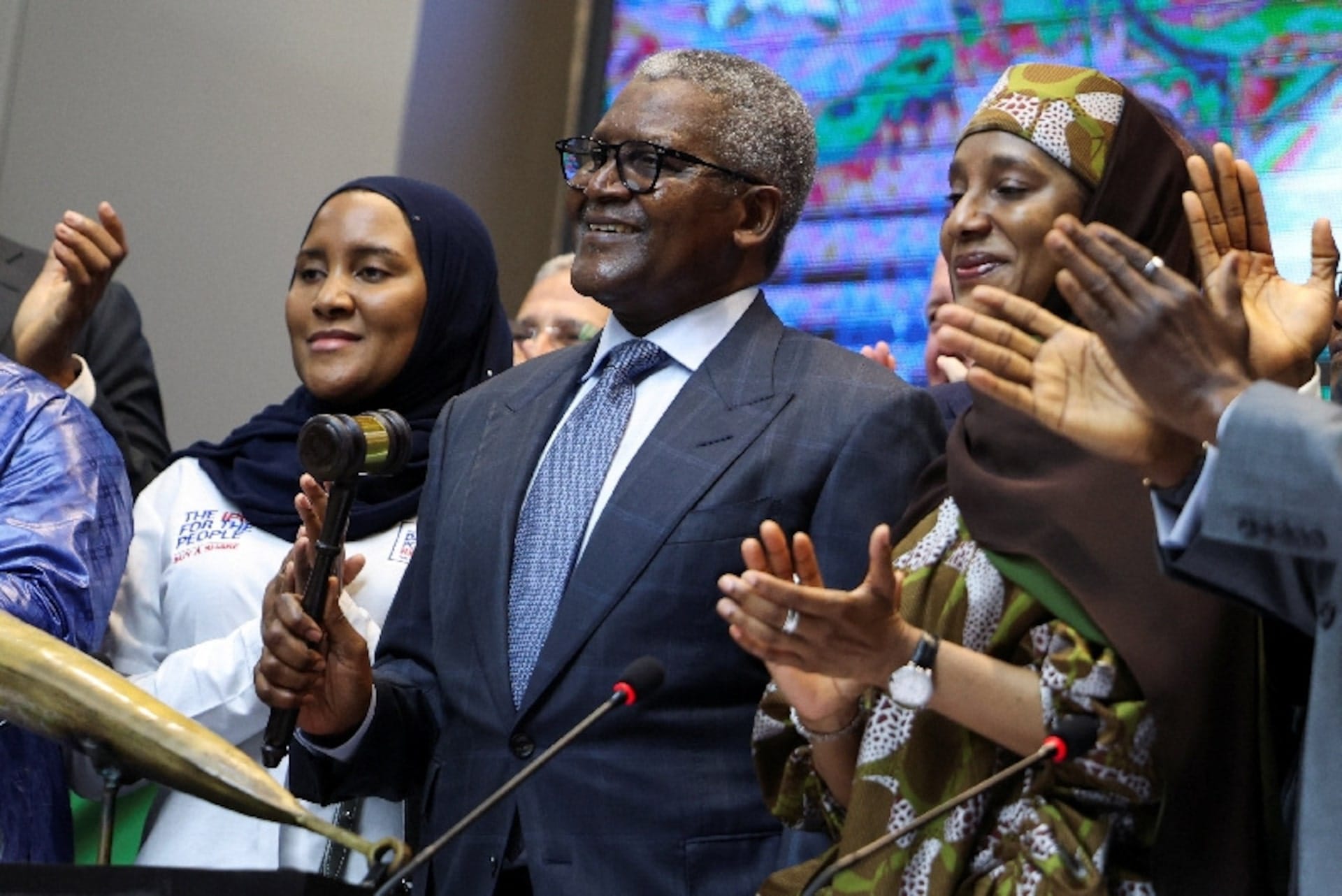
With a minimum order size of around $4, the structure is built for retail scale, and the order book runs to October 13 ahead of a Lagos listing expected in late November. Proceeds would fund an expansion that Dangote says will make the plant the world’s largest single-train refinery by 2028.
According to the IPO prospectus the refinery’s net income reached $1.82 billion in the first half of 2026, compared with a $476 million loss for all of 2025. Surging demand from Europe helped boost sales.
Asia
Pakistan army signs deal with Trump family-backed drone firm
A Florida-based drone manufacturer backed by Trump’s elder sons said on Wednesday that it had signed a deal to sell drones and related technology to Pakistan’s military, the FT reports. The deal, reportedly negotiated with Pakistan’s army chief Asim Munir, includes plans to localize manufacturing in the South Asian nation.
The company’s founder, Brett Velicovich, described the arrangement as an opportunity to decrease Pakistan’s reliance on China, which has historically been the largest supplier of arms to Pakistan.
- Pakistan eyes bigger credit line with China (Reuters)
Since Trump took office Pakistan has sought to move closer to the US, including by forging deals with his family’s businesses. In January, Pakistan signed a memorandum of understanding with a little-known company affiliated with World Liberty Financial, the crypto firm partly owned by the Trump family.
Vietnam prepares for deal frenzy as leader visits New York
Vietnam is expecting its companies to sign a flurry of agreements with American energy, tech, aviation and financial firms as its leader To Lam visits New York next week, Reuters reports.
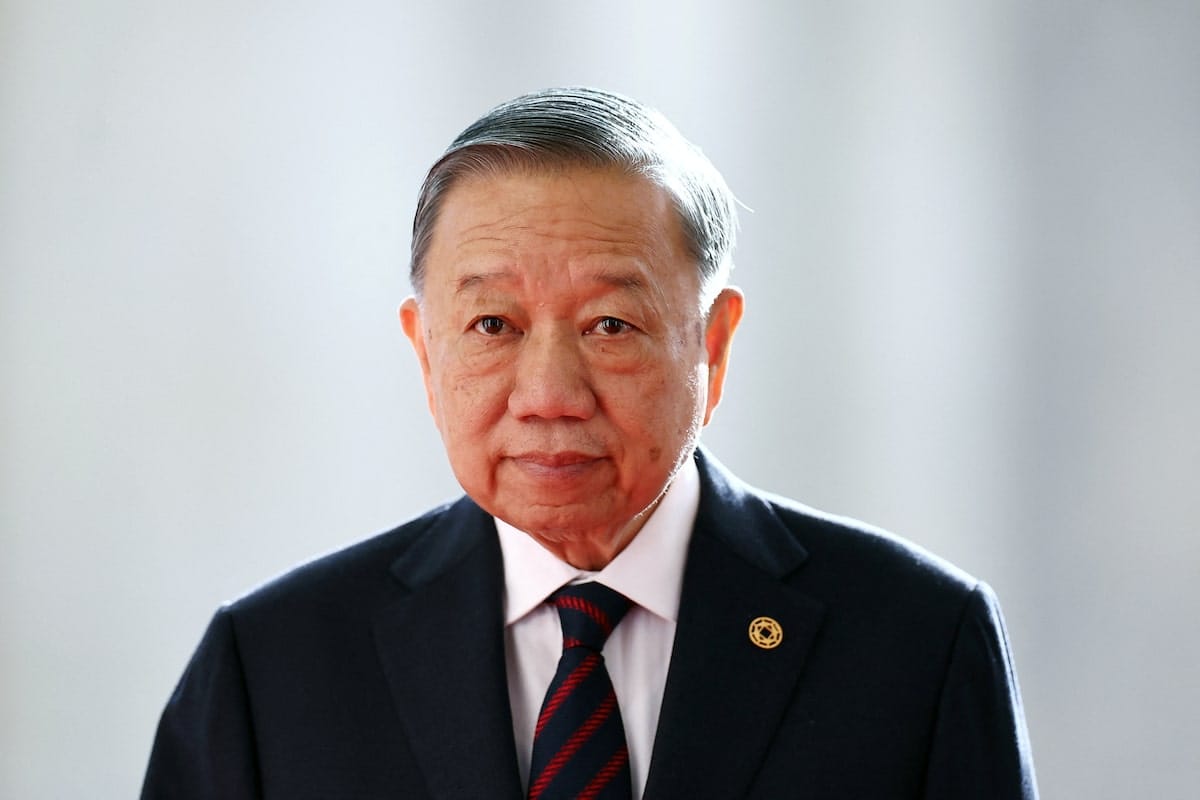
As its trade surplus with the US grows to record levels, Vietnam has sought to use business ties to keep the Trump administration from imposing higher tariffs. Oil companies including Chevron and ExxonMobil are expected to announce deals next week with Vietnam’s state-owned energy giants, according to Reuters. Other companies signing agreements could include SpaceX, Boeing, Meta, Qualcomm, and Visa.
- Vietnam delays north-south bullet train project by a year (Nikkei)
After To Lam leaves the US he will head to Canada for a state visit. Last week he visited France and Russia.
Malaysia proposes deal to return Rohingya refugees to Myanmar
Malaysia’s Prime Minister Anwar Ibrahim said on Wednesday his country would host Myanmar’s junta-chief-turned-president for an official visit if the wartorn country agrees to the return of thousands of refugees, Reuters reports.
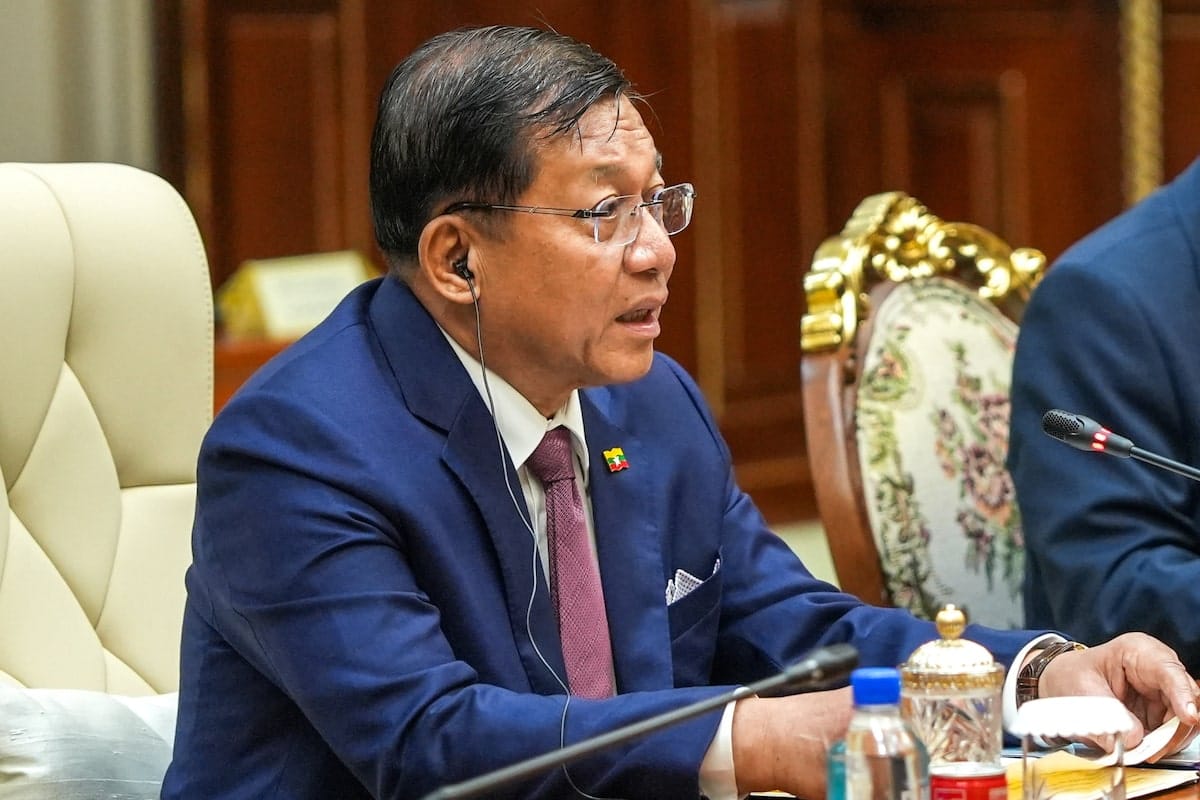
Malaysia hosts more than 100,000 Rohingya Muslim refugees from Myanmar, many of whom fled persecution in the run up to the country’s civil war. While it has no plans to formally recognize the government of Myanmar’s president, Min Aung Hlain, Ibrahim is looking for a way to negotiate the return of the Rohingya.
- Norwegian telecom giant accused of aiding crimes against humanity in Myanmar (FT)
- Myanmar frees detained US businessman (AP)
Min Aung Hlain, who took power in a 2021 coup, is seeking regional legitimacy for his regime by touring capitals in Southeast Asia. Over the past several months he has visited Cambodia, Laos, Thailand and Vietnam.
Middle East
Largest protests since Assad erupt in Syria over fuel price increases
Syria this week saw the largest protests since the Assad era, as the worsening global energy-price shock threatens to derail its economic recovery, Reuters reports. Fuel shortages prompted the government to raise diesel prices by 40% last week, triggering widescale protests throughout the country.
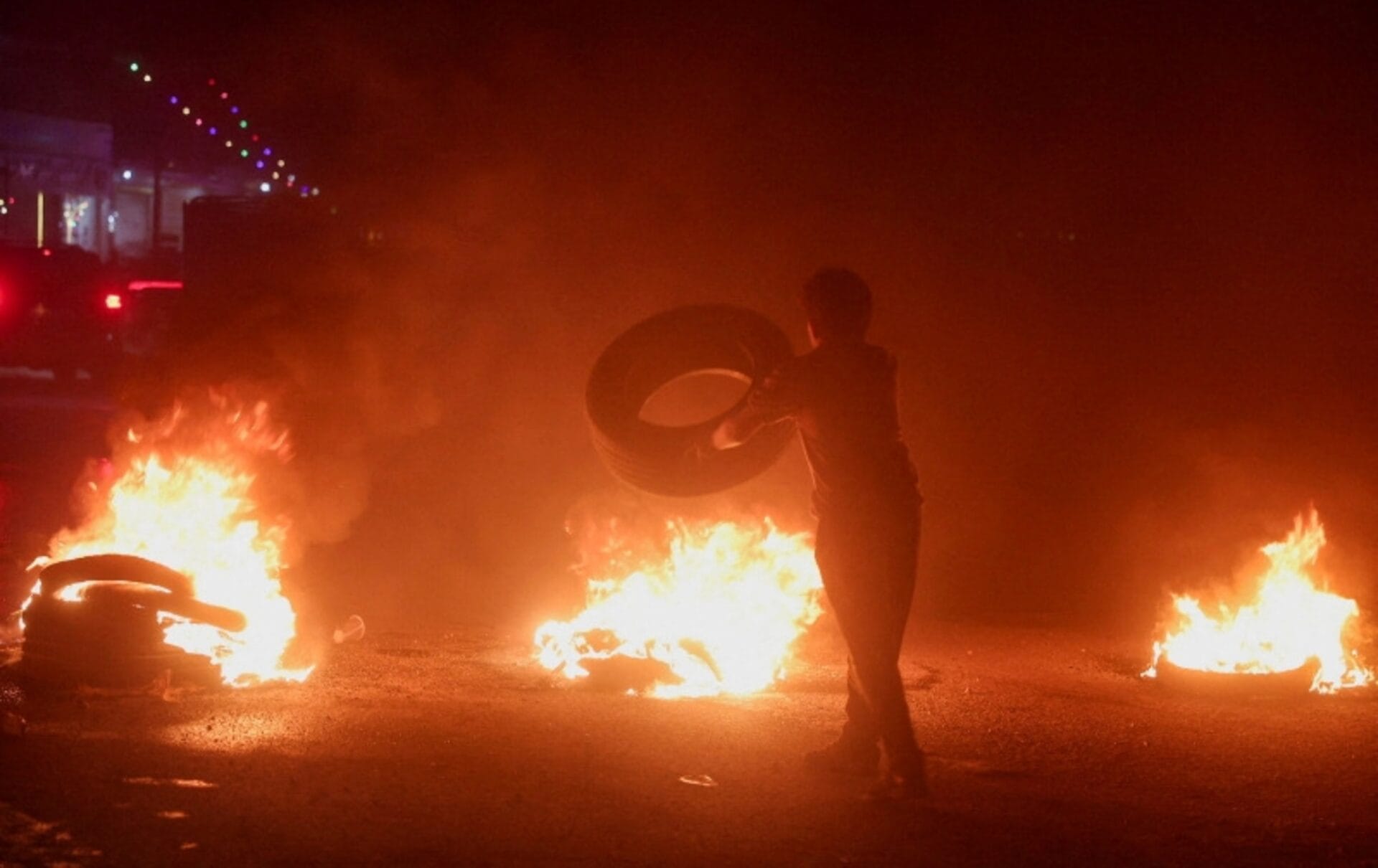
The government claims the increases are a temporary measure due to unexpected shortfalls in Russian export capacity caused by Ukraine’s drone strike campaign, and has rolled back some of the increases for heating and agriculture—a partial retreat that suggests the government fears the situation could get out of hand.
Syria produces just over 100,000 barrels of oil per day against domestic demand of 325,000, and its weak public balance sheet makes it especially vulnerable to supply crunches. The government has announced plans to increase domestic refining capacity, but those plans will not come to fruition in time to resolve the immediate crisis.
Houthi offensive to further strain to Saudi Arabia’s economy
Last week’s successful Houthi counter-offensive against the internationally recognized government in Yemen has thrown Saudi Arabia into crisis, the FT reports. With traffic through the Strait of Hormuz still obstructed by Iran, the Houthi seizure of Yemen’s entire Red Sea coastline, and the major damage to a crucial oil pipeline, Saudi Arabia has had to cut oil exports.
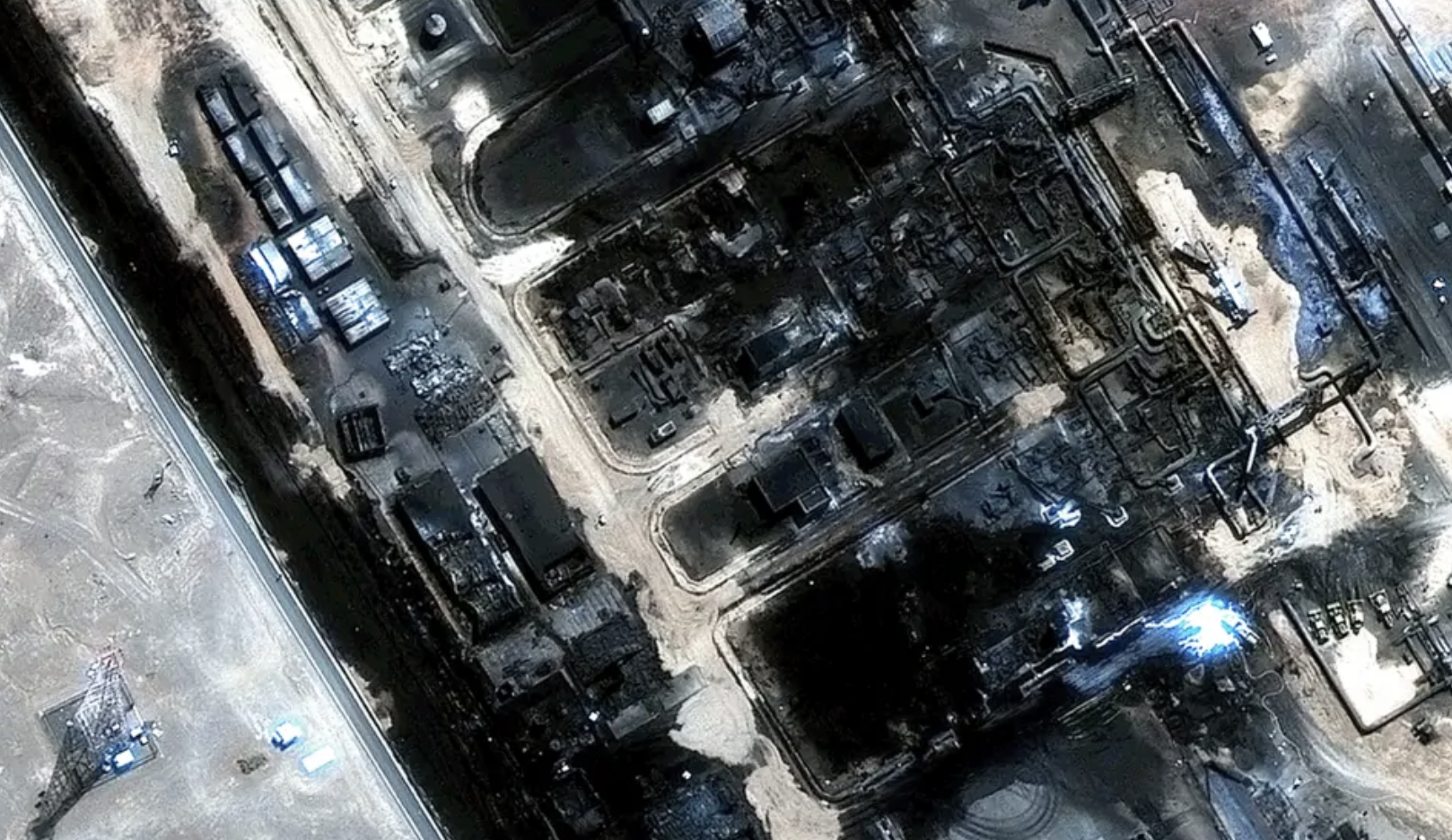
Oil production is at its lowest level in decades, and export capacity is limited for at least six weeks while damaged infrastructure is repaired. The impact of the fighting is pushing Saudi Arabia’s public finances into distress, Bloomberg reports.
The country’s bonds have been among the worst emerging market performers this week as analysts forecast tens of billions in lost revenue and a potential 4.5% hit to GDP. A prolonged crisis could chip away at Riyadh’s creditworthiness as reserves are drained, debt mounts, and FDI expectations go unmet.
Europe
Energy security issues drive Hungary and Croatia to ‘normalize’ relationship
Hungary is increasingly looking to Croatia as a partner in supplying energy as Budapest’s relations with Moscow deteriorate. Hungarian Prime Minister Peter Magyar and his Croatian counterpart Andrej Plenkovic voiced support for a reset of bilateral relations earlier this month after years of disputes involving Croatian oil and gas company INA, which is majority owned by Hungary’s MOL Group.
- EU phase-out of Russian gas creates new diversification opportunities for Central and Eastern Europe (IEA)
Hungary remains heavily dependent on Russian gas and officials in Moscow have recently threatened to halt shipments to Hungary following the expulsion of diplomats.
Eastern European stocks and bonds have banner season
Eastern European sovereign bonds are increasingly outperforming Western peers’ as improved fiscal situations and higher yields draw investors away from heavily indebted Western European issuers, Bloomberg reports. Latvian and Lithuanian government bonds are the best-performing euro-denominated bonds in Bloomberg’s sovereign index this year, while France and Belgium sit near the bottom.
- UniCredit banker sees bigger rally in soaring Polish equities (Bloomberg)
Hungary is a standout since April elections enabled positive economic reform. Foreign-owned Hungarian bonds and bills reached a record high in July, according to Bloomberg-compiled data.
War crimes legacy complicates EU’s Western Balkans push
Kosovo’s former president Hashim Thaci was this week sentenced to 25 years in prison by the Kosovo Specialist Chambers in the Hague after being convicted of war crimes committed during the 1998-1999 Kosovo conflict. Judges found Thaci and three other former Kosovo Liberation Army leaders responsible for arbitrary detention, cruel treatment, torture and murder.
- Serbia’s ‘glorification of war criminal’ Ratko Mladić dents EU ambitions (Euro News)
Officials in Kosovo criticized the verdict, with Prime Minister Albin Kurti describing it as an “unacceptable injustice” and foreign minister Glauk Konjufca calling it a “terrible judgement”, DW reports.
The verdict adds another source of instability to Kosovo just days after Kurti secured a new government with a narrow parliamentary majority following a prolonged political impasse.
Latin America
Colombia tees up record deficit
Colombia’s Congress this week approved a sharp increase in the government’s budget to help cover costs associated with the recent earthquake, Reuters reports. The $200 billion 2027 budget, which is 16% larger than this year’s, could push the country’s fiscal deficit to a record 9.4% next year.
The government plans to cut spending to bring the deficit back to 7.2% of GDP, but says public debt will cover most of next year’s gap.
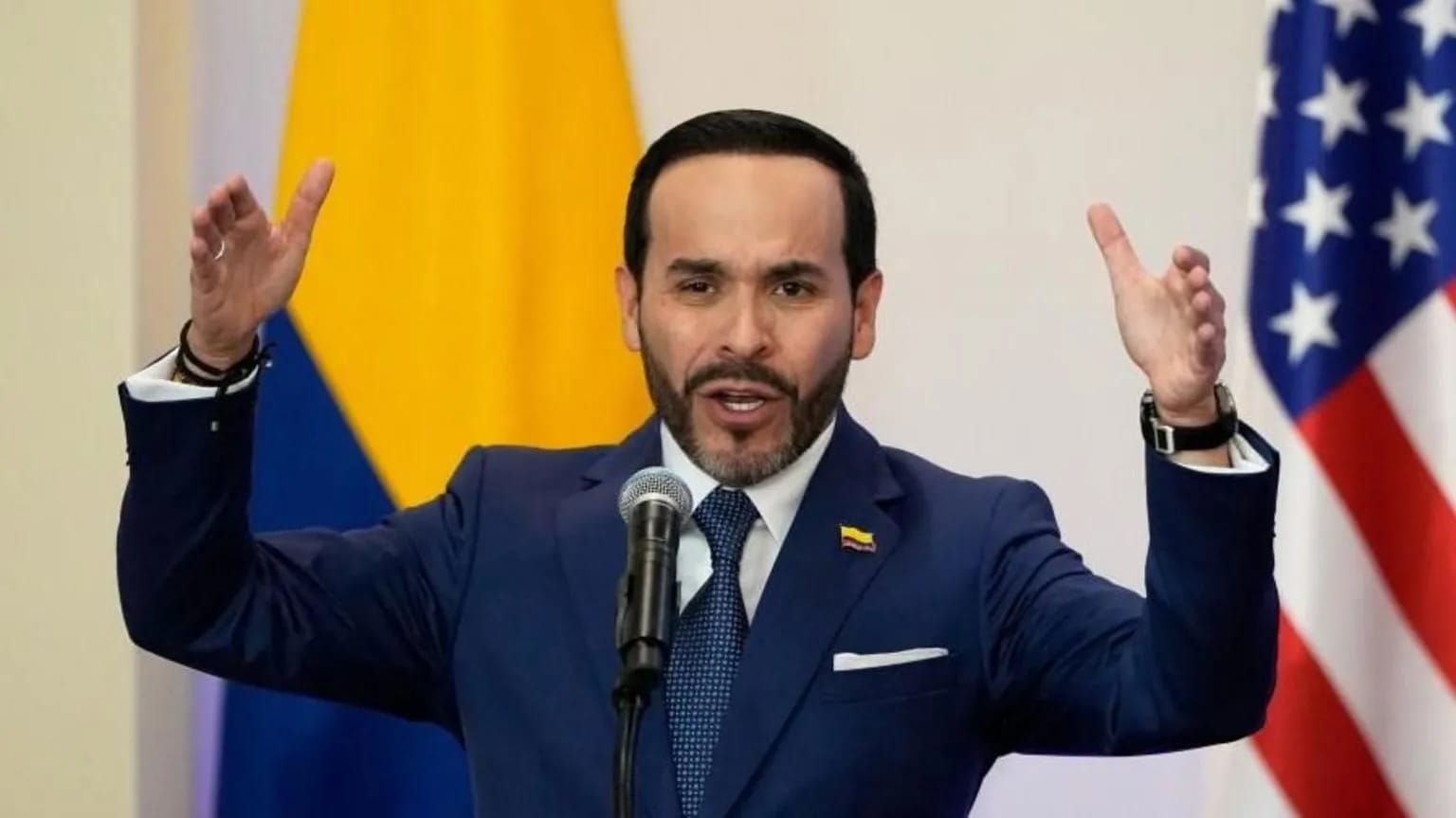
The country’s newly installed President Abelardo De la Espriella also fired Ricardo Valencia after three weeks as head of the statistics agency. Valencia found himself at odds with the president after he said July’s labor data showed no anomalies without a full audit. The move puts official economic data alongside the fiscal outlook at the center of the new government’s dispute with its predecessor.
Jamaica taps debt markets to buy time amid weak revenue
Jamaica closed a $1 billion issue of 6.25% notes due in 2037 while buying back $402 million of bonds maturing in 2028, 2036 and 2039. The liability management exercise shifts part of the country’s external debt further into the future.
About $600 million of the new money has been earmarked for the tender and exchange offer, with $400 million for the government’s budget.
The additional financing room comes as government revenues have run below plan, leaving it to rely on tourism and loan receipts to offset an early fiscal shortfall.
What We’re Reading
Liberia shifts vendor payments to 100% USD (The New Dawn Liberia)
Ethiopia digs in as Egypt draws a red line on Nile dams (Africa Report)
DRC tightens state control over mining data in bid to boost influence over its vast mineral wealth (Africa News)
DRC’s debt ratio hits 97.4% of GDP as borrowing pressures persist (Ecofin)
Rwandan government spending shrinks as GDP grows 9.4% (KT Press)
Almonty and Rwanda form tungsten venture backed by US economic framework (Reuters)
Uganda shilling dips to lowest since 2024 as FX demand soars (Bloomberg)
Thailand pushes for new trade deal with US (Bloomberg)
Bangladesh sentences 7 allies of ousted PM to death (DW)
Amazon AWS says cloud infrastructure in Bahrain ‘beyond saving’ after Iranian strikes (Reuters)
EBRD and EU increase trade finance facilities with Iraq (EBRD Press Release)
IMF calls for replacing management of most Lebanese banks during restructuring process (L’Orient Today)
Turkey moves to liquidate funds at centre of ‘Ponzi-like scheme’ (FT)
NATO jets down drone that entered Lithuanian airspace (BBC)
Ukraine moves to crack down on scam call centers after corruption scandal (The Record)
Russia plays old cards in Balkan elections (Balkan Insight)
Nicaragua’s mining award puts UK political ties in focus (FT)
JPMorgan to launch local currency debt index by month end (Reuters)
We are committed to providing FMN readers with a free weekly digest of politically unbiased, succinct and clear news and information from frontier and small emerging markets.
Please consider becoming a paid supporter to help cover some of our costs and support our continued development of sharp markets-focused coverage and new informational products. Paid subscribers will also gain exclusive access to our EM/FM reports that aggregate insights from dozens of major banks, international institutions and consultancies.

Read next


