

🌍 Frontier Markets News, August 21st 2026
A weekly review of key news from global growth markets

Africa
Hilchelma declared winner in Zambian elections
Zambia’s President Hakainde Hichilema won a second term on Tuesday with a million-vote margin over his challenger, first-time candidate Brian Mundubile, Reuters reports. Hichilema campaigned on a platform focused on growing the economy and stabilizing the country’s finances—essentially continuing his first-term strategy. Zambia had defaulted on its debt in 2020, months before he took office, and he restructured roughly $3bn in Eurobonds, cleared most external debt by late 2025, and steered growth back toward 4%.
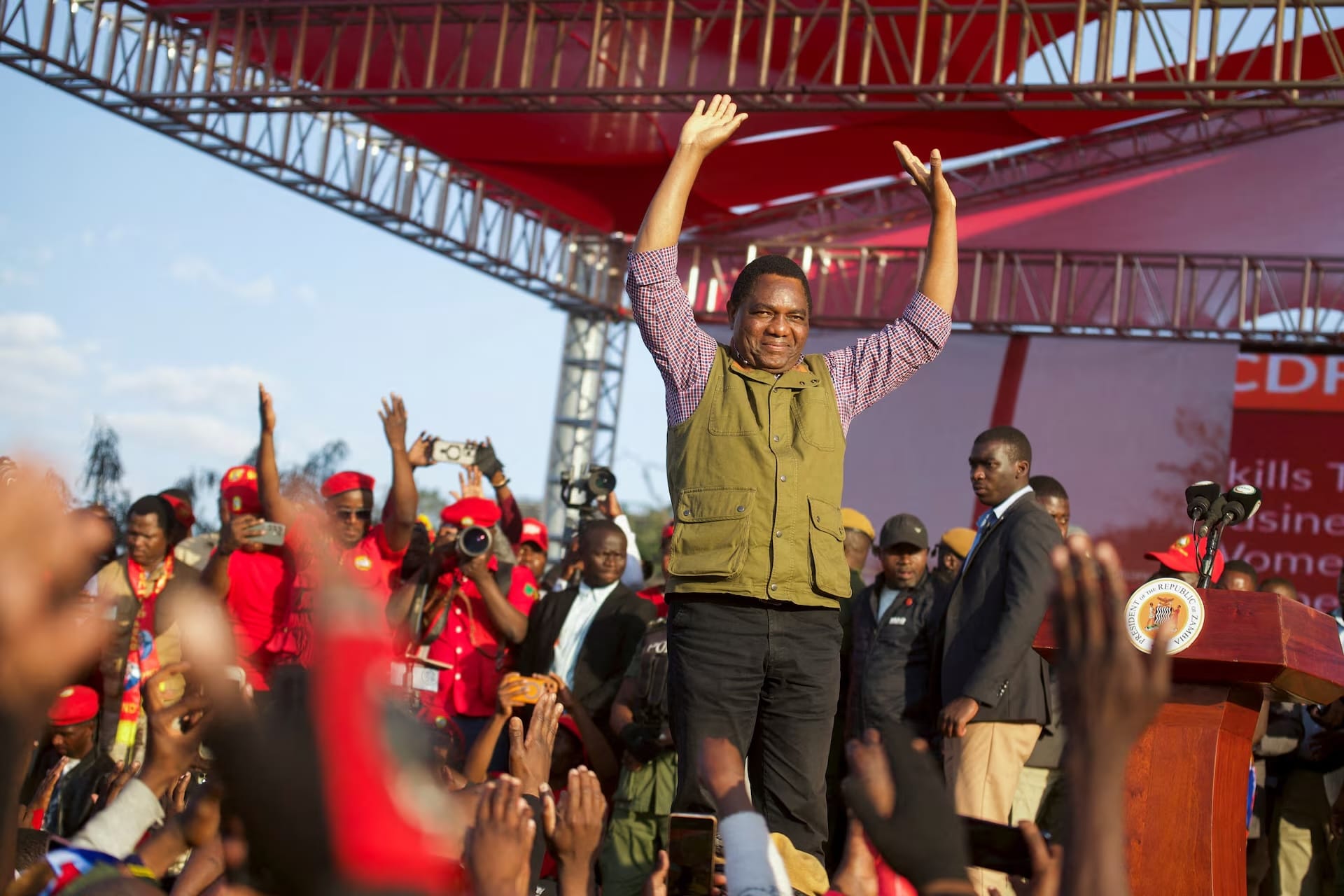
Mundubile’s pitch was that none of the benefits of Zambia’s recovery were reaching ordinary households, where inflation and food prices have kept climbing and poverty sits near 60%. His showing was stronger than expected for a first-time challenger.
Police raided Mundubile’s Lusaka home on election night, and an exchange of gunfire ended with 11 arrests, including some senior opposition figures. Mundubile called the raid an attempt on his life. Officials suspended counting for hours the following day in response to violence against poll staff and alleged ballot theft.
Mundubile has rejected the result and vowed to challenge it in court.
Libya’s west goes dark while the east plays diplomacy
A third grid failure in two days plunged western and southern Libya into darkness on Monday, knocking power plants in Zawiya, Khoms and Ubari offline and halting the Great Man-Made River, the aquifer network that waters much of the country. Protesters in Tripoli’s Tajoura district blocked roads over the loss of power, fuel and water, renewing calls for Prime Minister Abdul Hamid Dbeibah to resign.
The protests are indicative of deeper grievances against the government. At a UN Security Council meeting this week, civil-society representative Nissa Bek described a collapse of faith in the state’s capacity to deliver even basic services.
- Libya and Tunisia bid round launched in billion-barrel, multi-trillion cubic foot play (Upstream Online)
The grid failures follow drone strikes last week that knocked out more than 700MW of power generation capacity at Zawiya and prompted the National Oil Corporation to warn it could declare force majeure on exports.
While Tripoli’s streets filled with protesters, the divided country’s eastern leaders were visiting foreign capitals. Khalifa Haftar, the East’s de facto leader, met Egypt’s President Abdel Fattah El-Sisi in Cairo on Monday; two days later, his son Saddam met Russian President Vladimir Putin in the Kremlin, deepening a relationship the West is straining to counter.
Somalia commences fish exports to China
Somali officials said this week the country will begin exporting fish to China next month under a tariff-free deal, the East African reports. The arrangement, signed in July, folds Somalia into Beijing’s zero-tariff scheme for the 53 African states that recognize it over Taiwan, scrapping duties that ran from 8% to 30%.
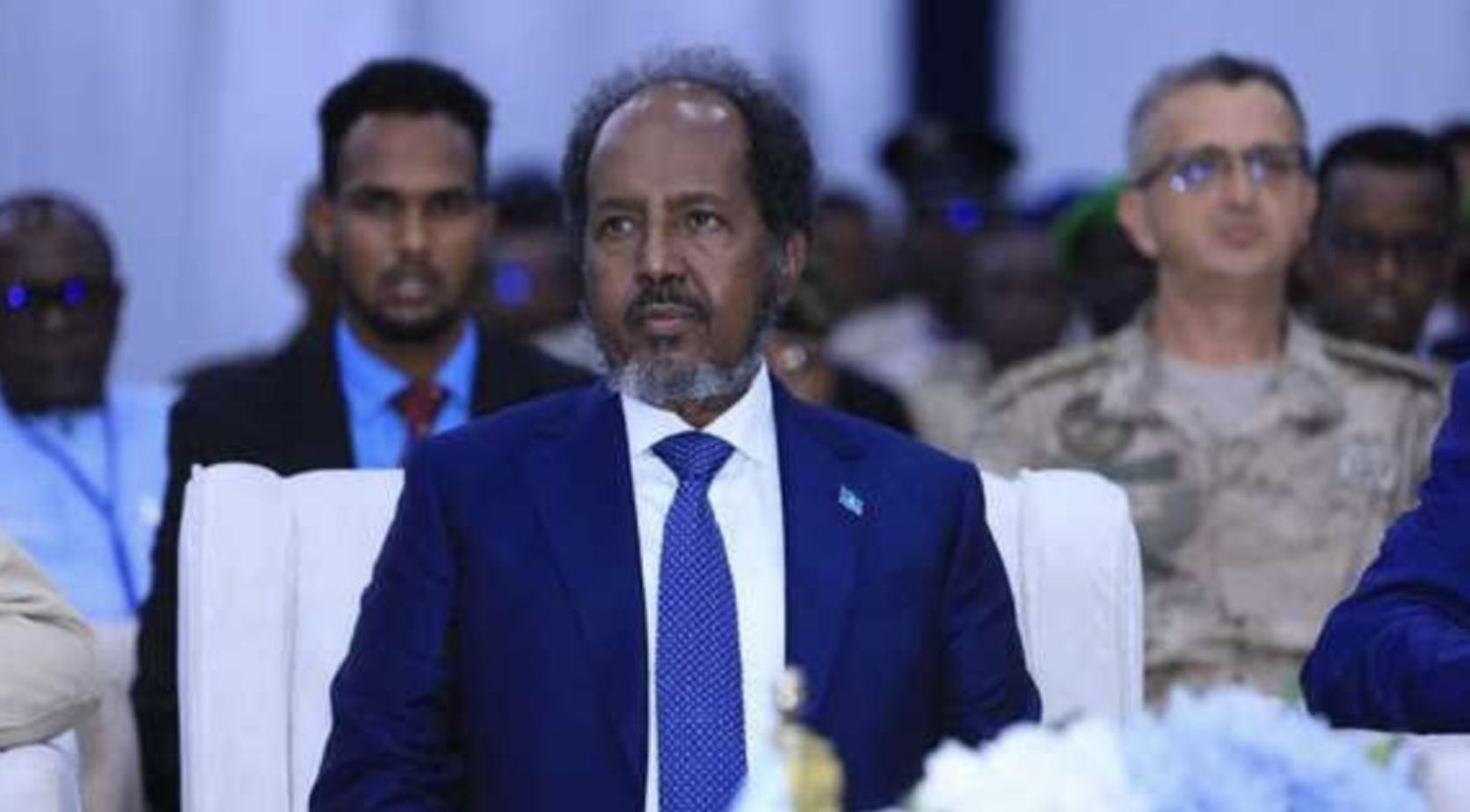
In June, Somalia was among seven African nations that signed the Mombasa Declaration, a transparency pact on vessel registries and catch data aimed at curbing illegal fishing. China, which runs the world’s largest distant-water fleet and tops the global illegal-fishing index, refused to sign it.
Officials called the deal to sell fish to China a boost for the ‘blue economy,’ promising jobs and cold-chain investment. Somalia has struggled to guard its fisheries or to tax the foreign trawlers already working its coast.
Asia
Bangladesh elects new president
Bangladesh’s ruling Nationalist Party consolidated power this week in a presidential election won by its candidate Mirza Fakhrul Islam Alamgir, The Hindu reports. In what was the first contested presidential election since 1991 Alamgir secured the support of 255 of the 349 registered electors, defeating retired army Colonel Oli Ahmed.
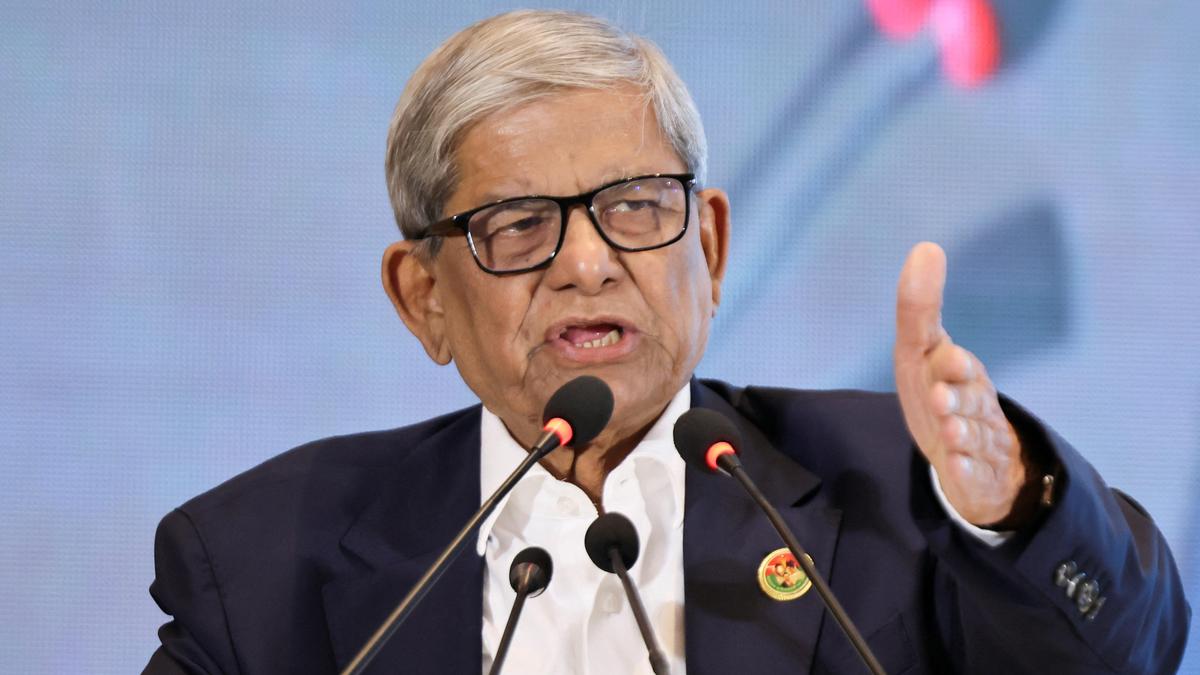
The election comes as the country’s former prime minister Sheikh Hasina seeks to return to return from self-exile. She was ousted by mass protests in 2024 and fled to India. Last November, a court in Bangladesh sentenced her in absentia to death for crimes against humanity related to the killing of protesters.
Starlink launches in Vietnam
Elon Musk’s Starlink internet service announced this week that it will begin offering services in Vietnam.
Hanoi approved a five-year Starlink pilot program in early 2025, as it was preparing to negotiate a trade deal with the US. The approval required Vietnam to waive restrictions on foreign ownership in its satellite sector, Nikkei reports. Hanoi granted Starlink an official telecom license in February.
Vietnam joins Indonesia, Malaysia and the Philippines as other Southeast Asian countries to have licensed Starlink in recent years. The US has also pressured Nepal this month to grant the company a license, according to Nikkei.
Solar soars in Philippines as Iran war dents fuel imports
The US and Israeli war on Iran has led to a boom in solar installations in the Philippines, Nikkei reports.
The country imports 90% of its energy from the Middle East, making it especially vulnerable to shocks created by the closure of the Strait of Hormuz. Energy prices are up 14% since February, according to Nikkei. In March, President Ferdinand Marcos Jr declared an energy emergency due to a shortage of fuel.
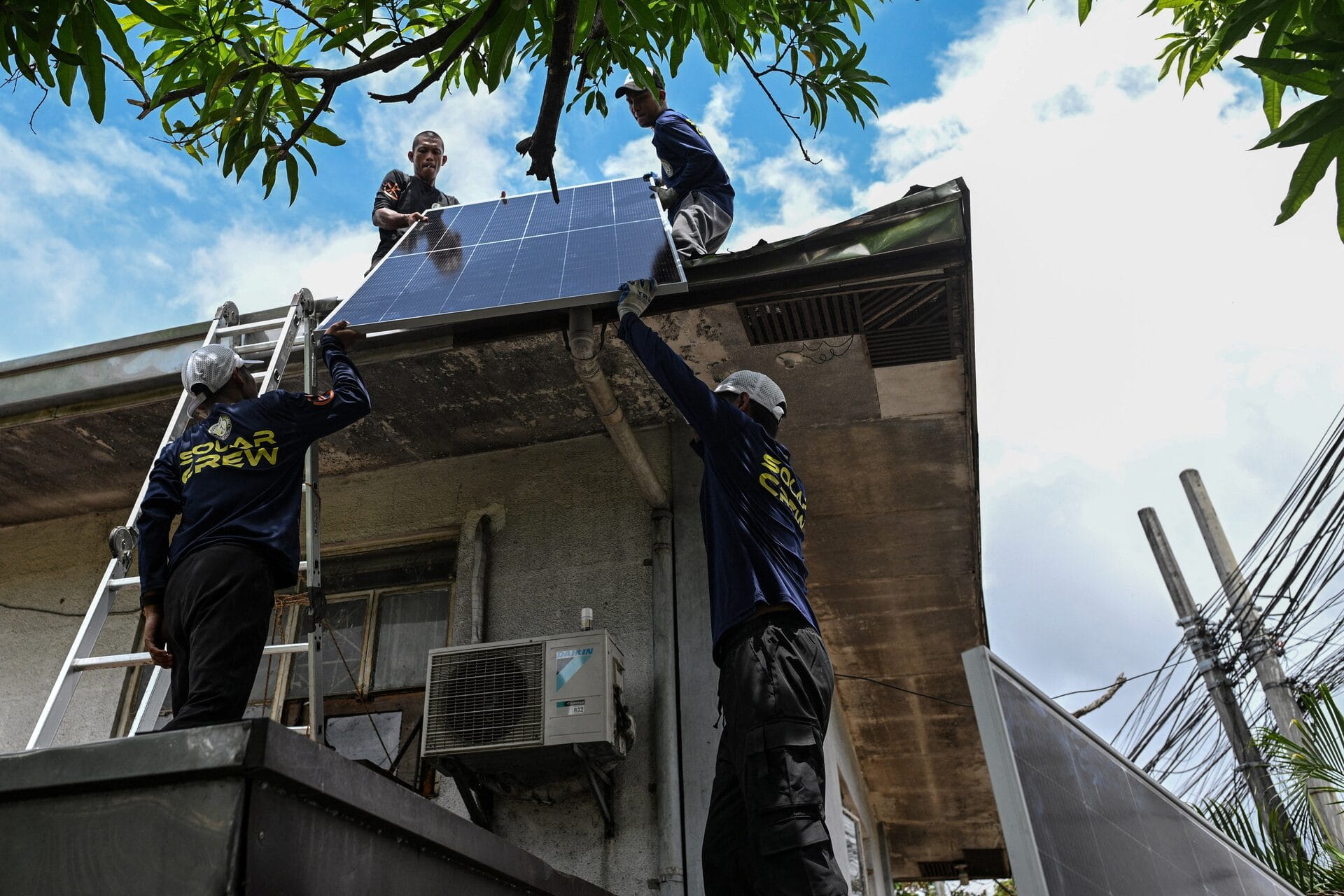
The Southeast Asian country has responded by buying more solar panels from China, the world’s largest exporter. Only the Netherlands has imported more Chinese solar panels this year.
Middle East
Saudi Arabia tightens bank oversight regime
Saudi Arabia this week began placing cross-border transfers to the UAE under a tighter regulatory oversight regime reserved for countries at high risk for illicit financial flows, Reuters reports. Companies are reporting that currency transfers are being stopped or returned, and some have received notification from authorities in Riyadh warning against doing business with UAE firms.
The Saudi central bank denied specific countries were being directly targeted.
The restrictions put UAE in the same Saudi regulatory tier as countries such as Lebanon and South Sudan. Some analysts have linked the crackdown to the growing geopolitical rivalry between Riyadh and Abu Dhabi.
- PIF’s assets shrink by $10 billion (Semafor)
Saudi stock market regulators are also investigating investment banks over what they see as the poor performance of recent IPOs. Officials are reportedly concerned that poor IPO performance is affecting foreign direct investment and other fundraising efforts needed to fund the government’s economic diversification plans.
Europe
Russian attacks dent Ukraine’s economy
Russian attacks on civilian targets in Ukraine including grain-carrying cargo ships, the postal service, and grocery chains reached a record high in July. The targeting of vessels used to transport grain is particularly damaging as it is harvest season. Agricultural goods are Ukraine’s top export category.
- Grain prices surge after Ukraine war chokes off seaborne exports (FT)
Contributing to the increase in attacks is Russia’s awareness that Ukraine faces a shortage of interceptor missiles. The US, which supplies Patriot interceptor missiles to Ukraine, is itself running short because of the war in Iran. More Ukrainian civilians died in July than at any time in the war since May 2022.
Record-low Danube hits freight and power production across Central Europe
Drought continues to hinder commercial river traffic on the River Danube and has made it impossible for ships to reach port in some areas. Serbia’s port of Prahovo lost 45 centimeters of water between July 17 and August 18, Balkan Insight reports.

In Hungary, barges are being intentionally sunk to raise river levels around the country’s Paks Nuclear Power to prevent shutdown. Bulgaria lowered production capacity of its only nuclear power plant by 12% on Friday, the first time capacity has been lowered due to drought since the plant began operating 52 years ago, Reuters reports.
Latin America
Billionaires pile into Argentine oil sector
US oil magnate Harold Hamm is partnering with Swiss trader Mercuria on a multibillion-dollar drilling campaign in Argentina’s Vaca Muerta shale basin, the FT reports. Hamm’s Continental Resources is buying a 50% stake in Mercuria-controlled Phoenix Global Resources, which aims to raise output to 100,000 barrels a day by 2031.
The partners expect to invest $4 billion over five years, giving their venture about 163,000 net acres across six Vaca Muerta blocks.
Separately, billionaire Peter Thiel’s hedge fund invested about $76 million for a 1% stake in Vista, one of Vaca Muerta’s largest producers. Vista produces about 160,000 barrels of oil equivalent per day and has invested more than $6.5 billion in Argentina.
The latest transactions extend a broader rush into Vaca Muerta, where improved pipeline capacity and President Javier Milei’s investment incentives are drawing capital toward oil, gas and export infrastructure.
Ecuador looks to boost Chinese investment
Ecuador’s President Daniel Noboa visited Beijing this week to seek more capital for energy, mining and infrastructure projects, Bloomberg reports. Noboa met China’s Premier Li Qiang and signed agreements with President Xi Jinping covering clean energy, AI-based climate forecasting and trade.
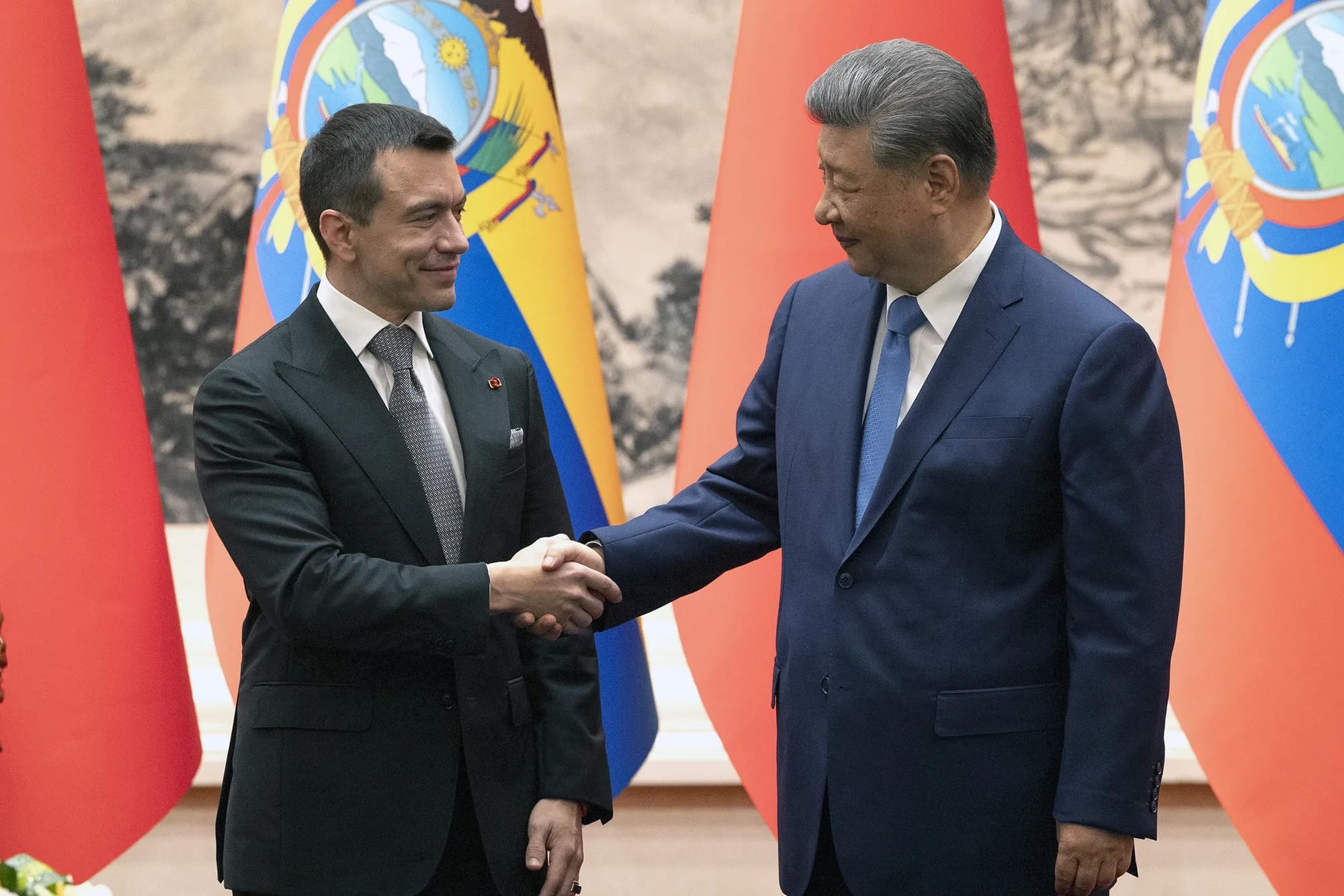
The trip shows the limits of the Trump administration’s effort to push Chinese capital out of strategic sectors in the Americas. Noboa remains closely aligned with Washington on security but Chinese firms continue to expand across Ecuadorian mining and its consumer market.
Peru’s new government is striking a similar balance. Prime Minister Luis Galarreta told lawmakers that Lima will bring its free-trade agreement with Hong Kong into force this year and promote Peru as a trade and investment bridge to the Asia-Pacific, the South China Morning Post reports. The government’s first policy program did not mention China or the Chinese-operated Chancay megaport, however, despite China’s remaining Peru’s largest trading partner and a major investor in mining, power and infrastructure.
What We’re Reading
Côte d’Ivoire reshapes its cocoa model to capture more value (Ecofin)
Nigeria kicks off election race with president in pole position (Bloomberg)
Senegal raises fuel prices to keep subsidy costs in check (Semafor)
Zimbabwe’s president packs senate with allies (Bloomberg)
Ethiopia blows through billions of dollars as currency sinks (Bloomberg)
Ninety One closes $404mn Africa credit fund targeting companies and infrastructure (Ecofin)
Kazakh tenge soars as foreigners pile into government debt (FT)
Kazakhstan to hold snap elections as president seeks to consolidate power (Reuters)
Myanmar leader visits Russia (AP)
SE Asia IPOs raised $3bn in first half of this year (Nikkei)
EBRD and Al Mansour Bank for Investment boost trade finance in Iraq (EBRD Press Release)
African sukuk issuers urged to tap into high GCC liquidity (Zawya)
Hungary’s Magyar is racing to dismantle Orban’s corrupt regime (Bloomberg)
Poland shifts tax burden from individuals to companies (Reuters)
Romania has over €2.5bn of RRF funding at risk as deadline approaches (Intellinews)
Latvian officials resign after cyberattack exposes data on 1.2mn people (The Record)
Hong Kong ports operator seeks $1.5bn in damages from Panama (AP)
US refineries taking in half of Venezuela’s oil output, official says (Al Jazeera)
Uruguay holds interest rates steady with inflation below target (Bloomberg)
Bolivia lawmakers aim to force economy minister’s removal (Reuters)
Peru mine halt and Chilean storms add to copper supply struggles (Bloomberg)
Argentina’s economy expanded faster than expected in June (Bloomberg)
We are committed to providing FMN readers with a free weekly digest of politically unbiased, succinct and clear news and information from frontier and small emerging markets.
Please consider becoming a paid supporter to help cover some of our costs and support our continued development of sharp markets-focused coverage and new informational products. Paid subscribers will also gain exclusive access to our EM/FM reports that aggregate insights from dozens of major banks, international institutions and consultancies.

Read next


