

🌏 Frontier Markets News, October 9th 2026
A weekly review of key news from global growth markets

Africa
African Union launches rating agency to counter ‘prejudice’ against continent
The African Union this week launched the Africa Credit Rating Agency, an attempt to counter a perceived bias against African credit among global ratings firms, Reuters reports. AfCRA will be based in Mauritius and will rate governments, financial institutions and companies.
Twenty-three of the AU’s 55 members have no rating from Moody’s, S&P or Fitch, and only three hold investment grade. Less than 5% of Africa’s roughly $4 trillion capital market carries a rating, according to the AU’s peer review body.
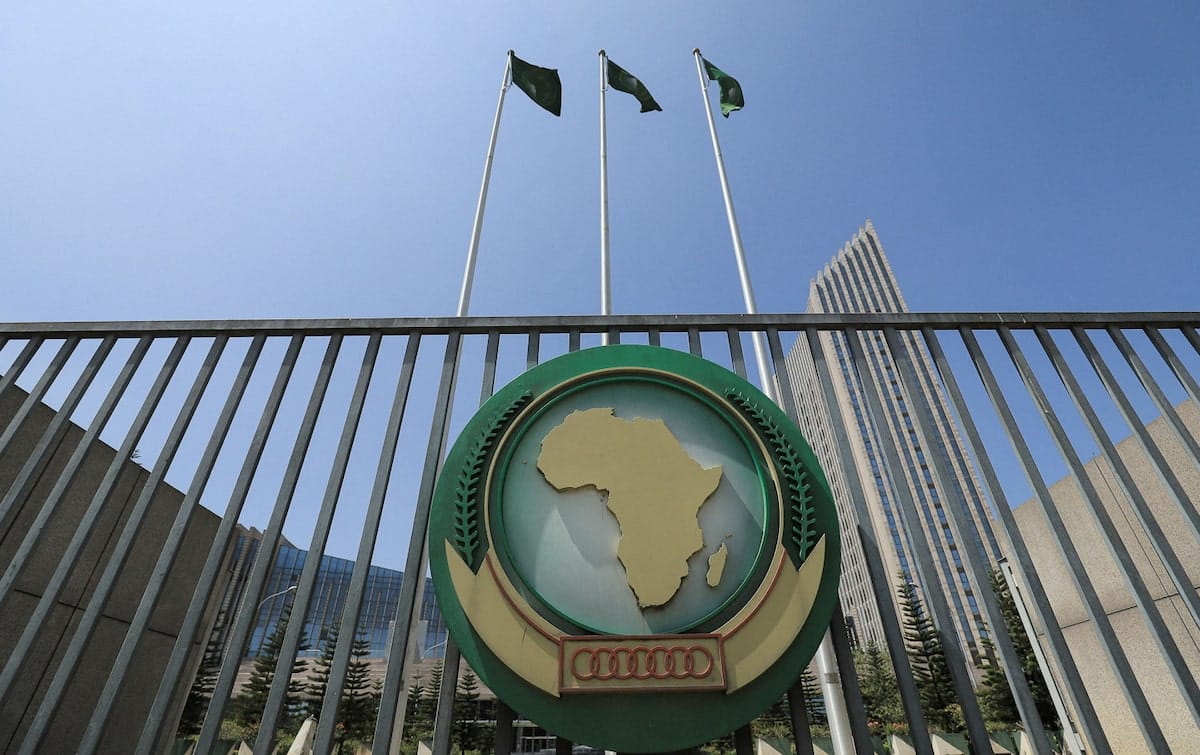
AfCRA’s sponsors have not yet named its shareholders, chief executive or board, and it still needs to obtain a license from Mauritius’ regulator. Its own commission chair, Mahmoud Ali Youssouf, cautioned that the organization will not significantly cut the cost of capital in the short term.
Ethiopia tells Eritrea to quit Tigray as Abiy renews push for the sea
Ethiopia has demanded that Eritrea pull its troops out of the northern Tigray region, days after federal forces retook the regional capital from Tigrayan rebels. “All foreign forces operating inside our sovereign territory must withdraw immediately,” government communication minister Enatalem Melese told Bloomberg, singling out Eritrean soldiers he said were in Tigray.
A pro-government militia commander separately told the BBC that Eritrean soldiers were on the front lines. Eritrea denies backing the Tigray People’s Liberation Front, the party leading the fight against Addis Ababa.
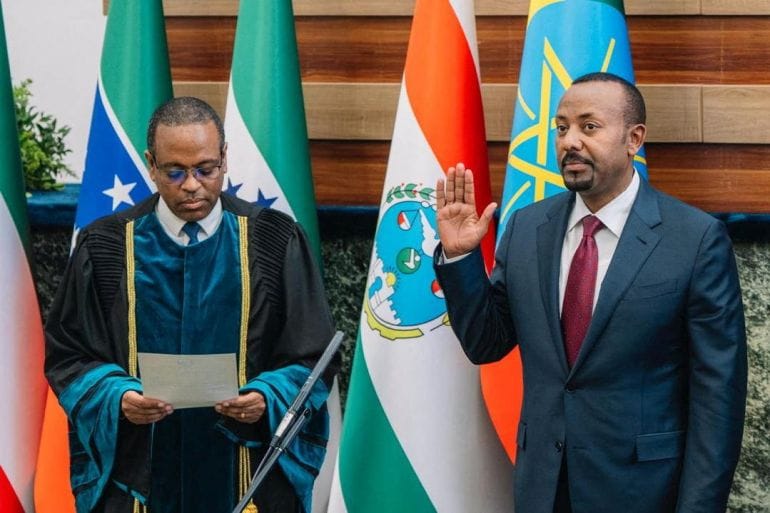
Prime Minister Abiy Ahmed was sworn in for a second five-year term on Monday. He has since told parliament his government would work to secure “an outlet to the sea” for landlocked Ethiopia, without naming a port. Eritrea, Egypt, Sudan and Somalia have already declared control of the Red Sea to be a matter for the states that border it alone. Eritrea, which severed ties with Ethiopia on October 1 and whose troops fought beside Abiy’s in the last Tigray war, has said it fears Ethiopia will try to take its port of Assab by force.
Ghana issues cocoa bills to fund a price well above Côte d’Ivoire’s
Ghana’s cocoa regulator COCOBOD raised 3.39 billion cedis ($288 million) this week in its first sale of cocoa bills since the country’s default, CNBC reports. The debt, which was issued through a new vehicle, Cocoa Capital, pays 11% and matures in June 2027.
It is the first of three tranches in a 16.3 billion-cedi domestic program. Of that, 14 billion is meant to buy the 2026/27 crop and 2.3 billion to refinance old debt. COCOBOD turned to local investors after its syndicated loan from international banks collapsed in the 2023/24 season and a pre-financing arrangement with trading houses fell through last year.
The borrowing will fund a farmgate price of around $3,650 per metric ton, some 75% above the amount Côte d’Ivoire pays. In June the two countries agreed to cooperate more closely over pricing.
Asia
Vietnam’s growing economy draws international investment
Vietnam’s economy grew by almost 10% in the third quarter over the same period last year, according to newly released government data. The growth rate is the fastest this decade, excluding the recovery from the Covid-19 pandemic.
- Vietnam’s offshore gas lures US, Japan and Russia (Nikkei)
Foreign investment is also on the rise, increasing by more than 12% year-on-year through September, Reuters reports. It has been bolstered by several tech companies that could move Vietnam up the value chain. Samsung agreed on Wednesday to invest $5 billion in Vietnamese semiconductor manufacturing by 2028, Nikkei reports.

But Vietnam also has to confront rising import costs, particularly for crucial energy supplies that have been choked by the war in Iran. Vietnam has powered its manufacturing push by importing 11.5% more refined fuels this year than in 2025 but has spent 79% more on them, according to Reuters. On Tuesday the country extended tax breaks on jet fuel and value-added taxes in a bid to keep rising costs from reaching consumers, Nikkei reports.
Myanmar’s charm offensive shows signs of success
When Myanmar’s army seized power in a 2021 coup, the country was suspended from regional bloc ASEAN and the US imposed sanctions on military leaders.
The tide is beginning to turn. Last month the Trump administration quietly began direct talks with Myanmar’s government, which is led by general-turned-president Min Aung Hlaing, Reuters reports.
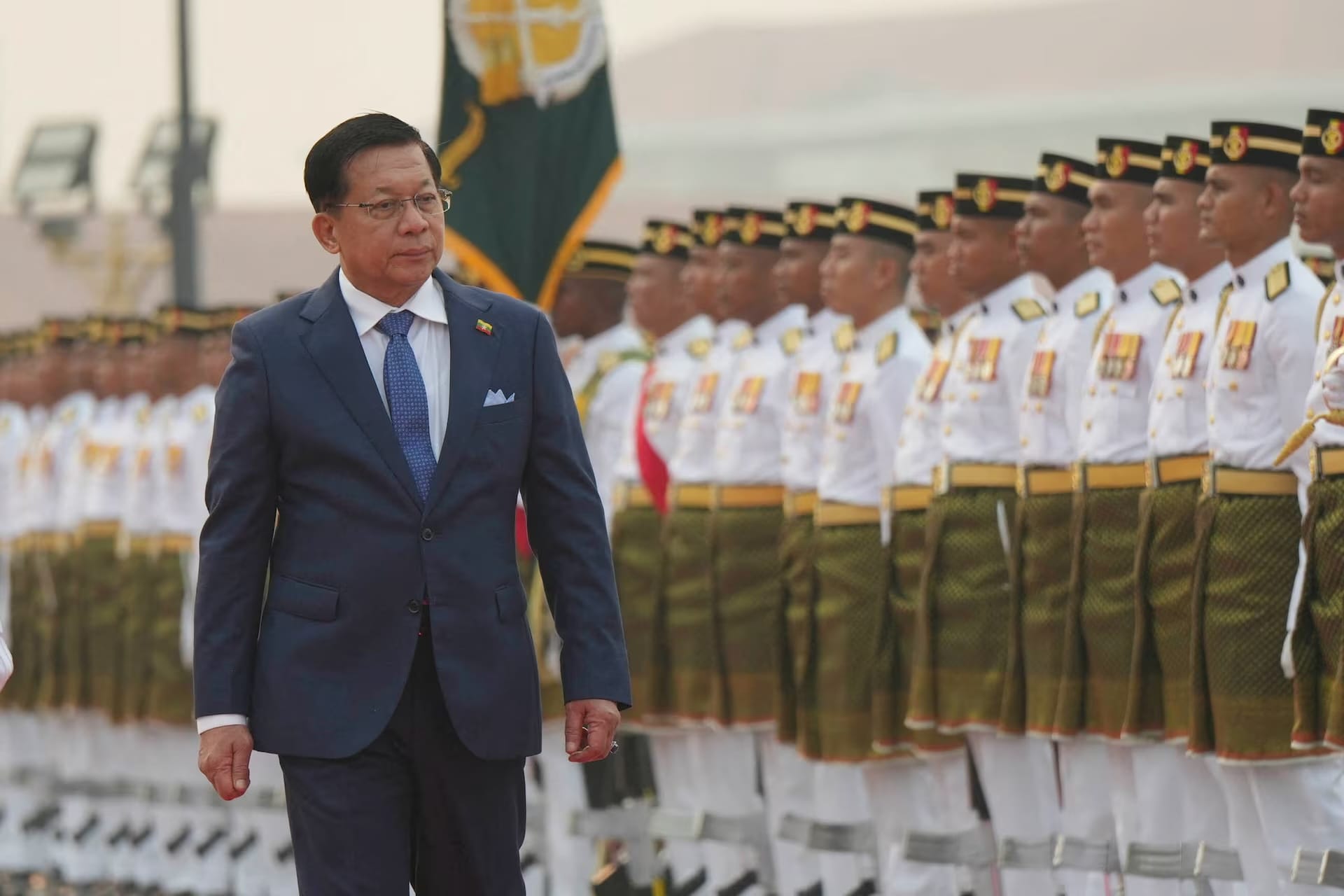
Min Aung Hlaing won an election in January that the UN condemned as “illegitimate.” He has since made several overseas trips, including to China, Russia and Vietnam.
It is not just the US opening up to Myanmar. Shortly after Min Aung Hlaing visited Malaysia this week, Malaysian Prime Minister Anwar Ibrahim said he would vouch for Myanmar with fellow members of ASEAN, the New York Times reports. Myanmar began accepting repatriated refugees—many of whom fled violence and religious persecution—from Malaysia last week.
Middle East
Syria looks to capitalize on oil opportunities
Syria announced an ambitious plan this week to more than double oil production by its state-owned oil company to 250,000 barrels per day by the end of 2027, Bloomberg reports. Syria is negotiating with international majors Chevron, Conoco, and Total, among others, on expanding production and exploration activities for further expansion by the end of the decade.
- Syria funnels assets from Assad cronies into secretive $50bn fund (FT)
- Syria weighs military aid for Saudi Arabia amid Yemen war (Reuters)
The production increase is intended to meet Syria’s domestic fuel demand—diesel demand alone is around 200,000 tons per month—with the remainder for export. Syria currently is reliant on foreign shipments of crude and refined petroleum from Saudi Arabia and trading houses like Trafigura and Vitol, and can only refine some 125,000 barrels per day.
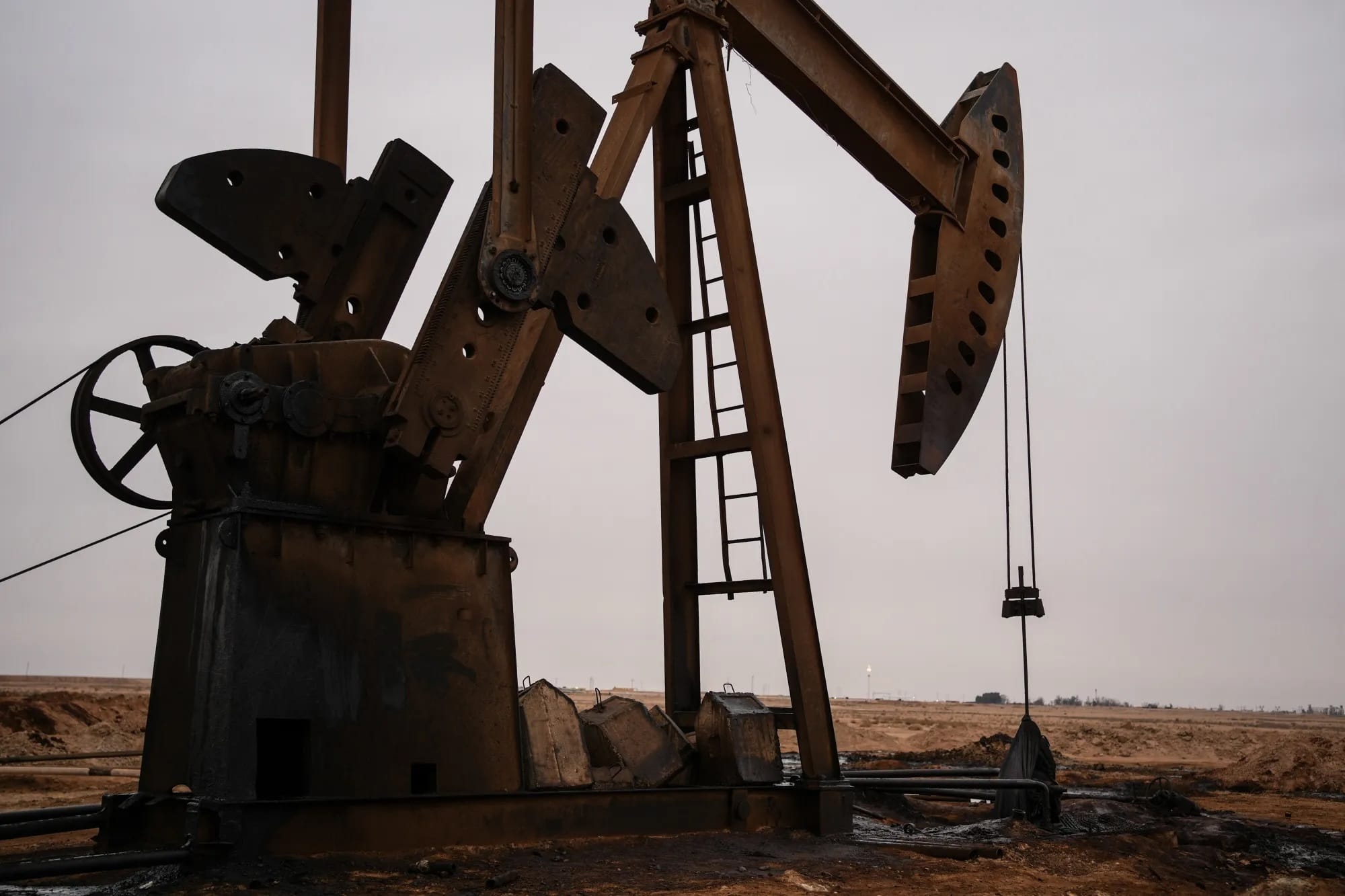
In addition to boosting local production, Syria is looking to capitalize on the closure of the Strait of Hormuz by providing a route for Iraq’s oil exports—some 1,000 trucks per day, each carrying 220 barrels. Syria’s national oil company is to store the oil before export, while talks on rehabilitating an old defunct pipeline continue.
Domestic pressures fail to trim GCC sovereign funds’ investments
Sovereign wealth funds in the GCC are on track to deploy $136 billion in investments this year, with nearly half destined for the US, Semafor reports. The UAE’s Mubadala fund leads the field and is set to deploy 50% more than its recent average annual rate.
The trend is not evenly spread, however, as Saudi Arabia’s PIF is expected to fall short of the five-year average, and funds in Qatar and Kuwait have been burdened by transfers to fund shortfalls in government spending.
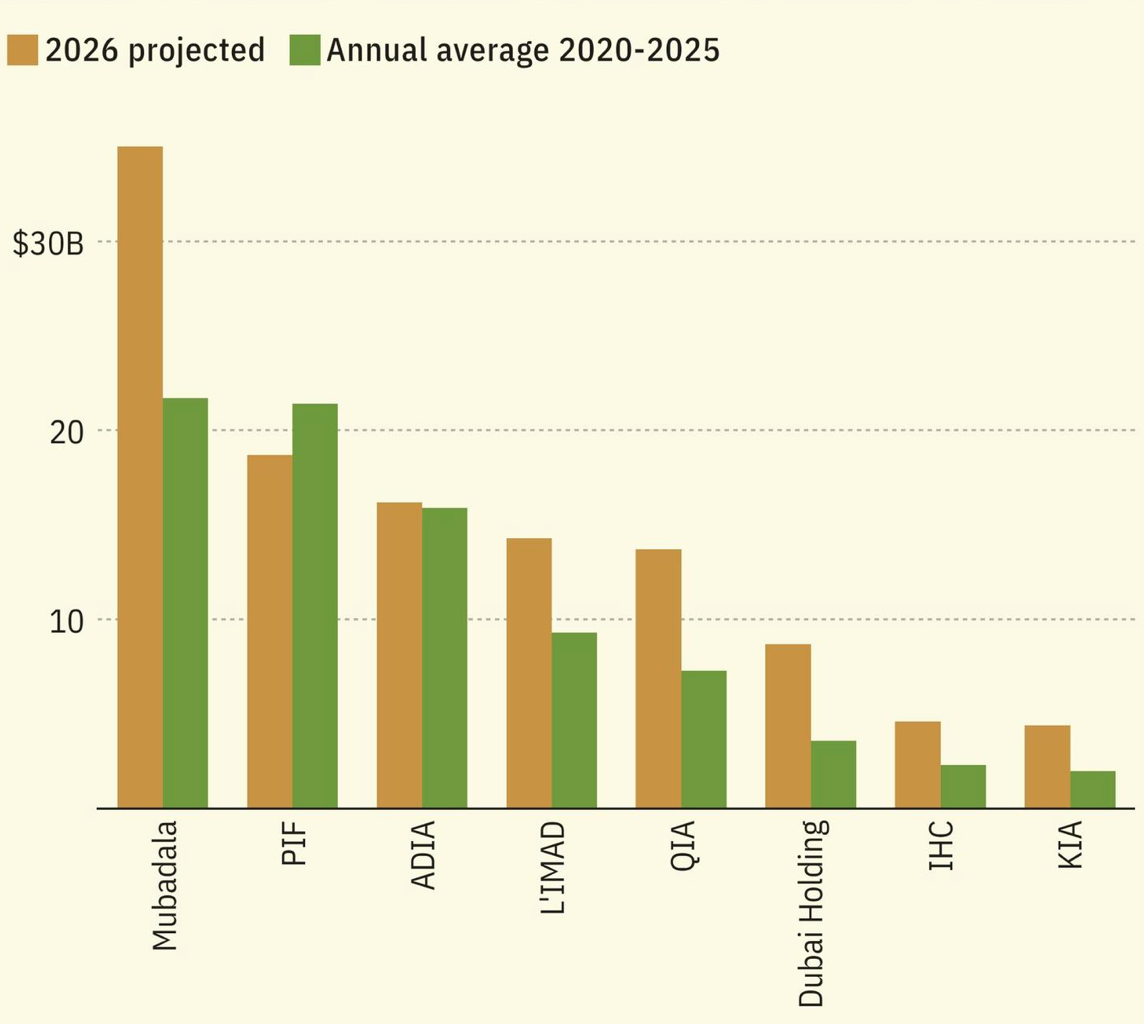
These withdrawals are expected to have a short-term impact on liquidity and regional deal-making, which is headed for a three-year low in activity, AGBI reports. The transfers come as high yields and political risk premia are projected to deter GCC sovereign issuance in the short-term.
Europe
Kosovo ends political crisis with late-night presidential deal
Kosovo’s parliament elected Justina Shiroka Pula, an economist and former energy minister, as president in a late-night session on Tuesday, minutes before a constitutional deadline expired that would have forced the country’s fourth snap election in under two years, RFE/RL reports.
Just prior to the successful vote, Prime Minister Albin Kurti secured a deal with the Democratic Party of Kosovo, the largest opposition party, passing an amendment to curb the powers of the Kosovo Specialist Chambers in exchange for their support for Pula.
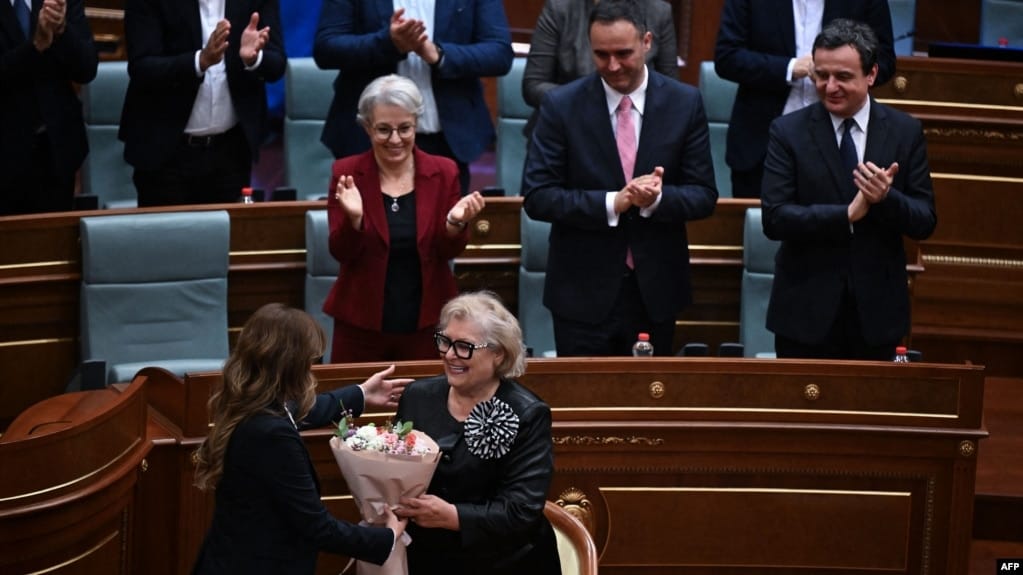
That court last month sentenced former president Hashim Thaci and three other ex-Kosovo Liberation Army (KLA) leaders to a combined 81 years in prison, sparking protests as KLA figures are widely seen as heroes of the independence struggle against Serbia. The amendments narrow the court’s jurisdiction, cap sentences at 15 years and open the door to presidential pardons—changes that the EU says breach Kosovo’s international obligations, although they will not affect the four current convicts’ appeals.
First Belarusian potash shipment in four years heads to US
The first US-bound shipment of Belarusian potash in four years is expected to dock at the Port of New Orleans on October 14, the FT reports. Belarus has long been under sanctions by the EU and the US due to the country’s support of Russia’s war on Ukraine and human rights violations.
In return for the US opening up to trade from the ostracized country, Belarus has released groups of political prisoners, including 25 last month and an anticipated larger number in coming weeks.

While the shipment from Belarus represents a small fraction of US potash imports, the Trump administration is using it to put pressure on Canada, by far the dominant supplier of the material to the US. It is also thought the Trump administration is testing the waters for potentially increasing imports from Belarus in the future.
IMF urges reforms as Central Europe’s growth engine sputters
Central and Eastern Europe’s medium-term growth outlook has fallen to an average of 2.5%—half the roughly 5% pace achieved before its countries joined the EU—IMF regional representative Carlos Mulas-Granados told a conference in Hungary’s capital this week.
Despite the decline, the region’s contribution to the EU’s overall economic expansion has slipped only slightly, dropping from 30% before the pandemic to 27% now.
Mulas-Granados suggested a variety of reforms could help boost growth, including diversifying trade, increasing AI adoption, focusing on energy and defense sectors as growth engines, and increasing labor-market participation by young, elderly and female workers.
Latin America
Paraguay set to double bond sales as spending rises
Paraguay plans to more than double international bond sales next year to finance a wider deficit and clear government arrears, Blomberg reports. Finance minister Oscar Lovera said the government will seek authority for up to 17.4tn guaraníes ($2.9 billion) in dollar and guarani denominated borrowing—up from $1.3 billion this year.
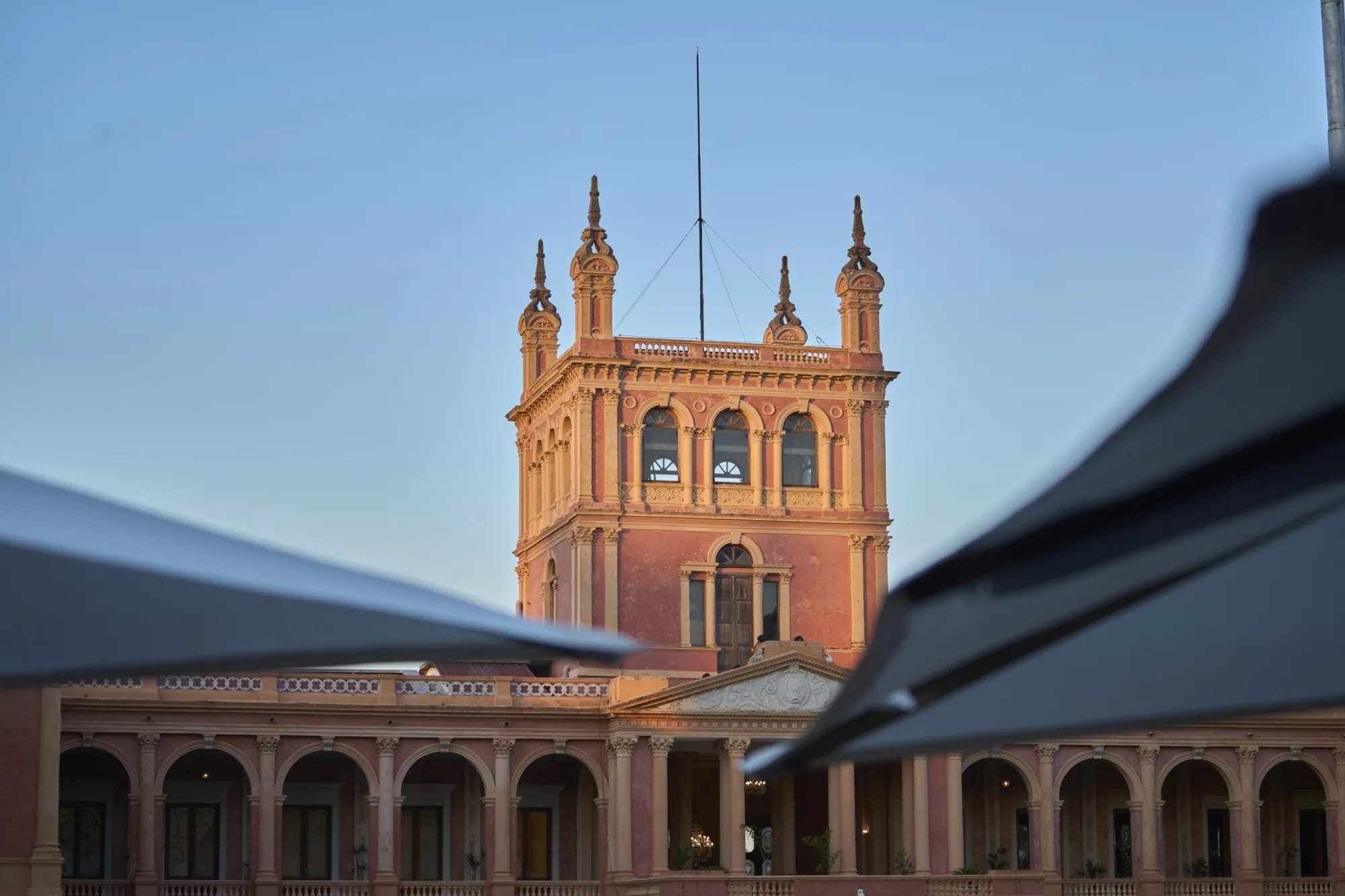
The deficit is projected to reach 3.9% of GDP in 2027, up from 3.2% this year, while arrears to local health suppliers are expected to total about $1 billion by year-end. Fitch retained its BB+ rating and positive outlook last month, but warned that recurring arrears had weakened the credibility of fiscal policy.
The Peña administration is also preparing a new mining code to encourage exploration for uranium and titanium, with ambitions to develop lithium and rare earths. Paraguay hopes to extend the appeal of its low taxes and cheap electricity beyond agriculture, although mineral exploration offers little immediate relief from its financing pressures.
Power crisis undermines Venezuela’s expected investment boom
A deepening electricity crisis is undermining enthusiasm for investment in Venezuela and prompting growing public protests, Al Jazeera reports. Nearly two-thirds of households reported daily power outages this year, up from 37.1% in 2024, fueling anger at the authorities.
An energy specialist told Al Jazeera that power supplies to oil operations couldn’t be rationed without jeopardizing production, leaving homes and businesses bearing the burden of the electricity shortage.

Meanwhile the flow of investment into Venezuela’s resource sector is proving slower than expected. Shell has signed five agreements with Caracas—including for work on the 7 trillion-cubic-foot Loran offshore gas field. But the largest mining groups have stayed on the sidelines, leaving a small and relatively unknown firm—Heeney Capital—to put together a bid for the Choco gold mine and to seek control of the Venalum aluminum smelter.
Costa Rica loses jobs as multinationals pull out
Costa Rica has lost at least 6,000 jobs over three years as multinational companies closed operations, shifted production, or cut local workforces, testing the resilience of the free-trade-zone model, the Tico Times reports. Weak job creation has coincided with slower foreign investment in advanced manufacturing and modern services, while exporters face higher costs and exchange-rate pressure.
Among the companies trimming their exposure to Costa Rica are Intel, Microsoft and Amazon, which have all shed workers or closed plants. The decisions reflect worldwide corporate restructuring rather than Costa Rica-specific pressures, but companies earning dollars and paying local costs in colones say the stronger currency has cut revenues in local terms while increasing the burden of domestic expenses.
What We’re Reading
Algeria projects its power across the Sahel (FT)
Tunisia taps Algerian expertise for 1,400 MW plant (Ecofin)
Tunisia inflation rises to 5.6% as food prices accelerate (Middle East Online)
DRC uncovers $20bn in payments to ineligible mining suppliers (Semafor)
Dubai’s DP World plans $90mn expansion of Angolan port (Africa Logistics Update)
Kazakhstan and Uzbekistan sign deal with UAE to create railway to ports in Pakistan (Times of Central Asia)
Pacific Islands climate fund wins $15mn from Fiji and Ireland (Reuters)
Indonesia orders spending freeze as deficit mounts (Reuters)
FTSE Russell places Oman on watchlist for upgrade from frontier to emerging market (LSEG)
Slovakia sets election-year budget with widest deficit since 2024 (Bloomberg)
US-Ukrainian investment fund seals first critical minerals deal (Reuters)
Hungary set to drop veto on Ukraine and Moldova EU bid progress (FT)
Poland holds rates steady as fuel-price cap curbs inflation (Bloomberg)
Bolivia arrests attorney general after US accuses him of corruption (Washington Post)
Nicaragua says it will withdraw from Central American Parliament (Al Jazeera)
Ships take long way around as drought snarls Panama Canal (Bloomberg)
Colombia launches joint task force to protect pipeline and fight ELN rebels (AP)
US ‘sends hunter-killer drones’ from Africa to Colombia and Ecuador (New York Times)
India discusses boosting crude and critical minerals supply with Ecuador (Oilprice.com)
Peru seen lifting rate for first time since 2023 (Bloomberg)
Chile’s pensions overhaul promises boon for bond market (Latin Finance)
We are committed to providing FMN readers with a free weekly digest of politically unbiased, succinct and clear news and information from frontier and small emerging markets.
Please consider becoming a paid supporter to help cover some of our costs and support our continued development of sharp markets-focused coverage and new informational products. Paid subscribers will also gain exclusive access to our EM/FM reports that aggregate insights from dozens of major banks, international institutions and consultancies.

Read next


