

🌍 Frontier Markets News, October 16th 2026
A weekly review of key news from global growth markets

Africa
Debt swaps hinder Senegal’s race to restructure
Senegal’s bid to quickly restructure its debt is running into delays, Bloomberg reports. People familiar with the matter said the IMF board would “struggle to approve” the $2.2 billion program before year-end while an international audit of the country’s liabilities remains outstanding.
Seeking to avoid the kind of protracted ordeal that Ghana and Zambia went through, Senegal has proposed four creditor committees working in parallel: the multilateral and bilateral lenders, bondholders, commercial banks and regional development institutions. It is targeting an agreement in principle by December.
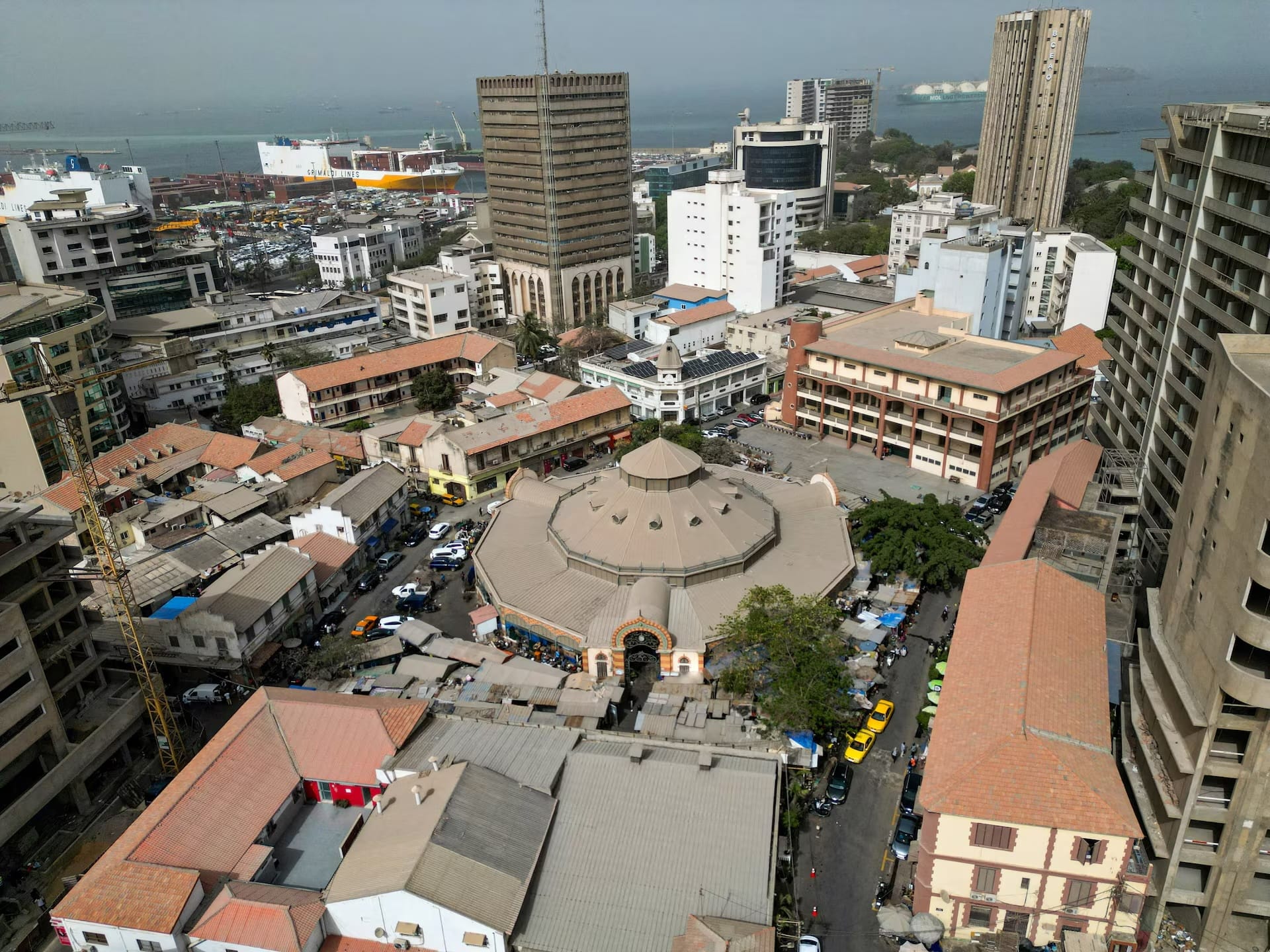
Still unresolved is the treatment of about $1.2 billion Senegal raised through total-return swaps. These are hard-currency loans from lenders including First Abu Dhabi Bank and Africa Finance Corporation, secured on CFA franc bonds.
Dakar is excluding CFA debt from the restructuring, partly to protect West Africa’s regional banks, and bondholders fear the swap lenders could end up ahead of them. On Wednesday the Global Sovereign Debt Roundtable warned that such swaps can “significantly complicate a debt restructuring.”
Mauritius imposes curfew as water protests intensify
Mauritius on Wednesday extended a night curfew covering roughly a third of the island to Friday morning, after protests over water shortages and the high cost of living escalated this week, Arab News reports.
Protests over water shortages and living costs began peacefully last week, but turned violent after a police officer shot and wounded 27-year-old Elodie Thomas at a roadblock. Witnesses said he fired without warning, hitting the victim in in the neck.
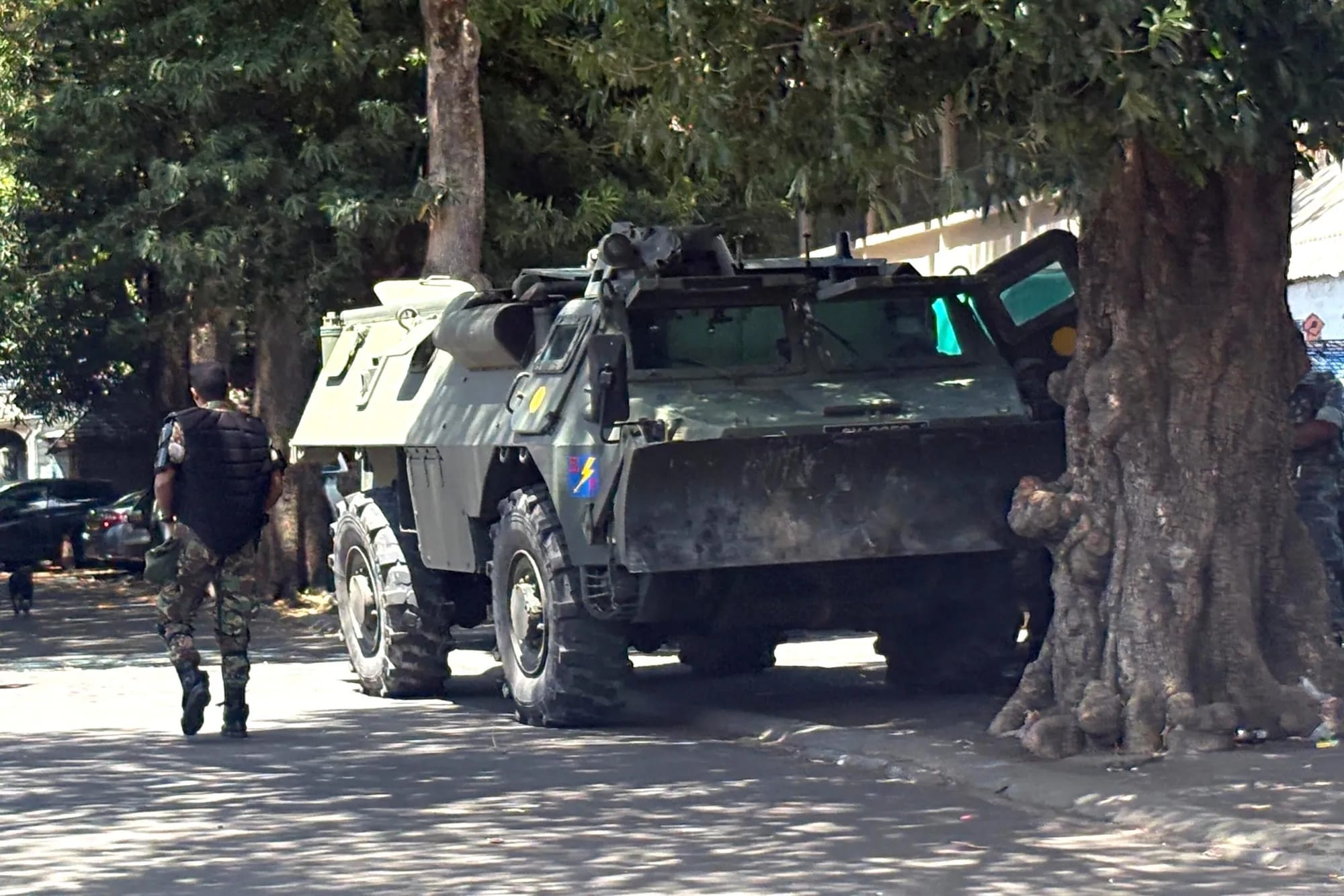
Rioters looted two supermarkets and attacked police stations, and seven officers were wounded. Schools are closed until the end of the week.
Drought has emptied reservoirs in Mauritius, and the Middle East war has pushed up fuel prices. Water shortages are expected to persist until at least December, the start of the rainy season.
Kabila takes charge of DRC’s rebels as 2028 vote hangs in doubt
A former president of the Democratic Republic of Congo, Joseph Kabila, said this week he would lead a coalition of rebel groups aiming to unseat the government of President Félix Tshisekedi, Al Jazeera reports.
The Front for the Refoundation of the Nation, unveiled at Kabila’s home in rebel-held Goma, includes the Rwanda-backed M23 alliance, which has controlled a large part of eastern DRC for the past year. The FRN vows to end “tyranny” in DRC by any means, including force.
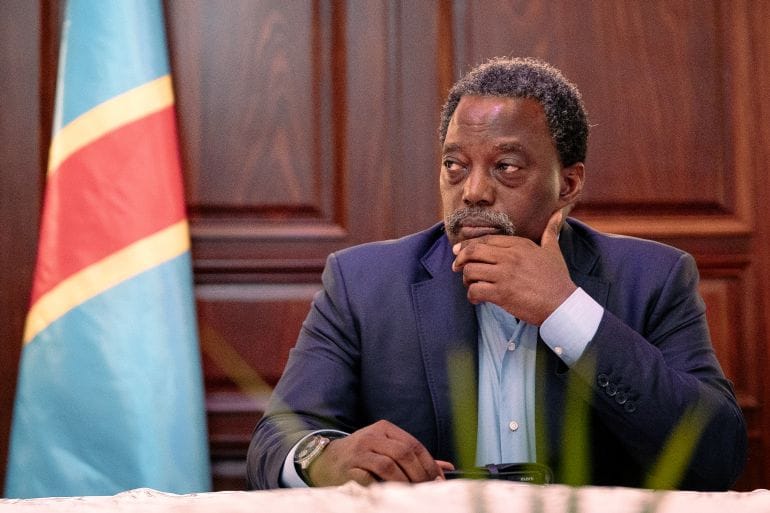
Kabila, who was last year sentenced to death in absentia for treason, had long denied having ties to M23. An analyst at the International Crisis Group told the BBC Kabila hopes to draw in senior army officers and others dissatisfied with Tshisekedi, widening the rebellion “beyond the very narrow political base that the M23 enjoys.”
Tshisekedi said in May the war in eastern DRC could prevent sceduled elections taking place in 2028, adding he would accept a third term “if the people want.” Parliament has since passed a law that could open the way to a referendum on term limits, which the constitution says cannot be revised.
Asia
Pakistan signs deals with Oman as Houthi attacks rattle Gulf
Pakistan and Oman agreed to six deals on Wednesday, as Oman’s foreign minister visited Islamabad during a tumultuous week for the Gulf. The arrangements will create mutual visa exemptions for holders of diplomatic passports and establish working groups related to trade and investment, particularly in oil and gas, according to a Pakistani readout.
They come as Pakistan begins to play a larger role in the Middle East. Last year the South Asian country signed a defense deal with Saudi Arabia, which came under attack from Houthi militants in Yemen this week. Ishaq Dar, Pakistan’s foreign minister, condemned the attacks at a press conference with his Omani counterpart, calling them “totally unacceptable.”
Vietnam preps trade deals with Europe and US
Vietnam, which has grown into one of the world’s major exporters, is hoping to sign trade agreements in the coming days with a group of European countries and the US.
On Sunday, Vietnam expects to sign a deal with a bloc that includes Switzerland, Norway, Iceland and Liechtenstein, Reuters reports. The agreement has been in the works since 2012 but its path to the finish line became slightly muddled after Vietnam arrested a Norwegian national on suspicion of terrorism last month. Norway has said it will raise the matter with Vietnamese officials.
The deal comes as the broader EU looks to Vietnam as a potential supplier of critical minerals to hedge against the risk they will be cut off by China, according to Reuters.
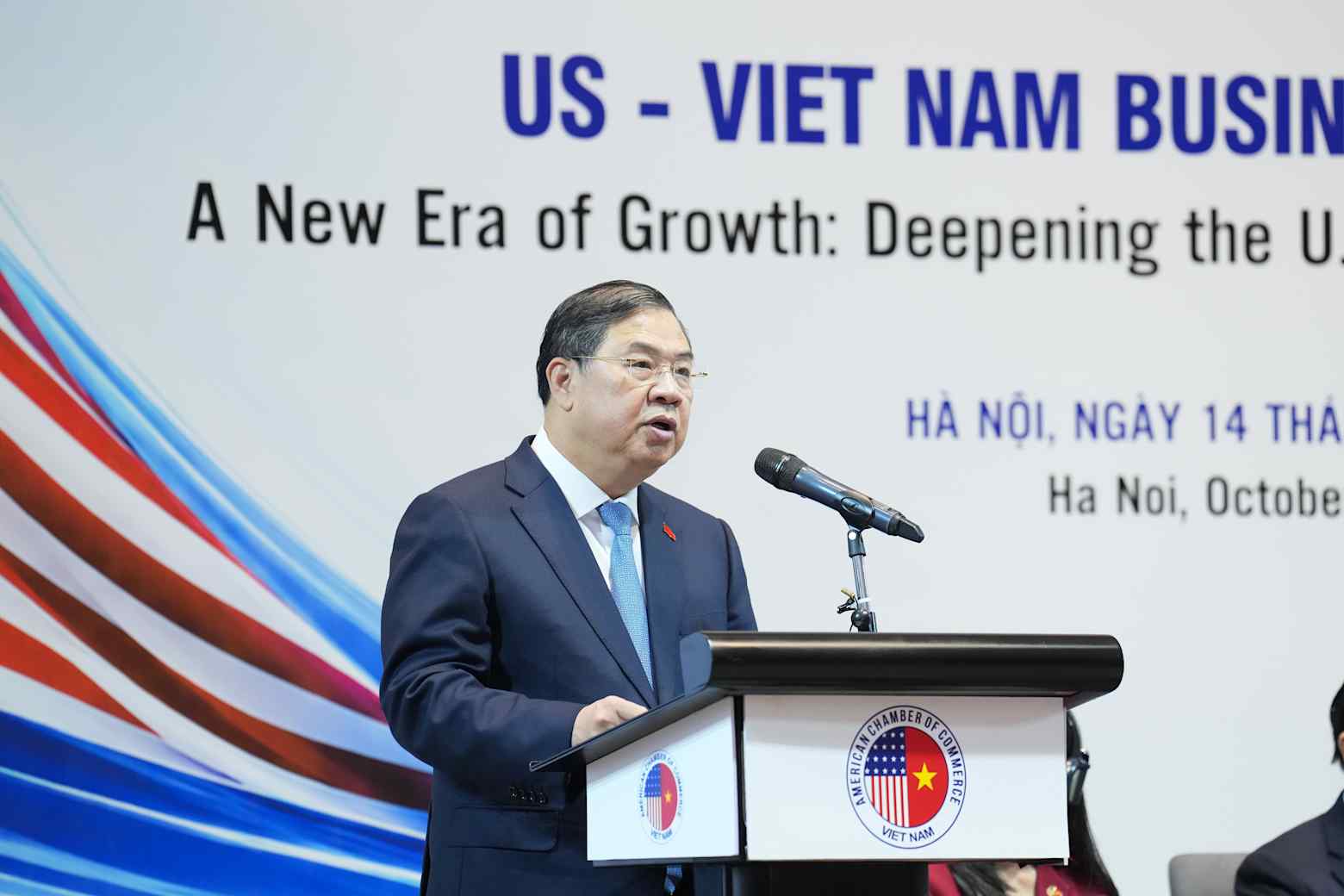
Vietnam is also finalizing a trade deal with the US, Vietnam’s Deputy Prime Minister Pham Gia Tuc said at an event in Hanoi on Wednesday. But in a recorded message at the same event, US Commerce official David Fogel sounded a more cautious tone, saying only that he is “hopeful” the two countries could reach a deal.
IMF and World Bank unveil plan to fight cybercrime
The IMF and World Bank launched a program at their annual fall meetings this week to address soaring levels of cyberfraud.
The so-called Bangkok Blueprint, named for this year’s host city, calls for regulators to design policies that identify vulnerabilities and mitigate cyber-risk. Many criminal cyberscam groups are based in Southeast Asia, with Bank of Thailand Governor Vitai Ratanakorn saying that Asia accounted for two-thirds of global fraud losses in 2024.
“The region has accumulated valuable experience combating this threat, offering up practical lessons that countries can adapt to their own,” he added.
Middle East
Houthi offensive strikes at Saudi Arabia’s Vision 2030 ambitions
Continued and wide-ranging Houthi attacks on Saudi Arabian airports, oil facilities and cities are prompting a rethink of Saudi Arabia’s ambitious economic diversification program, the WSJ reports. Crown Prince Mohammed bin Salman faces difficult decisions on how to deploy Riyadh’s dwindling air defenses, and analysts expect a significant increase in defense spending that will cut into funding for Vision 2030 megaprojects.
Saudi Arabia is one of the world’s top arms importers, buying advanced fighter jets and missile defense systems and is a regional leader in defense spending. But this week’s attacks have exposed the limits of its expensive military strategy when faced with cheap firepower and motivated enemies fighting on advantageous geographies.
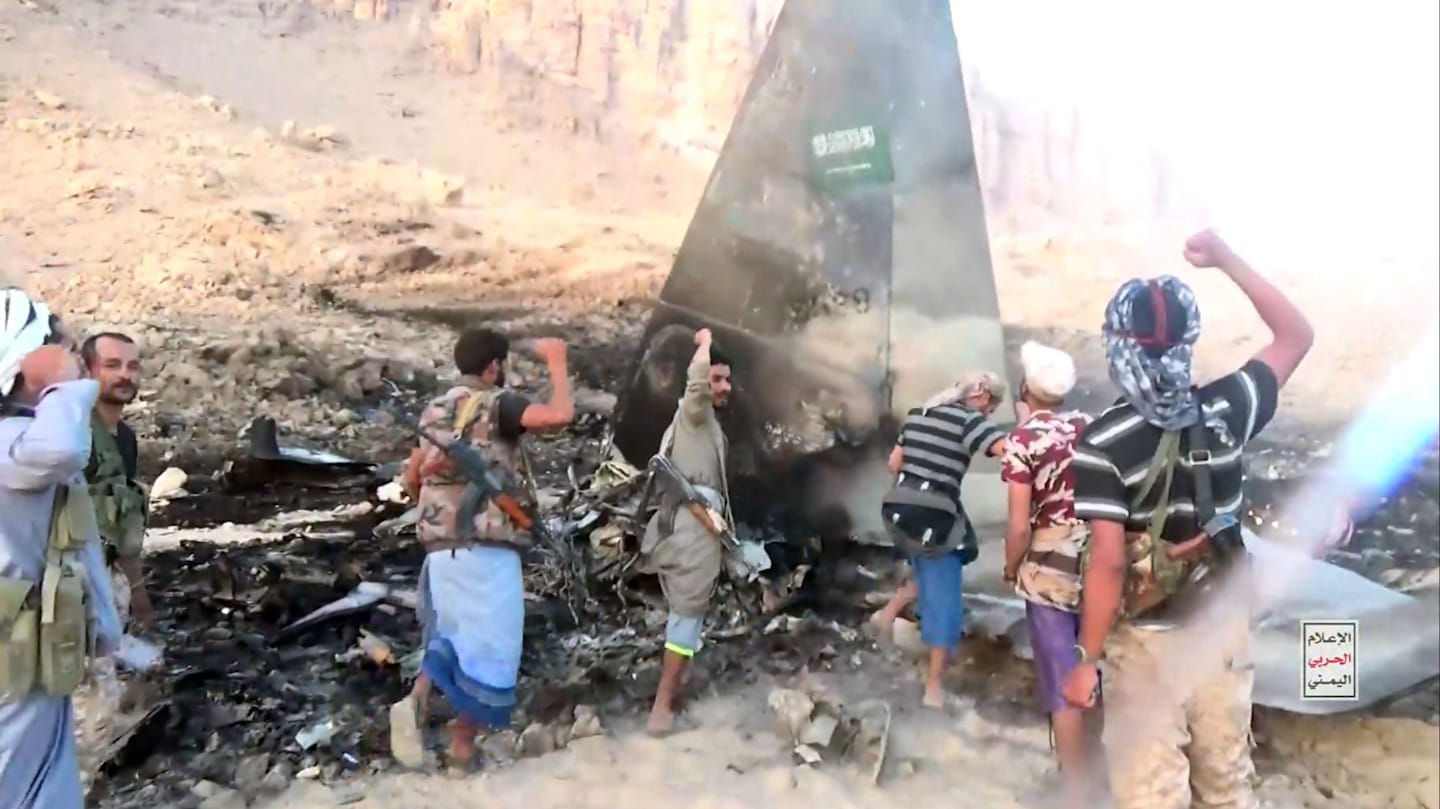
Plans to turn Riyadh into a finance and event hub faced a setback this week as Houthi attacks prompted cancellations or delays of key events on the economic and tourism calendar. The flagship Future Investment Initiative, a major forum for settling foreign direct investment deals, is on cancellation watch as well.
Lebanon seeks breakthrough with IMF
Lebanon’s delegation to the IMF annual meeting in Bangkok this year this week expressed high confidence in reaching a breakthrough on talks for a new loan program, Bloomberg reports. New talks this week and progress in Beirut on advancing a bank deposit repayment law have given rise to fresh expectations that the Fund’s conditions for the adoption of banking laws “in line with international standards” can be met as political gridlock gives way to compromise.
BDL Governor Karim Souaid said in Bangkok that the institution agrees “to a large extent” that equity capital holders will be the first class of claims to absorb a loss—one of the IMF’s key conditions for agreeing to advance any funding.
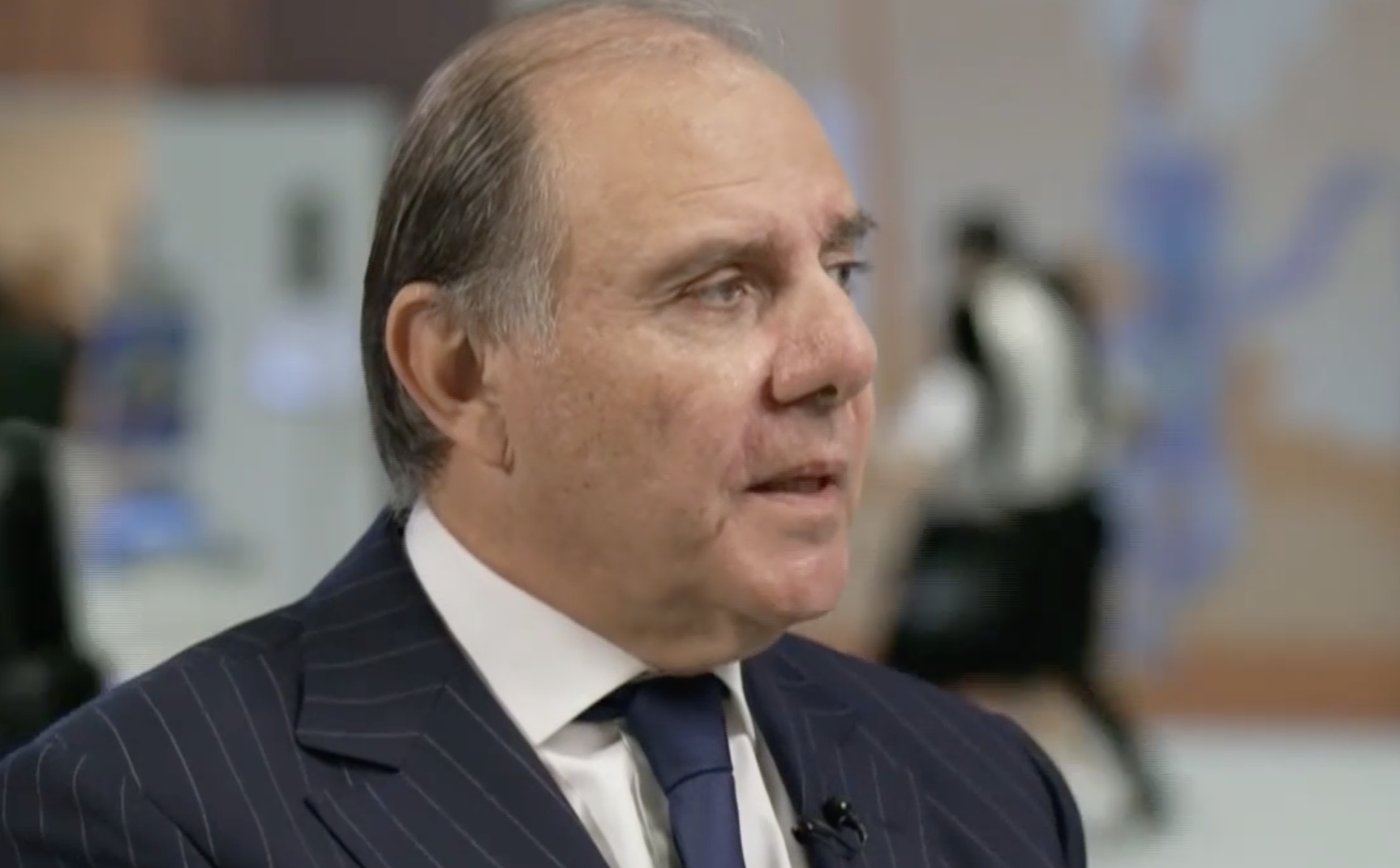
Banking sector liabilities are estimated at $80 billion, a third of which the government hopes to challenge on grounds of “irregularity.” This week, Lebanese banks have stepped up their efforts to offer alternative debt resolution for depositors by allowing for deposit swaps in real estate, stocks and bonds, in addition to an existing cash settlement scheme, to buy out creditors at a discount.
IMF slashes GCC growth forecasts for 2026
The IMF has sharply cut its forecasts for this year’s economic growth in Gulf Cooperation Council countries, Semafor reports. In its latest annual World Economic Outlook the multilateral revised Saudi Arabia’s GDP forecast down to a 3.3% contraction versus April’s forecast of 3.7% growth. Other GCC members are facing even steeper economic reversals, with UAE slipping to a 3.9% contraction from the previously forecast 5% expansion, Qatar to -15.6% from 5.6%, Kuwait to -16.7% from 3.1%, and Bahrain to -11.3% from 3%.
The harsh revisions reflect lower oil and gas exports, a shock to tourism, and the scaling back of government investment in the region’s non-oil economies.
- State spending cushions GCC megaprojects from war fallout (AGBI)
- GCC investors back Bahrain while US and EU remain hesitant (AGBI)
Notably, Oman continues to outperform the GCC. The IMF expects its economy to grow by 4.1%—an upward revision from April’s 3.6% forecast—due to its balanced geopolitical relationships across the region and its use as an alternative export route to the Strait of Hormuz.
The IMF predicts the war will “scar” the region’s economies, resulting in growth through 2030 being lower than the pre-war trend, although it does expect a strong rebound from this year’s negative turn if Strait of Hormuz trade flows return to normal by mid-next year.
Europe
Albanian students join anti-Rama protests
Anti-government protests in Albania intensified this week as students took to the streets to demonstrate against corruption and the high cost of living, Balkan Insight reports. The students have joined forces with a broader protest movement that formed in opposition to a controversial development project linked to US President Donald Trump’s daughter Ivanka and son-in-law Jared Kushner, according to the AP.
Police deployed tear gas and water cannons against the demonstrators, who responded with stones, fireworks and petrol bombs. The education ministry was set alight, banks were attacked and at least 20 people arrested, with 79 people treated in hospital, 61 of them police.
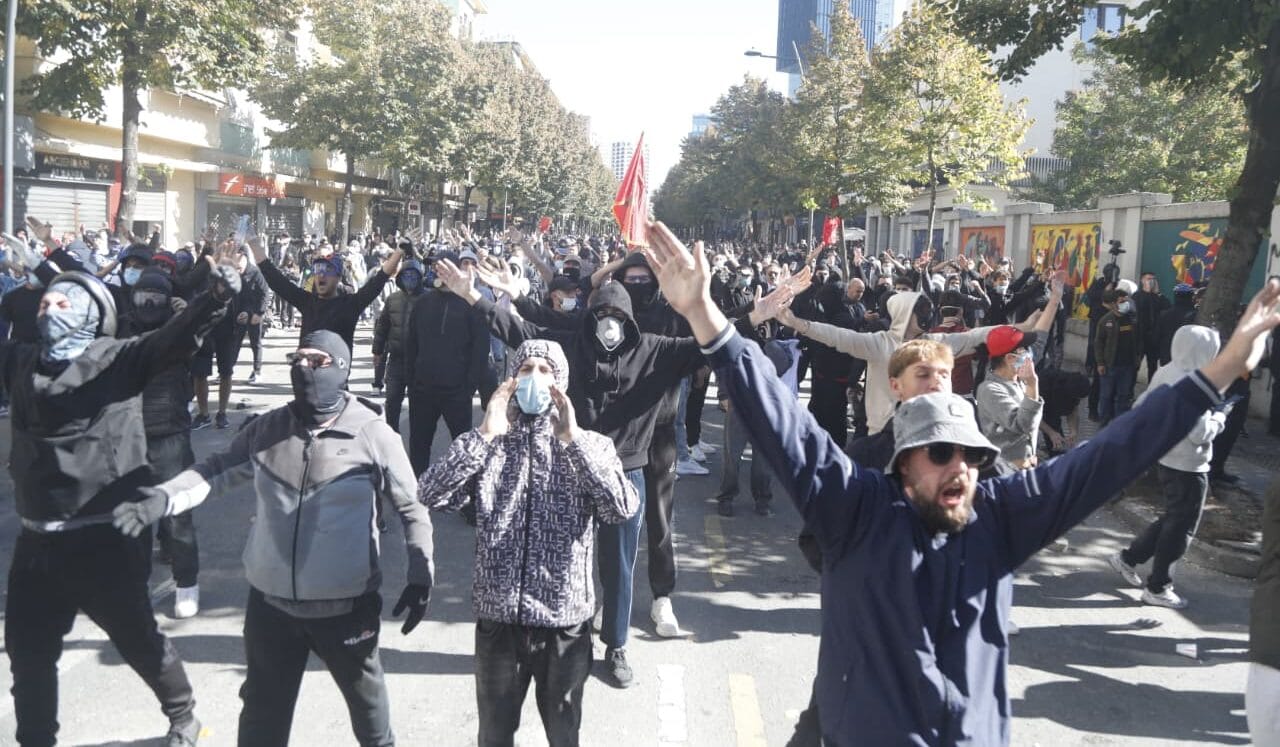
The demonstrations represent the most formidable challenge to Prime Minister Edi Rama in years. On Tursday, Rama told Reuters he would not resign and vowed the unrest would not derail Albania’s EU accession push. He accused his political opponents of orchestrating the violence.
Ukraine blindsided by Starlink restriction
Ukraine’s military was caught off guard this week by sudden restrictions on the Starlink satellite network it relies on for battlefield communications, the FT reports. Starlink’s owner, Elon Musk’s SpaceX, imposed a speed cap without warning, disrupting drone missions as Russia pounded Ukraine’s energy infrastructure.
A source in Ukraine’s defense ministry said on Thursday that service had been restored, the Kyiv Independent reported.
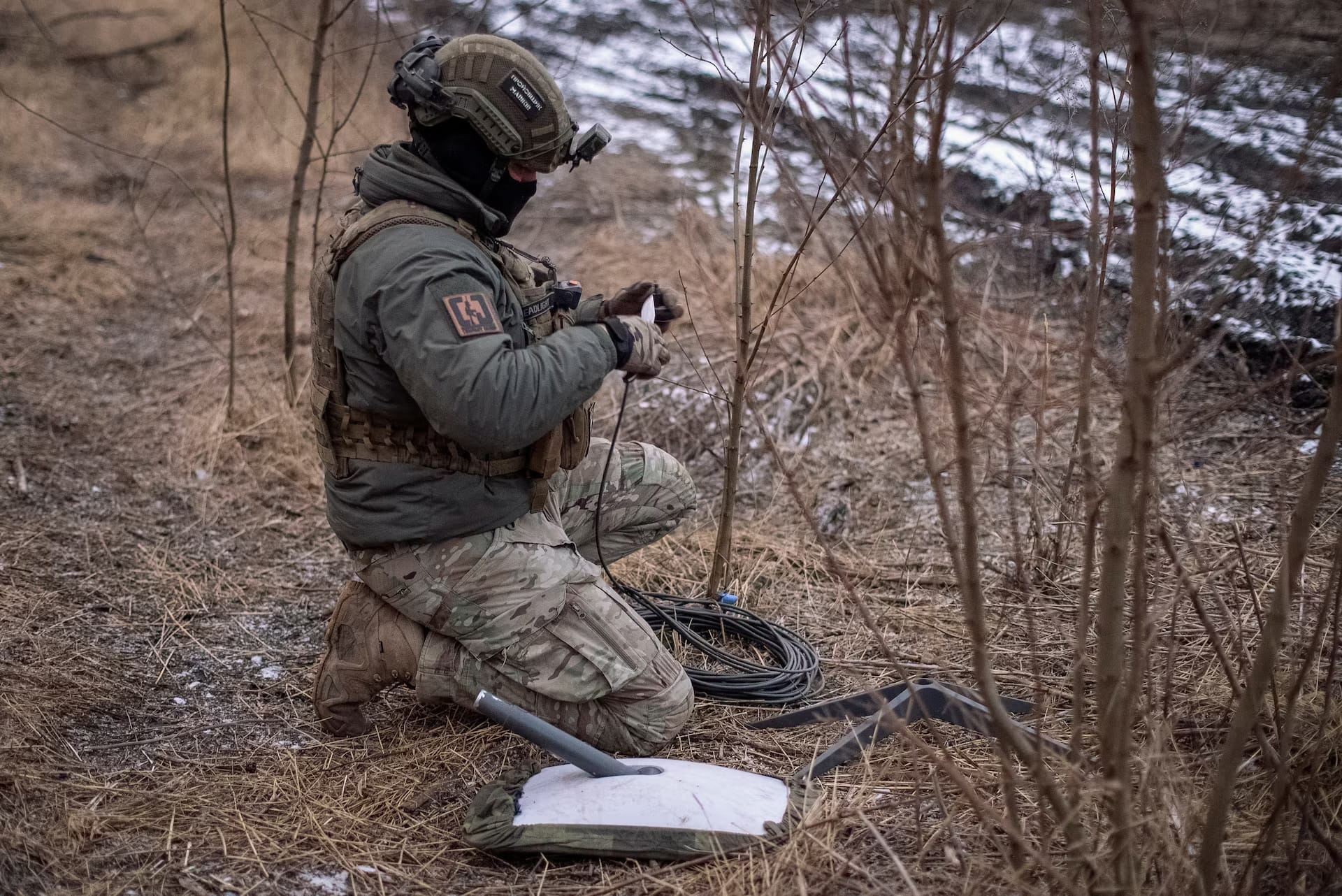
The episode capped a week of escalating pressure from Washington. President Donald Trump told Ukraine to “get a new leader”, announced a deal to buy Russian diesel with a sanctions waiver through April 2027, claimed an “energy ceasefire” that Kyiv says Russia never observed, and reportedly threatened to cut intelligence-sharing unless Ukraine halts strikes on Russian refineries.
Kosovo government mobilizes behind ex-KLA leaders’ appeal
Kosovo’s government has approved a working group to support the appeals of four former high-ranking government officials and Kosovo Liberation Army leaders convicted of war crimes last month, Balkan Insight reports.
The verdicts sparked 20 consecutive days of protests that turned violent on October 5 and subsided only after parliament voted the next day to curb the powers of the Kosovo Specialist Chambers, the EU-funded war crimes court in The Hague.
Pressure on the Specialist Chambers has kept building this week: Kosovo’s Ombudsperson Naim Qelaj on Wednesday demanded external oversight of the court, saying it lacks transparency and accountability.
Latin America
Uruguay inks $5.7bn data-center deal
Uruguay signed a $5.7 billion agreement with Spanish renewable energy developer Solaria to build 500MW of data-center capacity and 350MW of solar generation, Bloomberg reports. Uruguay’s President Yamandú Orsi called it the country’s largest private investment.
The $5.5 billion data center buildout and $200 million solar plant will operate under the free-trade-zone regime across Canelones, San José, and Florida. The first 200MW of capacity is due to begin operating by 2030, with construction set to start in March.
China sanctions Paraguay and Belize over Taiwan relations
China has imposed asset freezes and entry bans on Paraguay’s information and communication technologies minister Gustavo Villate and Belize’s foreign minister Francis Fonseca over their countries’ ties with Taiwan. The measures also bar Chinese individuals and organizations from dealing with the two ministers.
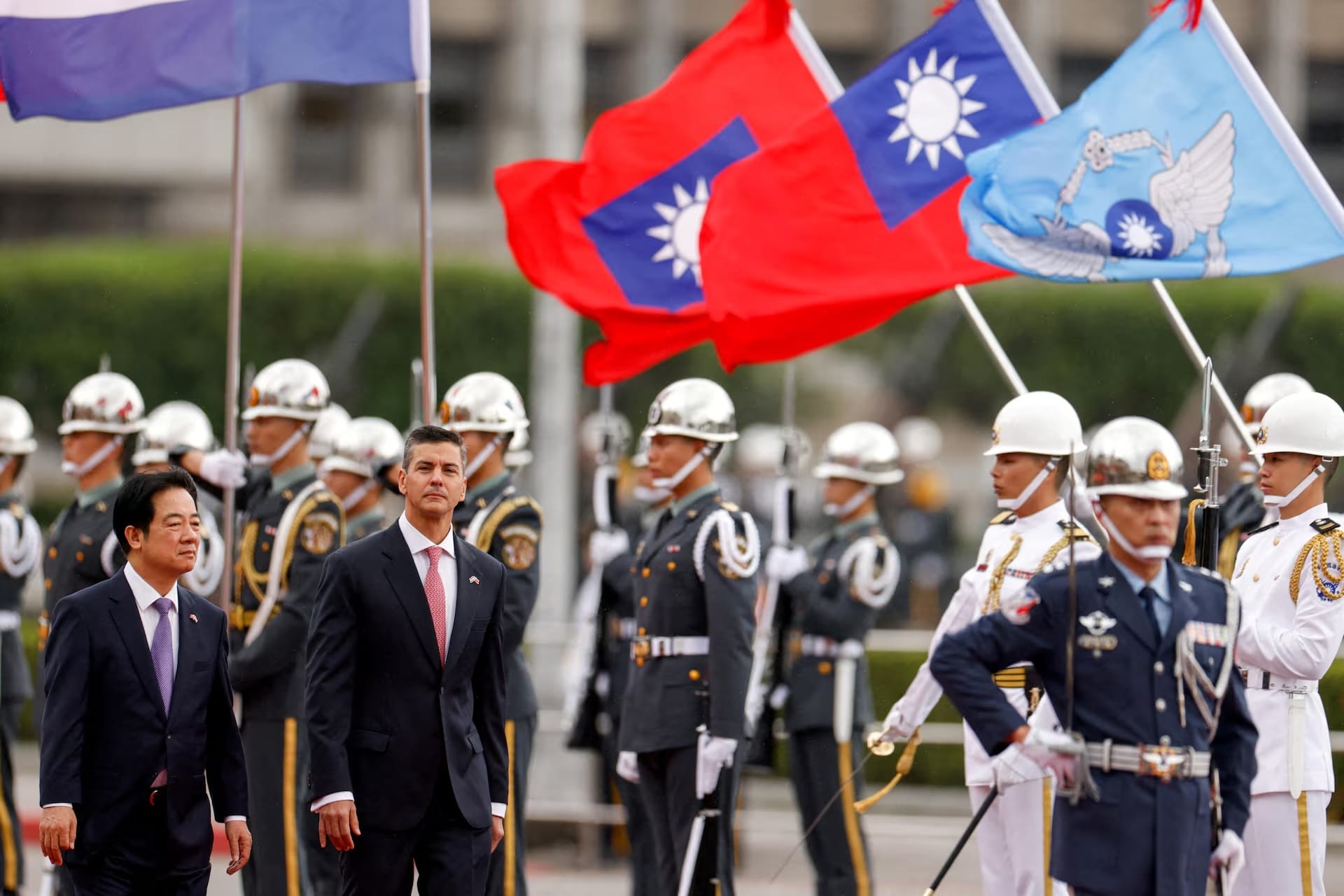
Beijing said the officials had visited Taiwan, hosted Taiwanese representatives, and repeated allegations of Chinese cyberattacks. Paraguay and Belize are among the 12 countries that still maintain diplomatic relations with Taipei, after Nicaragua, Honduras and Nauru switched recognition to Beijing in recent years.
Guyana nears 1mn-bpd export milestone, prompting LNG rethink
Guyana’s crude oil exports are set to pass a million barrels a day in December, Bloomberg reports. A preliminary loading schedule shows 33 million barrels of total exports for the month.
That growth is forcing a choice over natural gas. Oil giant Exxon says it needs two billion cubic feet of gas a day for re-injection to meet oil-output targets, leaving less for a proposed liquid natural gas export project.
Officials are considering revising the target output for the LNG export project of three million tons a year instead of six million. Another option under consideration is to use the gas only for domestic power and petrochemicals.
What We’re Reading
Nigeria’s Dangote extends refinery IPO (Kenyan Wall Street)
Ghana’s dilemma over Tullow’s tax debt (Africa Report)
France and Chad renew defense partnership following two-year hiatus (RFI)
Guinea-Bissau denies it has approved controversial vaccine trial in newborns (The Guardian)
UN raises alarm over central Sahel displacement crisis (RFI)
Mozambique’s new petroleum law ‘shields state’ from force majeure costs (Club of Mozambique)
Belgian police search homes of relatives of DRC’s President Tshisekedi (Reuters)
Egypt to build rail link alternative to Suez Canal (AfricaNews)
Ecobank to ease African cross-border payments in Chinese yuan (Ecofin)
Philippines to host US president in November for ASEAN summit (PIA)
US secretary of state to visit Uzbekistan for Central Asia conference (State Department)
Fuel shortages mount in Indonesia (SCMP)
Saudi crown prince and Iraqi prime minister meet on border security and Iran-backed militias (Al Jazeera)
Oil turmoil pushes Kuwait deeper into debt (AGBI)
Belarus is becoming increasingly Russian (The Economist)
Bulgaria suggests Russia behind ship attack that left 11 sailors missing (FT)
Costa Rica opens mega-prison as El Salvador model is embraced across Latin America (Al Jazeera)
Venezuela’s oil recovery gains momentum as new drilling rigs arrive (Oilprice.com)
Colombia opposition groups launch protest against de la Espriella’s cuts (Al Jazeera)
Colombia opens embassy in Jerusalem, restores free trade deal with Israel (Reuters)
As diesel prices soar, Bolivian farmer turns trash into tractor fuel (Reuters)
Chile and Bolivia seek diplomatic reset in new right-wing alignment (Bloomberg)
Chile copper supply under pressure as disruptions mount (Mining.com)
Argentina and US amend trade deal in bid to secure ratification (Bloomberg)
Argentina pauses local dollar bond sales as debt wall nears (Bloomberg)
We are committed to providing FMN readers with a free weekly digest of politically unbiased, succinct and clear news and information from frontier and small emerging markets.
Please consider becoming a paid supporter to help cover some of our costs and support our continued development of sharp markets-focused coverage and new informational products. Paid subscribers will also gain exclusive access to our EM/FM reports that aggregate insights from dozens of major banks, international institutions and consultancies.

Read next


