

🌍 Frontier Markets News, May 29th 2026
A weekly review of key news from global growth markets

Africa
Senegal faces mounting political divisions as it grapples with hidden debt
Senegal plunged into its deepest political crisis since the fall of Macky Sall after President Bassirou Diomaye Faye dismissed Prime Minister Ousmane Sonko on Friday, shattering the Pastef alliance that swept both men to power, the BBC reports.
Days later, parliamentary speaker El Malick Ndiaye resigned, and on Tuesday lawmakers elected the ousted Sonko as Speaker of the National Assembly, the second-highest position in government. Sonko now sits atop a rival power center with a live censure instrument and can shield parliament from dissolution by Faye until November.
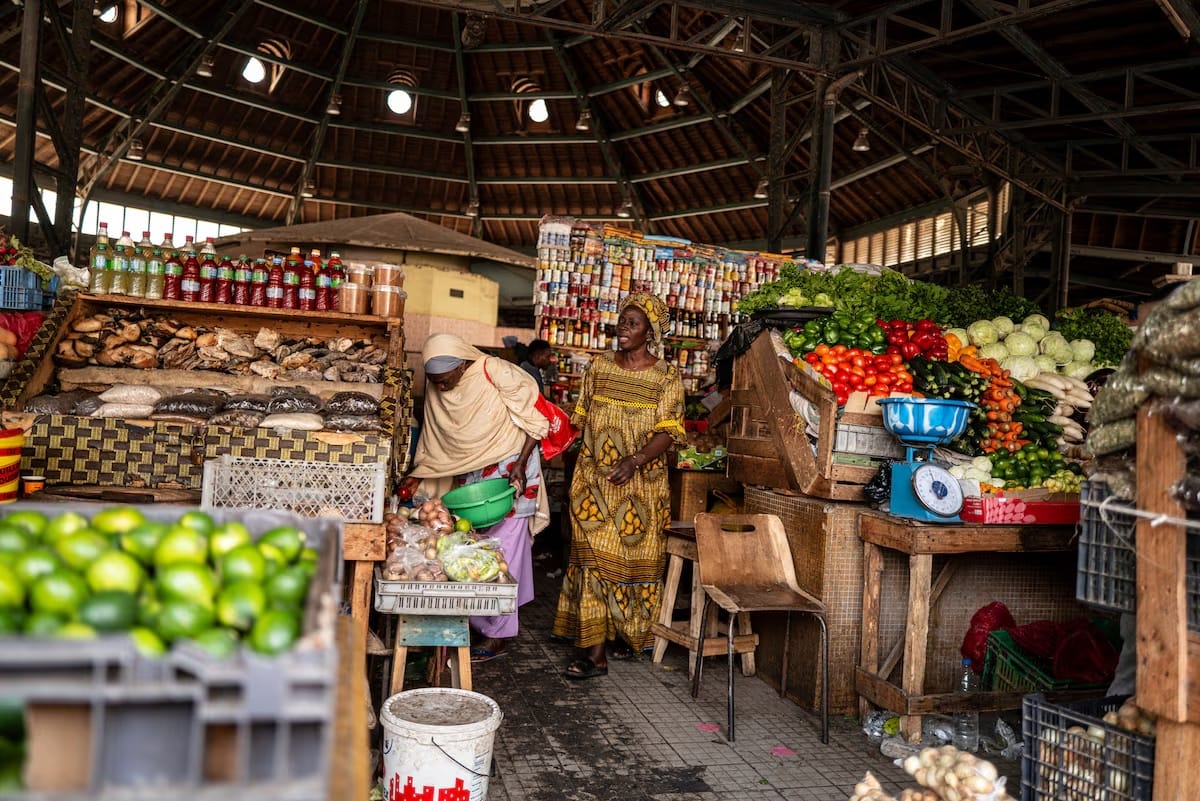
The rift is fiscal at its core. Finance minister Cheikh Diba last week told lawmakers Senegal aims to resume talks with the IMF the week of June 8 and reach agreement on key points by June 30. A $1.8 billion IMF program has been frozen since the 2024 discovery of previously undisclosed debt.
Chinese buyers unsettled by Guinea’s bauxite export-control plan
Guinea will unveil bauxite export controls in June as part of an attempt to increase value captured from the sector, mines minister Bouna Sylla told Bloomberg. The move was prompted in part by a 25% surge in shipments last year and a slump in prices, which halved to a four-year low below $60 a ton.
Guinea’s leading bauxite buyer is China, which last year sourced roughly three quarters of its 201 million metric tons of bauxite imports from the West African nation and runs most of its mines.
The Aluminum Corp of China agreed last week to invest $1 billion in a 1.2 million-ton-per-year alumina refinery at Boffa, its first overseas plant. Conakry took a 5% stake at nominal cost with an option to lift its ownership share to 35%. Sylla wants five new plants totaling 7.2 million tons of capacity, enough to absorb around 15% of 2025 output.
Benin’s new president promises sweeping reforms
Romuald Wadagni, who won April’s presidential election with 94% of votes cast, used his inaugural address to promise that Benin’s decade of macroeconomic gains will start translating into jobs, basic services and social protection.
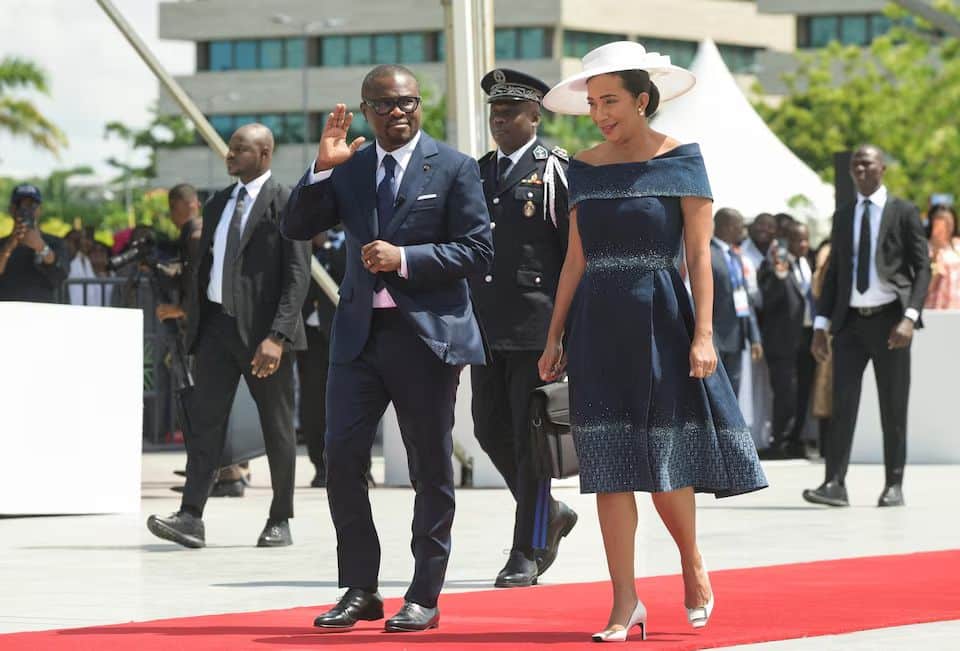
The 49-year-old former finance minister previously cut the country’s deficit by a third to 3% of GDP by lifting tax revenues, stripping tax exemptions, digitalizing collection, and refinancing Benin’s debts on better terms, including launching Africa’s first eurobond linked to the UN Sustainable Development Goals in 2021. Wadagni has now installed that bond’s architect, Aristide Medenou, as finance minister.
Wadagni promised reforms would continue, vowed to take a harder line against jihadist incursions from the Sahel, and opened the door to warmer relations with Mali, Niger and Burkina Faso. His government also created a new digital transformation ministry tasked with executing a national AI strategy.
Asia
Kazakhstan to sign nuclear power deal with Russia
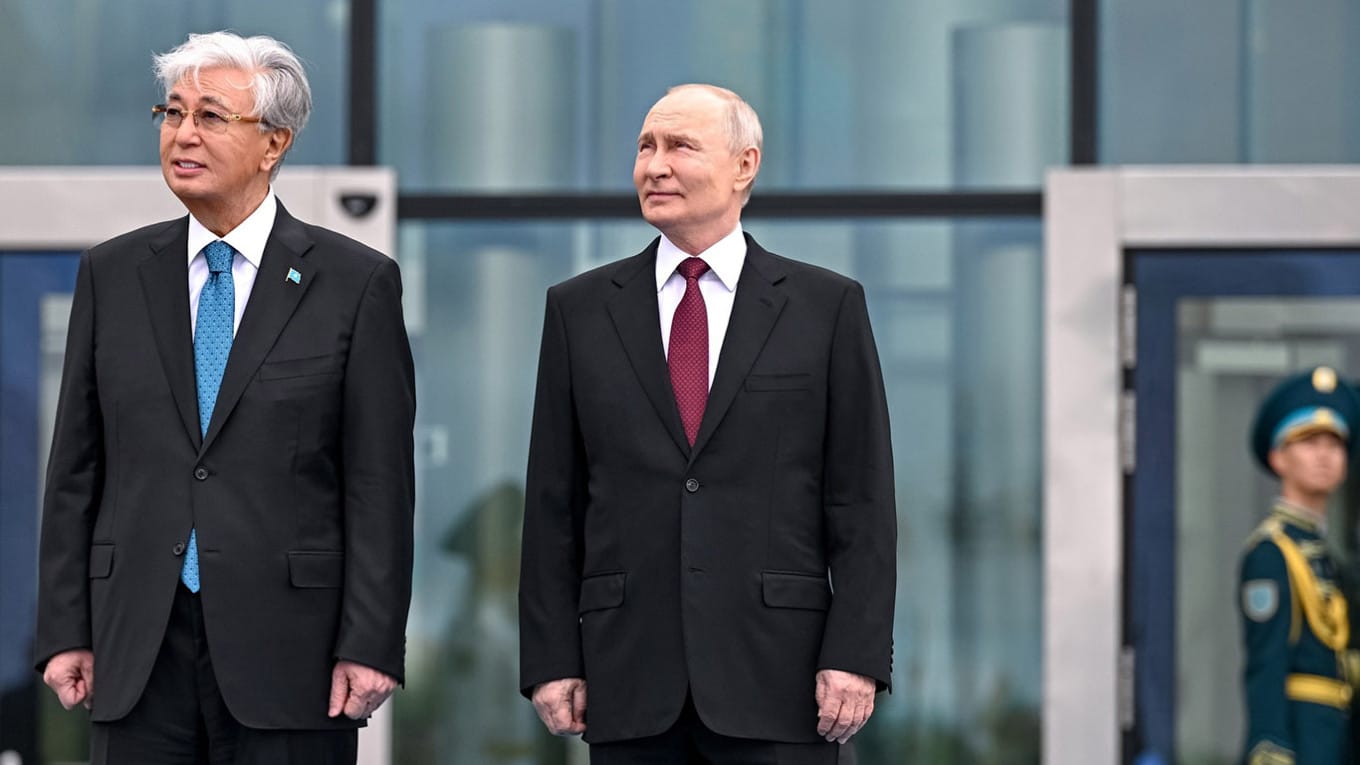
Kazakhstan inked a deal with Russia on Thursday to build the country’s first new nuclear power plant since the former Soviet republic became an independent country, the Moscow Times reports. Despite being one of the world’s biggest uranium producers, Kazakhstan currently relies mostly on coal for its electricity.
The agreement came on the second day of a state visit by Russian President Vladimir Putin to Kazakhstan. Kazakhstan anticipates that Russia will finance 85% of the project’s costs, according to Reuters.
Kazakhstan, a major oil producer, is diversifying its energy mix amid shocks to energy markets from wars in Iran and Ukraine. The conflicts have disrupted trade routes through the country—but have also led the US and Europe to court Kazakhstan with billions in investment.
Pakistan reaffirms commitment with China to develop economic corridor
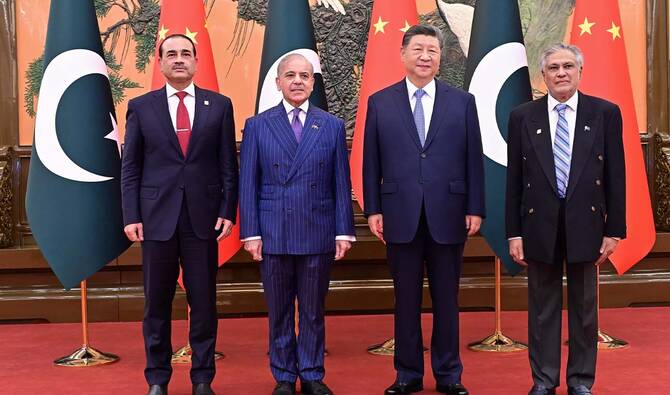
Pakistan’s Prime Minister Shehbaz Sharif urged Chinese companies to increase their investment in Pakistan, during a visit to Beijing this week, Arab News reports.
Sharif framed the opportunity as an upgraded version of the China-Pakistan Economic Corridor, a $65 billion infrastructure investment program that was the flagship of China’s Belt and Road Initiative. But while the original deal focused on projects such as ports and highways, Sharif angled this week for investment in AI and information technology, calling them two of Pakistan’s “four most important priority programs.”
Sharif also encouraged a Chinese research institution to help modernize Pakistan’s agricultural sector.
The visit suggests Pakistan is keen to maintain close ties with China despite Islamabad’s intense recent effort to develop a deeper relationship with the US. In February, Pakistan’s finance ministry said representatives met with US commerce secretary Howard Lutnick for discussions on mining, minerals, and energy. And earlier this month, Pakistan sent a delegation to an investment summit in Washington, Dawn reports.
Bangladesh wins $5bn from Asian Development Bank
The Asian Development Bank is providing $5 billion in funding to help Bangladesh “unlock new sources of growth, and build a more diversified and resilient economy,” the lender announced on Monday. The move was announced during a meeting between ADB President Masato Kanda and Bangladesh’s Prime Minister Tarique Rahman in Dhaka.
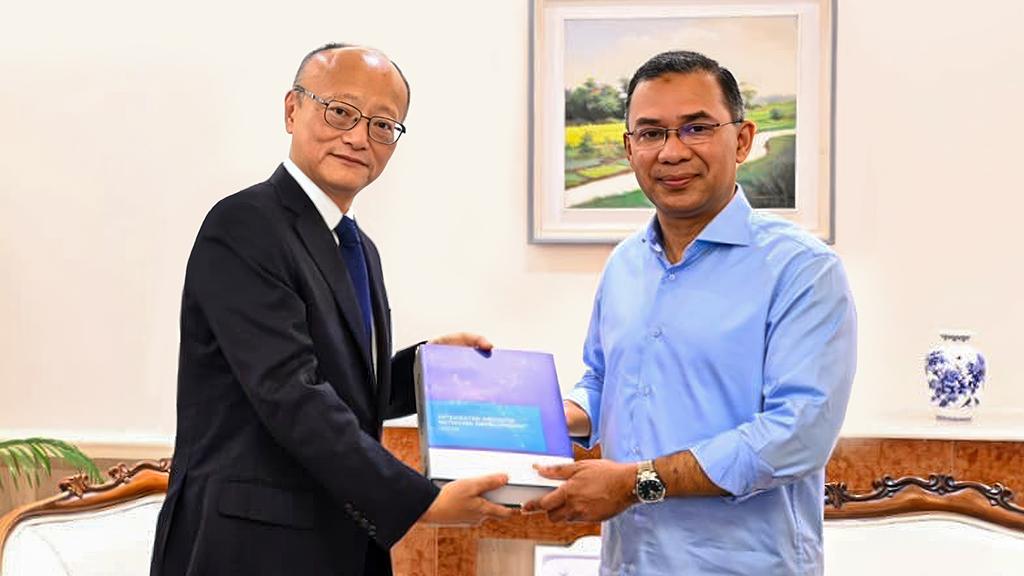
The funding package is designed to expand investment, create jobs, improve connectivity and promote more balanced regional growth, Kanda said. The five-year package is expected to amount to about $1 billion a year and will be strategically integrated into ADB’s enhanced annual sovereign commitment envelope for Bangladesh.
Rahman, the scion of a political dynasty, took office in February, 18 months after the ouster of former leader Sheikh Hasina. He immediately faced the challenge of a fuel shortage driven by the war in Iran that is now creating electricity shortages and undercutting economic activity.
Europe
Hungary’s Magyar unlocks suspended EU aid funds
On a visit to Brussels this week, Hungary’s new Prime Minister Peter Magyar sealed a deal with the EU to release €10 billion in post-pandemic recovery funds and €6.4 billion in funds contingent on additional reforms, Reuters reports. Gaining access to the funds, which the EU had frozen during former prime minister Viktor Orbán’s rule, has been a top priority for Magyar, but Hungary must meet a number of conditions by August in order to qualify.
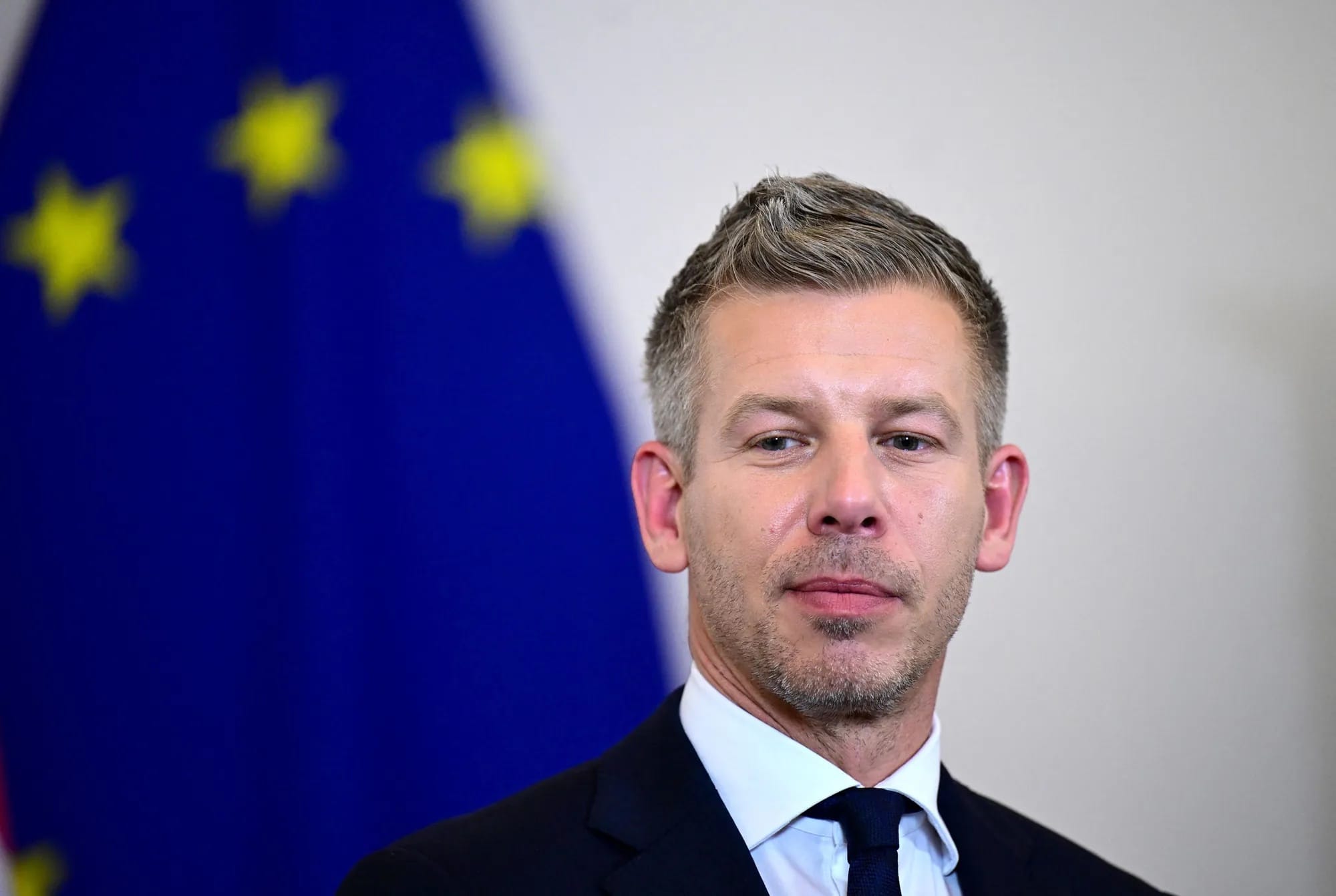
The agreement paves the way for greater cooperation between Hungary and the EU, which would support economic growth—and Magyar’s efforts to get Hungary’s fiscal policy in order. Magyar’s administration is seeking EU funding for multiple infrastructure projects including an energy grid update, solar and wind capacity and railway development, Bloomberg reports.
- Hungary’s central banker hints at potential rate cut (ING)
Magyar also announced Hungary’s intention to join the European Public Prosecutor’s Office, the EU’s anti-corruption watchdog that Orbán argued undermined Hungary’s sovereignty, and reversed Orbán’s plans to leave the International Criminal Court.
China pledges €940mn investment in Serbia
Serbia’s President Aleksandar Vučić said this week that Chinese companies are poised to invest an additional €940 million in the country, Bloomberg reports. More than 20 Chinese firms signed agreements during a visit by Vučić to Beijing this week, focusing on auto parts production, humanoid robots, energy and AI.
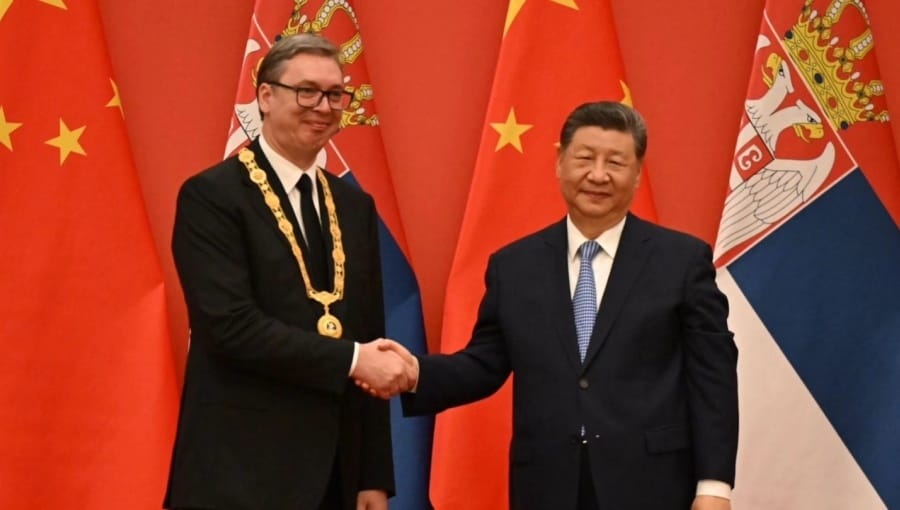
Serbia and China have tightened ties over the past decade, with approximately €8 billion in Chinese direct investment and nearly the same amount in infrastructure project loans going to Serbia. The two countries signed a free-trade agreement in 2023.
Latin America
Bolivia deploys troops against protests
Bolivia’s political crisis deepened significantly this week as President Rodrigo Paz declared a national state of emergency and ordered the armed forces to clear road blockades that have paralyzed the country for a month.
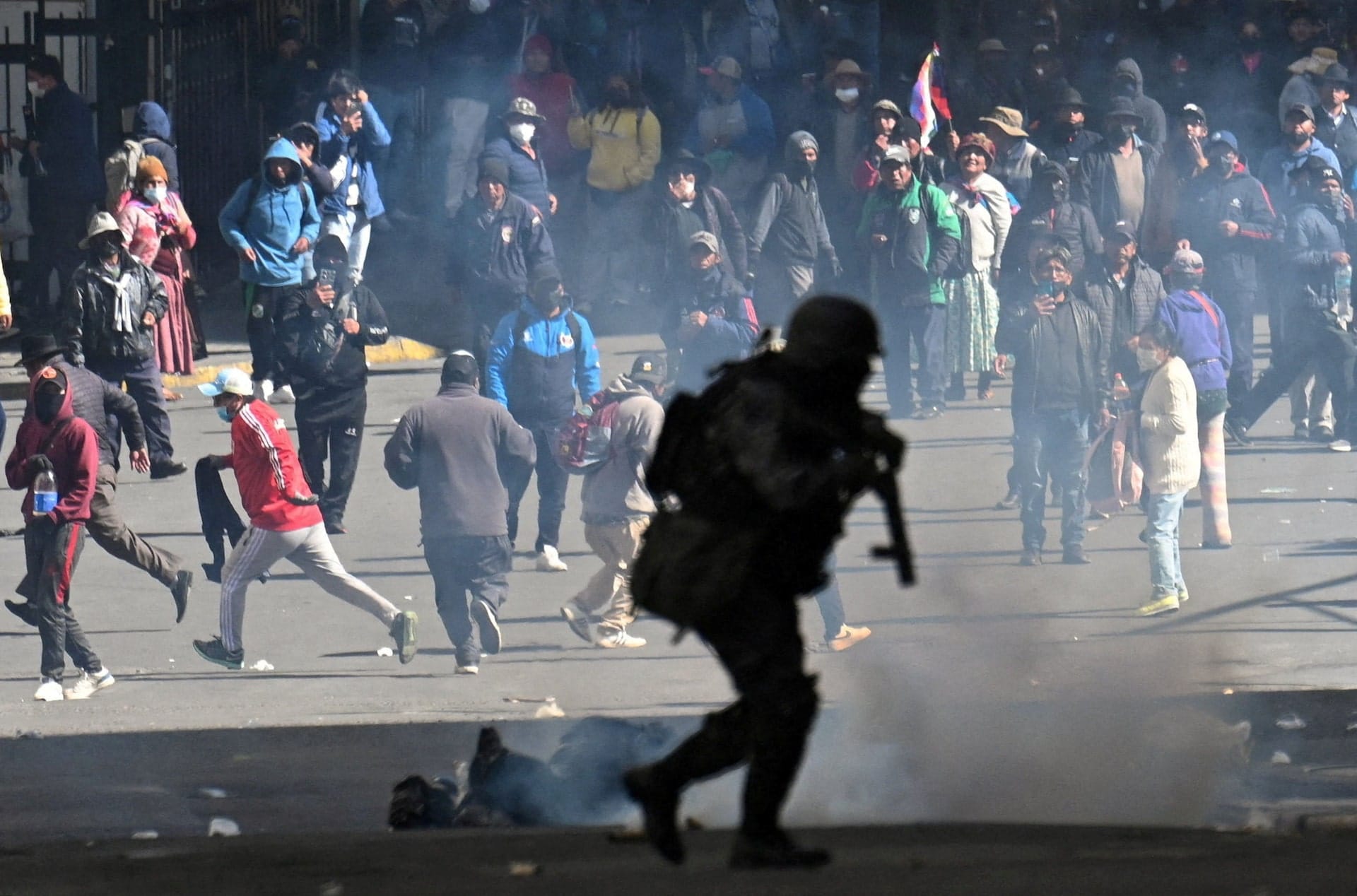
The escalation followed a late-night session in Congress, which voted to repeal the 2020 legislation that had strictly limited the executive’s ability to deploy the military for domestic security operations. With the legal hurdle removed, the armed forces initiated joint operations with the national police to establish transport corridors for food, fuel and medical supplies.
The government said one person was killed during an operation to clear a key blockade over the weekend, bringing the total death toll linked to the protests to four. Paz, who took office just six months ago, has faced growing demands for his resignation from a coalition of mining unions, farmers and supporters of former president Evo Morales.
In a bid to ease tensions, Paz announced a 50% salary cut for himself and his cabinet, although he ruled out negotiating with groups demanding his ouster.
Argentina eases peso controls as reserves hit seven-year high
Argentina’s central bank has sharply reduced its intervention in the foreign exchange market, capitalizing on a surge in dollar inflows that has pushed gross international reserves to $47.9 billion, their highest level since 2019.
The buildup in reserves, which have more than doubled since President Javier Milei took office in 2023, was bolstered by a $1 billion disbursement from the IMF following the approval late last week of the second review of Argentina’s extended fund facility.
Central bank Governor Santiago Bausili noted that the economy is benefiting from a more consistent, year-round flow of dollars driven by rising energy and mining exports, reducing the country’s historical reliance on the agricultural harvest season.
What We’re Reading
Nigeria cancels $717mn World Bank power loan (Business Day Nigeria)
Nigeria’s growth eases on slowdown in oil sector (Bloomberg)
Dangote courts Kenya, Tanzania and Uganda for giant new oil refinery (African Energy)
Trump clears Gabon’s return to AGOA to counter China (The Africa Report)
Ethiopia’s opposition braces for ruling-party election landslide (AfricaNews)
Chinese mining giant uncovers $145mn fraud scheme at DRC mine (Business Insider Africa)
South Africa pushes for 15-year AGOA extension amid US scrutiny (Business Day)
Haftar’s forces arrest Gaza aid convoy in Libya (Middle East Eye)
AHL Venture Partners reaches first close for Africa credit fund (African PE News)
Cambodia grants partial pardon to jailed opposition leader (Nikkei)
Samsung to build $1.5bn plant in Vietnam (Reuters)
Vietnam leader to visit Philippines (Reuters)
Philippines gets oil reserve boost from Japan ahead of state visit (Nikkei)
Thailand seeks LNG deal with US (Reuters)
Saudi’s NEOM halts work on The Line (All Arab News)
Gulf blue chips beat first-quarter profit forecasts (AGBI)
Iraq’s oil revenue collapse sparks race for new export routes (OilPrice.com)
Iraq moves to secure vital oil pipeline deal with Turkey (MSN via AI)
Iran starts to restore internet access after months-long blackout (NY Times)
Thousands of Iranians reach Saudi Arabia for Hajj despite war (FT)
Bulgaria heads for EU deficit procedure months after euro entry (Euractiv)
Poland rushes to sign contracts for EU defense loans (FT)
Chile lowers its 2026 growth outlook after a weak start (Rio Times)
Ecuador’s Noboa pledges to extradite criminals (Al Jazeera)
Costa Rica crypto bill approved as lawmakers target money laundering risks (Tico Times)
We are committed to providing FMN readers with a free weekly digest of politically unbiased, succinct and clear news and information from frontier and small emerging markets.
Please consider becoming a paid supporter to help cover some of our costs and support our continued development of sharp markets-focused coverage and new informational products. Paid subscribers will also gain exclusive access to our EM/FM reports that aggregate insights from dozens of major banks, international institutions and consultancies.

Read next


