

🌏 Frontier Markets News, June 12th 2026
A weekly review of key news from global growth markets

Africa
Mozambique’s LNG boom hits speedbumps
Mozambique’s natural gas sector could anchor a regional gas industry across Southern Africa and boost the country’s GDP by some $11 billion a year over the next three decades, a study by Standard Bank has found. According to the study, the restarted onshore LNG projects could produce 30 million tons of gas per year by 2030 and generate $100 billion in government revenues over 25 years.
Fully developing the sector could be challenging, however. According to the UN’s humanitarian group OCHA, violence in the area surrounding the gas fields is escalating, with some 21,000 people having been displaced by late May. The government’s response, including violent crackdowns around the 2024 elections, has failed to restore public trust, the Institute for Security Studies said.
- Mozambique eyes new IMF assistance program as mission arrives in Maputo (Club of Mozambique)
Meanwhile, Mozambique’s newly signed mining law mandates a 15% state equity stake in new projects, with strategic mineral classification risk sitting with operators, not the state. The IMF’s most recent forecast presented a gloomy picture, with economic growth of just 2% outside the mining sector, large fiscal deficits, tightening capital controls, and continued delays in receiving LNG revenues.
Turkey expands mediation role in Somalia
A Turkish intelligence delegation is in Mogadishu this week conducting separate talks with both the opposition and President Hassan Sheikh Mohamud aimed at resolving a standoff over delayed elections, FTL Somalia reports. Early signs were not promising, however, as the two sides rejected key components of the proposed resolution, Garowe Online reports.
The election delays and discontent over a proposed one-year extension to the president’s term triggered fighting in the country’s capital last week between Somali federal troops and opposition-allied militias.
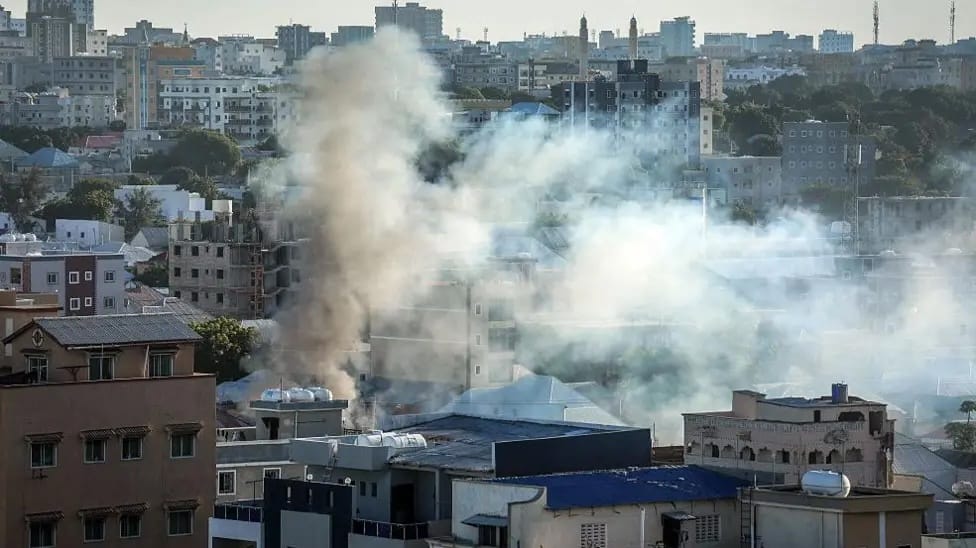
Opposition leaders accuse Mohamud of unilaterally rewriting the constitution, including extending the presidential term from four years to five, and reject the new constitutional framework entirely.
MTN pushes shared infrastructure to close Africa’s telecom gap
Telecoms giant MTN this week proposed that African countries adopt a new funding model to speed development of digital infrastructure on the continent, Semafor reports. The company laid out a shared ownership strategy in which telecoms firms would co-invest in a single physical network and compete only on the digital services they run over it.
MTN is working with Vodacom, Airtel Africa, Orange, Axian Telecom and Ethio Telecom, which together account for 60% of the continent’s telecom coverage, to promote the idea. The group is lobbying governments and institutional investors to co-finance long-term digital infrastructure projects, and wants finance ministries in six target countries to remove import duties and luxury taxes on entry-level devices.
A key stumbling block to rapid infrastructure development is Africa’s regulatory patchwork. Vodacom’s acquisition of a stake in fiber operator Maziv, for example, took four years and three separate regulatory bodies before receiving final approval in November 2025. MTN and Airtel Africa only signed their first tower-sharing deal, covering Nigeria and Uganda, in early 2025, with Republic of Congo, Rwanda and Zambia still under discussion.
Nigeria draws IMF ire with new total return swap
The IMF this week pushed back on Nigeria’s proposal to raise $5 billion through a total return swap with First Abu Dhabi Bank, warning the structure and terms of the agreement are “opaque,” Premium Times reports.
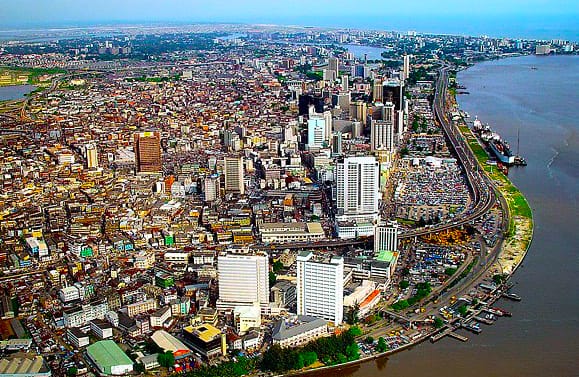
Under a total return swap, a government typically pledges domestic bonds and their returns as collateral and incentive, to receive floating-rate hard-currency cash flows from a bank counterparty at a concessional rate. This keeps the obligation off standard debt statistics, despite carrying identical economic exposure to a loan.
Nigeria’s proposed deal would pledge naira-denominated bonds worth 133% of the amount borrowed as collateral.
The instrument is spreading because the discount to conventional borrowing is real. Senegal raised $1.3 billion across seven TRS transactions in 2025, paying around 7% against the 11-12% available on international markets. Angola entered a $1 billion TRS with JPMorgan in December 2024, pledging $1.9 billion in Eurobonds as collateral. When oil prices fell in April 2025, a $200 million margin call was triggered overnight. Luanda extended and expanded the facility to $1.5 billion in January 2026.
Asia
Myanmar and India agree to boost critical minerals cooperation
Myanmar agreed to expand cooperation on rare earths and other critical minerals with India last week as newly inaugurated President Min Aung Hlaing visited the South Asian country.
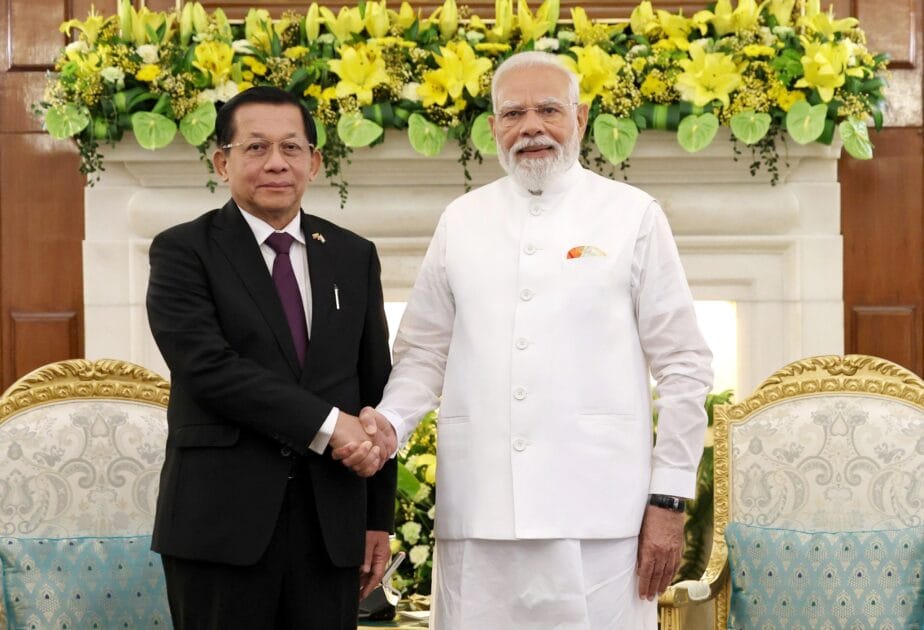
For Myanmar, the trip amounted to long-awaited international recognition after years as an international pariah, the Diplomat reports. The two sides also expressed support for more trade and investment in agriculture, petroleum, energy, and mining, according to a joint statement published after the visit.
Min Aung Hlaing formally became president in April but has led the country since seizing power in a coup five years ago. The trip to India is his first overseas since assuming the presidency.
Xi Jinping chooses North Korea for first foreign visit of 2026
China and North Korea agreed to increase cooperation on trade, agriculture, construction and technology as Chinese leader Xi Jinping visited Pyongyang this week.
China is North Korea’s primary economic booster. But North Korea has recently tilted toward Russia, incentivizing Xi to look to bring the country back into China’s orbit, the New York Times reports.
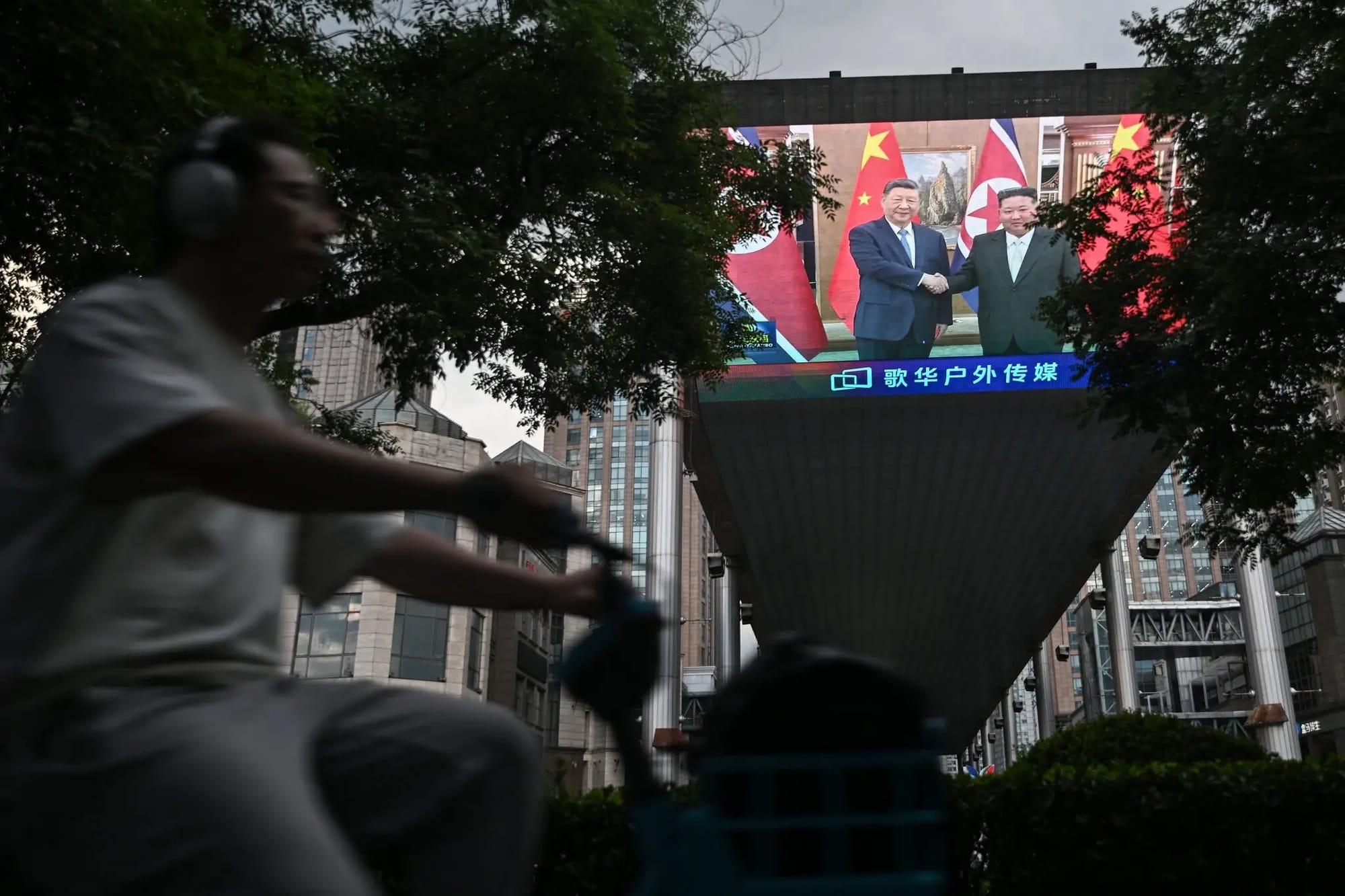
The trip was Xi’s first foreign visit of the year and his first to North Korea in seven years. North Korean state media quoted leader Kim Jong Un as saying that maintaining his country’s relationship with China was “the most important top-priority strategic work,” AP reports.
Vietnam races to buy US planes in face of trade probes
Vietnam has told its airlines to provide details on their plans to buy planes and aircraft parts from US companies, Reuters reports.
Hanoi is looking to demonstrate to Washington that it plans to follow through with multi-billion-dollar purchases as the Trump administration continues to conduct trade probes targeting Vietnam. Vietnam’s three airlines have together committed to buying 290 Boeing planes, according to Reuters.
Vietnam’s trade surplus with the US has soared this year, reaching $55 billion in the first quarter. Only Taiwan, which makes nearly all of the advanced chips powering a boom in artificial intelligence spending, had a higher surplus with the US.
Middle East
Gulf states accelerate oil transport infrastructure projects
Gulf states are fast-tracking projects to provide alternatives for shipping oil through the Strait of Hormuz, CNBC reports. Last week, Iraq approved a plan to triple the export capacity of the Kirkuk-Ceyhan pipeline to 770,000 barrels per day, and this week sent a delegation to Jordan to follow up on a planned $5 billion pipeline project.
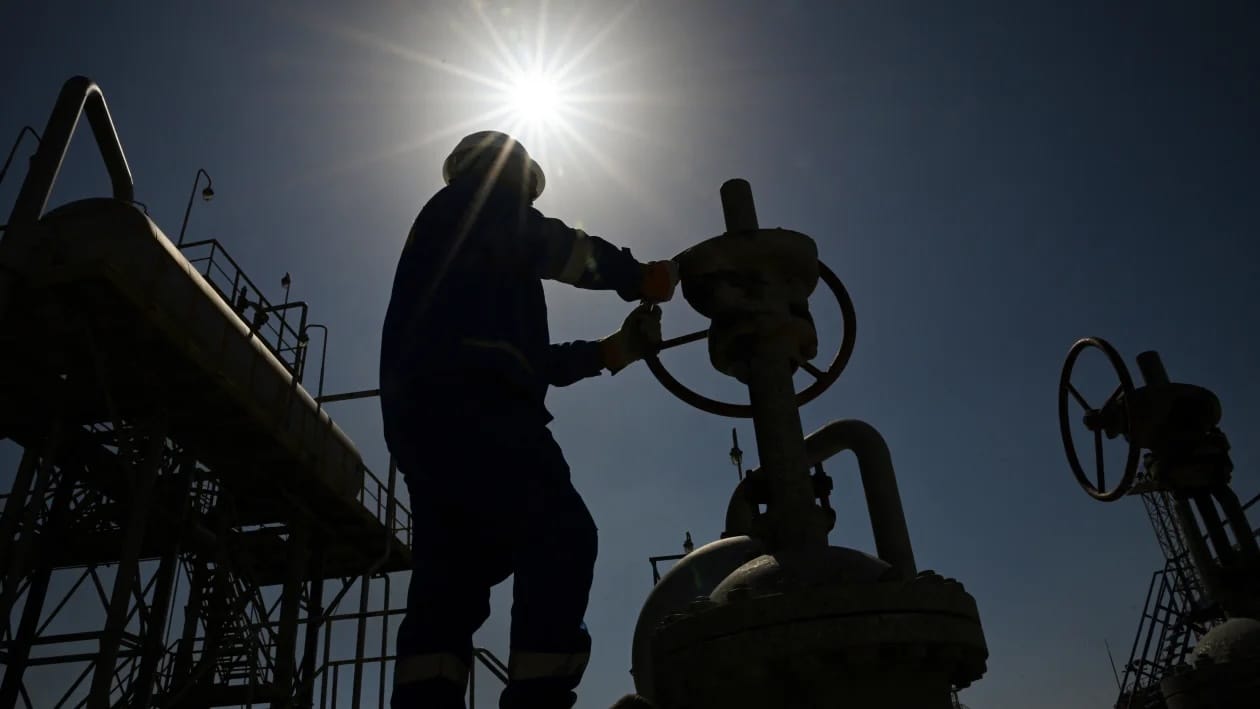
Kuwait, Saudi Arabia and the UAE are in talks to expand existing pipeline infrastructure and collaborate on supporting each other’s export capacity, a move that Kuwait Petroleum Corporation CEO says shows Gulf Cooperation Council (GCC) members are now “working together better than they have in a long time.”
Earlier in May, the UAE fast tracked a pipeline project to Fujairah Emirate to bypass the Hormuz chokepoint. The talks with Kuwait suggest that UAE intends to use its bypass routes to shore up its position in the GCC.
GCC financial firms declare real estate debt market ‘closed’ for 2026
Executives at investment bank Arqaam Capital, a leader in the Middle East real estate market, this week said the firm considers the debt market for developers effectively ‘closed’ for the rest of the year, Zawya reports. The comments follow reports of mounting liquidity problems for local real estate firms, especially in the UAE, which Arqaam says has transformed an investor-demand problem to a more fundamental market-access one.
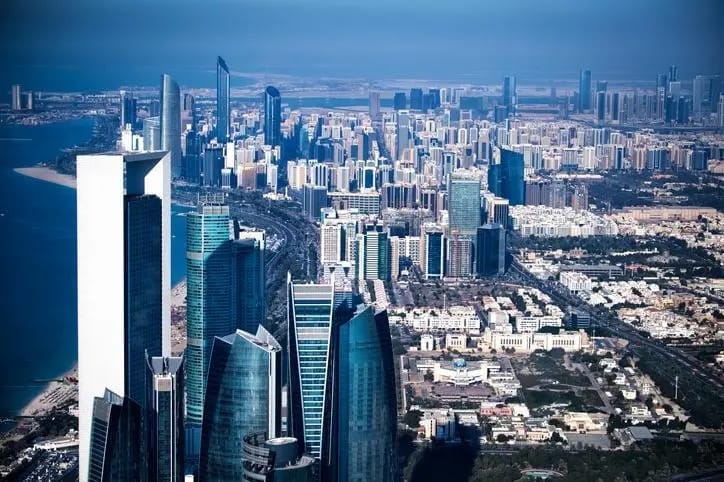
While retail property market developers are effectively shut out of the debt market, Saudi Arabian land-bank firm Dar Al Akan, which buys and holds undeveloped land, was able to successfully issue a five-year $600 million 7.25% sukuk in May, reflecting some views in the market that the Gulf’s long-term finances remain secure.
Sovereign credit profiles in the GCC remain resilient for now, despite the conflict, according to S&P Global, because of their exceptionally high foreign currency reserves and deep-pocketed sovereign wealth funds.
Europe
Armenians back pivot to Europe with Pashinyan re-election
Armenian Prime Minister Nikol Pashinyan’s pro-European Civil Contract party won nearly half of the vote in Sunday’s election, offering a strong endorsement of his drive to strengthen ties with Europe and pursue peace with Azerbaijan, the FT reports. His main rival, Russian-Armenian billionaire Samvel Karapetyan, whose Strong Armenia bloc trailed at 23.4%, is under house arrest on charges of seeking to overthrow the constitutional order, which he denies.
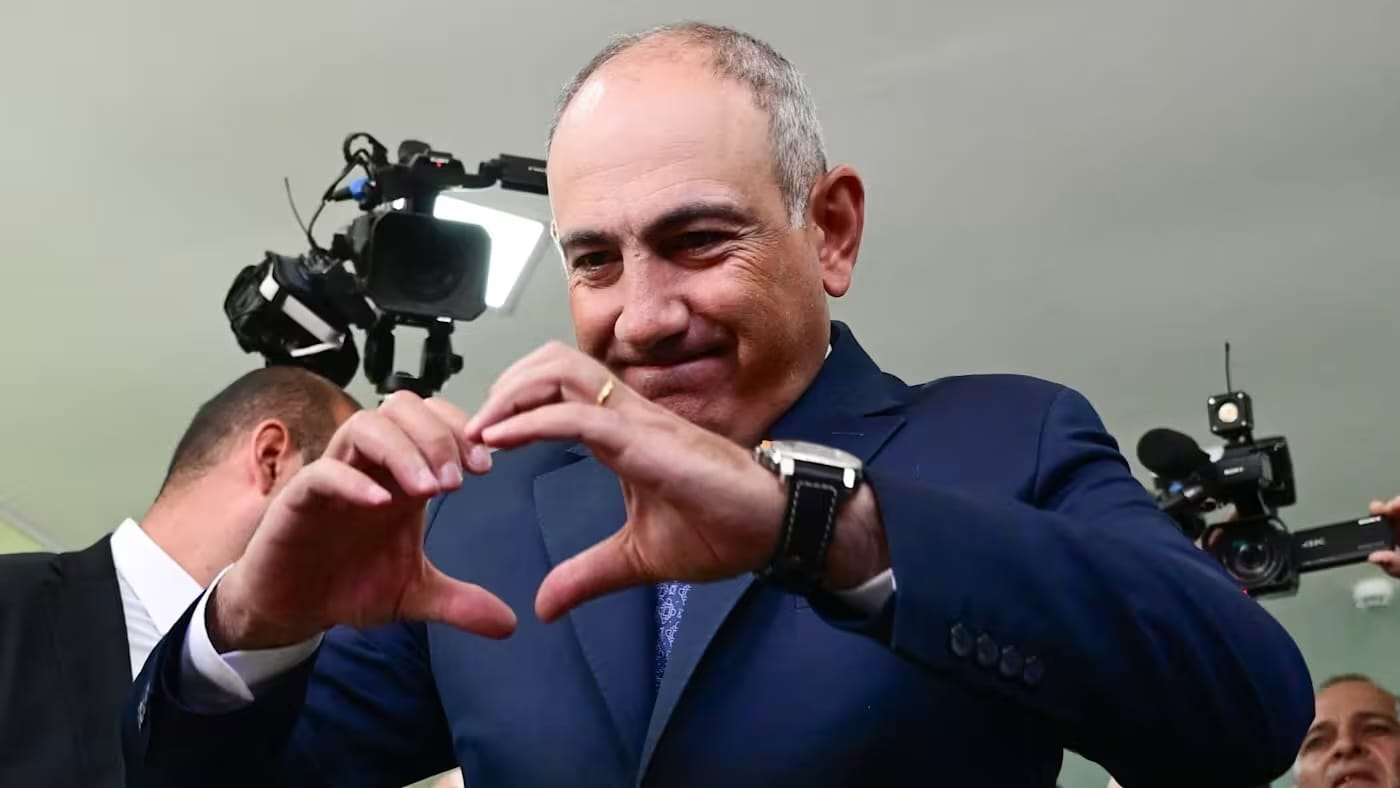
The win came despite heavy Russian pressure, the Economist reports. Moscow banned a swath of Armenian exports, from flowers and fruit to fish and cognac, and ran what researchers called one of its largest disinformation campaigns yet. The EU helped Yerevan find buyers for the blocked goods and announced a €50 million aid package.
Still, Pashinyan’s Civil Contract party fell short of the two-thirds majority required to push through a constitutional referendum, which would be needed in order to make changes that Azerbaijan has demanded before it will sign a peace treaty.
Hungary’s rate-cut case strengthens as inflation undershoots projections
Hungary’s deputy central bank chief Zoltan Kurali told Reuters this week that a fall in inflation and an improvement in risk premia could help justify an interest-rate cut. Annualized inflation stood at just 1.8% in May, well below the bank’s forecast.
The bank discussed a cut last month for the first time since lowering its base rate to 6.25% in February, but held off amid concerns over the impact of the Iran war. A firmer forint, which has gained since the April 12 election ended former prime minister Viktor Orbán’s rule, could also affect policymakers’ plans.
Newly elected Prime Minister Peter Magyar’s government is expected to submit an anti-corruption bill this week, and has pledged to pursue rule-of-law reforms tied to unlocking frozen EU funds. The country’s Integrity Authority this week said it had built an AI model to monitor economic transactions in real time and trace public money allegedly misappropriated under Orbán—a sum its head, Ferenc Biró, estimates could top €160 billion.
Latin America
Peru’s presidential runoff too close to call
Peru held its presidential runoff on June 8, producing a result so close that the country’s chief electoral authority said a certified winner may not be known for up to 30 days. AP reports that with almost all ballots counted as of June 10, conservative Keiko Fujimori held 50.002% of the vote against leftist congressman Roberto Sanchez’s 49.998%, a margin of roughly 600 votes out of more than 17.5 million cast.
Electoral authority chief Roberto Burneo asked voters and political organizations to “act with democratic responsibility” while counting continues, noting that overseas ballots from 63 countries had yet to be fully tallied.

Both candidates are closely associated with disgraced predecessors. Fujimori is the daughter of former president Alberto Fujimori, who was convicted of human rights abuses, and Sanchez is among the closest allies of imprisoned ex-president Pedro Castillo.
AP reports that crime, particularly extortion linked to illegal gold mining, was the overarching concern for voters, with 84% of urban respondents in a 2025 national survey saying they feared they would become crime victims within 12 months. Sanchez told supporters he would be open to “all options to generate jobs and progress” and emphasized support for Chinese investment, while pledging not to nationalize assets of mining or gas companies.
Ecuador’s country risk declines sharply
Ecuador’s JPMorgan country risk gauge fell to 396 points on June 3, its lowest reading since October 2014 and the first break below the 400-point threshold in roughly 12 years. The Rio Times reports that the same gauge stood near 1,900 points in April 2025, making the decline of more than 1,500 points in just over a year one of the sharpest sovereign re-ratings in any emerging market in recent memory.
The change reflects the perceived improvement in stability in the wake of President Daniel Noboa’s April 2025 re-election, as well as the benefits from an IMF program and disbursement, and Ecuador’s return to global bond markets after a seven-year absence. If the risk index drops below 350, Ecuador could earn a credit rating upgrade and borrow on terms closer to its more stable peers.
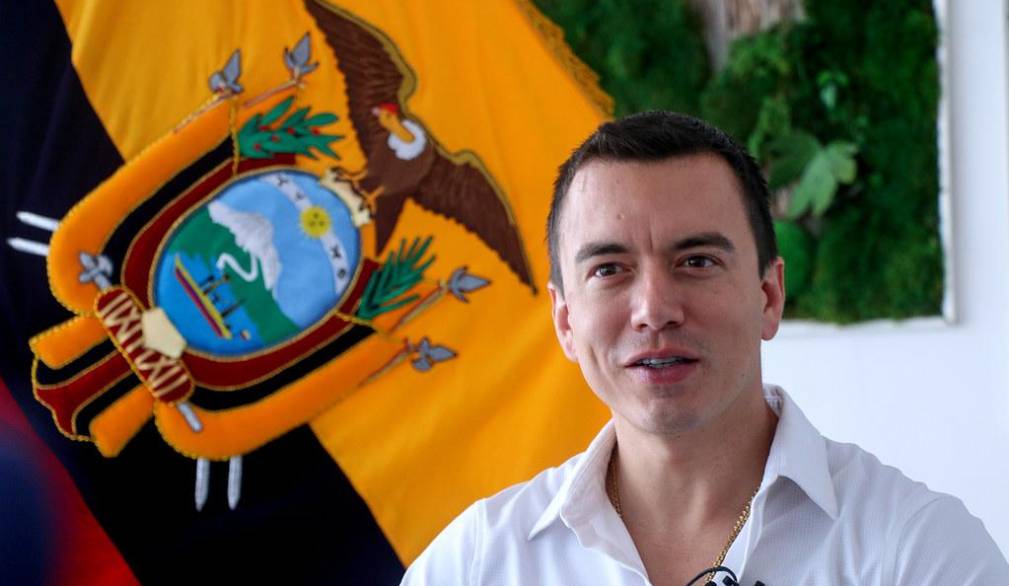
Ecuador’s finance ministry said the development was a milestone that would improve access to financing, support investment and help create jobs, according to the Rio Times. But the ministry also warned that confidence remains fragile and that continuing improvements will depend on maintaining fiscal discipline and containing the country’s security situation.
What We’re Reading
Eritrea and Egypt’s presidents agree to strengthen ‘strategic cooperation’ (Addis Standard)
Ethiopia’s ruling party streaks ahead in early vote count (Bloomberg)
Zambia gets near-unanimous backing for landmark debt-for-energy deal (Reuters)
Pakistan launches deadly air strikes in Afghanistan (BBC)
Malaysia and Thailand feud over seafood trade rules (Straits Times)
Jailed former Thai PM Thaksin granted royal pardon (AP)
Papua New Guinea wins $163mn from IMF (IMF)
Oman’s Duqm special economic zone draws $7.5bn in foreign investments (AGBI)
Saudi Arabia’s NEOM faces $16bn bill to cancel contracts (Semafor)
First planned post-war Saudi Arabia IPO scrapped (Zawya)
Bolivia moves closer to state of emergency amid large-scale protests (France 24)
We are committed to providing FMN readers with a free weekly digest of politically unbiased, succinct and clear news and information from frontier and small emerging markets.
Please consider becoming a paid supporter to help cover some of our costs and support our continued development of sharp markets-focused coverage and new informational products. Paid subscribers will also gain exclusive access to our EM/FM reports that aggregate insights from dozens of major banks, international institutions and consultancies.

Read next


