

🌎 Frontier Markets News, June 5th 2026
A weekly review of key news from global growth markets

Africa
Investors vie to block $1.36bn Zambia bond buyback
A group of Zambia’s creditors are trying to block the government’s plan to buy back a $1.36 billion bond, forcing Lusaka toward negotiations, Bloomberg reports. The bondholder group argues that the government buyback would materially damage their returns, not least by enabling Zambia to sidestep a provision in the notes for a sharp increase in interest payments.
The dispute centers on a time bomb buried in Zambia’s 2024 debt restructuring. The bond currently pays just 0.5% annually, but if an indicator measuring Zambia’s IMF-assessed debt-carrying capacity improves from “weak” to “medium,” the rate jumps to 7.5%, pushing annual interest above $100 million. The indicator sits at 2.6, just below its 2.69 threshold.
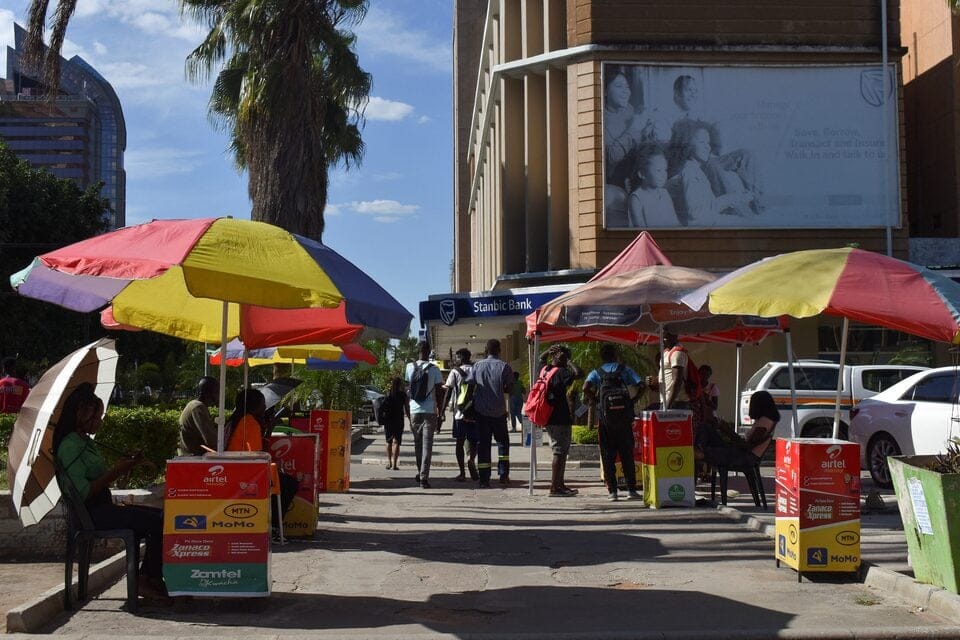
Zambia is funding the buyback through a $600 million concessional loan from the African Development Bank, supplemented by its own resources. Fitch said on Wednesday the buyback does not constitute a distressed debt exchange, but warned the coupon step-up will probably be triggered if the bond is not fully retired.
Ethiopia’s Abiy cruises toward election win
Ethiopian Prime Minister Abiy Ahmed’s Prosperity Party is on course for a sweeping parliamentary victory after Monday’s general election, with results due June 11. The party currently controls 457 of 547 seats in the lower house, and another landslide would give Abiy a near-uncontested mandate heading into a second full term.
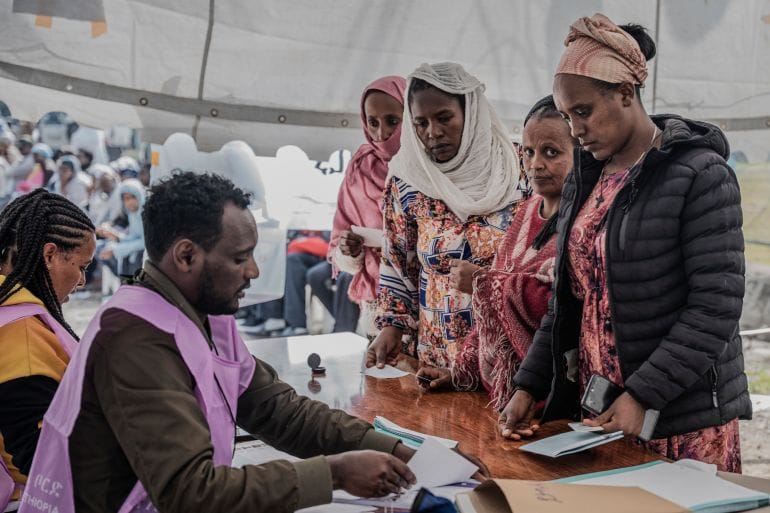
The opposition stands little chance. Of the more than 40 parties competing, many are hobbled by internal rivalries, and all face a lack of national financing and a federal government accused of imposing legal obstacles on their campaigns—charges Addis Ababa denies. Voting was not held in Tigray at all because of continuing political instability, and was disrupted in 30 constituencies across the Amhara region.
- Ethiopia’s Eurobond holders consider legal action over debt restructuring (Ecofin)
Abiy has staked his domestic credibility on boosting economic growth, which officials project will top 10% in 2026—among the fastest rates on the continent. Having a consolidated parliament would accelerate his push for sweeping economic reforms and support his controversial bid to gain access to the Red Sea.
Gold miners look to rebalance country risk
Barrick Mining is weighing a possible London listing for its African business through a potential all-share transaction with UK-listed Endeavour Mining that could be worth $30 billion. The move comes in the wake of the company’s costly dispute with Mali’s military government, and is part of a determined push to reduce its exposure to countries where the company considers political risk is too high.
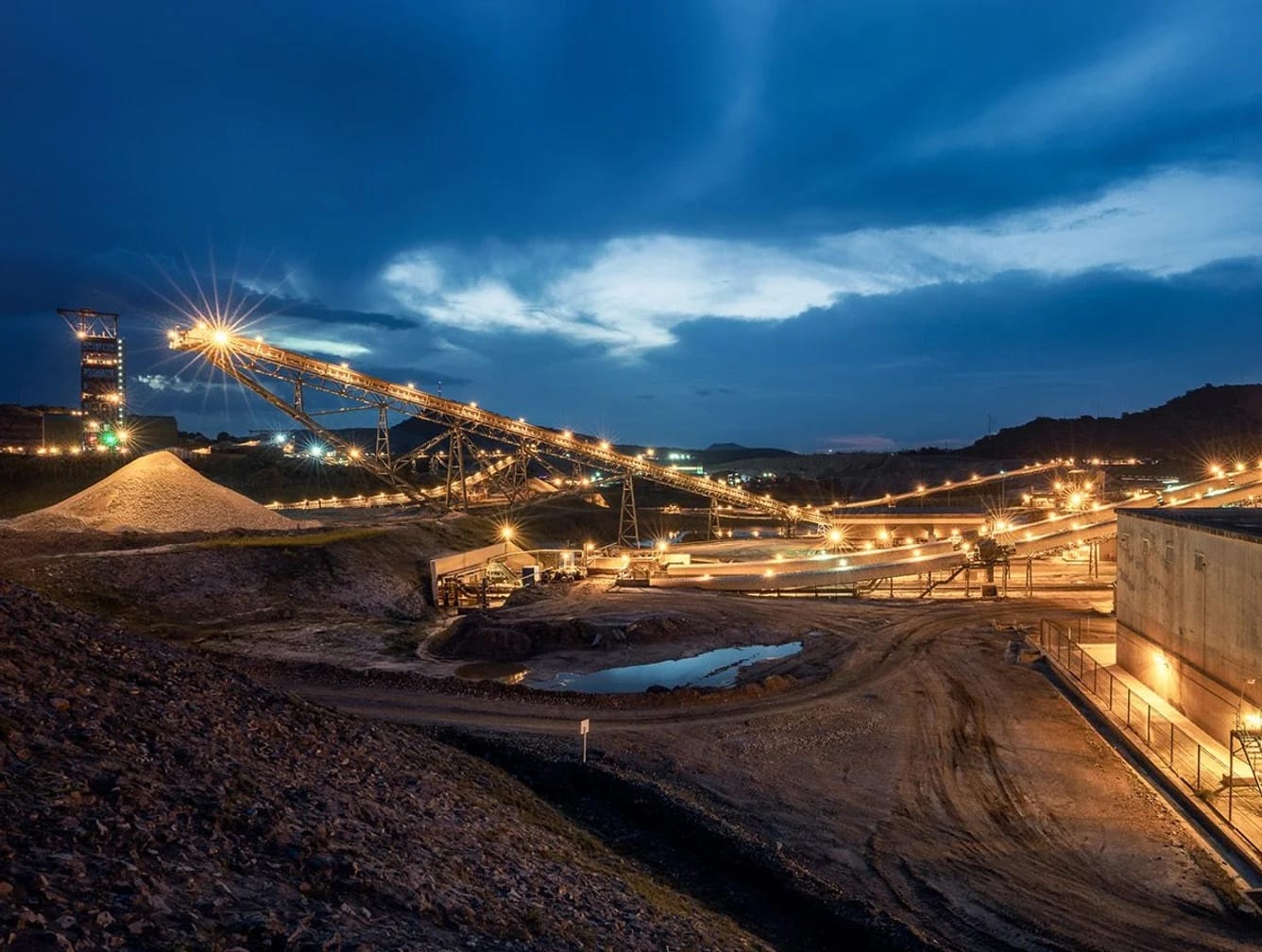
The assets might be a tough sell, however. Zijin Mining’s C$5.5 billion acquisition of Allied Gold, initially set to close in late April has been delayed to July 29, reportedly due to concerns about the acquisition price and Allied’s exposure to Mali through its Sadiola mine, which accounts for roughly half of the company’s output.
The two deals capture a broader tension across the continent’s gold sector. Several mineral-producing countries have revised mining codes to capture a larger share of revenues generated by rising prices. Western majors are repricing that risk and looking for exits. Chinese buyers, historically more tolerant of frontier exposure, are now getting cold feet too.
Asia
Vietnam’s trade deficit hits record high
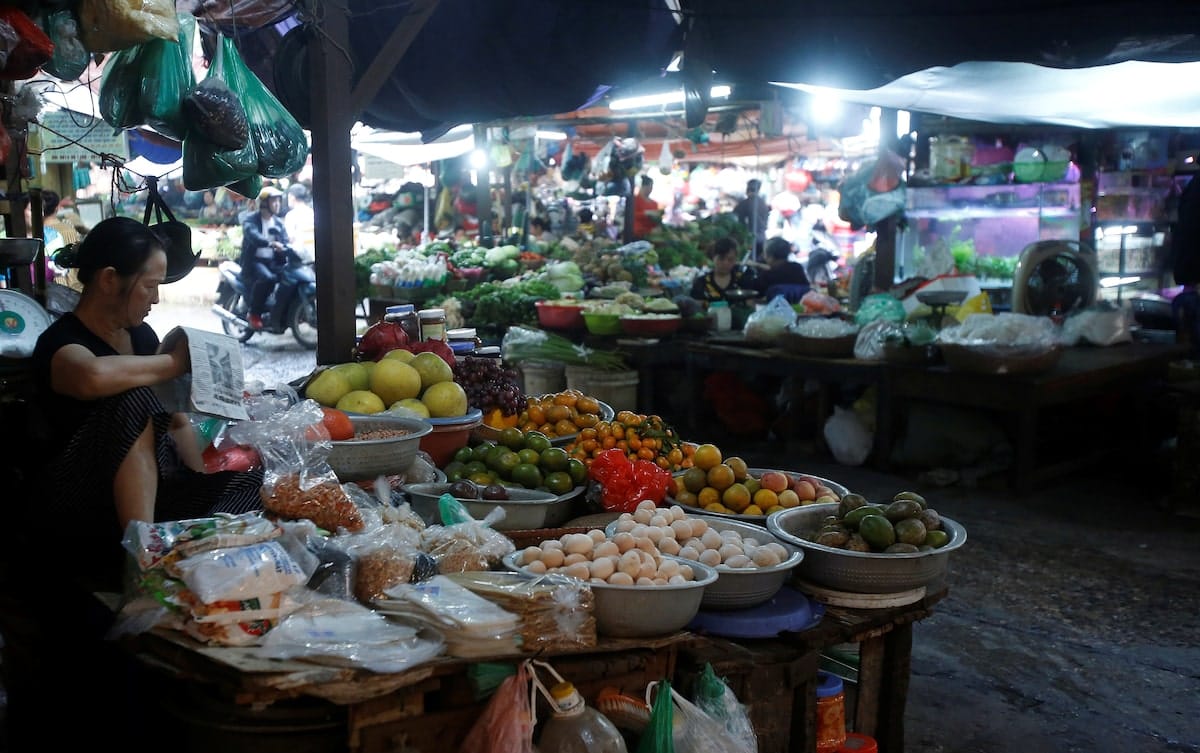
The sharp surge in energy costs caused by the US war on Iran pushed Vietnam’s trade deficit to a record high in April, Reuters reports. Although exports rose by almost a fifth from the same month last year, imports surged by more than 33% to $52.14 billion, generating a record $5.21 trade deficit, according to official figures.
Inflation is also strengthening in the Southeast Asian nation, hitting 5.6% in May compared to 5.46% in April.
The data release came as Vietnam’s President To Lam wrapped up a three-nation tour of the region. Lam’s visit to Thailand, Singapore and the Philippines is part of a concerted effort to engage more closely with the country’s regional neighbors, The Diplomat reports.
Investor concern grows over Indonesia’s economy
Indonesia’s currency fell to a record low against the dollar this week as market participants became increasingly concerned about the health of the country’s economy, France24 reports. The rupiah has fallen some 7% this year, to become Asia’s worst-performing currency.
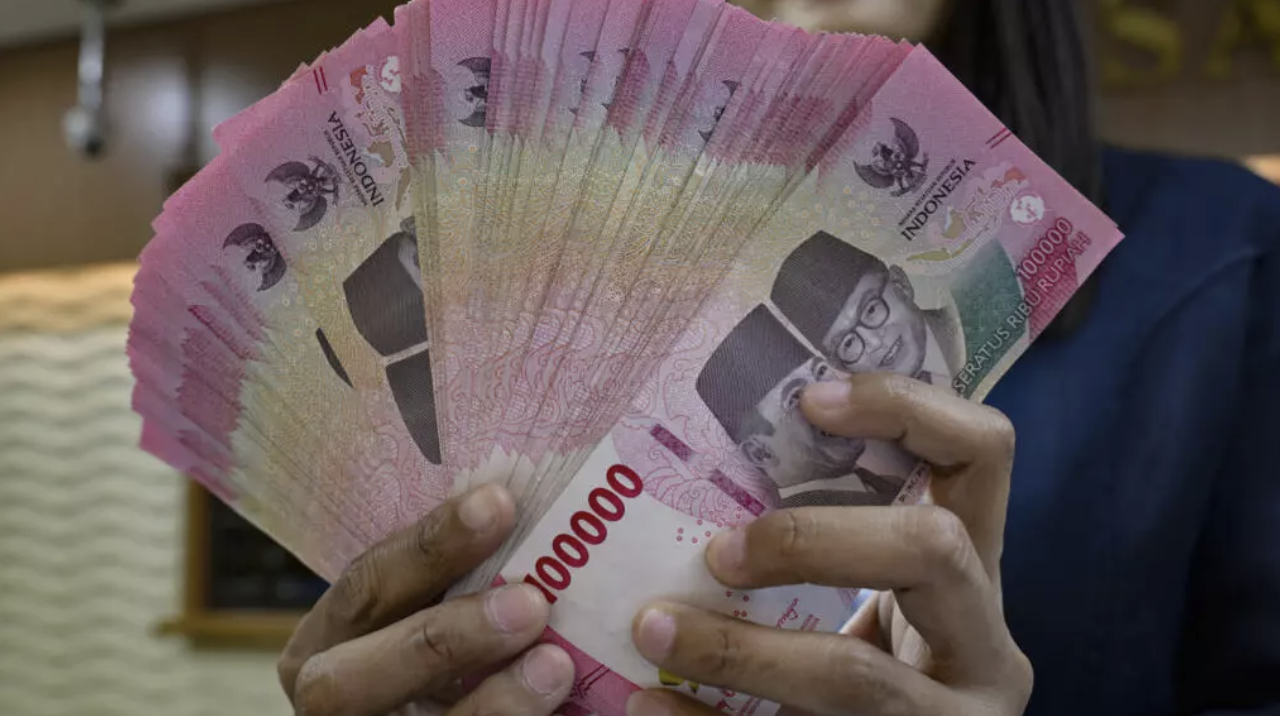
Investors are also concerned that the country’s President Prabowo Subianto is leaning on the central bank to support his mission to increase economic growth. On Thursday, Parliament passed a bill increasing the central bank’s role in managing the economy—a move Prabowo claims will support growth, but that analysts fear could lead to an erosion of central bank independence.
The new legislation is adding to growing concerns that “Prabowo is doubling down on his populist and interventionist approach to policymaking,” research firm Capital Economics wrote in a note this week.
Middle East
Bahrain turns to Eurobond market for funding as Iran war triggers trade slump
Bahrain this week issued a $1 billion 10-year senior unsecured sovereign bond, the first Gulf Cooperation Council (GCC) sovereign borrower to come to market since the outbreak of the war between the US, Israel and Iran in March, Bloomberg reports. The 7.125% yield confirms Bahrain as the weakest GCC sovereign credit, but analysts said the high yield and implicit support from wealthy partners Saudi Arabia and UAE prompted healthy demand for the bonds.
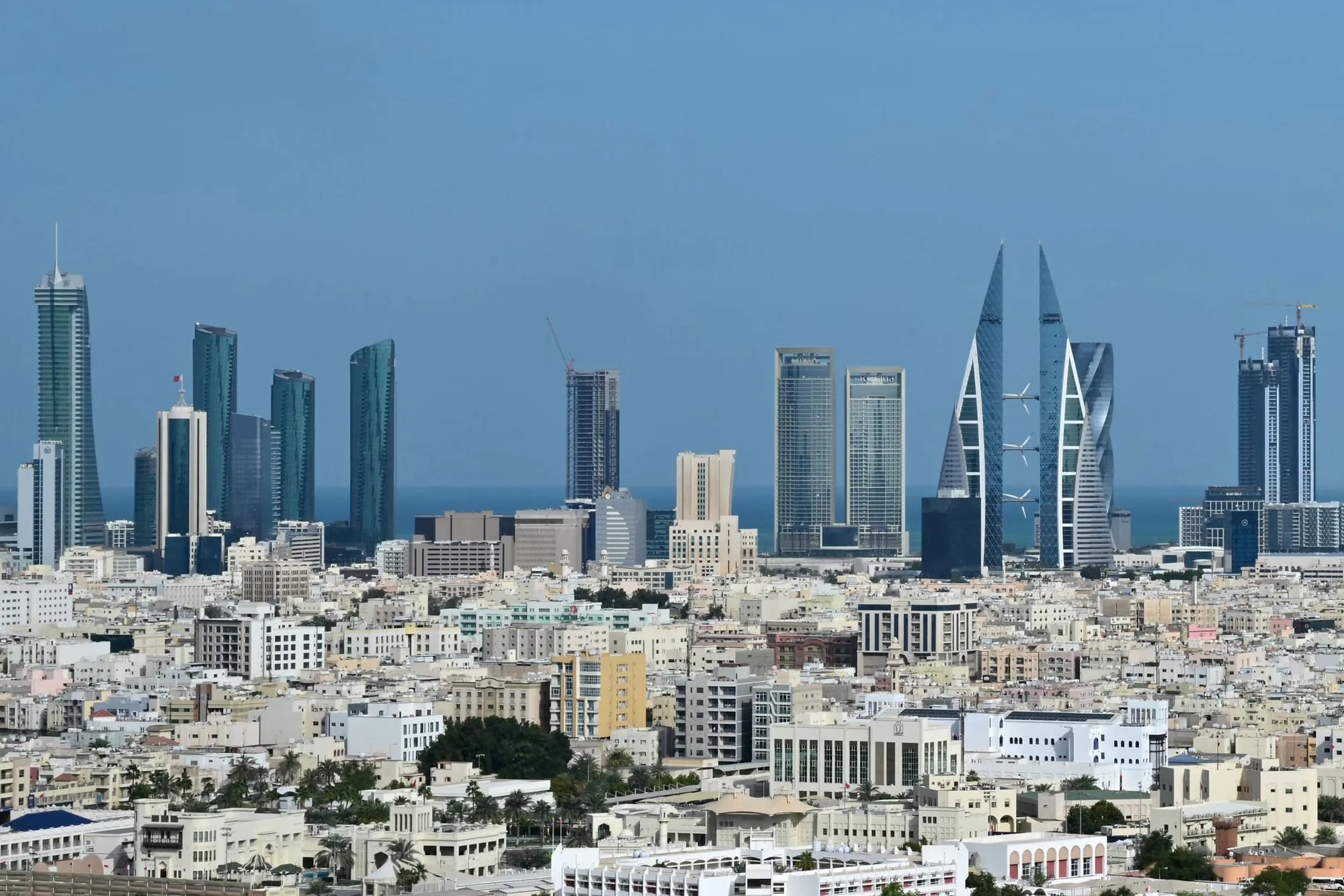
With 140% debt-to-GDP, low foreign exchange reserves, and a history of wide budget deficits, Bahrain is especially exposed to the economic fallout from the war in the Gulf. Oil revenues have collapsed to zero since March—the closure of the Strait of Hormuz is preventing any exports—and non-oil revenues, according to Goldman Sachs, were down 11% in April, prompting a $5.3 billion central bank rescue by the UAE.
- Lebanon and Iraq face sharp growth downgrades from Middle East war (Zawya)
Bahrain is an unlikely leading indicator for other Gulf financings, given its small economy and uniquely distressed credit profile, but its trade performance since the start of the war has been in line with the experience of its peers. First quarter trade fell 14.5% in value terms and non-oil exports fell 10%, in part because, like other GCC countries, Bahrain has few viable alternatives to the Strait of Hormuz chokepoint.
US and Saudi banks target institutional services expansion in Oman
US-listed State Street bank and Saudi Arabia’s Jadwa Investment this week announced a plan to provide custody and asset servicing in Oman, Zawya reports. The GCC is a key strategic focus for State Street, which manages $5.6 trillion in assets, and Oman’s unique position as a beneficiary of the regional geopolitical and trade reshuffle prompted by the war in the Gulf makes it an attractive target for an expansion.
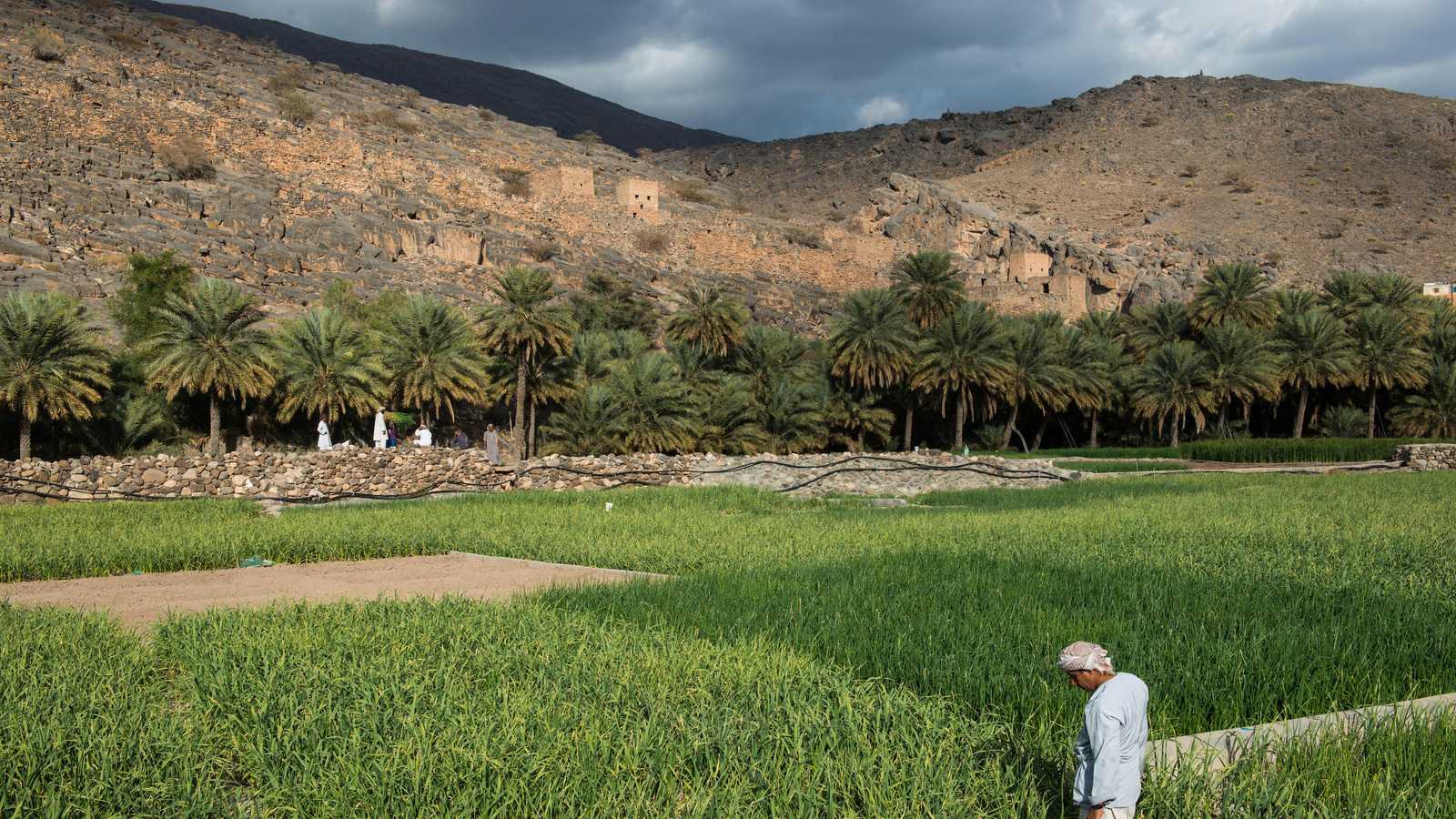
Oman has also begun work this week on a $4.2 billion agricultural development, to help develop local capacity and reduce the need for food for imports. The project, which will deploy hydroponic and aeroponic technologies to accommodate the local environment, is set for completion in 2028.
Europe
EBRD cuts Emerging Europe growth forecasts as energy shock bites
The European Bank for Reconstruction and Development this week lowered its 2026 growth outlook with downgrades falling hardest on emerging Europe due largely to energy price increases caused by the conflicts in the Middle East. The bank now sees growth across its regions at 3.1% this year, half a percentage point below its February projection.
Within Europe, the south-eastern EU was cut a full point to around 0.5%, dragged down by Romania, whose forecast was slashed 1.4 percentage points to a 0.2% contraction amid fiscal tightening and political uncertainty. The EBRD also trimmed its projections for Central Europe and the Baltics (to 2.8%), the Western Balkans (2.9%) and Ukraine (2.2%).

Increased energy costs have reignited inflation across the region, which is up 1.2 percentage points to 6.4% on average since February, with the sharpest squeeze in lower-income economies, where food and energy make up a bigger share of household budgets.
Czech ministry proposes pension overhaul to lift returns
The Czech finance ministry plans to reduce fees on private pension funds and to encourage savers to steer more of their assets into equities, in a bid to boost long-term returns, Reuters reports. The plan would cut the charges fund managers levy to a flat rate of 0.5% and raise the share of savings allowed in higher-return, higher-risk assets.
- Czech leader claims pro-Trump advantage in defense spending miss (FT)
Conservative allocations and high fees have limited retirement pots in the Czech system. Economists behind the new proposal argue it could triple pension payouts.
Armenia’s election to gauge enthusiasm for pivot toward the West
Armenians vote on June 7 in a parliamentary election that doubles as a confidence check on Prime Minister Nikol Pashinyan’s effort to steer the country away from Russia and secure peace with Azerbaijan, DW reports. Polls give his Civil Contract Party roughly 30% of support from decided voters, with a fragmented, traditionally pro-Russian opposition trailing far behind with 6% to 11% of support.
- Opinion: Turkey’s frozen frontier with Armenia starts to thaw (FT)
The Kremlin has piled on pressure ahead of the vote. It demanded a referendum on Armenia’s EU ambitions—which Pashinyan rejected as “unreasonable”—recalled its ambassador, banned a range of Armenian exports and threatened to cut off cheap gas and oil. The EU has accused Moscow of trying to cripple an economy that still sends about a third of its exports to Russia.
Ukraine turns the tide as ceasefire prospects firm
A shift in battlefield momentum is increasing the possibility of a ceasefire as Ukraine’s improved military position changes the calculus for negotiations, writes Jack Watling for Foreign Affairs. Ukraine’s forces are benefitting from improved integration of drones, longer pre-combat training for troops, and an increased inflow of personnel to combat groups, which reversed declines in 2024 and 2025.
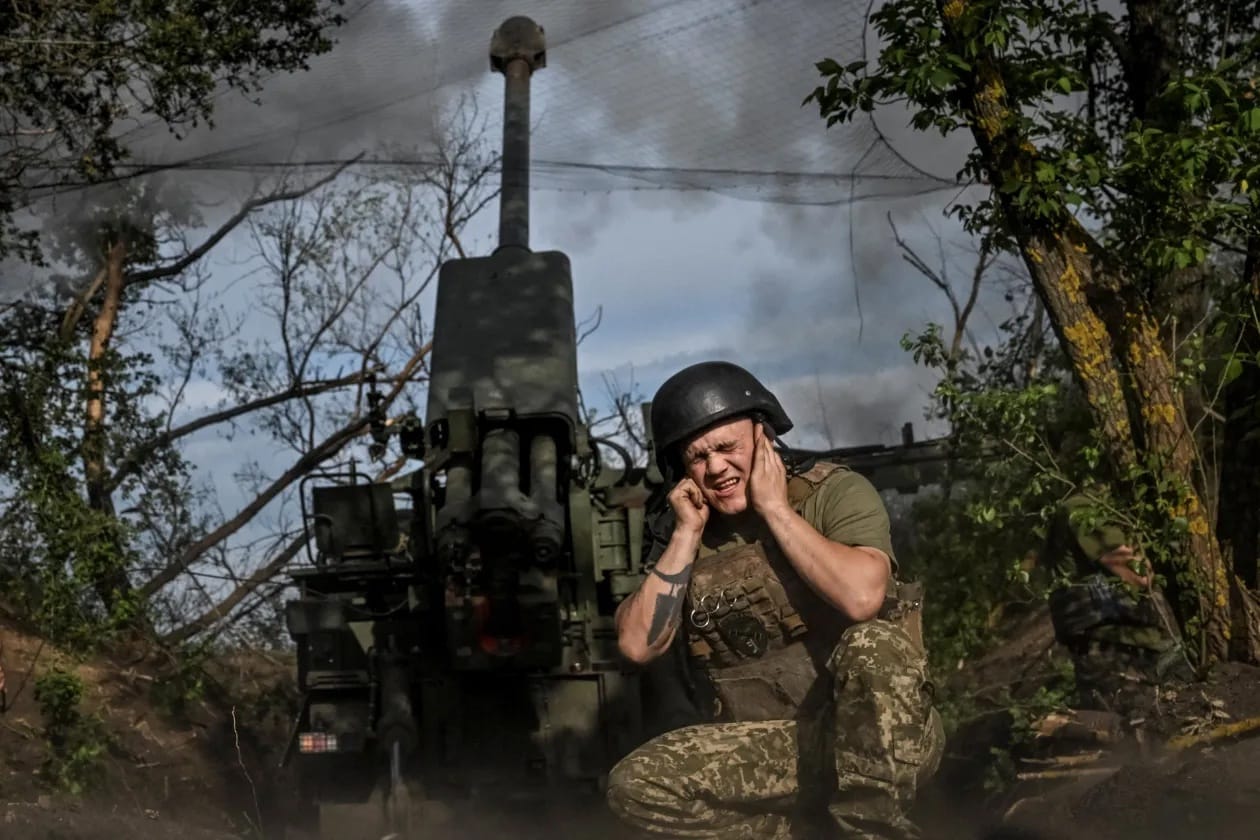
Still, the war’s economic toll remains acute. This week the CEO of Ukraine’s state railway Ukrzaliznytsia told Reuters the network will have to sharply raise freight tariffs after a surge in Russian attacks on trains and supporting infrastructure.
Russia has also intensified its aerial assault on Ukraine, pummeling industrial and residential areas with waves of drones and missiles.
Latin America
Ecuador scraps tariff on Colombian imports
Ecuadorean authorities lifted a recently imposed 100% tariff on Colombian imports this week following a phone call between President Daniel Noboa and Colombian presidential candidate Abelardo de la Espriella, AP reports. Colombia’s government responded by reducing its own tariffs on Ecuador, Bloomberg reports.
- Pro-Trump candidate takes lead in Colombia’s presidential race (AP)
While Colombian businesses celebrated Ecuador’s decision, the country’s foreign ministry condemned it as “deliberate interference” in the country’s ongoing presidential election process.

Ecuador had progressively raised tariffs on Colombian goods from 30% to 100% since January, citing what it described as Colombia’s failure to secure their shared border against drug trafficking. Colombia responded with tariffs of up to 75% on Ecuadorian products and suspended electricity exports to Ecuador.
Noboa framed his conversation with de la Espriella as one with an “administration-in-waiting,” saying the two had “reached an agreement” on trade and security, the BBC reports. The episode underscored the degree to which Colombia’s June 21 presidential runoff has become a proxy contest for the broader regional alignment debate.
Argentina applies to join Pacific trade bloc
Argentina continued its efforts to grow its global trading relationships this week, applying to join the Comprehensive and Progressive Agreement for Trans-Pacific Partnership, Reuters reports. The move makes Argentina the first South American country outside the existing 12-member bloc to formally seek accession to the agreement.
The CPTPP, established in 2018, covers approximately 600 million people and includes Australia, Brunei, Canada, Chile, Japan, Malaysia, Mexico, New Zealand, Peru, Singapore, the United Kingdom and Vietnam.
The CPTPP application follows a period of sustained improvement in Argentina’s market standing. As optimism about the economy’s prospects grow, foreign investors who had reduced their exposure, such as Stanley Druckenmiller’s Duquesne Family Office, are returning to Argentine equities, Bloomberg reports.
What We’re Reading
Guinea’s Simandou iron exports surge six months after first ore (Bloomberg)
Ghana raises growth forecast as reform gains weather Iran impact (Bloomberg)
Clashes erupt in Somalia’s capital ahead of a planned anti-government rally (AP)
Zimbabwe introduces bill to extend 83-year-old president’s term (AP)
Mauritania in talks for potential US backing for first uranium mine (Ecofin)
BofA sees strong African deal flow despite global turmoil (Bloomberg)
Cambodia launches UN-backed process to settle maritime dispute with Thailand (Reuters)
Kyrgyzstan wins first-ever seat on UN security council (Times of Central Asia)
Standard Chartered signs $100mn deal with AIIB for infrastructure-related trade in EMs and FMs (AIIB)
Syria receives $1.5bn aid pledge from Saudi Arabia (Semafor)
Iran war hands Syria windfall as airlines reroute over its airspace (Reuters)
Lebanon’s finance ministry acknowledges shortcomings in response to IMF corruption report (L’Orient Today)
Saudi Arabia to expand capacity at Mecca with slew of construction contracts (Semafor)
Iraq to boost oil exports in Kirkuk-Ceyhan pipeline to offset losses from Hormuz closure (Bloomberg)
Corruption investigation of Iraq’s deputy oil minister results in seizure of $10 million and 40 properties (The National)
All EU members greenlight first step in accession talks, Ukraine PM says (Reuters)
Hungary secures more EU funds than it can spend (FT)
Hungarian PM to remove president and other ‘Orbán puppets’ from office (FT)
Moldova’s ‘Plan B’ for EU accession is to join Romania, deputy PM says (Euractiv)
Bulgaria stops US military aircraft refueling after crossing swords with Trump (Balkan Insight)
Albanian protests mount against Kushner-linked luxury resort (Balkan Insight)
Spanish hospitality groups leave Cuba after pressure from Trump (EuroNews)
Panama passes bill to enable removal from EU tax haven list by October (Bloomberg Tax)
Bolivia’s defense minister resigns as anti-government protests intensify (Reuters)
Venezuela’s oil exports rose to 1.25mn bpd in May (EnergyNow)
Chilean economic activity posts another surprise fall (Scotiabank Latam Daily)
We are committed to providing FMN readers with a free weekly digest of politically unbiased, succinct and clear news and information from frontier and small emerging markets.
Please consider becoming a paid supporter to help cover some of our costs and support our continued development of sharp markets-focused coverage and new informational products. Paid subscribers will also gain exclusive access to our EM/FM reports that aggregate insights from dozens of major banks, international institutions and consultancies.

Read next


