

🌍 Frontier Markets News, June 19th, 2026
A weekly review of key news from global growth markets

Africa
Blended finance helps bridge infrastructure gaps
Landlocked and port-poor economies across Africa have long suffered steep logistics costs that erode trade competitiveness, but two projects advancing this week suggest that gap is increasingly being closed through blended financing.
Guinea ratified a €140 million ($162.5 million) Islamic Development Bank (IsDB) package to pave the 53-kilometer Mali–Gadaloudjé stretch of a 107-kilometer corridor linking the country to Senegal. The financing complements an $80.9 million African Development Bank loan from late 2024 covering the rest of the route, and is meant to give Malian exporters an alternative path to Guinea’s Conakry port, supplementing the existing Dakar–Bamako corridor.
- Lesotho signs $6.2bn hydropower and AI data center deal (Yahoo Finance)
In Uganda, the IsDB approved €650.75 million for the long-delayed Malaba–Kampala standard gauge railway, part of a €2.7 billion project that has struggled to find financing since 2015 and saw its construction contract shift from China Harbour Engineering Company to Turkey’s Yapi Merkezi. The funding stack is split between export credit agencies (60%), development finance institutions (25%), and sharia-compliant sukuk vehicles (15%), with Citibank as lead arranger.
The railway would link Uganda to Kenya’s rail network and the Port of Mombasa, cutting freight transit from around five days to under 24 hours and lowering transport costs by as much as 40%.
Senegal’s IMF talks fail to reassure Investors
An IMF team has been in Senegal this week to try to resolve the country’s persistent debt concerns, but two people familiar with the discussions told Reuters that no deal is expected from this round. Both sides are reportedly still divided over how to handle a debt load that has locked Senegal out of international capital markets and left it rolling over short-term regional borrowing to stay current.
The political backdrop has shifted, however. Ousmane Sonko, ousted as prime minister last month and now the speaker of parliament, said he’s open to a restructuring, a marked reversal from his November stance when he called the idea a “disgrace.” Sonko warned he’d still resist any deal he sees as sacrificing long-term reform goals for short-term fiscal benefits.
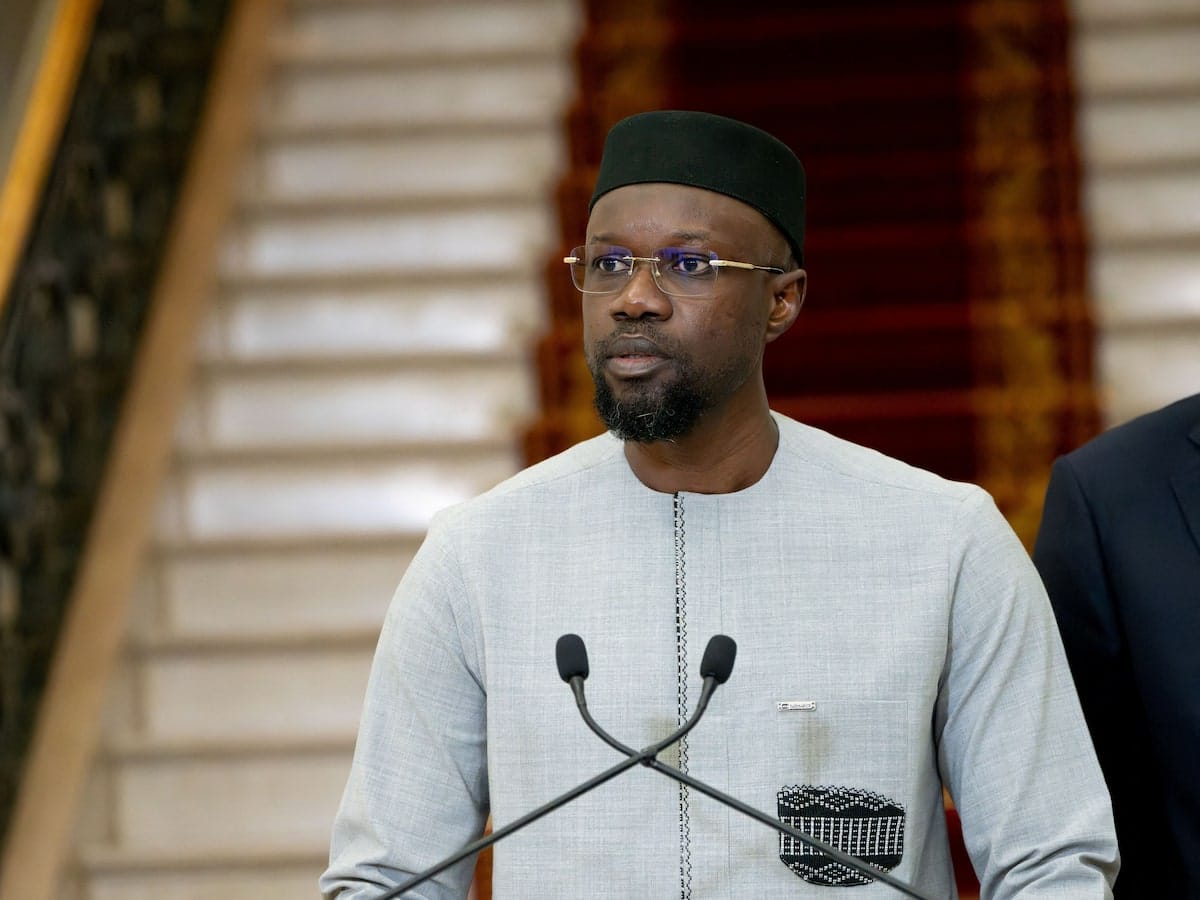
Yassine Fall, Senegal’s outgoing justice minister and now vice-chair of Sonko’s Pastef party, said the IMF wants to dictate a restructuring plan to Dakar rather than negotiate one, and added that any deal struck now would lock in terms before Senegal’s emerging oil and gas revenues come online.
“Senegal has a liquidity problem, but it doesn’t have a problem of assets and natural resources,” she told the East African.
Ethiopia moves to shore up currency
Ethiopian authorities have sold more than $2 billion in dollars so far this year in an attempt both to support the country’s ailing currency and to ease chronic dollar shortages for importers, Bloomberg reports.
The country’s central bank sold $100 million in a special auction this week, drawing bids of $236 million. The sale follows a $500 million round a month earlier that drew twice that amount in bids, driven by pent-up demand from agriculture and petroleum importers.
The government is hoping the interventions will also narrow the gap between the official and the informal exchange rates, and satisfy an IMF demand for more transparency in the foreign exchange market. The birr has weakened 2.3% this year—after plunging 18% in 2025—and ranks among Africa’s worst performers.
Asia
Myanmar’s coup leader expands international recognition
Myanmar’s President Min Haung Hlaing, who led the 2021 military coup that ousted the country’s democratic government, spent this week on a state visit to China, winning legitimacy for his rule from the war-torn country’s most important trading partner, Reuters reports. The trip came just two weeks after he returned from a similar visit to India.
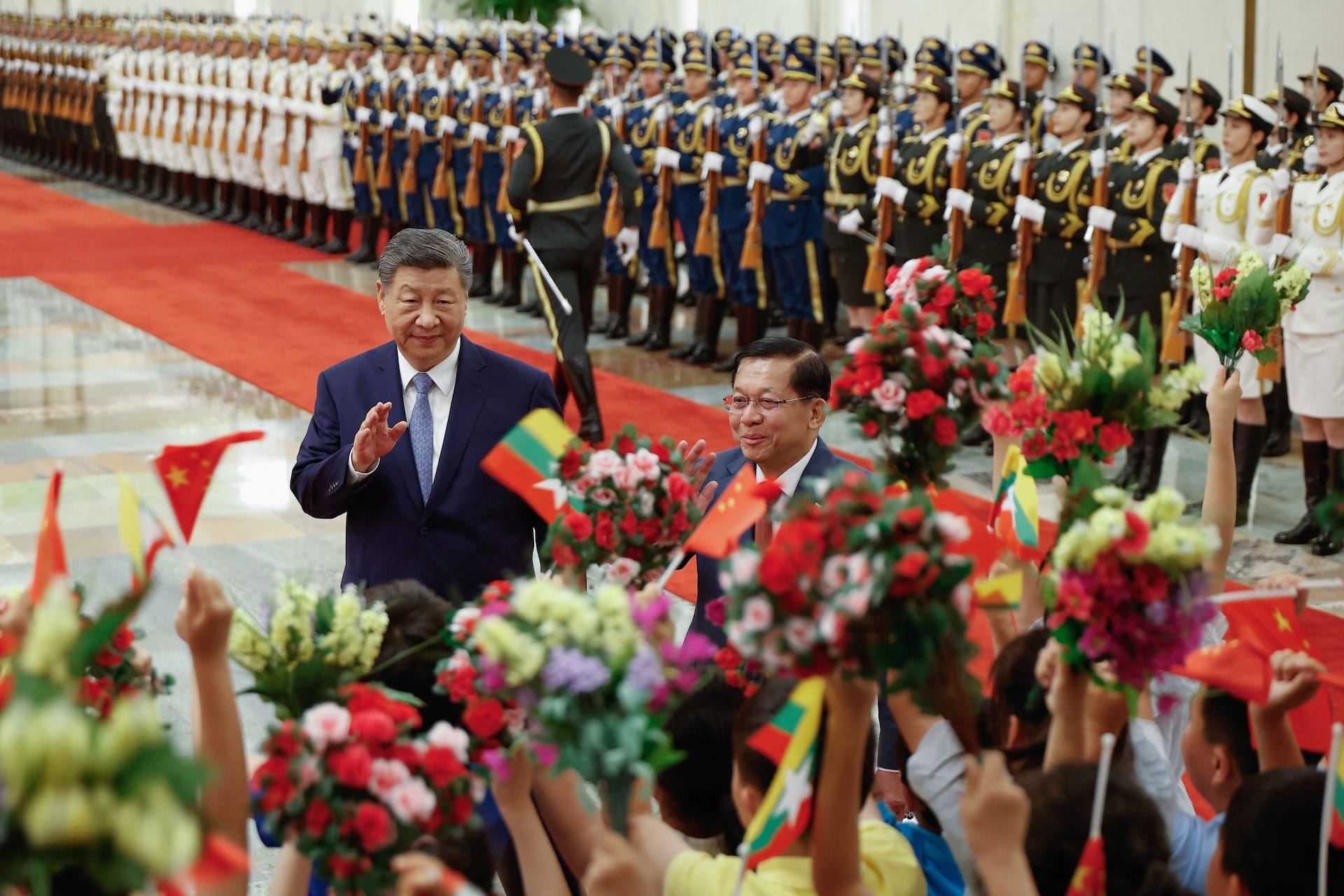
The two countries signed deals on “transport” and “livelihood” after Myanmar’s leader met his Chinese counterpart Xi Jinping, according to a Chinese readout. Beijing has long been pushing Myanmar to grant it access to a port on the Indian Ocean, the Economist reports. That would allow China to bypass the Strait of Malacca, an international chokepoint.
Min Aung Hlaing assumed the presidency in April after winning an election that international observers described as a sham.
Son of former Sri Lankan president arrested on corruption charges
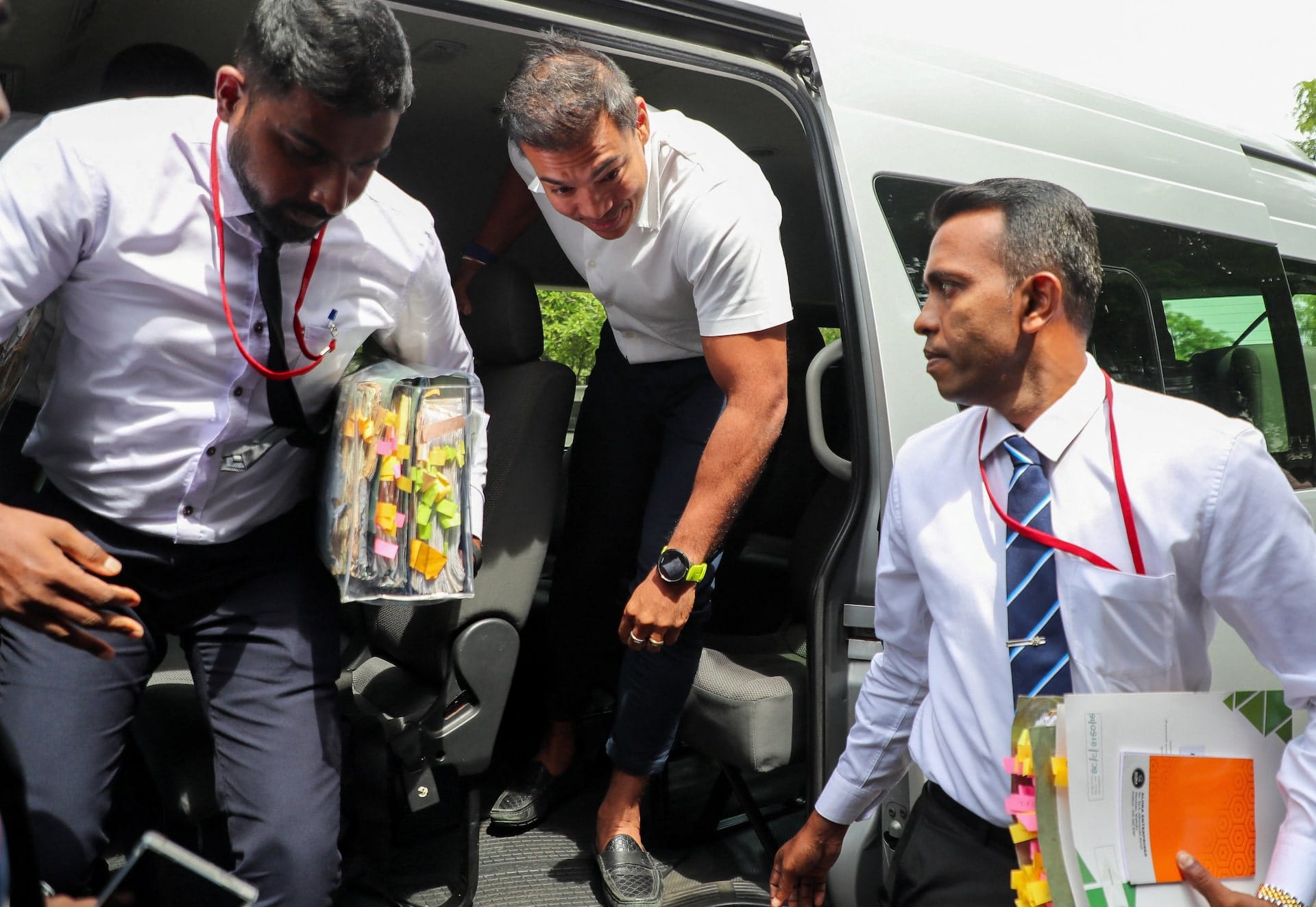
Sri Lankan authorities arrested the son of former President Mahinda Rajapaksa on charges of bribery and corruption, police announced on Wednesday.
The court subsequently released the younger Rajapaksa on bail, Reuters reports. The investigation relates to his entry into the Sri Lankan navy 20 years ago.
Sri Lanka’s president, Anura Kumara Dissanayake, has made fighting corruption a pillar of his platform. But since taking office in September 2024, his administration has made a series of missteps, including failing to fulfill a promise to hold provincial elections, that could cost it goodwill, according to the East Asia Forum.
Kazakhstan to build $10bn data center hub with Nvidia support
Kazakhstan signed a deal with AI infrastructure company Firebird on Monday that aims to create a cluster of data centers powered by 100,000 of Nvidia’s most advanced chips.
The plan calls for $5 billion in initial investment—20% of which will be provided by Kazakhstan’s state-owned telecom firm Kazakhtelecom—to get the facility ready by next year. Kazakhtelecom will be responsible for securing the electricity and cooling for the 125 megawatt facility, Bloomberg reports.
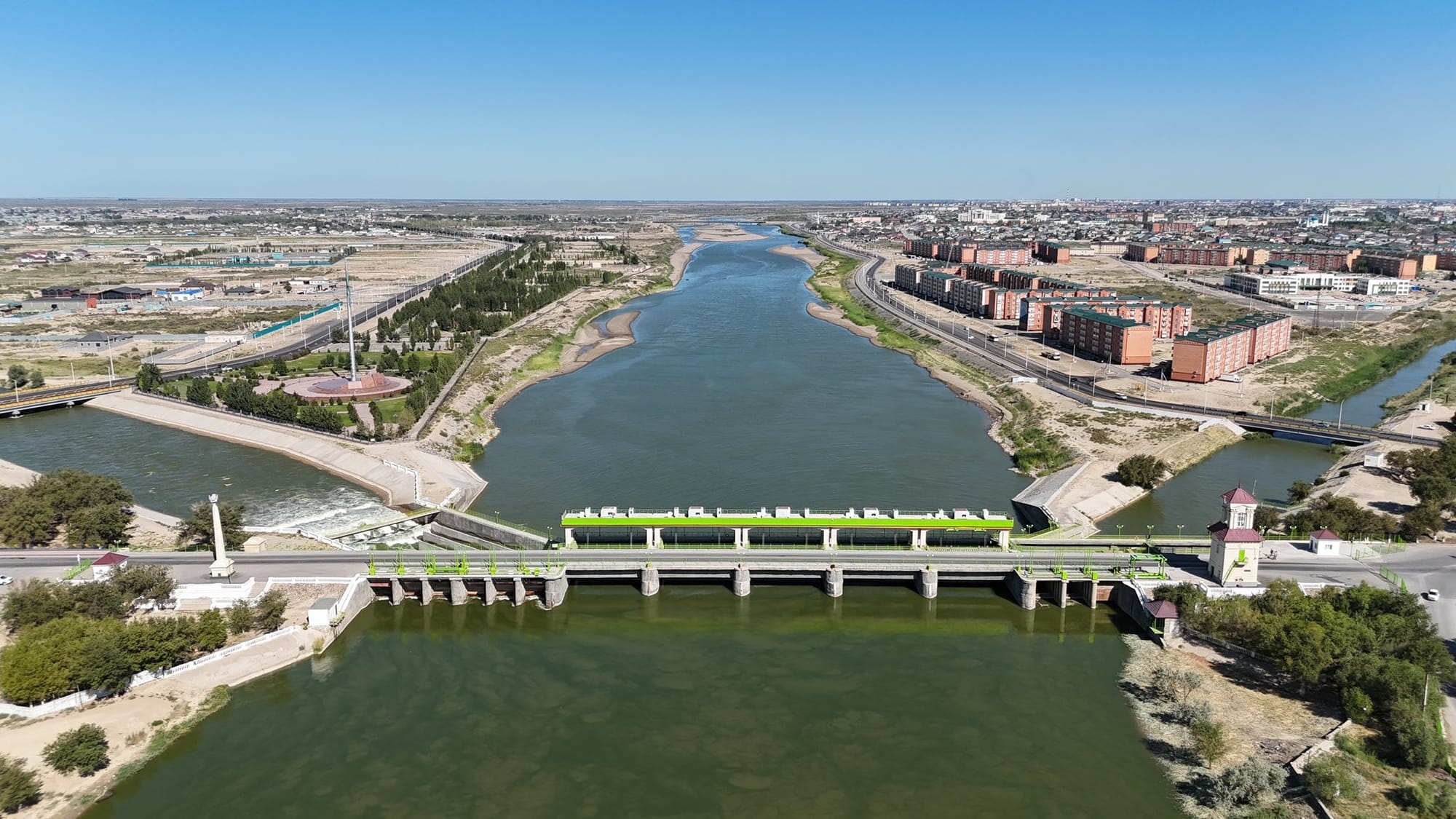
It is not clear how the country, which has deteriorating water infrastructure, will deal with the water needs for the project. In 2021, the UN Development Program estimated that Kazakhstan would have shortfalls amounting to half its water needs by 2040.
Middle East
Lebanon and Saudi Arabia to restore trade ties
Lebanon is sending a high level trade delegation to Saudi Arabia, aiming to restore a crucial economic lifeline and secure foreign direct investment to kick-start its ailing economy, AGBI reports. Lebanon’s industry minister is reportedly planning on hosting a trade exhibition in Saudi Arabia, which until a trade embargo in 2021—a consequence of Riyadh’s opposition to Hezbollah—was among the country’s largest export destinations and sources of foreign investment.
- Lebanon’s cabinet tees up partial privatization of Beirut Airport (L’Orient Today)
Saudi Arabia lifted the trade embargo on Lebanon last week at the request of President Joseph Aoun’s reformist, anti-Hezbollah government, which has spent the past year courting Saudi Arabia as an ally. Riyadh has shown a keen interest in weakening Hezbollah’s power in the region, and promised to “take all necessary measures to ensure Lebanon is not used to harm its brotherly countries.”
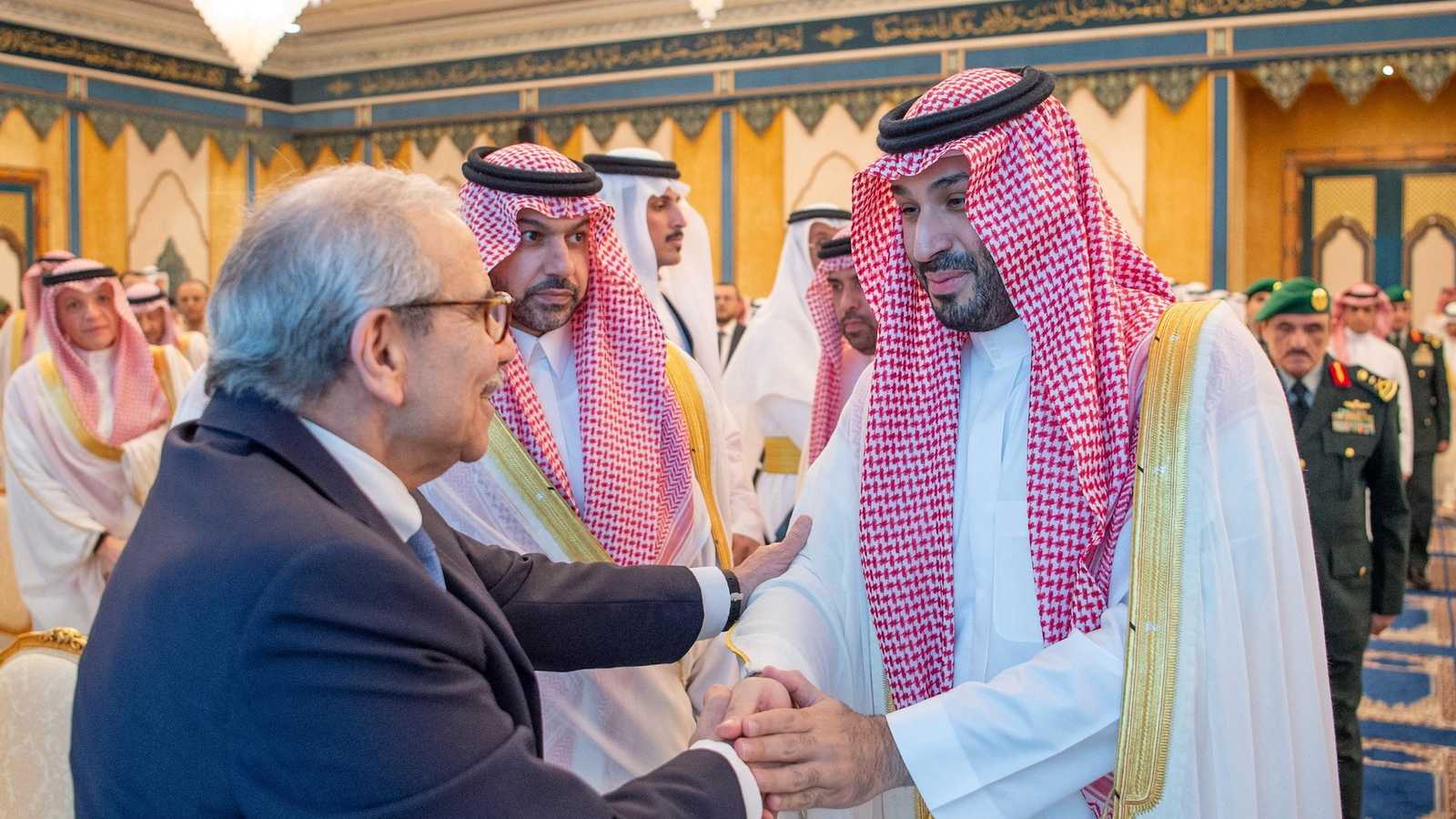
Some analysts suggested Riyadh’s decision is less a vote of confidence than a sign of concern over Beirut’s inability to control its borders, disarm Hezbollah, and rehabilitate its economy. Lebanon has been pushing for more financial support from the IMF, but a “courtesy visit“ this week suggests the Fund is primarily concerned with limiting the fallout from the Iran war.
Jordan secures more IMF funding
IMF deputy managing director Kenji Okamura this week praised Jordan for maintaining prudent management in the face of “strong headwinds” from regional instability, keeping inflation low despite energy market volatility and higher logistics costs. The comment was part of the multilateral’s fifth review of Jordan’s Extended Fund Facility borrowing program, which found the country in compliance with its economic parameters, and making good progress in implementing structural policy reforms.
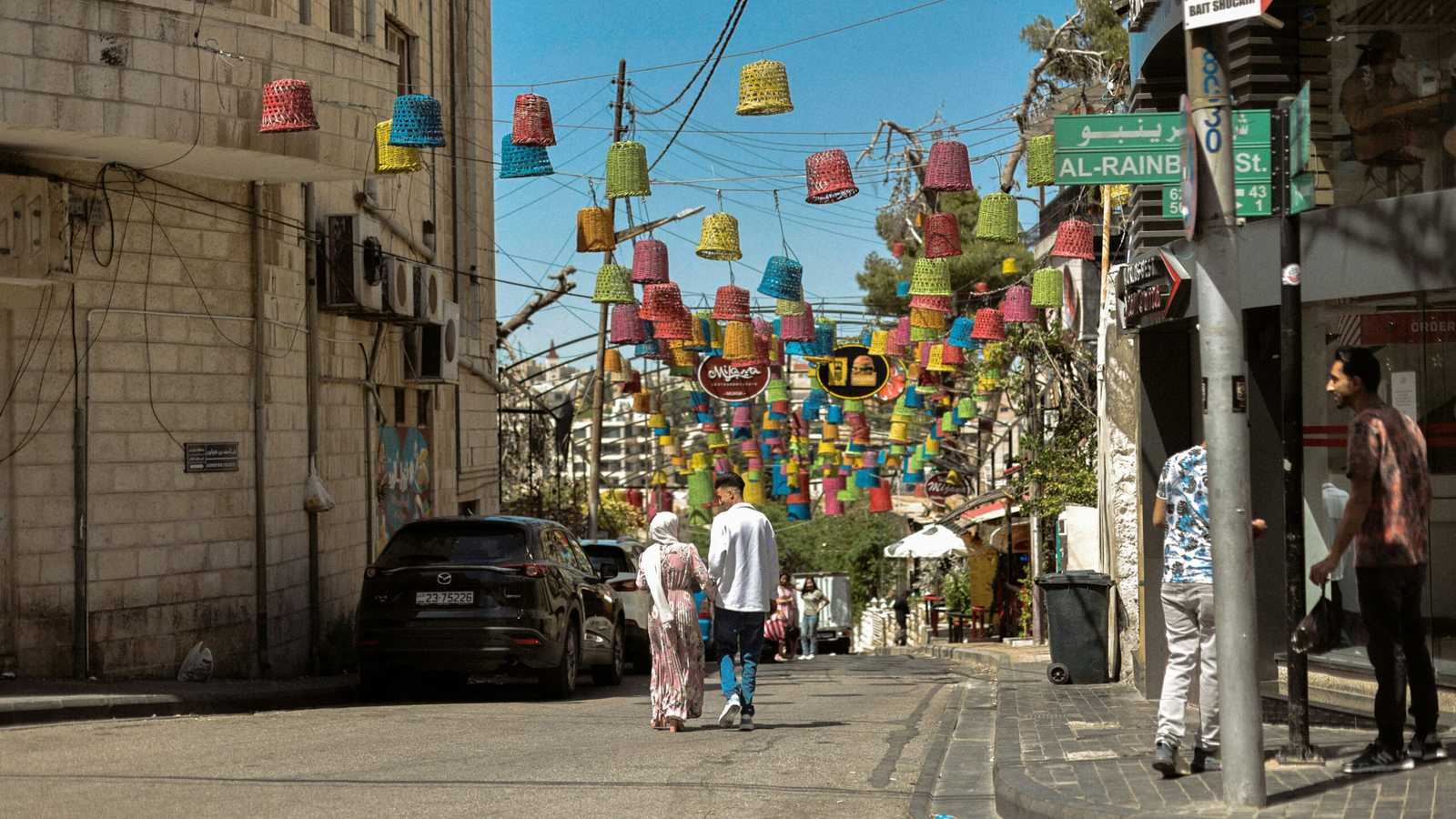
The successful review unlocked a $134 million cash disbursement from its existing program to support balance-of-payments stability and private-sector jobs growth, and another $54 million from an IMF Resilience and Sustainability facility to manage costs from the fallout of the Iran war.
Further progress needs to be made in developing the domestic private sector, the IMF said, and the multilateral advised authorities to remain cautious and maintain fiscal discipline as disruptions arise in the aftermath of the war.
Europe
Poland to graduate from the World Bank’s development program
The World Bank this week approved a new country partnership with Poland through 2031 that will transition the country out of lending agreements with the World Bank’s International Bank for Reconstruction and Development (IBRD). The new partnership is driven by Poland’s success in building and sustaining one of Europe’s strongest economies.
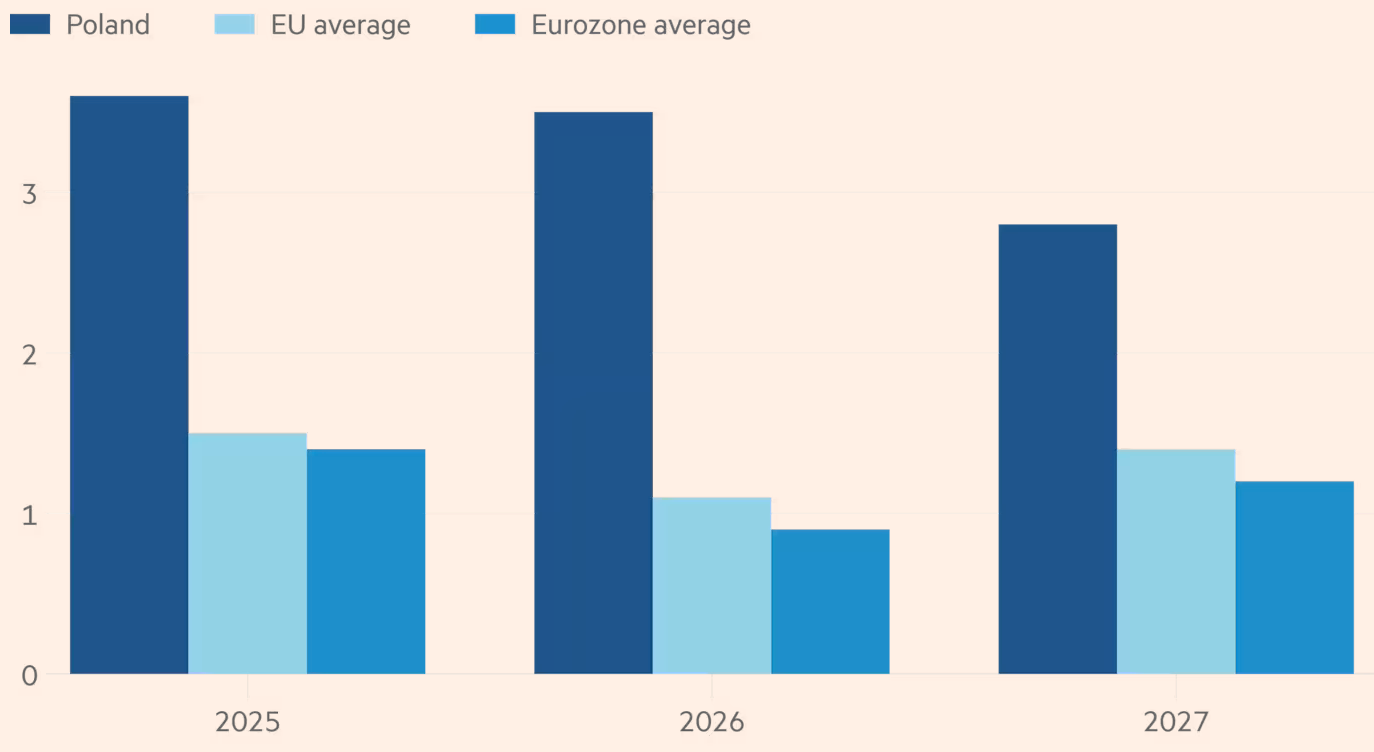
The World Bank has committed approximately $16.5 billion in lending, investment, and advisory operations to Poland since 1990. During that time period, Poland’s real GDP has tripled, and the unemployment rate today is one of the lowest in the EU, the FT reports.
Poland’s departure from the World Bank’s development arm will leave Romania, Bulgaria and Croatia as the only EU member states eligible for IBRD borrowing.
Albanian PM in the crosshairs as protests over Kushner resort intensify
Albanians have turned out en masse for the past two weeks to protest against a $1.4 billion luxury development led by US President Donald Trump’s son-in-law Jared Kushner and Trump’s daughter Ivanka, NPR reports. Opponents of the project are increasingly blaming Prime Minister Edi Rama for enabling it.
Ownership of the land to be developed is contested, with locals saying they were not consulted on its sale and the public outraged that once-publicly accessible beaches were fenced off. The development site had been protected under an EU treaty to preserve areas of ecological significance, but Rama rolled back those protections in 2024 as Kushner showed increased interest in development. The EU warned Rama’s government that not meeting the bloc’s environmental standards could jeopardize Albania’s accession process.
- Albanian prosecutors target drug money and construction magnates (Balkan Insight)
Rama has been deeply critical of the protests, which now represent one of the largest anti-government demonstrations in Albania since the fall of communism in 1991.
Ukraine, Moldova and Montenegro make progress on EU accession
Ukraine and Moldova this week formally opened accession talks with the EU, after the recent leadership change in Hungary removed a key hurdle to the process, Radio Free Europe reports. Hungary’s former prime minister Viktor Orbán, had vowed to block the process, but the country’s recently elected leader Peter Magyar says he won’t veto it.
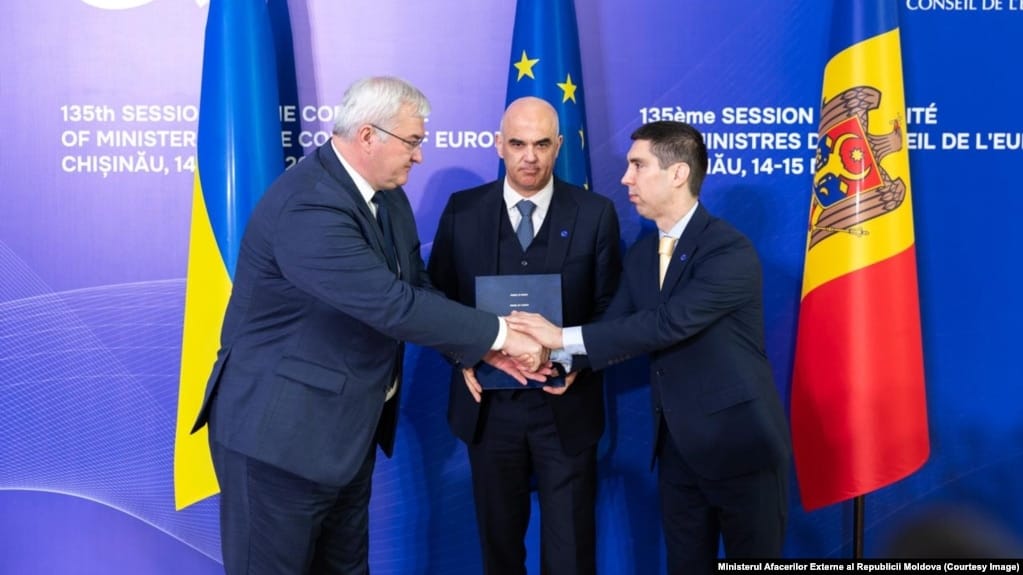
The two countries have laid out ambitious timelines for joining the EU. Ukraine is aiming to meet all EU requirements by next year, and Moldova hopes to do the same by 2028.
Far further along in the process is Montenegro, which had completed just under half of the requirements as of this week. Montenegro began working on EU-related reforms in 2013 and is likely to succeed in joining the bloc by the end of this decade.
Latin America
Oil giants tiptoe back to Venezuela
Venezuela granted Shell a 30-year license to exploit the Dragon offshore gas field, with Trinidad and Tobago’s energy minister confirming that 1.7 trillion cubic feet of gas will be exported to his country as a result. Bloomberg reports the agreement is part of a broader set of deals between Venezuela and Shell covering the Loran field and other offshore projects that together target more than 11 trillion cubic feet of reserves.
Venezuela and Shell have signed five agreements in total, Reuters reports, giving the energy giant a key role in what could become a significant revival of Venezuela’s offshore gas sector.
- The flaw at the heart of Venezuela’s oil revival (The New Yorker)
The move comes after oilfield services firm SLB signed a long-term framework agreement with Venezuela’s state oil company PDVSA last week, committing to support the revitalization and digital transformation of the country’s oil and gas industry. According to Reuters, the deal is the most significant technical services agreement PDVSA has signed with a Western company in years, and follows the broader pattern of Venezuela’s re-engagement with international energy markets since its debt restructuring announcement in May.
Argentina wins rating upgrade
Credit-ratings firm S&P Global has raised Argentina’s long- and short-term sovereign credit ratings to B-/B from CCC+/C, citing the country’s improved fiscal position, reduced economic vulnerabilities, and gradually improving external liquidity. Economy minister Luis Caputo hailed the upgrade, which aligns S&P with Fitch Ratings and triggered a rally in Argentine bonds, with the 2035 benchmark hitting a record high.
- Milei pushes forward with reforms (Buenos Aires Times)
The upgrade followed a strong run of official data. Reuters reports that Argentina posted a primary fiscal surplus of 1,924 billion pesos ($1.34 billion) in May, extending the government’s unbroken monthly surplus streak under President Javier Milei. Separately, official data released on June 11 showed consumer price inflation had slowed to 2.1% month-on-month in May, the lowest monthly reading in eight months and slightly below analysts’ forecasts of 2.3%.
What We’re Reading
China’s African tariff removals and trade surge spur yuan adoption (Reuters)
Kenya and EU agree to deepen trade and digital ties (The Star)
Kenya plan to sell citizens’ data draws criticism (Semafor)
Kenya and US close in on critical minerals deal, Ruto says (Reuters)
Sugar export decline narrows Eswatini’s trade surplus (The Times of Eswatini)
Boko Haram and ISWAP fight to control Lake Chad (African Defense Forum)
Cameroon banana shipments jump 20% in first five months of 2026 (Ecofin)
Madagascar billionaire lands €170mn for telecom growth (Business Insider Africa)
Trump’s Libya push aims to turn a fragile truce into an oil bonanza (Bloomberg)
EU set to host Afghan Taliban for first time despite outcry over human rights violations (RadioFreeEurope)
Bhutan’s bitcoin reserves dwindle (The Block)
Azerbaijan signs deal with Uzbekistan to develop mining sector (Eurasianet)
Oman property sector thrives despite Iran war (Semafor)
Saudi Arabia to redirect Vision 2030 spending (AGBI)
AI in Hungary could unlock productivity gains of €15 billion, McKinsey says (Reuters)
Property market in Odesa, Ukraine, surges as buyers return to Black Sea (RFERL)
Concern grows over Russian propaganda spread by Europe’s flagship AI company (Euronews)
Court-imposed leadership crisis risks eroding Turkey’s main opposition (Balkan Insight)
Hungary PM’s euro pledge to test public appetite for reform (Balkan Insight)
Shrimp export boom threatens Ecuador’s mangroves (The Guardian)
Fujimori edges toward Peruvian presidency as Sanchez calls for protests (Reuters)
Colombia announces 750-mile electric truck corridor (Electrek)
We are committed to providing FMN readers with a free weekly digest of politically unbiased, succinct and clear news and information from frontier and small emerging markets.
Please consider becoming a paid supporter to help cover some of our costs and support our continued development of sharp markets-focused coverage and new informational products. Paid subscribers will also gain exclusive access to our EM/FM reports that aggregate insights from dozens of major banks, international institutions and consultancies.

Read next


