

🌎 Frontier Markets News, June 26th, 2026
A weekly review of key news from global growth markets

Africa
Africa’s mineral sovereignty push hits refining reality
Guinea’s President Mamady Doumbouya this week ordered an immediate halt to unrefined gold shipments. A new refinery nearing completion in Conakry will act as the country’s central processing hub.
Guinea is joining a growing number of African nations looking to capture more of the mining value chain. The Democratic Republic of Congo last year imposed export quotas on cobalt, and Uganda, Namibia, and Malawi have banned exports of unprocessed critical minerals, with Ghana pledging to follow suit on gold by 2030. Ghana also moved to increase control of its booming artisanal mining sector.
· Egypt detains hundreds in crackdown on illegal gold-mining (AP)
Guinea’s bold decree collides with a harder reality that Zimbabwe’s experience is highlighting. Africa’s top lithium producer is to ban concentrate exports from next January, but miners are now appealing for an extension as processing plant construction is running behind schedule. Only one facility, owned by China’s Zhejiang Huayou Cobalt, is completed and exporting chemicals, with two others under construction and one in the planning stage.
Tunisia courts investors as Afreximbank lifeline reveals fiscal strain
Tunisia opened its flagship investment forum yesterday under a banner of “renewed dynamism,” even as a $500 million emergency loan signed this week highlighted the north African nation’s precarious financing situation.
The facility, extended by Afreximbank to Tunisia’s central bank, will finance imports of fuel, food and fertilizers while helping meet maturing trade obligations, and adds to the roughly $1.2 billion already provided by the pan-African lender. The deal arrives just weeks before a €750 million Eurobond is due to be repaid using central bank FX reserves.
- Tunisia’s RoboCare secures six-figure investment from 216 Capital (Cairo Scene)
The investment forum, co-hosted with the African Development Bank, was expected to draw nearly 1,000 investors and policy makers. Tunis is spotlighting agri-food, renewables, and automotive sectors while pointing to strong economic and investment growth, particularly from olive oil exports and tourism.
Mining investment in Zambia surges
US-based CopperTech Metals, a subsidiary of global mining giant Vedanta Resources, this week said it plans to list on the New York Stock Exchange, targeting proceeds of up to $423.5 million, Bloomberg reports. The funds are earmarked for Konkola Copper Mines in Zambia, where Vedanta, which regained operational control in 2024 after a years-long government seizure, has committed to invest $1.1 billion. Vedanta is targeting a lift in annual output from roughly 80,000 metric tons in 2025 to 270,000–300,000 tons by 2031.
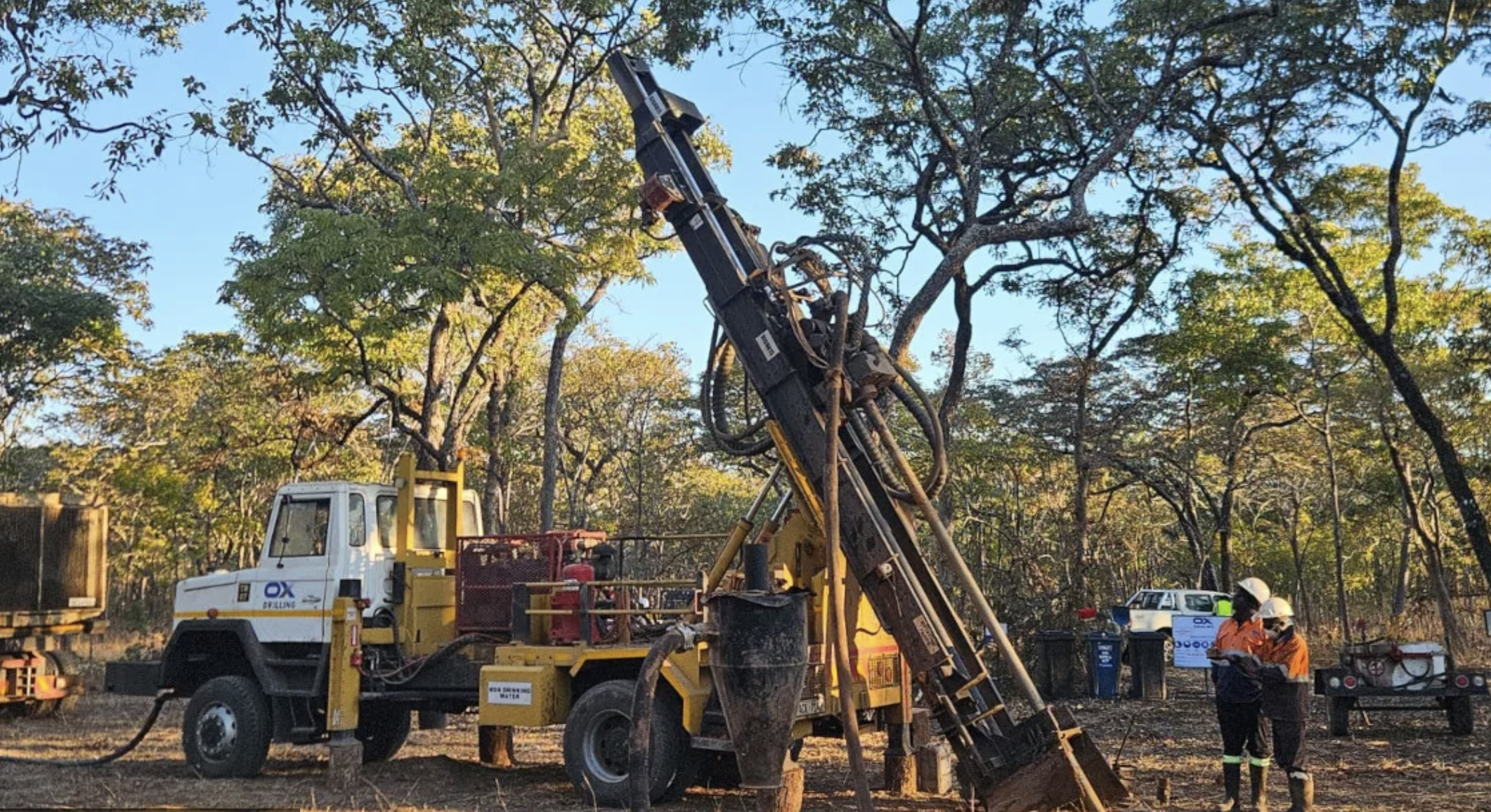
Australian explorer Atomic Eagle cleared a major development hurdle this week, receiving two crucial approvals for Muntanga Uranium Project in Zambia. A feasibility study projected that the project will generate $243 million in after-tax profit. Drilling at two newly cleared targets is planned for Q3.
The news follows April’s announcement that US-based Kobold Metals, backed by high-profile investors including Jeff Bezos and Bill Gates, had broken ground on the $2.3 billion Mingomba copper mine, Zambia’s largest ever greenfield investment.
Asia
Bangladesh PM visits China and Malaysia on first overseas trip
The prime minister of Bangladesh traveled to Beijing and Kuala Lumpur this week, seeking to boost employment for Bangladeshi workers overseas and to encourage more foreign investment.
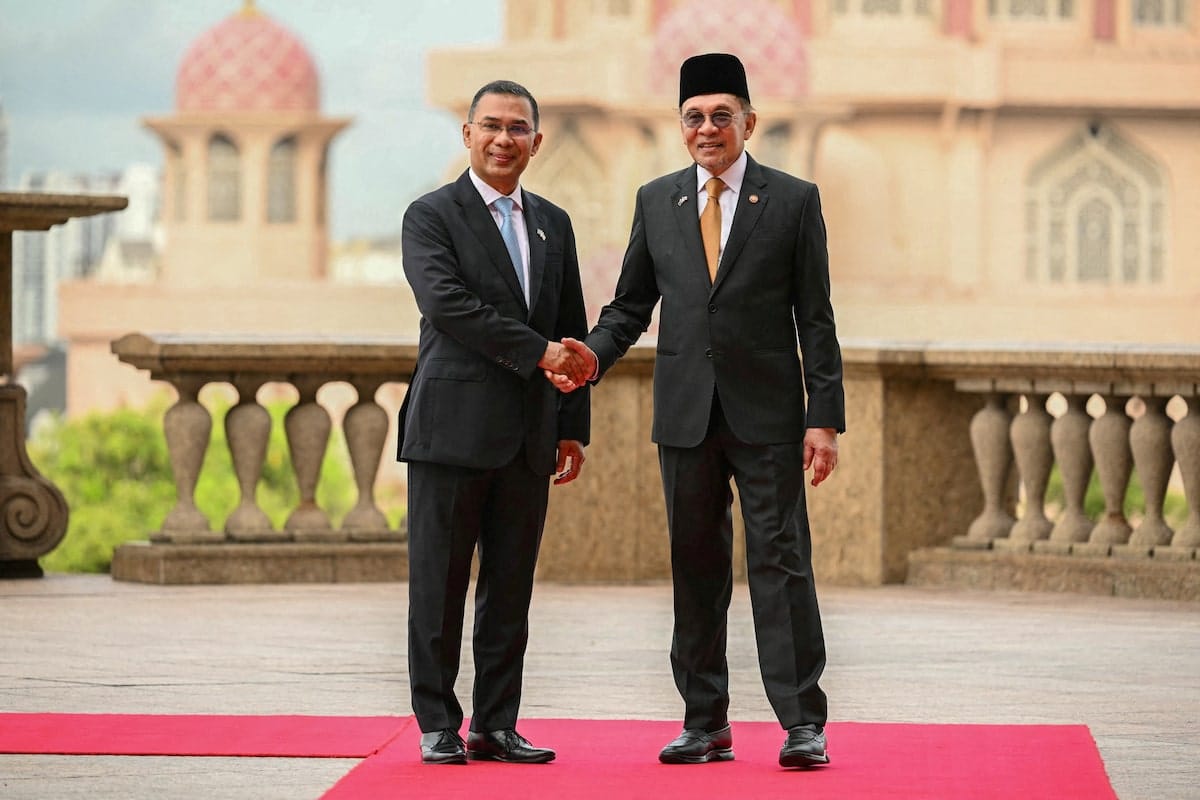
On Monday, Tarique Rahman asked his Malaysian counterpart Anwar Ibrahim to open the Malaysian labor market to Bangladeshi workers, Reuters reports. Malaysia restricted hiring of workers from Bangladesh in 2024, citing concerns about exploitation. Malaysia had previously been one of the largest hosts of migrant workers from Bangladesh and is a major source of remittances, which make up 6% of Bangladeshi GDP, according to the World Bank.
- Bangladesh weighs purchase of Chinese fighter jets (Daily Waadaa)
In China, Rahman met President Xi Jinping and signed 15 deals in areas such as infrastructure and energy, the Daily Star reports. Bangladeshi officials are seeking $6 billion worth of investment, Financial Express reports, including a $400 million loan for the modernization of the Mongla Port, Bangladesh’s second-largest.
Turkmenistan tightens ties with Azerbaijan
Azerbaijan and Turkmenistan signed a dozen deals on Monday during a visit by Turkmen President Serdar Berdimuhamedov to Baku. The arrangements covered energy, agriculture, finance, and labor, according to a readout by the Azerbaijan president’s office.
One deal could include mining, Azerbaijani leader Ilham Aliyev said at a press conference. Turkmenistan is the world’s third-largest producer of iodine, according to the US Geological Survey.
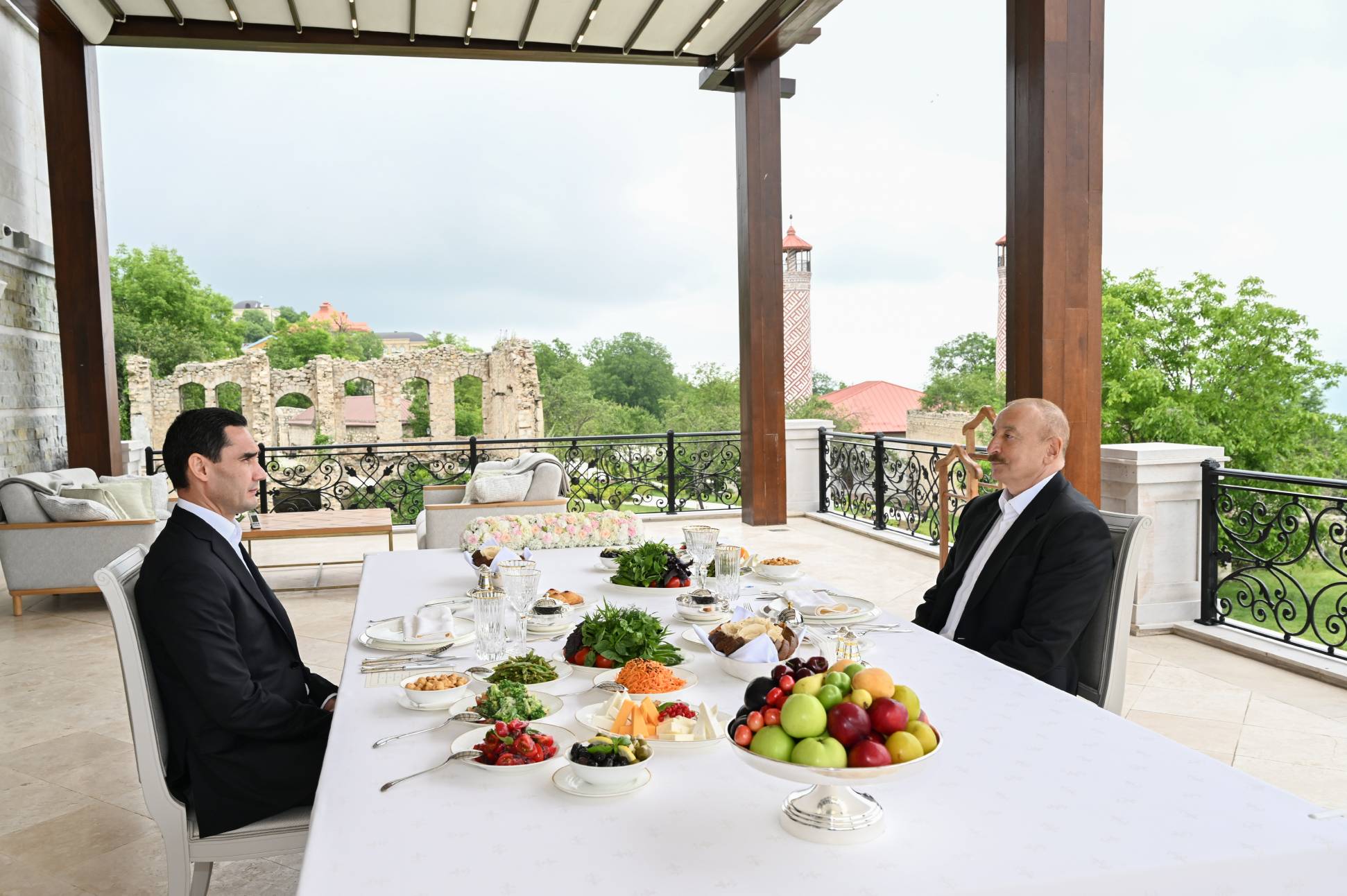
Turkmenistan has historically shown little interest in engaging with its neighbors and is considered one of the world’s most repressive countries. The deals signal that Turkmenistan could be opening to the outside world beyond sales of natural gas to China, its largest trading partner, Eurasianet reports.
Middle East
Syrian president expected at NATO summit in Turkey
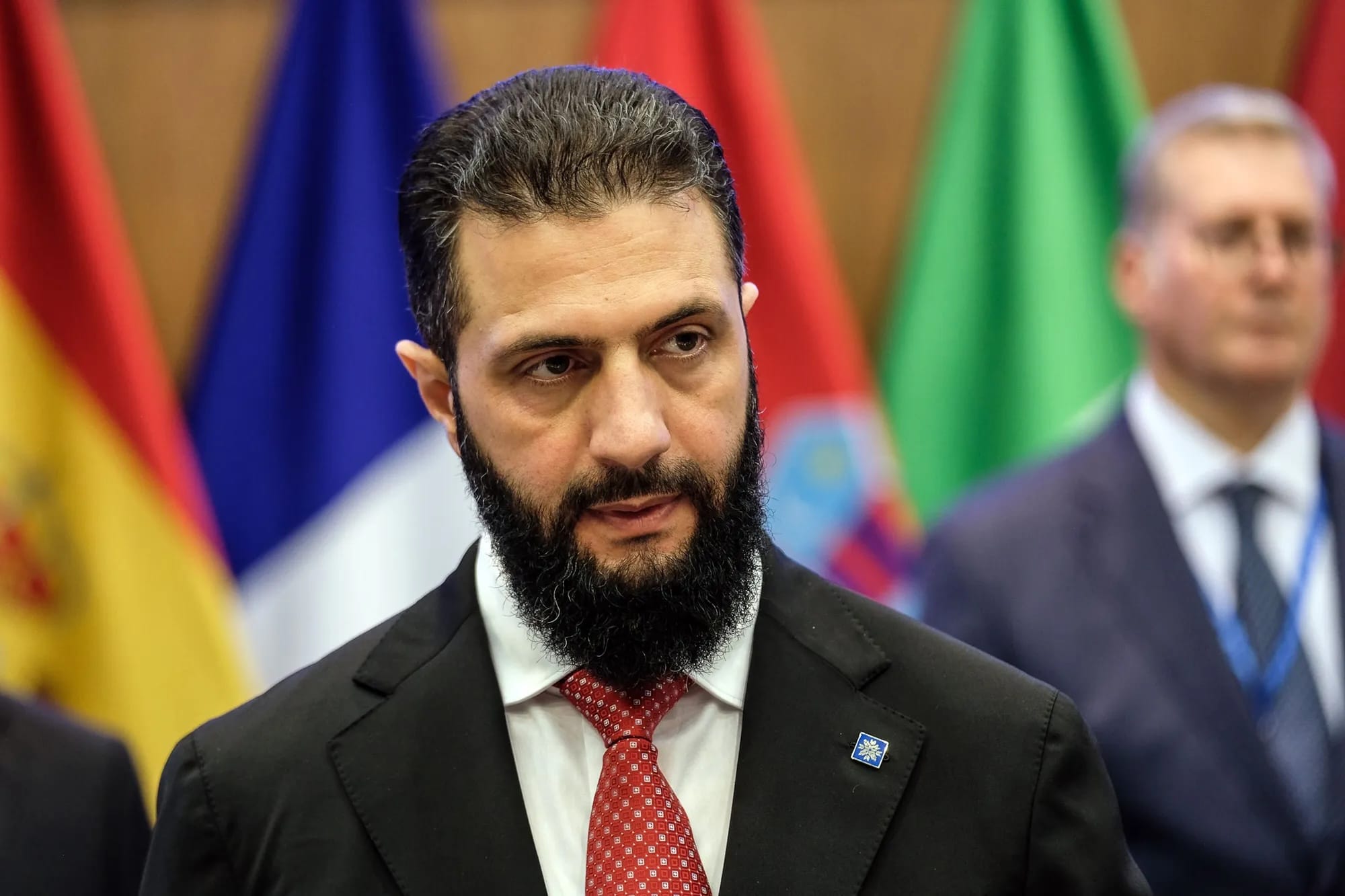
Turkish officials this week reportedly said Syria’s President Ahmed al-Sharaa will be in Ankara during July’s NATO summit for possible sideline meetings, Bloomberg reports. Al-Sharaa’s attendance is expected to boost Syria’s international standing, bringing it closer to NATO allies hoping to collaborate with Syria on regional security and terrorism issues.
Earlier this month, US President Donald Trump suggested Syria could help Lebanon’s government in disarming Hezbollah. Syrians mostly rejected the idea, in part because the country is still rebuilding after a decade-long civil war, Al Jazeera reports.
Syria’s economic recovery continues apace, with strong support from Gulf states, and has recently increasingly attracted private sector interest. This week, Qatari conglomerate Power International Holding, with interests spanning construction, telecommunications, and real estate, announced significant progress in its Damascus airport project, stating that it has been expanded to include a $250 million financing package for new airplanes.
Lebanon central bank requests fresh audit of ‘consultation account’
Lebanon’s central bank has asked the government for a fresh audit of a “consultation account” used by former governor Riad Salameh, to support an investigation into alleged embezzlement and misuse of public funds, and to assist in potential asset recovery, L’Orient Today reports.
- Rise in Lebanese consumer price index slows significantly in May (L’Orient Today)
The bank recommended a third-party auditor and specialist asset tracer be hired to investigate the account, which channeled billions of dollars outside the central bank’s accounting framework, allegedly for “commissions” and “consulting fees” for projects that never existed.
Negotiations over restoring the central bank’s balance sheet continue on the political and legal front, as an appeals court this week upheld a ruling confirming the government’s obligation to repay some $32 billion in central bank deposits to private banks. It’s still unclear how the bank will meet those deposit obligations.
Europe
Romania’s parliament rejects PM-designate’s cabinet
Romania’s political crisis entered its sixth week after parliament rejected the cabinet proposed by Prime Minister-designate Adrian Vestea, Balkan Insight reports. Backed by the Social Democrats (PSD) but deserted by his own National Liberals and two smaller former coalition partners, Vestea was left reliant on the far-right Alliance for the Union of Romanians (AUR), whose leader George Simion refused to back him.
President Nicușor Dan must now nominate a replacement Prime Minister-designate. Under Romanian law, two failed nominations within 60 days could trigger an early election.
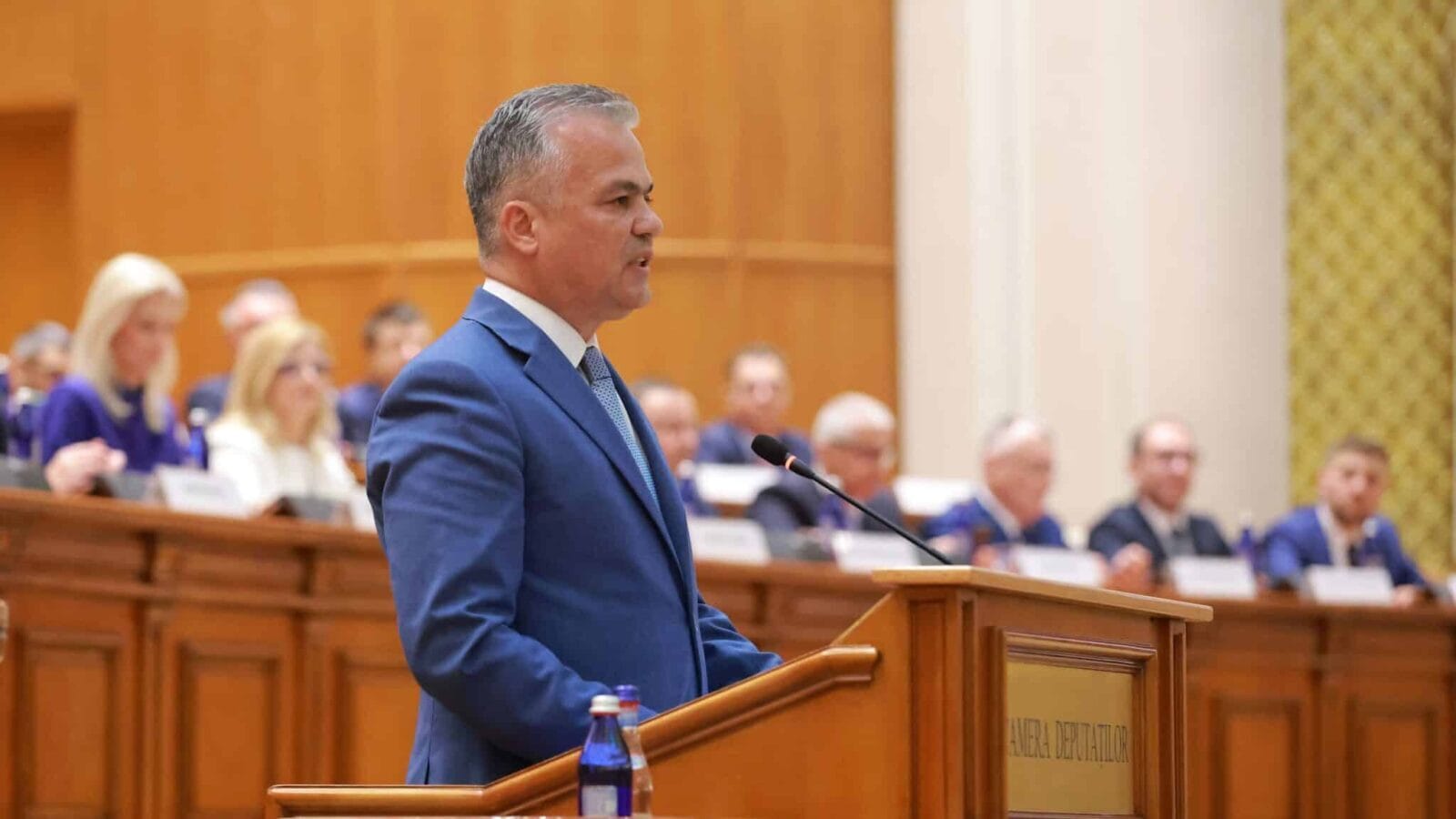
The political deadlock is threatening to expand to a fiscal crisis because Romania needs a working government to push through reforms and release up to €8 billion in EU aid before an end-of-August deadline. In an attempt to break the impasse, the PSD this week backed its leader, Sorin Grindeanu, to head a minority cabinet, Bloomberg reports.
Euro accession stalls for central Europe’s biggest economies
The EU’s non-euro members have made little progress toward adopting the single currency since 2024, the European Central Bank said this week. During that time, the fiscal picture across most candidate economies has deteriorated.
In its biennial Convergence Report, the ECB found that Hungary, Poland and Romania all breached the 3% deficit ceiling in 2025 and are now under excessive-deficit procedures, with none projected to comply before the end of 2027.
- Digital euro clears key hurdle as EU seeks to break free from US credit cards (Reuters)
Romania’s inflation has been well above the reference value, and long-term interest rates exceeded the threshold in all three countries. The ECB also found none of the five countries reviewed, which also include the Czech Republic and Sweden, had legislation fully compatible with euro-adoption rules, leaving the bloc’s eastern enlargement of the euro area no closer.
Latin America
Right winger wins Colombian presidency with razor-thin margin
Right-wing outsider Abelardo De La Espriella has won the closest runoff in Colombia’s presidential election history, defeating leftist senator Ivan Cepeda by less than one percentage point, the Guardian reports. The country’s currency surged on the result, with the dollar falling more than 50 pesos to levels not seen since 2020.
De La Espriella, a criminal lawyer and businessman who has never held public office, ran on a platform of maximum-pressure security, pledging to build 10 maximum-security prisons, resume fracking, cut the state apparatus by 40%, and join US President Trump’s so-called “Shield of the Americas” security initiative.

JP Morgan’s chief South America economist described the new administration as facing “severe governance hurdles,” noting it lacks legislative majorities and will need to build coalitions to advance its agenda.
Outgoing President Gustavo Petro alleged there were irregularities in the voting but did not provide any evidence, and Cepeda declined to recognize the preliminary count. De La Espriella takes office on August 7.
Cuba yields to US pressure over market reforms
Cuba’s National Assembly unanimously passed 176 sweeping free-market reforms on June 19, the most far-reaching transformation of the island’s communist economic model since the revolution, PBS reports. The measures include authorization for private banks, direct imports and exports without state intermediation, free hiring of personnel by private businesses, and the opening of real estate and energy to foreign investment without mandatory state joint ventures. Fast-food chains will also be permitted to establish themselves on the island.
“Elements that for decades were listed as pillars of the revolutionary economy, such as the state monopoly on foreign trade and the centralization of productive forces, have been dismantled,” Cuban-American political scientist Luis Carlos Battista told AP. Cuban President Miguel Diaz-Canel said the measures were based on an analysis of the Vietnamese and Chinese economic models.

Analysts cautioned that implementation will face significant barriers as long as US sanctions remain in place, with the US maintaining a harsh energy and financial embargo since January that has caused blackouts lasting up to 20 hours a day. Days after the reforms were approved, the US imposed more sanctions on Cuba, targeting five Cuban state-owned companies linked to the military, AP reports.
On the same day, the US Supreme Court ruled 6-3 that ExxonMobil can sue Cuban state-owned companies in American courts for over $1 billion in assets seized by Fidel Castro’s government.
Venezuela gears up for $240bn debt restructuring
Venezuela’s interim government under acting President Delcy Rodriguez is set to disclose a total sovereign debt burden of approximately $240 billion, far above the $150-200 billion the market had been assuming, the FT reports. The restructuring would be the world’s largest ever.
Caracas will also unveil a macroeconomic framework this month showing an economy that has contracted to roughly $100 billion, compared with $370 billion in Hugo Chavez’s final year in office in 2012.
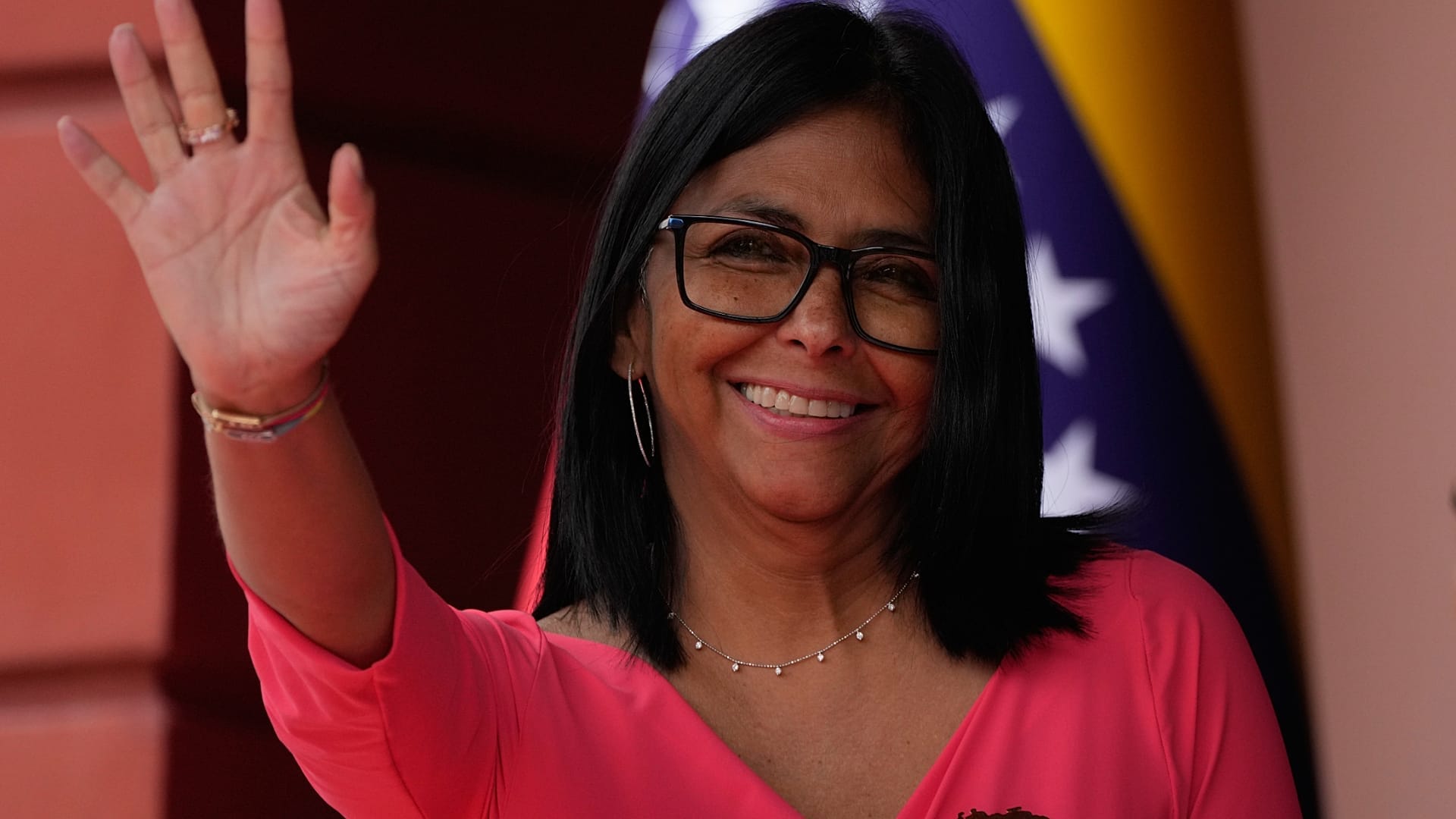
The best-documented slice of the debt consists of government and state-owned oil firm PDVSA bonds totaling some $60 billion, to which a further $40 billion in interest accumulated over years in default. The remainder includes obligations to oil companies, suppliers, expropriation claimants, and loans from China and Russia.
What We’re Reading
Djibouti snags $750mn funding from Islamic Trade Finance Corp. (Financial Afrik)
Mauritius banks on Chagos cash to plug budget hole (Bloomberg)
Controversial Zimbabwean philanthropist to fund Eswatini solar project (Times of Eswatini)
Starlink denied entry as Namibia rebuffs 624 appeals for license (Bloomberg)
Chad posts Africa’s biggest growth upgrade (Ecofin)
Africa’s biggest solar mini-grid operator sells stake to expand (Bloomberg)
Russia asks Kazakhstan for gasoline to ease shortages (Reuters)
Nepal’s former finance minister arrested for money laundering (Kathmandu Post)
MSCI extends review of Indonesia with downgrade lingering (The Diplomat)
US and Gulf leaders pledge security cooperation amid Iran deal doubts (Reuters)
US sanctions waivers unlocking billions in revenue for Iran (CNBC)
Iraq warns it might leave OPEC if oil quota not raised (Reuters)
Gulf stock markets ease as caution lingers, rate concerns persist (Zawya)
Ukraine rail tariff rise ‘may lift farm costs’ (Reuters)
Lukashenko strives to keep Belarus out of war after Zelenskyy ultimatum (RFERL)
Serbian NGOs urge UN probe into ‘sound cannon’ claims (Balkan Insight)
Fujimori vows to unite a Peru ‘split in two’ as runoff lead holds (Reuters)
Argentina’s vegetable exports hit 22-year record (HortiDaily)
We are committed to providing FMN readers with a free weekly digest of politically unbiased, succinct and clear news and information from frontier and small emerging markets.
Please consider becoming a paid supporter to help cover some of our costs and support our continued development of sharp markets-focused coverage and new informational products. Paid subscribers will also gain exclusive access to our EM/FM reports that aggregate insights from dozens of major banks, international institutions and consultancies.

Read next


