

🌍 Frontier Markets News, May 22nd 2026
A weekly review of key news from global growth markets

Africa
Investment grows into African ports as trade flows shift
Abu Dhabi-listed AD Ports Group this week awarded $200 million in contracts for a new container terminal at Pointe-Noire in the Republic of Congo under a 30-year concession with French firm CMA Terminals. The deal follows CMA CGM’s $820 million commitment earlier this month to modernize two terminals at Kenya’s Mombasa port.
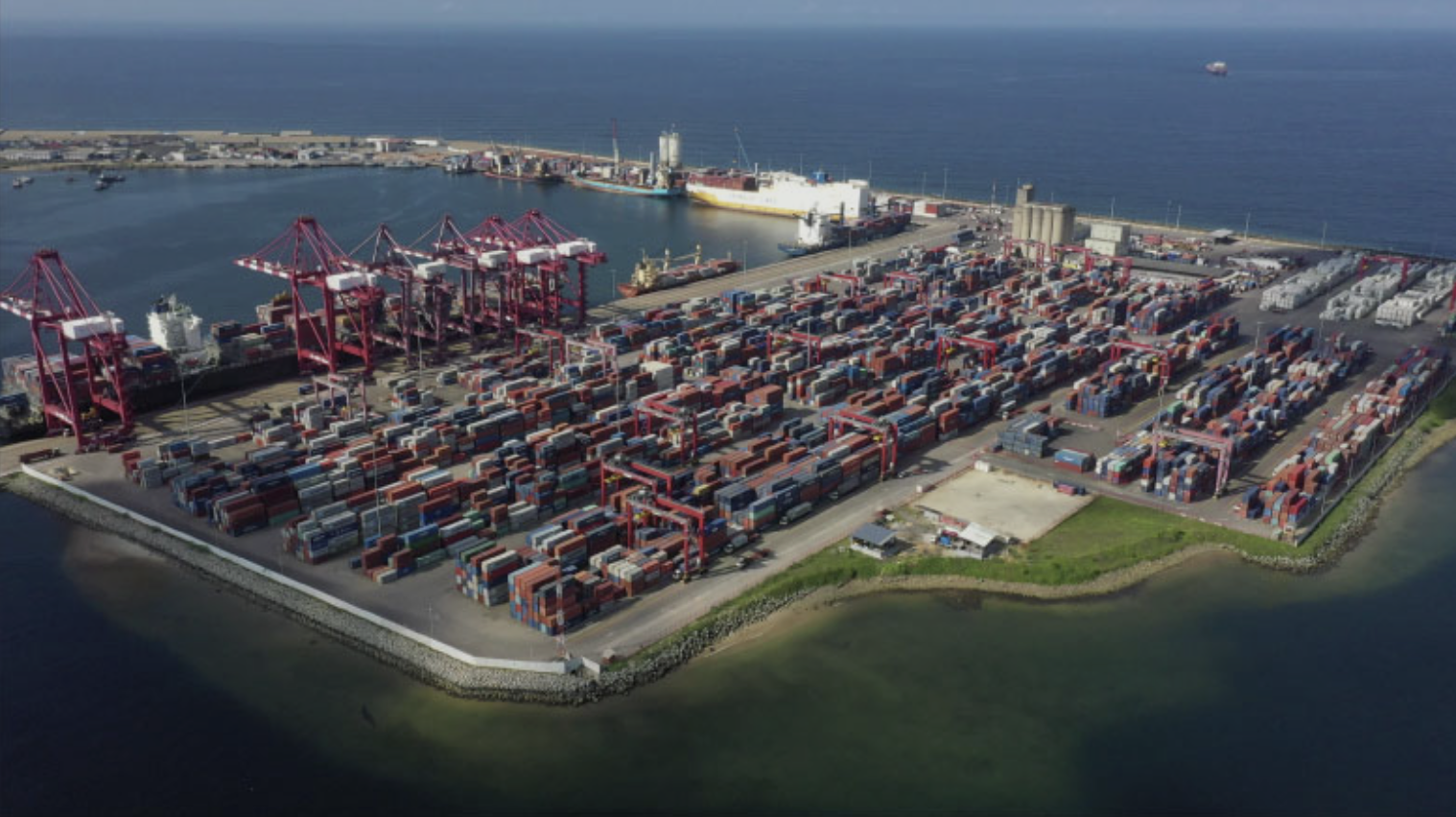
Also this week, Egypt signed an MoU with Sky Ports to finance, build and operate a dry port and logistics zone near Alexandria as part of the country’s effort to ease container congestion at its maritime ports. In Guinea, feasibility findings for the Dobali deep-water port were presented to the government this week. The port would be a bauxite export hub intended to serve several landlocked West African neighbors.
The projects land as the AfCFTA pushes intra-African trade toward a projected $230 billion by 2027. However, quayside capacity is rising faster than the inland rail and road corridors needed to clear the cargo.
African governments tighten grip on gold as offtake deals reshape mining finance
Ghana, Africa’s largest bullion producer, is pushing large-scale gold miners to sell 30% of annual unrefined output to the central bank in order to support growth of the local refining industry, Bloomberg reports.
- Ghana pauses rate cuts amid inflation concerns (CNBC)
The move is part of a broader trend driven by record gold prices that is prompting African governments to formalize artisanal mining and to capture more value from industrial output. Zambia, for example, this week unveiled a state-backed joint venture, Kyalo Goldfields, aimed at bringing order to artisanal operations following a chaotic gold rush that began last year.
Meanwhile, offtake agreements are emerging as a primary financing tool for larger projects. Trafigura’s commitment to purchase 700,000 ounces from Ghana’s Bogoso-Prestea mine helped de-risk the restart, and similar structures have unlocked capital in Namibia and Madagascar. But the model carries trade-offs: miners lock in future production at fixed terms, potentially surrendering upside in a rising market, while host governments worry that long-dated commodity commitments reduce their leverage over resource revenues.
Rwanda looks to plug power gap
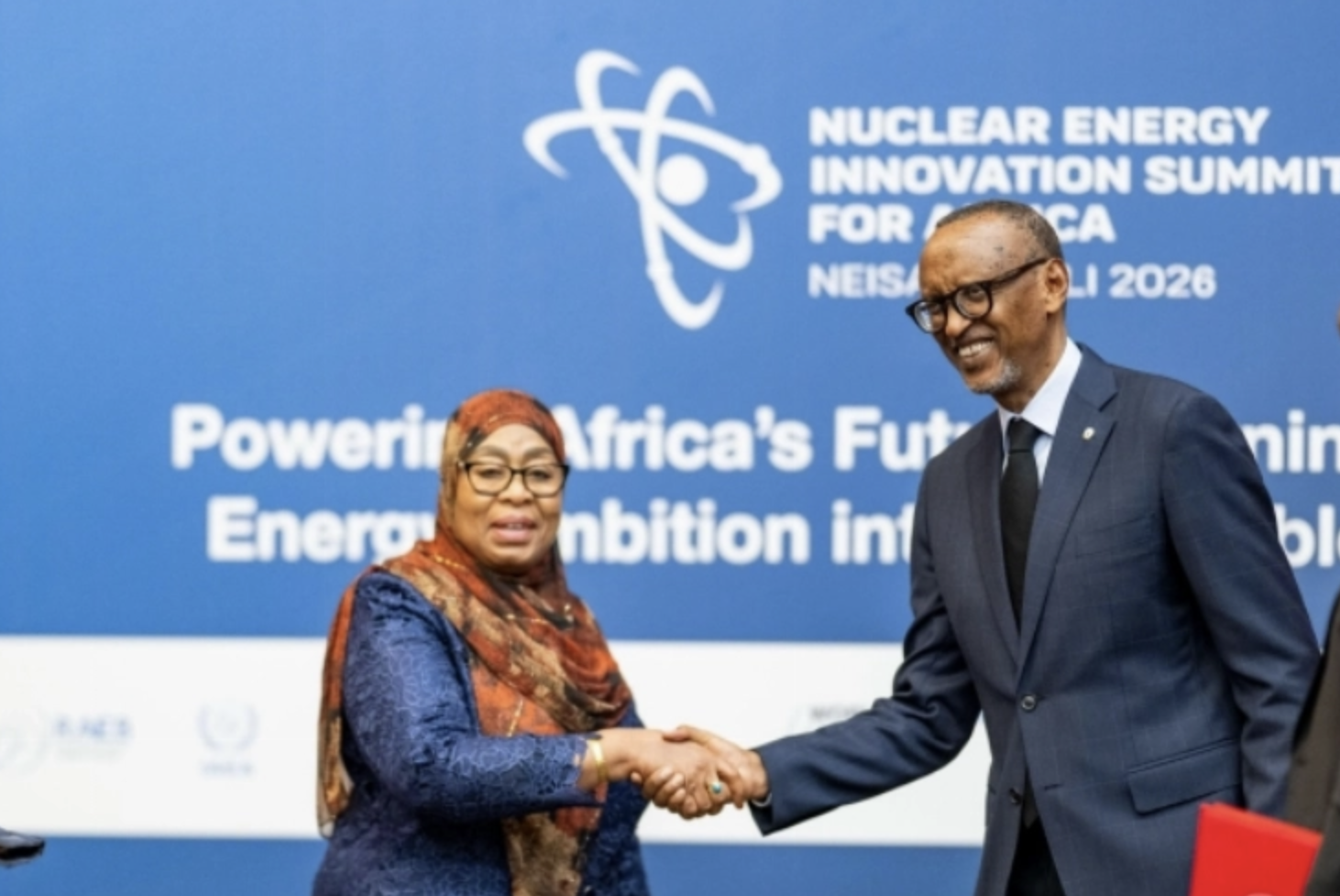
Rwanda signed a flurry of energy agreements this week aimed at reducing its dependence on hydropower, as President Paul Kagame hosted the second Nuclear Energy Innovation Summit for Africa in Kigali.
On Tuesday, Kigali inked a civil nuclear cooperation pact with the US alongside a development agreement with US-based Holtec International to study deployment of the company’s small modular reactor, a 300-MW pressurized water unit. Rwanda Atomic Energy Board chief Fidele Ndahayo said the country aims to bring its first reactor online in the early 2030s.
The same day, Rwanda and Tanzania signed a “strategic deal” covering cross-border electricity trade, joint power infrastructure, oil and gas exploration and LNG opportunities.
The deals are part of Rwanda’s strategy to plug a supply gap. According to the infrastructure ministry, installed generation capacity stands at roughly 406 MW, primarily from hydropower, with household electrification at 82.2% as of February 2025. Demand is projected to grow about 10% annually through 2035, driven by industrial expansion and digital infrastructure.
Asia
Thai cabinet approves $6bn in new borrowing to pay for subsidies
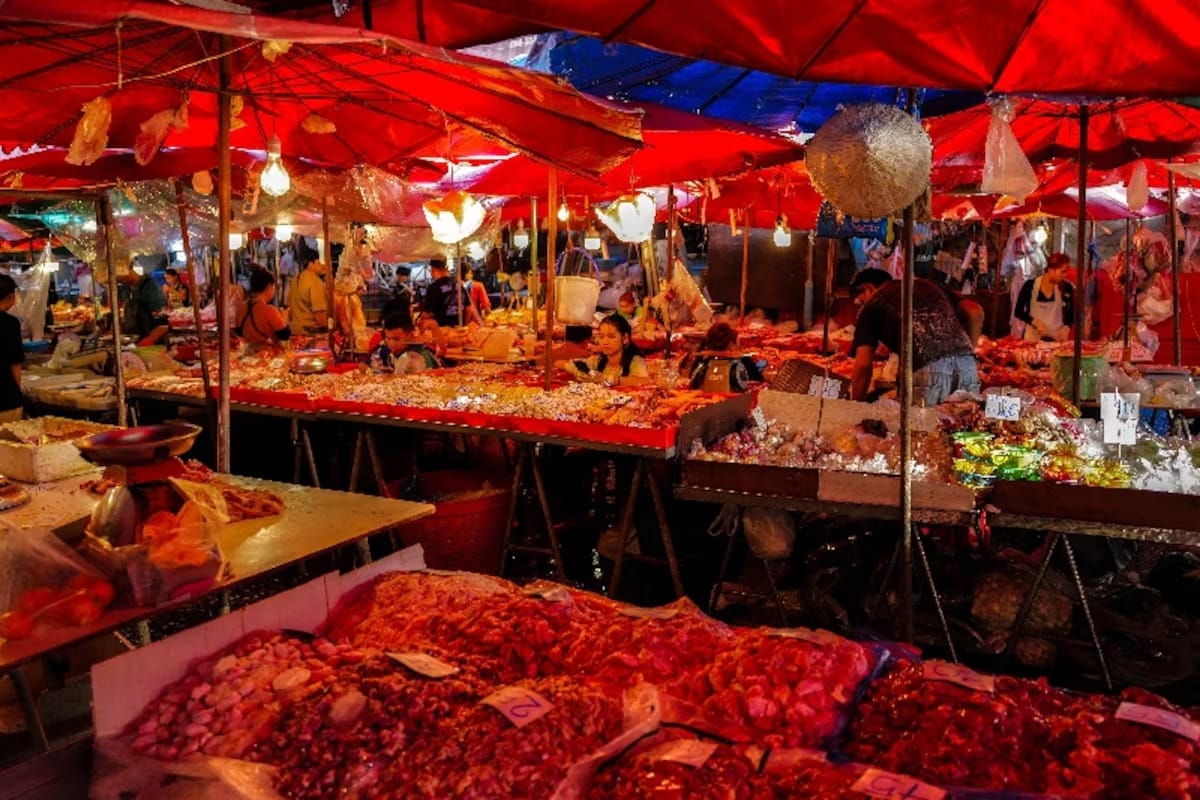
Thailand is preparing to borrow $6.1 billion to finance a new subsidy program that will see direct payments to about half the country’s population as the war in Iran continues to drag on the Thai economy.
The program will deliver monthly disbursements of 1,000 baht ($31) to 43 million people between June and September, Reuters reports. It will also subsidize more than half the cost of certain consumer goods. The lending will take the form of term loans and promissory notes with interest rates under 1.5%.
“The measure is necessary because if we leave the economic crisis to go on, businesses will close, people will lose their jobs and the economy will sink for a long time,” finance minister Ekniti Nitithanprapas said on Tuesday, after announcing that the Thai cabinet had signed off on the borrowing.
Solomon Islands elects China critic as PM
Members of parliament in the Solomon Islands elected a China hawk and long-time opposition figure as prime minister last week, less than a month after the country’s former pro-China leader was ousted in a vote of no confidence.
Matthew Wale won 26 of 48 votes from Solomon Islands lawmakers. Analysts saw the election as a referendum on whether to maintain close ties with Beijing or pivot closer to Australia and the US, The Guardian reports.

In 2022, the Solomon Islands signed a controversial security arrangement with China that allowed Beijing to station troops and police officers on the country’s territory. Wale, a former accountant from a province that once boycotted Chinese companies, was critical of the deal, though he has since moderated his stance, the BBC reports.
Sri Lanka’s tea industry strained by Iran war
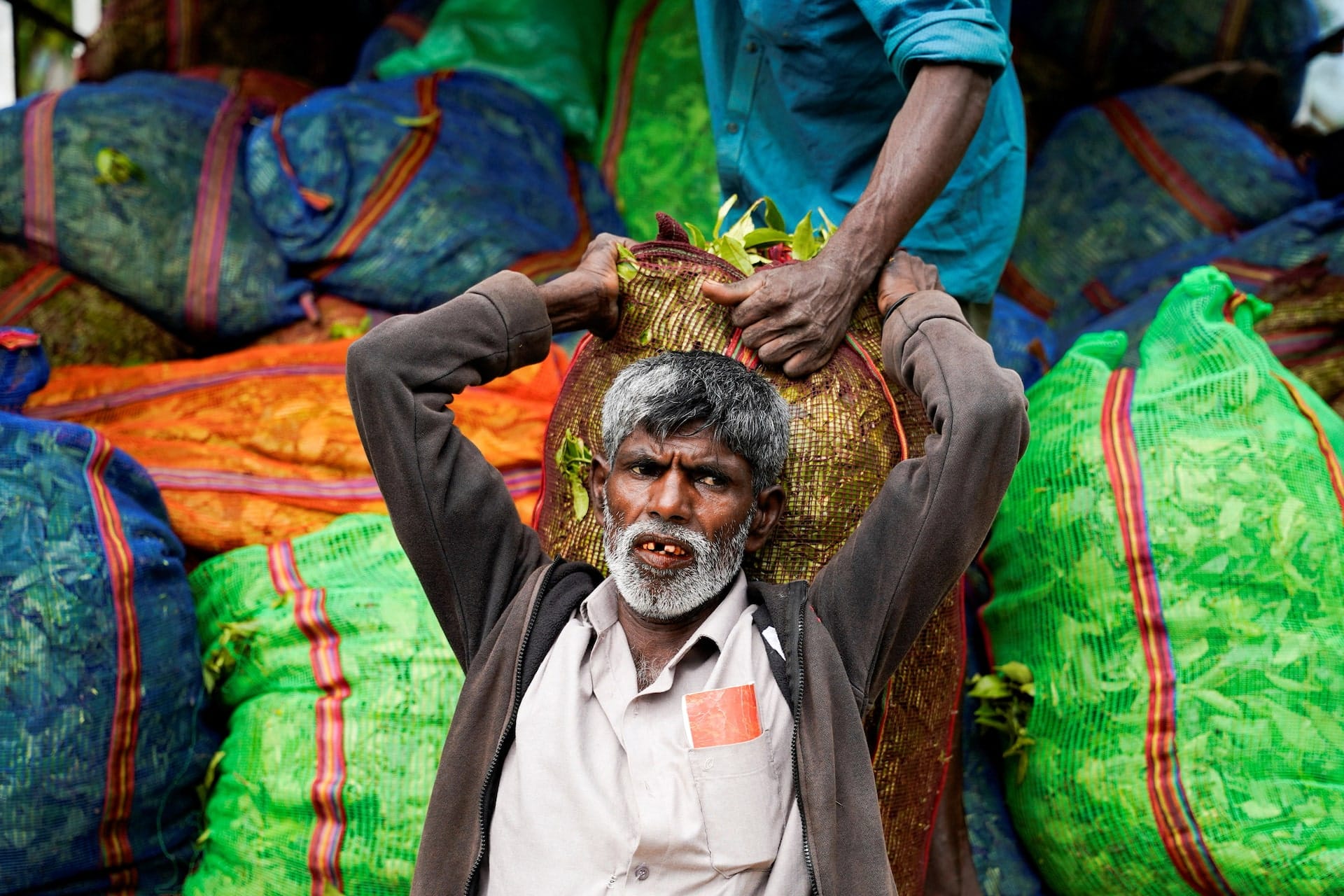
The war in Iran is threatening Sri Lanka’s $1.5 billion tea industry, Reuters reports, as exports to the Middle East plunge and the price of energy soars.
The tea industry accounts for about a fifth of Sri Lanka’s total exports and employs around one in 10 Sri Lankans. Overseas sales fell 17% in March from a year earlier, with exports to the UAE falling by 93%, according to official statistics.
The strain on Sri Lanka’s economy comes as authorities to work to prevent the island from becoming a hub for cybercrime, CNA reports. Officials are concerned Sri Lanka could become a new hub for scam compounds, which had proliferated in Cambodia before the government began to crack down earlier this year. Police in Sri Lanka have arrested more than twice as many foreigners this year for allegedly participating in cybercrime as they did in 2025.
Middle East
Pakistan sharply expands military presence in Saudi Arabia
Pakistan has deployed 8,000 troops, an aircraft squadron, and an air defense system to Saudi Arabia, a major expansion that follows the agreement of a mutual defense pact last September, Reuters reports. Officials in Islamabad and Riyadh familiar with the agreement confirmed the deployment is financed by Saudi Arabia, and that the pact provides for the possibility of up to 80,000 Pakistani troops being deployed in a combat role.
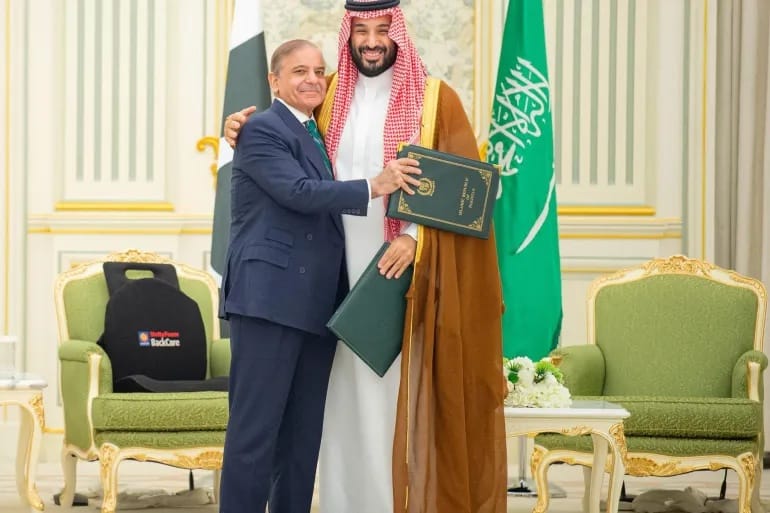
The size and makeup of the deployment, which includes JF-17 fighter jets and a Chinese-made air defense system, indicates a serious escalation in military cooperation between the two countries and suggests Riyadh is pivoting harder toward a national security strategy independent of US guarantees. Pakistan’s defense minister last week said Turkey and Qatar would be welcome to join the defense pact.
Pakistan has reaped a financial windfall from the agreement with Saudi Arabia, securing a $3 billion swap line to pay down external debt obligations, and an additional $5 billion deposit at its central bank to shore up its anemic foreign exchange reserves. Earlier this month, the two partners also explored upgrades to Pakistan’s fuel refineries and a framework for long-term energy cooperation.
Oman reaps financial windfall from US-Iran war
A surge in oil and gas prices fueled by the US-Iran war helped drive a 13% year-on-year increase in Oman’s first-quarter government revenues, according to state media. Net oil revenues rose 5% in the first quarter, and natural gas revenues rose 36%, offsetting a 9% increase in government spending to manage the fallout from the war.
- Oman’s sovereign wealth fund reports record $7.8bn profit in 2025 (MSN)
Oman’s trade account also benefitted from the country’s geographic advantage as an alternative export route to the blockaded Strait of Hormuz, with the value of goods in overland trade with neighboring UAE rising to $2.2 billion in April—an eightfold increase. The two countries opened a second trade corridor this week to manage the sharp rise in cargo volumes.
Oman’s logistics sector is reaping a windfall from the Hormuz blockade as local firms report a 45% monthly increase in operating revenues in March, to a record $3.6 billion in dollar terms. State-owned Asayd Group dominates the market, handling 52% of such activity, and is planning to expand its dockyard facilities and purchasing more ships to handle what the government expects will be a structural shift in Gulf trade flows in favor of Oman.
Europe
Hungary’s Magyar believes former leadership falsified budget data
Hungary’s new government this week claimed the previous administration under former prime minister Viktor Orbán misreported aspects of the country’s budget, Bloomberg reports. Current Prime Minister Peter Magyar said the potential misrepresentation of the country’s finances could complicate his government’s effort to stabilize Hungary’s budget deficit.
- Hungary to limit PMs to eight years in office, warding off any Orbán comeback (The Guardian)
The news caused the country’s currency, the forint, to ease in value against the euro. Both Magyar and the European Commission stand by earlier forecasts that show the deficit widening above 6% of GDP.
Magyar also visited Poland this week in his first foreign trip since taking office. Poland could provide an ambitious roadmap for Hungary’s development as Magyar seeks to restore judicial independence, rebuild relations with Brussels and unlock frozen EU funds and boost economic growth, Balkan Insight reports.
Ukraine’s economy grows in April
After contracting by 0.4% in the first quarter of this year, Ukraine’s economy appears to be rebounding, growing 0.9% in April, Reuters reports. The GDP increase was driven by retail, the food sector and weapons production, according to Prime Minister Yulia Svyrydenko.
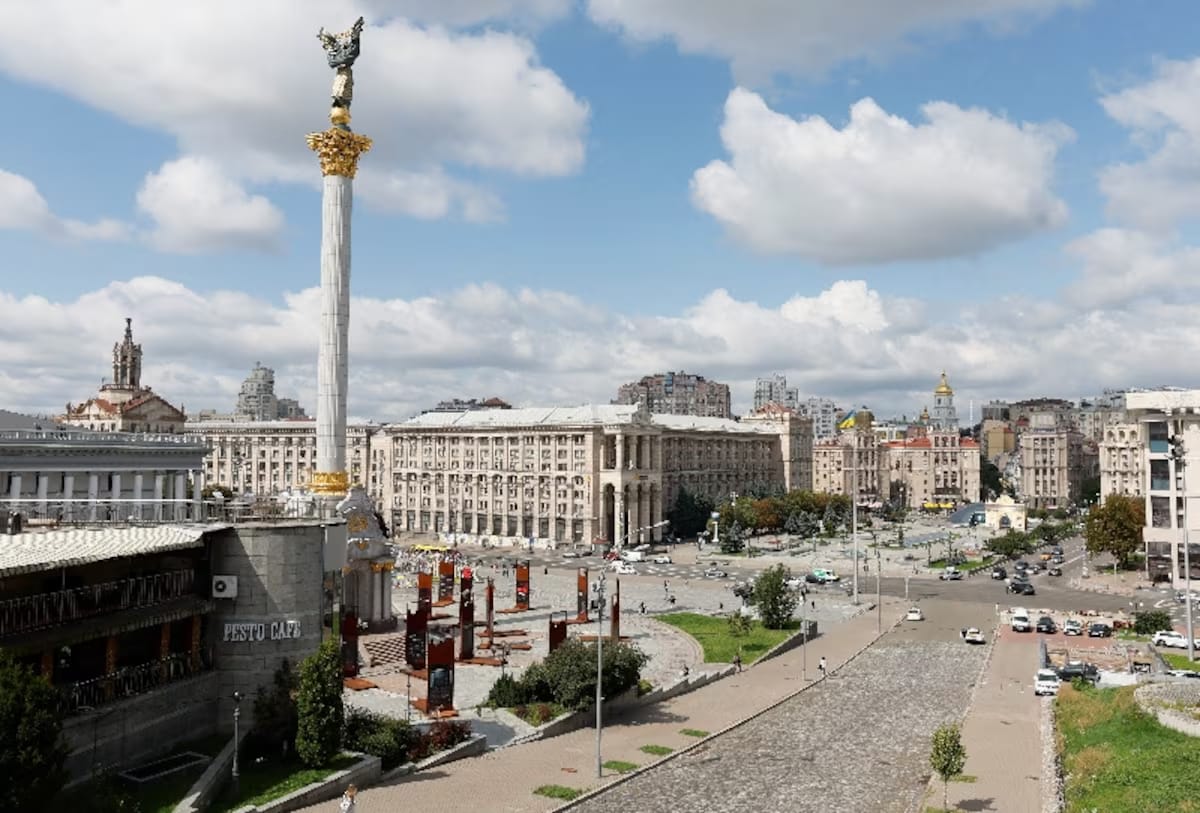
“Some sectors are showing growth of over 10%. Ukraine remains economically resilient, adaptable, and has strong growth potential,” Svyrydenko said in a statement.
Germany’s Chancellor Friedrich Merz this week suggested Ukraine should become an “associate member“ of the EU to help ease the country’s transition to becoming a full-fledged member of the bloc. Ukraine’s GDP remains roughly 20% below its level before Russia’s full-scale invasion in 2022.
Latin America
Venezuela moves to end a decade of default
Venezuela and the World Bank have agreed to identify areas for technical cooperation, ending a seven-year break in direct contact between Caracas and the institution, Merco Press reports.
The move is part of a broader strategy aimed at reintegrating the South American nation into the global financial system. Late last week, Venezuela said it would restructure its sovereign debt and the debts of state oil company PDVSA. The process would cover obligations that have been in default since 2017 and are estimated by analysts to exceed $150 billion, once unpaid bonds, arbitration awards and accumulated interest are counted.
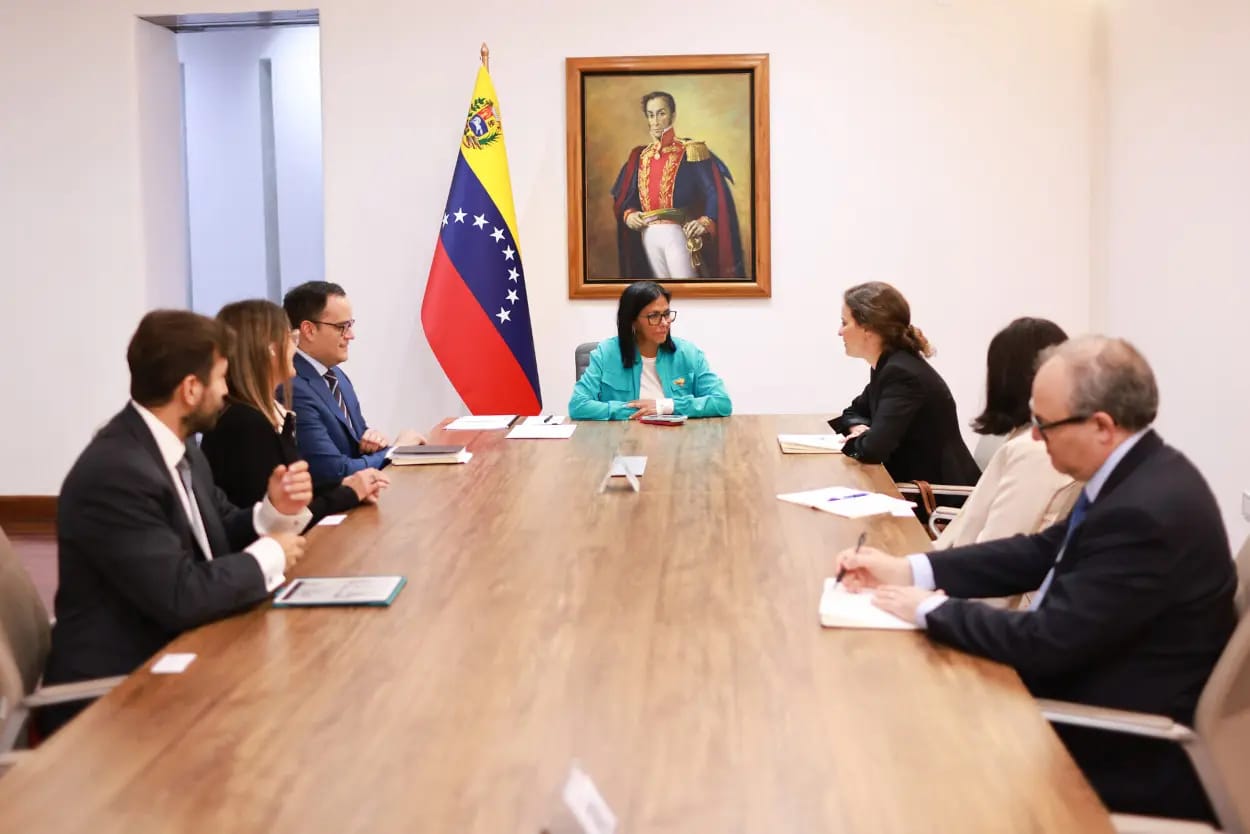
Interim central bank President Luis Pérez described the move as bringing the country “out of the shadows of the international financial world,” and forecast 8% economic growth for 2026 with inflation falling to single digits.
A Venezuelan delegation is due in Washington at the end of the month to meet with the IMF, which has indicated it could provide approximately $5 billion in special drawing rights that have gone unused since Venezuela’s suspension in 2019. The IMF has stated, however, it will not participate in the restructuring, limiting the process to bilateral and commercial creditors.
Bolivia’s president under pressure as protests grow
Demonstrations against Bolivia’s government under newly elected President Rodrigo Paz continued for a second week, turning the center of the capital La Paz into a battleground, The Guardian reports. Protests demanding labor reforms and Paz’s resignation have broadened into a nationwide movement involving transport unions, teachers, and civil society groups.
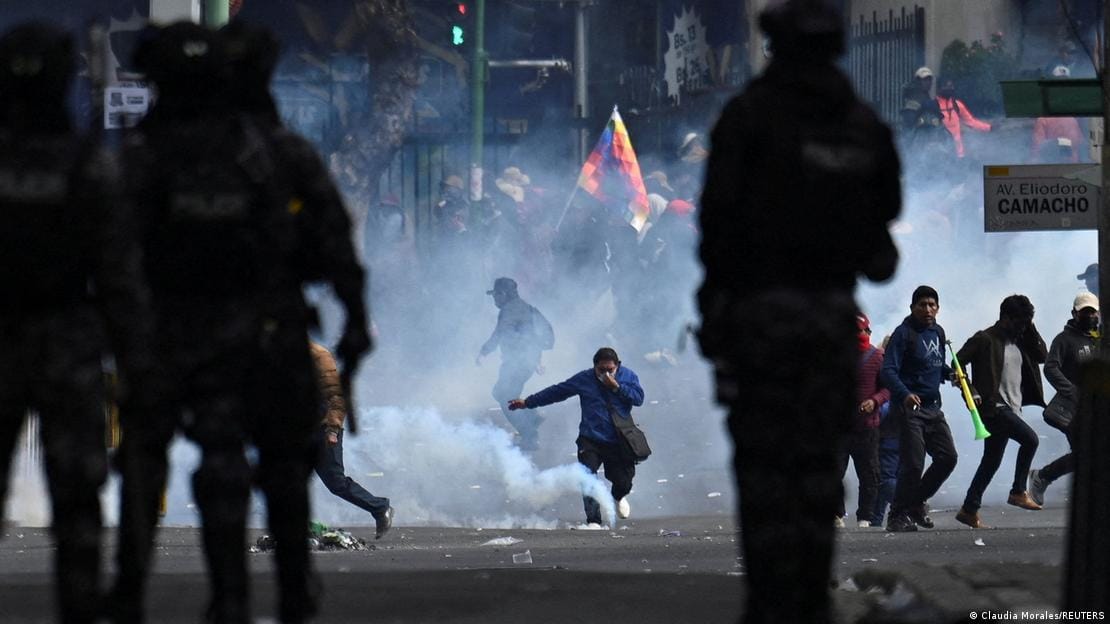
The military moved to clear road blockades around La Paz this week in an attempt to restore food and fuel supply chains into the capital. The government has struggled to contain the unrest as foreign exchange reserves remain critically low and fuel imports have been curtailed.
Bolivia’s finance minister José Luis Lupo confirmed separately this week that the government is in active talks with the IMF for a$3.3 billion financing package to address the country’s dollar liquidity crunch, with an IMF assessment mission expected in the coming weeks.
What We’re Reading
Egypt issues $1bn international bonds (Daily News Egypt)
Nigeria deepens trade ties with Malaysia through halal economy (Vanguard Nigeria)
Military-backed intruders occupy huge cobalt deposit in DRC (Bloomberg)
WHO declares global health emergency over Ebola outbreak in DRC and Uganda (AP)
Uganda’s president signs contentious law meant to curb foreign influence (Reuters)
Zambia reaps record corn harvest (Bloomberg)
Niger pivots back to China to revive stalled oil sector with $1bn deal (AfricaReport)
Four killed in protests during Kenyan strikes over high fuel prices (BBC)
Vietnam unveils AI law regulating ChatGPT-like tools (Nikkei)
Indonesia tightens state control over exports of vital commodities (AP)
Malaysia seeks $251mn break-up fee after Norway scuttles missile deal (AP)
Thailand reduces visa-free length for over 90 countries (CNN)
Turkish court rules to oust opposition leader in latest blow to Erdogan's challengers (Reuters)
Iran’s three-month internet blackout crippling its economy (WSJ)
Iraq swears in new PM with partial cabinet as US pressures Baghdad to cut ties with Iran (Reuters)
Jordan joins push for green hydrogen and ammonia (AGBI)
Lebanon and Syria reshape ties amid Israeli attacks and regional shifts (Al Jazeera)
Yemeni government and Houthis agree largest prisoner swap to date (AP)
Georgia jails opposition figure who urged ‘peaceful revolution’ (Reuters)
Tesla launches Full Self-Driving in Lithuania (Reuters)
Ukraine’s Baltic allies unsettled by repeated drone incursions (BBC)
Chile’s economy disappoints to the downside (CapEc)
IMF approves about $1bn disbursement for Argentina in fresh win for Milei (Bloomberg)
El Salvador news outlet says assets frozen in retaliation for reporting on Bukele (AP)
We are committed to providing FMN readers with a free weekly digest of politically unbiased, succinct and clear news and information from frontier and small emerging markets.
Please consider becoming a paid supporter to help cover some of our costs and support our continued development of sharp markets-focused coverage and new informational products. Paid subscribers will also gain exclusive access to our EM/FM reports that aggregate insights from dozens of major banks, international institutions and consultancies.

Read next


