

🌍 Frontier Markets News, May 1st 2026
A weekly review of key news from global growth markets

Africa
Gabon sets stage for IMF deal
Gabon has launched a comprehensive audit of its public debt covering 2016 to 2024, as the oil-dependent Central African nation works to secure a new IMF lending program after a 2023 coup froze a prior $553 million facility, Bloomberg reports.
The review will examine disputed obligations, including unexecuted projects, funds that never reached Treasury accounts, and arrears to suppliers and public-sector workers. The last category sits at the heart of a long-running accounting dispute: Gabon’s debt management office has reported debt-to-GDP of roughly 70%, while the World Bank puts the figure at 82%, a gap created by the government’s exclusion of salary arrears and other off-balance-sheet liabilities from its official tallies.
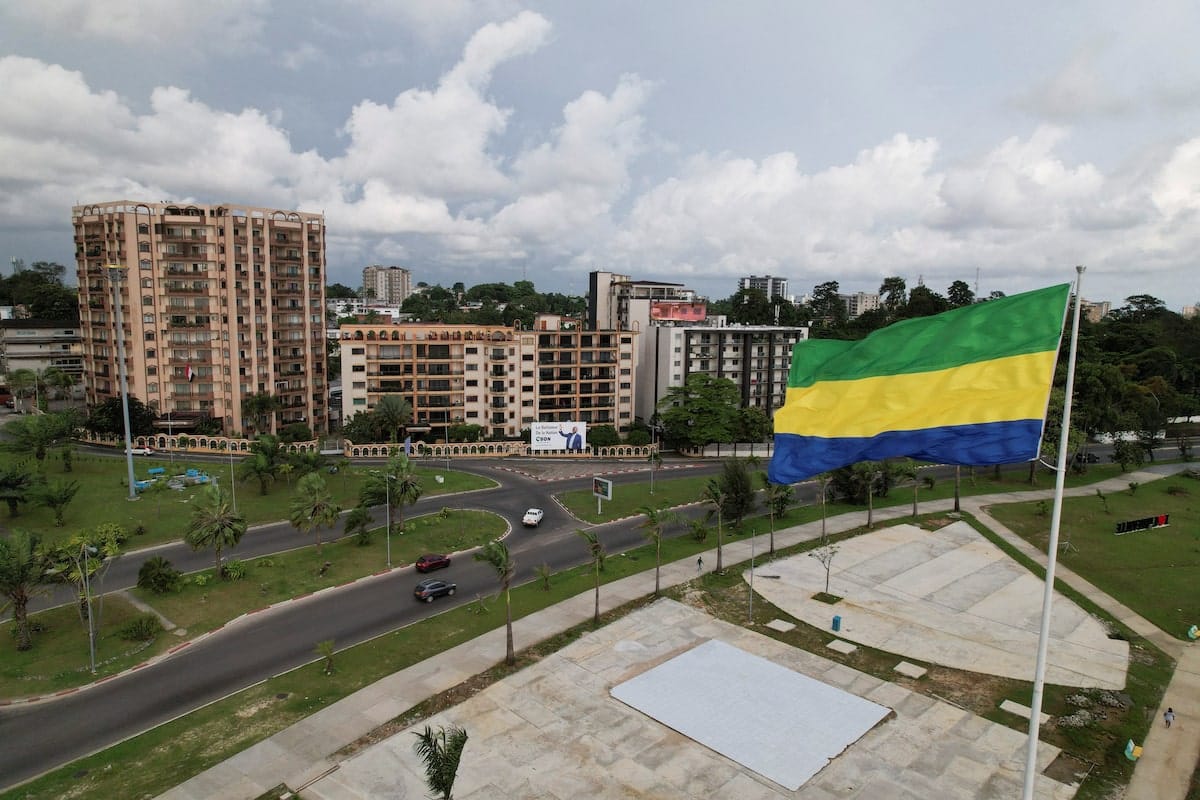
The audit is expected to take nine to 12 months, paving the way for a new fund arrangement by early 2027. Gabon also signed a $150 million World Bank deal on Thursday, bringing total commitments from the institution to $600 million. Its 2031 Eurobonds yield nearly 11%, among the highest spreads of any African sovereign issuer.
Washington denies funding DRC mine guard
The US embassy in Kinshasa this week moved swiftly to deny involvement in a planned paramilitary force designed to protect mining interests in the Democratic Republic of Congo, Reuters reports. The country’s General Inspectorate of Mines said on Monday the proposed force would receive $100 million under strategic partnerships with Washington and Abu Dhabi, but the embassy said the US government “is not funding paramilitary groups to guard mines.”
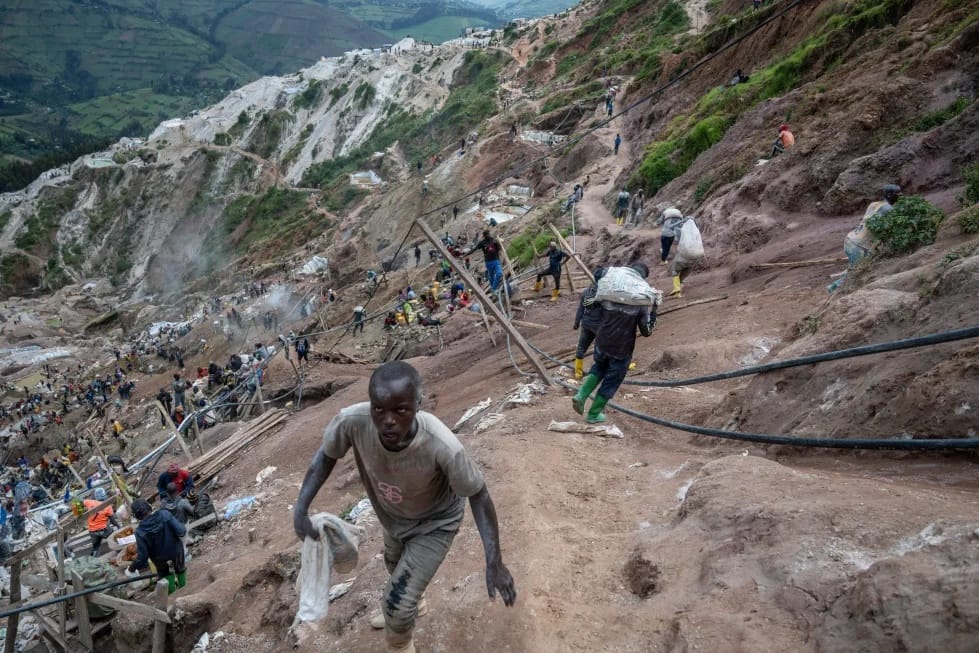
Washington remains a lead broker of a fragile peace process with Rwandan-backed M23 fighters in eastern DRC.
The protection force, projected to reach more than 20,000 personnel across DRC’s 22 mining provinces by 2028, is designed to secure mining sites and mineral transport routes as Kinshasa seeks to tighten oversight of a sector that provides roughly 70% of global cobalt output. The mines inspectorate subsequently clarified that funding would come from “diversified arrangements involving different types of actors” rather than direct state financing.
Mali’s junta reels after coordinated jihadist attacks
Mali’s military government is struggling to maintain control of the country after a coordinated offensive by Tuareg separatists and al-Qaeda-linked militants left the defense minister dead and several areas of the country occupied by jihadists, the NY Times reports. The fighters also set up a partial blockade of the country’s capital Bamako and urged citizens to rise up against the junta ruling the country.
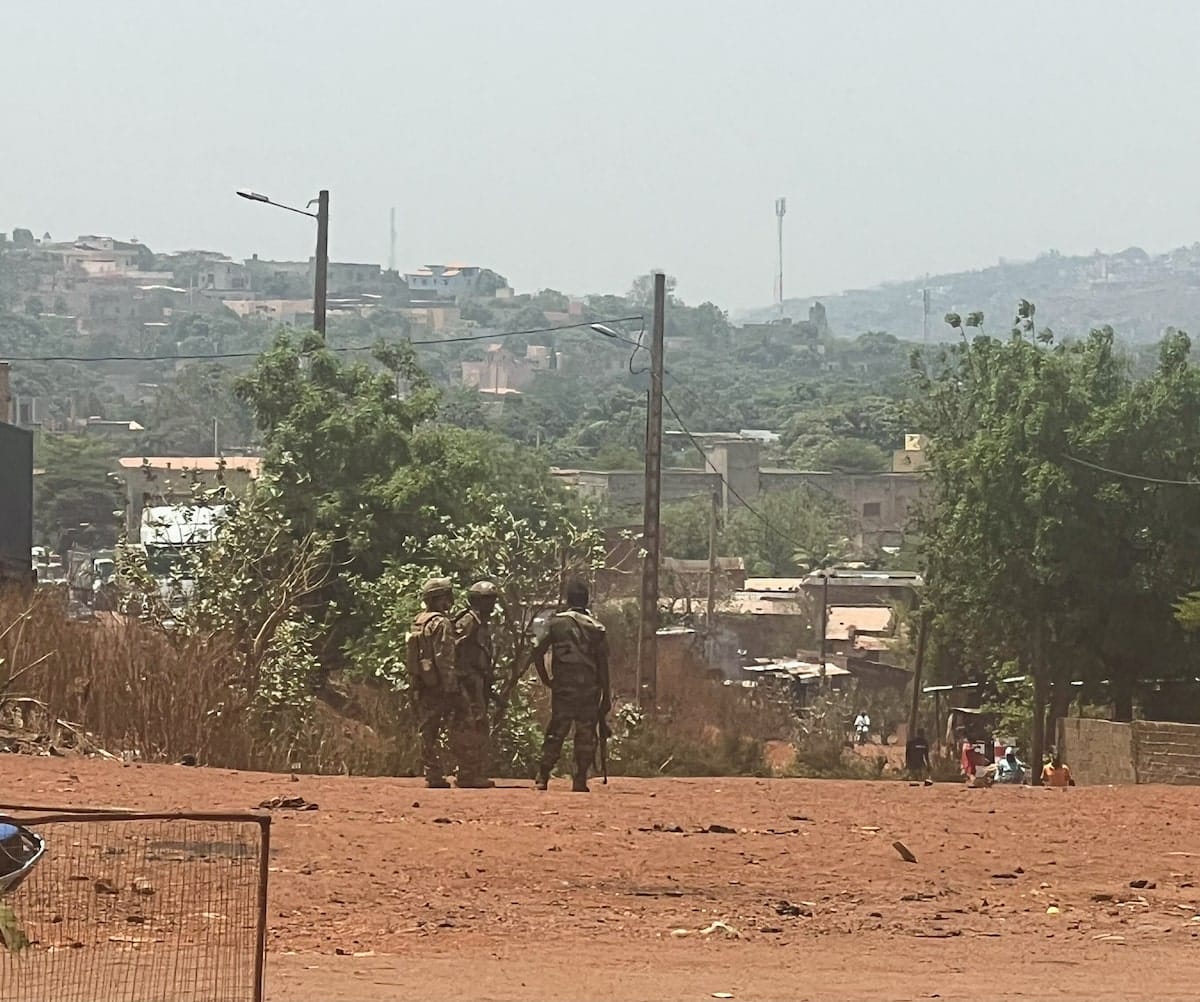
Malian troops and mercenaries from Russia’s Africa Corps reportedly withdrew from several towns, although the Kremlin says the Russian soldiers will remain in Mali. A Malian official accused Russian forces of failing to act on advanced warning, but the leader of the junta, Assimi Goita met a Russian delegation in an effort to project unified strength.
- Insurgents leave Mali town as army tries to reassert control (Reuters)
The Alliance of Sahel States called the attacks “a monstrous plot backed by the enemies of the liberation of the Sahel.”
Asia
Pakistan PM flags ‘major’ economic fallout from Iran war
The US-Israeli war on Iran has delivered a significant hit to Pakistan’s economy, Prime Minister Shehbaz Sharif said in a cabinet meeting on Wednesday. The country’s oil import bill has risen from $300 million before the war to $800 million today, Times of India reports.
“Our efforts made in the last two years have gone down,” Sharif said.
- Pakistan opens up road trade routes into Iran amid Hormuz blockade (Al Jazeera)
Other countries in Asia are also suffering severe strain after the closure of the Strait of Hormuz, which the International Energy Agency has called the largest supply disruption in the history of global oil markets. The Philippines has declared a national emergency, while Sri Lanka has imposed four-day work weeks and ordered cities to turn off street lights. The Association of Southeast Asian Nations is now looking to sign an oil security agreement, OilPrice reports.
Cambodia accelerates repatriation of foreign scammers
Cambodia returned hundreds of foreigners accused of being involved in scam operations to their home countries this week. The largest group was 635 Thai nationals that returned to Thailand on Thursday, Bangkok Post reports. Each now faces screening from the Thai authorities.
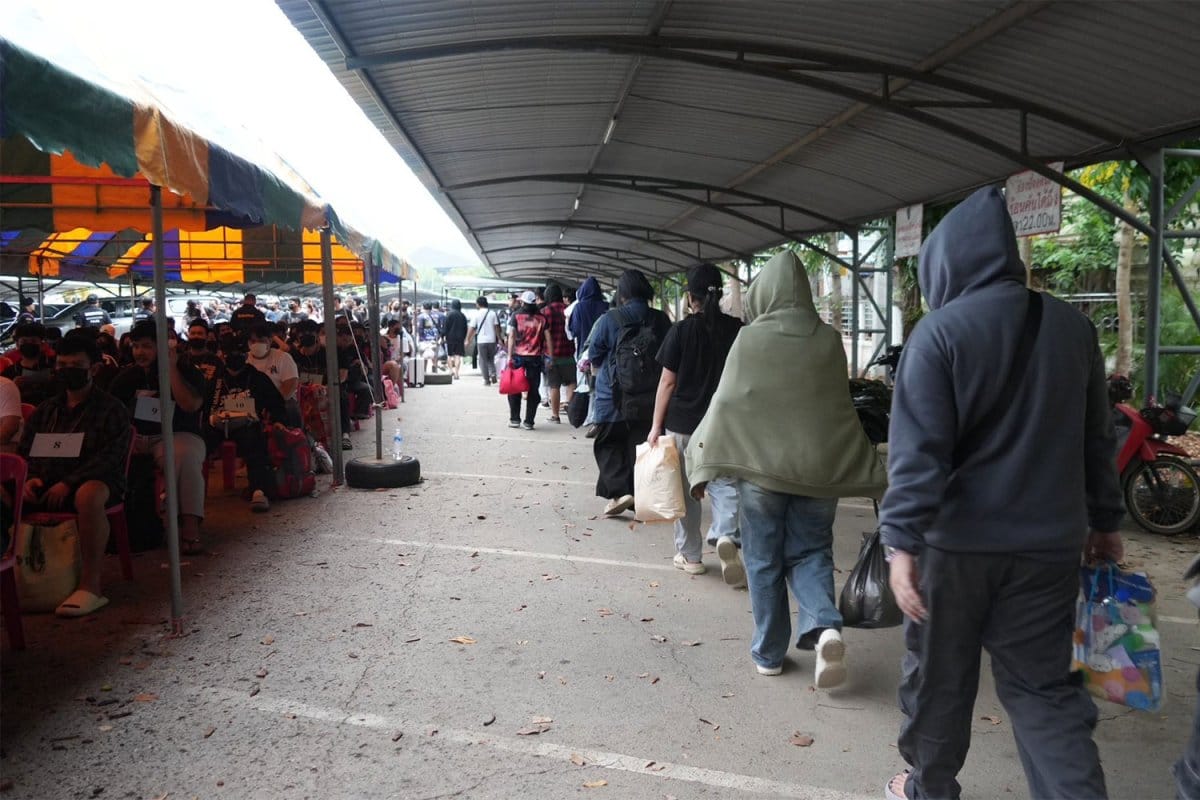
The same day, Cambodia agreed to repatriate a smaller group of 54 to Pakistan, Arab News reports. All in, Cambodian authorities have now sent thousands of scammers home, with many going to China.
The exodus comes as the US and other major economies tighten the screws on Cambodia’s tolerance of scam compounds. Last week federal prosecutors in Washington seized $700 million in cryptocurrency from two Chinese nationals who they accused of attempting to open a scam compound in Cambodia.
Uzbekistan sovereign fund plans London IPO
Uzbekistan is looking to sell about a third of its national investment fund in an IPO that will value it at almost $2 billion, Bloomberg reports.
The fund is offering shares in London and Tashkent at a 20% discount to its pre-IPO net asset value of $2.4 billion. The listing will be Uzbekistan’s first in London.
The fund, established in 2024, holds stakes of up to 40% in 13 companies, according to its website. Its portfolio includes utilities, energy, telecom, banking, and transportation.
Middle East
GCC corporate financing under pressure
Geopolitical tensions arising from the US-Iran war have seriously disrupted the Middle East’s capital markets, with regional bond issuance falling 12% in the first quarter of this year compared to 2025, Zawya reports. Bond and sukuk issuance ‘effectively ground to a halt’ in March, and market activity didn’t rebound after the traditional slowdown around Ramadan, ratings firm Fitch said.
Saudi Arabia accounted for 58% of issuance and UAE 27%. Financial institutions accounted for 44% of issuance compared to a more muted 33% for sovereigns, but sukuk financing fell to a three-year low of 30%, and was down 17% year-on-year, according to Fitch.
Corporates in the GCC have responded to the weak bond market activity by turning to shorter term bank loans to bridge growing funding gaps and address costs arising from the war. Trade and manufacturing companies are the worst hit, and Fitch has flagged some GCC issuers, such as Qatar, as well as certain UAE corporates and the Emirate of Ras Al Khaimah, as facing particularly high risks.
Iran seeks to boost support and reassure neighbors
Iran’s foreign minister Abbas Araghchi this week used the ceasefire with the US as an opportunity to shore up relations with the country’s partners, traveling to Russia and Pakistan to secure greater cooperation in its war effort, and to Oman to help patch up relations with its GCC neighbors.
Araghchi’s visit to Islamabad ostensibly focused on restarting peace talks with the US, but coincided with a decision by Pakistan’s government to open six overland trade routes with Iran—a measure expected to alleviate economic pressure on Tehran from the US naval blockade.
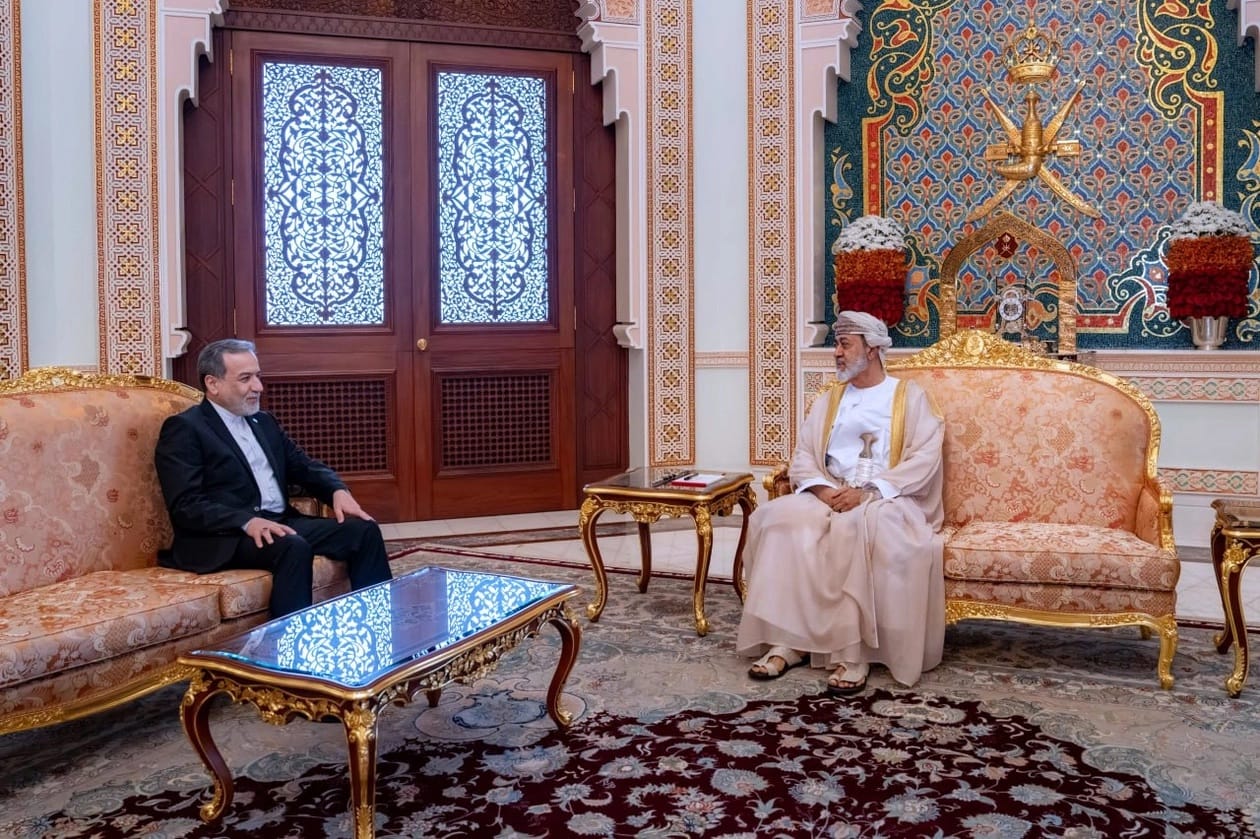
In Oman, Araghchi attempted to garner support for a toll mechanism on the Strait of Hormuz as a ‘regional security framework’ free of foreign influence, and he is reported to have insisted the Strait won’t reopen until the US lifts its naval blockade, according to Reuters. Following the regional tour, which included phone calls with leaders in Qatar and Saudi Arabia, Araghchi had a meeting in Moscow with Russian President Vladimir Putin, who said that Russia would work to ensure “peace can be achieved as soon as possible,” according to an official Kremlin statement.
Europe
Armenia moves to grow regional trade role
Representatives from Armenia and Turkey this week met to discuss the rehabilitation of the Gyumri-Kars railway linking the two countries, OC Media reports. The effort is part of a broader push by Armenia to increase its involvement in Asia-Europe trade.
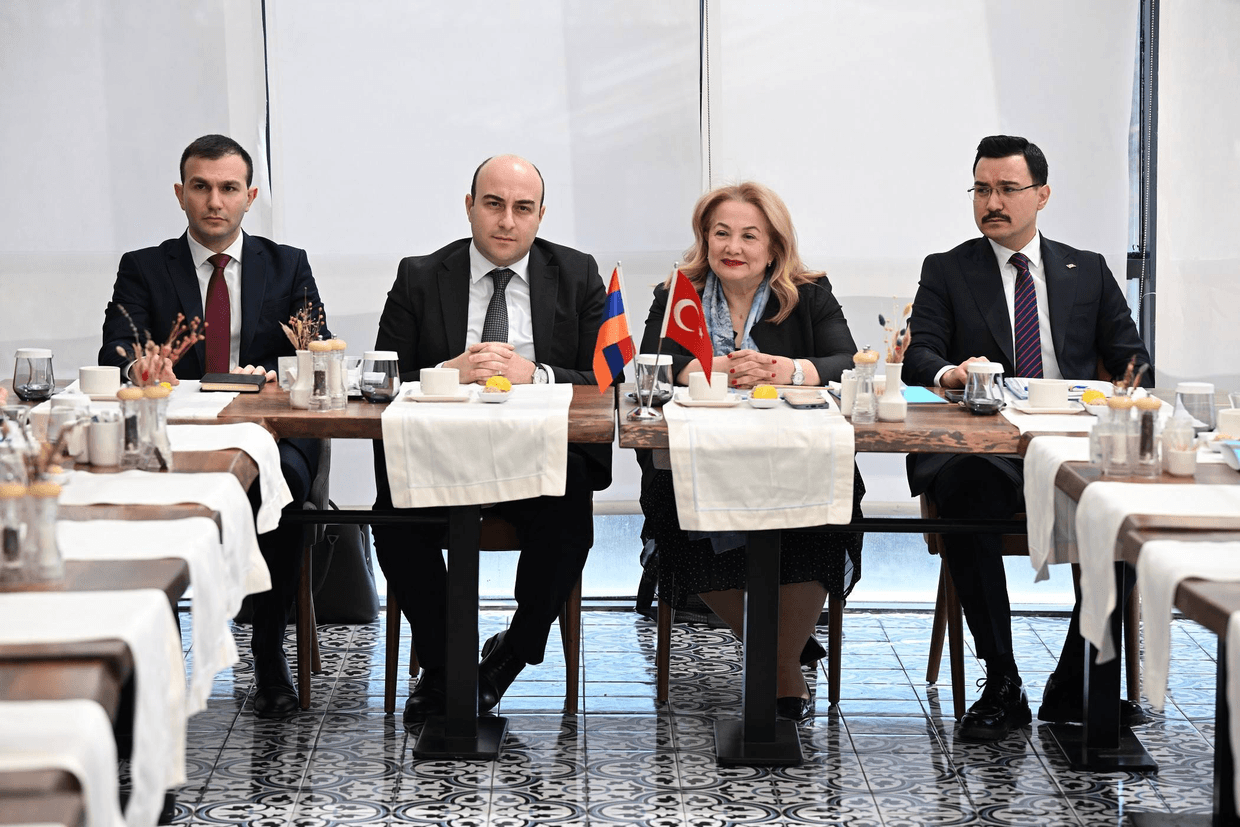
The US welcomed the move in a statement from its embassy in Yerevan, saying that reestablishing the link was “an important step in unlocking regional connectivity and solidifying regional stability.”
Russian control of Armenia’s rail system under a 30-year management contract signed in 2008 could yet disrupt the effort, according to Radio Free Europe. Further, while infrastructure development in Eurasia entered a new phase with the Trump Route for International Peace and Prosperity (TRIPP) proposed in 2025, Iran’s willingness to strike nearby infrastructure tied to Western powers threatens the security viability of TRIPP, which would run 27 miles north of Iran’s border.
Hungary’s incoming leader seeks to reset relations with EU
Hungary’s soon-to-be-Prime Minister Peter Magyar met EU officials this week for talks centered on access to frozen EU funds, the elimination of a discriminatory Hungarian retail tax, and rights for Hungarians in Ukraine, Politico reports.
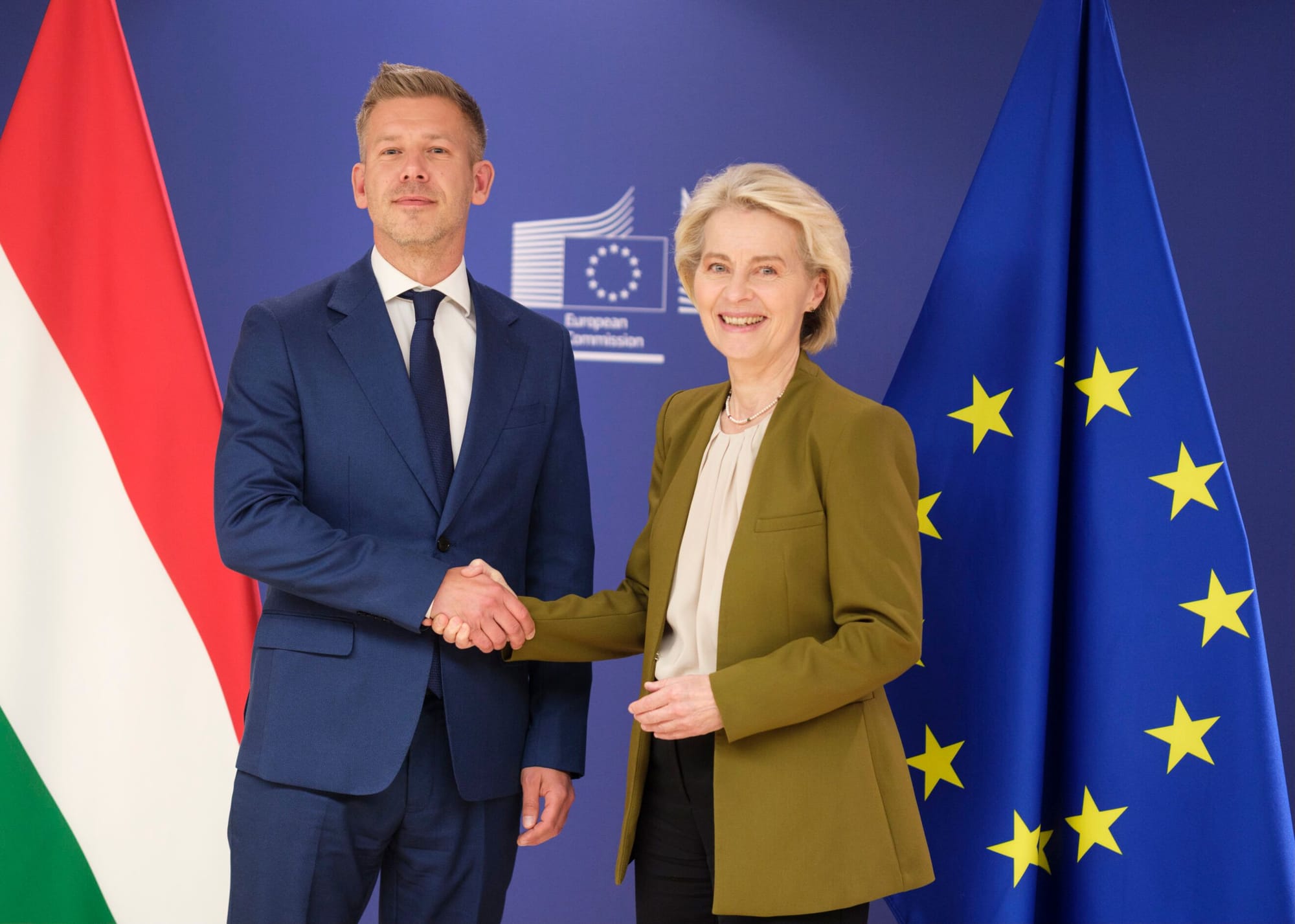
In discussions over the EU funds Magyar broke from the antagonistic stance of his predecessor Viktor Orbán, the FT reports, but significant hurdles still remain that could prevent Hungary accessing the money. Although Magyar said he plans to end the contentious retail tax implemented by Orbán, the bloc this week launched an action in the European Court of Justice to force Hungary to scrap the levy.
- Hungary set to open communist-era archives | Balkan Insight
Magyar also laid out a list of conditions for supporting Ukraine’s entry to the EU, including demands relating to Hungarians living in Ukraine that closely resembled Orbán’s stance, Bloomberg reports. Ukraine’s President Volodymyr Zelenskiy reportedly said he would be happy to meet Magyar to resolve the outstanding issues.
Latin America
Ecuador signs $1.7bn mining deal with China’s CMOC Group
Ecuador this week signed a $1.7 billion gold and copper exploitation contract with China’s CMOC Group to develop the Los Cangrejos project, Reuters reports. The agreement represents the largest single mining investment in the country’s history and secures CMOC’s position in a deposit containing an estimated 1.37 billion tonnes of proven resources.
The deal signals President Daniel Noboa’s willingness to anchor Chinese capital in strategic sectors even as his administration deepens security and diplomatic ties with Washington. CMOC acquired the project’s previous operator, Lumina Gold, for $419 million in June 2025, and has now committed to advancing construction permits for an open-pit mine with a projected 26-year lifespan.
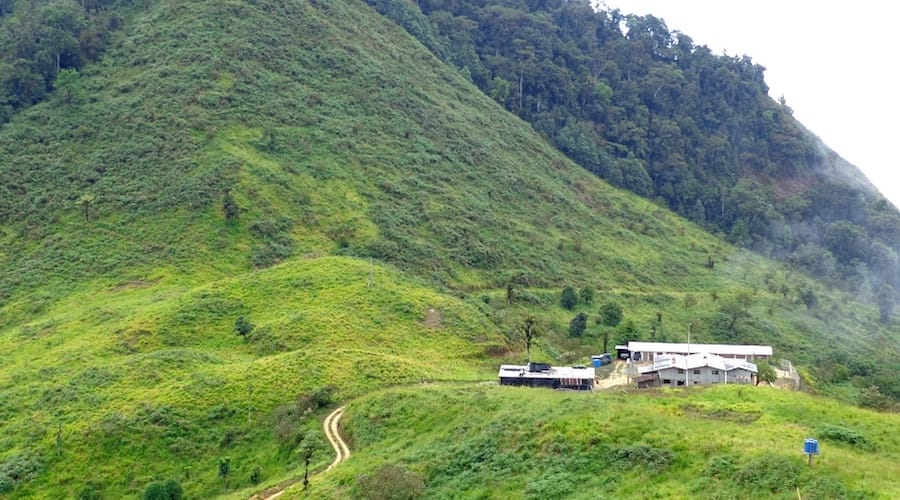
The contract structure reflects a tightening of fiscal terms for foreign operators. The agreement more than doubles the advance royalties originally negotiated in 2024, setting them at $54 million, with $34 million payable upon signing. Production is targeted to begin by the end of 2029, diversifying Ecuador’s mining geography beyond the Amazon and into the coastal El Oro province.
EU-Mercosur trade agreement comes into effect
The EU and the Mercosur bloc have begun provisional application of their historic free trade agreement, the European Commission announced today. The activation immediately removes or drastically reduces tariffs on key industrial and agricultural exports between the EU and Argentina, Brazil, Paraguay and Uruguay, marking the most significant structural shift in the region’s trade orientation in a generation.
The activation comes after nearly two decades of mostly stalled negotiations and arrives at a critical moment for the Southern Cone. As US-China rivalry reshapes global supply chains, the agreement legally binds Mercosur to European regulatory and environmental standards, creating a third pole of economic gravity for the region’s commodity and manufacturing sectors.
Investors price in risks to Argentina’s Milei government
Foreign bondholders are increasingly pricing in the political risk that Argentina’s President Javier Milei may fail to sustain his radical economic reform agenda through the end of his term, Bloomberg reports. Sovereign dollar notes due in October 2028 now yield 8.3%, a 3.6 percentage point premium over similar bonds maturing before the next presidential election, reflecting fears of a return to interventionist policies.

The newfound market anxiety is contrasting sharply with the country’s improving macroeconomic fundamentals. Argentina’s energy economy is booming amid the Middle East oil shock, with the Vaca Muerta shale formation driving a record trade surplus.
The tension between macro performance and political sustainability is sharpening ahead of the October midterm elections. Milei’s approval rating fell to 35.5% in April as the real economy contracted 2.6% in February, testing the public’s tolerance for his aggressive fiscal shock therapy.
What We’re Reading
Ghana ‘rejects proposed US health aid deal,’ citing data concerns (Reuters)
Puntland warns Somalia’s statehood at risk amid deepening electoral deadlock (Garowe Online)
Kenya races to unlock $335mn in external funding before June (FIA)
South Africa to scrap antiquated exchange controls in bid to lure $608bn (FIA)
Tunisia suspends rights group as crackdown widens (AP)
Stagflation risk grows for Sri Lanka (The Diplomat)
Bangladesh moves toward opening nuclear plant (Reuters)
Tensions reheat between Pakistan and Afghanistan (Bloomberg)
EU extends sanctions on Myanmar until 2027 (EU)
ADB to provide disaster insurance alongside infrastructure loans for SE Asia (Nikkei)
Bahrain strips citizenship from Iran ‘sympathizers’ (Semafor)
Over 1.2mn in Lebanon ‘expected to face acute hunger’ (Al Jazeera)
Syria puts first Assad-era official on trial (Al Jazeera)
Missed deadline sends Kosovo to snap election (European Western Balkans)
EU warns Bosnia US gas project could threaten €1bn in aid (Reuters)
Bulgaria’s pro-EU opposition fragments ahead of new parliament (Balkan Insight)
Foreign investment in Colombia sinks to five-year low (ColombiaOne.com)
Peru grapples with selecting new leader amid ongoing election chaos (FT)
Chile holds rates; Peru chalks up record trade surplus. (Scotiabank Latam Daily)
We are committed to providing FMN readers with a free weekly digest of politically unbiased, succinct and clear news and information from frontier and small emerging markets.
Please consider becoming a paid supporter to help cover some of our costs and support our continued development of sharp markets-focused coverage and new informational products. Paid subscribers will also gain exclusive access to our EM/FM reports that aggregate insights from dozens of major banks, international institutions and consultancies.

Read next


