

🌍 Frontier Markets News, April 24th 2026
A weekly review of key news from global growth markets

Africa
Kenya faces mounting fiscal strain
Kenya is grappling with a tightening fiscal squeeze as the fallout from the Iran war hammers East Africa’s largest economy on multiple fronts. This week, treasury secretary John Mbadi trimmed the government’s tax revenue target for the fiscal year ending June to 2.6 trillion shillings ($20.1 billion), down from an initial 2.63 trillion shillings. The Treasury also almost doubled its net domestic borrowing target to 1.13 trillion shillings from an initial 634 billion.
Shipping disruptions linked to the Iran conflict have stranded nearly 9,000 tons of tea at the port of Mombasa, costing the industry roughly $8 million per week. The Middle East accounts for up to 35% of Kenya’s tea export volumes. Freight costs have surged, with air cargo delays of up to 48 hours hitting perishable goods including flowers, fresh produce and specialty coffee. Kenya’s trade ministry estimates roughly KSh 164.6 billion in annual exports to the region are now at risk.
- Wall Street banks flag risks for Kenya’s shilling (Bloomberg)
The IMF says Kenya is at a high risk of debt distress and raised its deficit forecast to 6.4% of GDP, from 5.6%.
To buffer the shock, Kenya last week requested emergency support from the World Bank. The central bank paused its rate-cutting cycle on April 8, holding the benchmark at 8.75% after 10 consecutive cuts totaling 425 basis points.
Burkina Faso ramps up state control over gold and cotton
Burkina Faso is pressing ahead with an aggressive nationalization drive under military leader Ibrahim Traoré, targeting the country’s two biggest export earners in the span of a week.
The government has approved a full takeover of cotton giant Sofitex, valued at 338 billion CFA francs ($607 million), citing rising debt and a 24% production slump, Business Insider reports.
This week it moved to acquire an additional 25% of the Kiaka gold mine from Australia’s West African Resources for 70 billion CFA francs ($125 million), lifting the state’s stake to 40%. Ouagadougou had already seized two mines from Endeavour Mining in 2024 for a fraction of their estimated value.
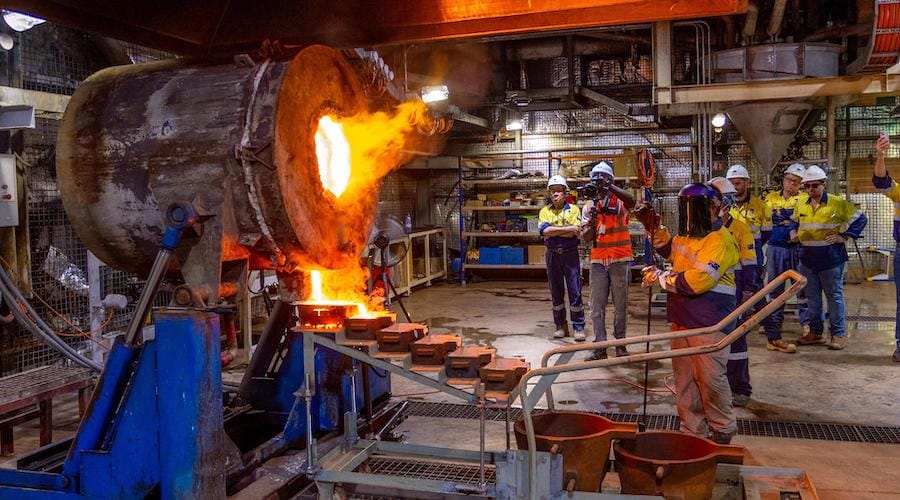
A 2024 mining code overhaul underpins the push, giving the state a 15% free stake and the option to buy 30% more. Gold accounts for over 70% of export earnings. Legal experts warn the approach sits at the “extreme end” among African peers and risks chilling foreign investment.
Zambia set to grow power generation and mining output
The Zambia Development Agency said this week that China’s CMEC Group has committed to build roughly 900 megawatts of new generation capacity, Business Insider reports. The new capacity will be evenly split between wind, solar and coal-fired thermal generation with the aim of ensuring supply regardless of weather conditions.
The deal lands as the country’s hydro-dependent grid, which supplies more than 80% of its electricity, continues to buckle under recurring drought conditions that have slashed reservoir levels and triggered rolling blackouts lasting up to 21 hours at a stretch.
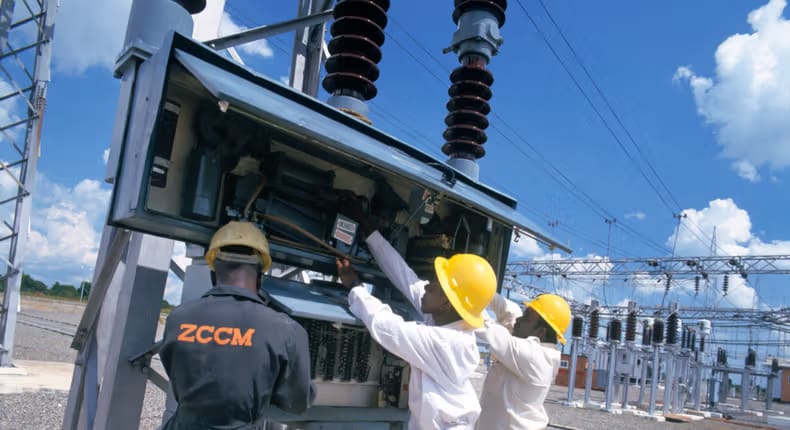
The southern African country is also looking to sharply expand copper production, with a plan to triple output by 2031. This week, Zambia’s mines ministry said mining giant BHP was considering large-scale copper exploration in the country, its first major African push in over a decade.
Asia
Vietnam EV giant targets 100,000 overseas sales
Vietnamese electric vehicle manufacturer VinFast is aiming to sell around 100,000 cars to foreign markets this year, Chief Executive Pham Nhat Vuong said on Wednesday.
That number of sales would mark a five-fold increase over 2025 levels, Nikkei reports. The company is looking to sell 300,000 cars in total this year, Vuong said.

Vietnam’s EV market is growing rapidly. The country had just 140 electric vehicles in 2019, according to the US International Trade Administration. VinFast alone sold more than 175,000 EVs to the Vietnamese market last year, the company says.
But while VinFast has done well to capture the domestic market, it faces tough competition overseas. China exported some 2.6 million EVs in 2025, and the country’s top auto industry group expects that figure to triple this year, Reuters reports.
Pakistan drops ban on crypto companies’ holding bank accounts
The central bank of Pakistan is allowing crypto companies to open bank accounts in the country for the first time, The Banker reports.
The decision is an about-face for Pakistan, which told lenders seven years ago that they could not bank crypto companies. Under the new rules, banks will only be able to lend to companies that have licenses from the Pakistan Virtual Assets Regulatory Authority, an agency created last year to oversee the crypto industry.
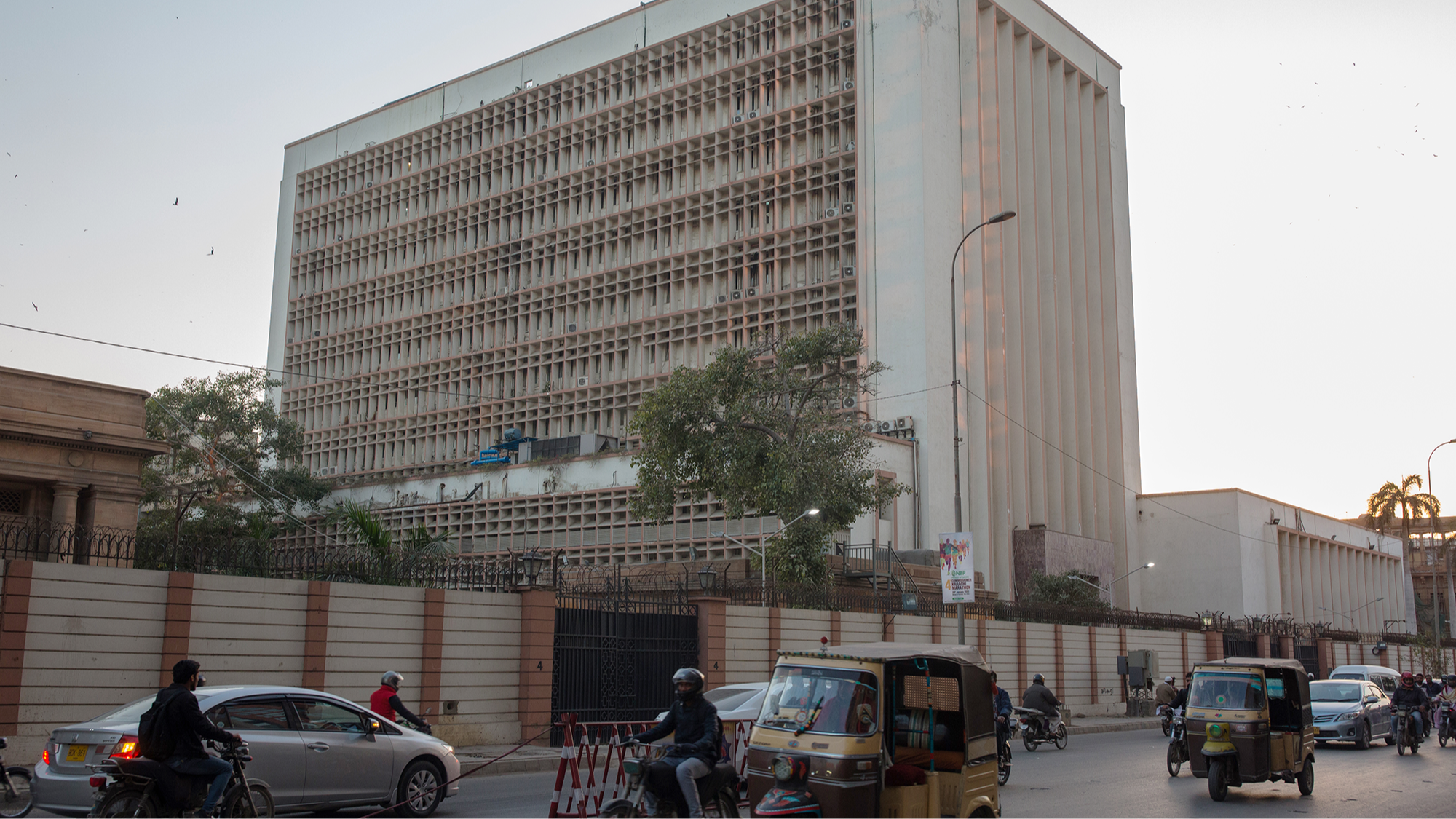
Pakistan now has 25 million active crypto users and $300 billion in annual transactions, according to the finance ministry. The country is meanwhile seeking to invest $1 billion in AI by 2030, Dawn reported earlier this year.
The crypto pivot has helped Pakistan become closer to the Trump administration. In January, the country signed a deal to cooperate on payment infrastructure with a firm tied to World Liberty Financial, a joint venture between the families of Trump and Steve Witkoff, a special envoy for the US and a former real estate developer.
Middle East
US blocks dollar shipments to Iraq amid deadlocked PM election
The US this week blocked delivery of $500 million in Iraqi oil revenues in a bid to escalate pressure on Baghdad to rein in Iranian influence in the country—the second such move since February—the WSJ reports. Iraq’s oil revenues have been held in the New York Federal Reserve since the US invasion in 2003. By blocking disbursements, the US is intensifying its economic pressure campaign against Iran’s considerable political power in Iraq.
- Blackouts loom for Iraq as domestic gas collapses and Iranian supply falls short (Kurdistan 24)
The move adds to pressure on Iraq caused by the US/Israeli-Iran war and the consequential closure of the Strait of Hormuz, which has engendered a mounting liquidity crisis in Iraq. A new budget is unlikely to be agreed until a political impasse obstructing the election of a new prime minister is resolved—although it is that same election, and the possibility that the winner could be Iran-aligned Nouri al-Maliki, that prompted this latest US economic measure.
The US is opposed to al-Maliki’s candidacy because it considers him part of Iran’s “network of influence” in Iraq, alongside the Popular Mobilization Forces and the Coordination Framework political bloc that is considering his nomination. Bassem al-Badri, a Maliki ally with a relatively minor executive role and no major political bloc behind him, is emerging as a favored alternative to resolve the impasse, but it is unclear whether the US will allow his candidacy.
Bahrain turns to AI in US deals to recover oil production
Bahrain is partnering with US oil services firm SLB and Geminus, a US AI company, in a bid to make its existing oil operations more efficient and productive, Semafor reports. The national oil company Bapco has long been struggling with declining production and reserves, which drove a 5.7% drop in the oil sector’s contribution to Bahrain’s GDP the previous year.
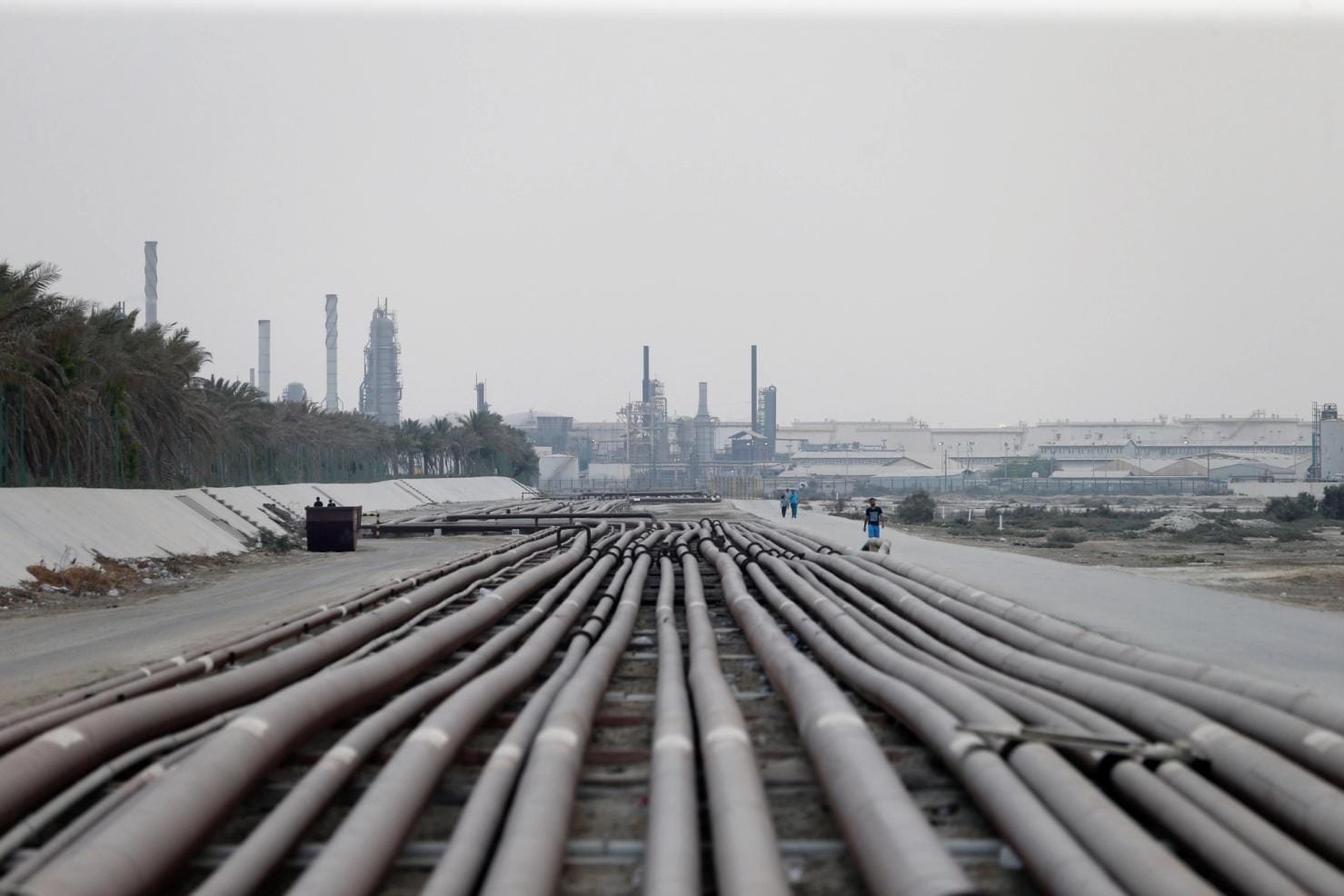
Last month, an Iranian attack on Bapco refining facilities prompted it to declare force majeure on its contracts, exacerbating oil sector weakness.
The partnership is a bet that AI-enabled tools can help SLB better manage existing wells and squeeze out more oil—a cheaper option than a traditional expansion in production capacity.
Oman opens investment bank in Angola to deepen Africa trade links
Oman this week established a corporate investment bank in Angola, a semi-private entity backed by its sovereign wealth fund meant to facilitate the Sultanate’s economic and trade partnerships in Africa, AGBI reports. The African Bank of Oman will support cross-border payments and Oman’s growing portfolio of strategic investments in Africa’s energy and mining sectors.
Oman joined the GCC rush into Africa in December of last year with a visit by Oman Investment Authority chairman Abdulsalam bin Mohammed Al Murshidi to Botswana, which resulted in an investment in a three gigawatt renewable energy project, an agreement with Botswana Oil to assess local production opportunities, and a mining exploration partnership.
A subsequent visit this April to Oman by Botswana’s president Duma Boko achieved follow-up commitments to build an oil storage facility and a formal minerals exploration agreement covering 70% of Botswana’s geography.
Europe
Incoming PM Rumen Radev to balance priorities in Bulgaria
Bulgaria’s former president Rumen Radev and his Progressive Bulgaria party won a landslide victory on Sunday with a campaign focused on countering corruption in Bulgaria while restoring relations with Russia, DW reports. Radev’s party was able to garner support for what could look like a contradictory stance in part because a majority of Bulgarians are pro-EU while sharing strong cultural and historical ties with Russia, according to analyst Mila Moshelova.
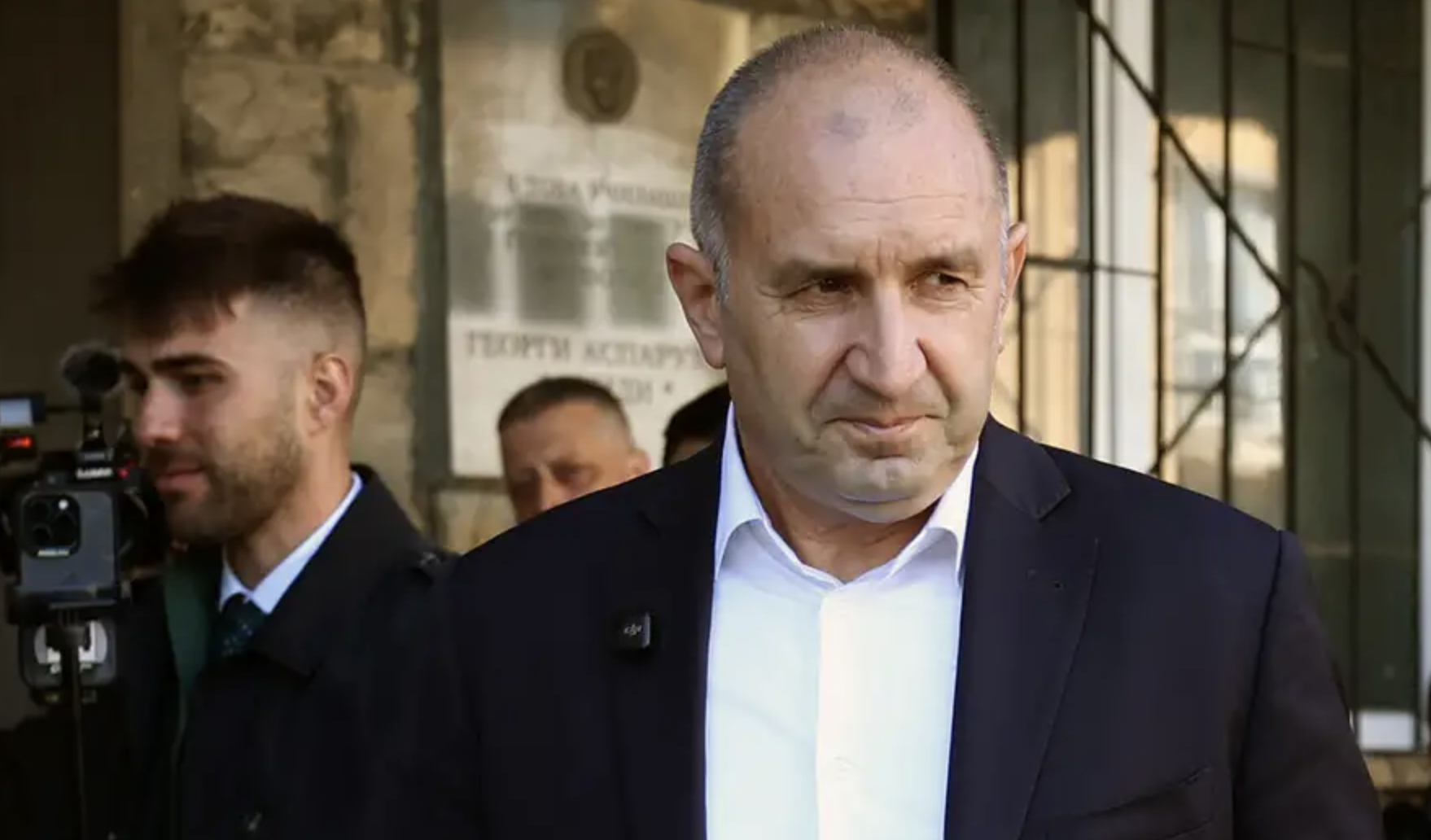
And while Radev may continue to speak favorably of the Kremlin, some argue his statements are more symbolic, and that his relationship with the EU is unlikely to mirror that of Victor Orbán, the outgoing leader of Hungary.
- Bulgaria’s controversial acting prosecutor general resigns (Balkan Insight)
- Post-election political shift in Bulgaria unlikely to lift municipalities’ weak investment levels (S&P Global)
In the run-up to the election, Bulgaria enlisted support from the EU to counter alleged and anticipated Russian interference, but observer groups determined the voting process was generally fair. In the wake of the vote, EU High Representative Kaja Kallas urged her colleagues to cooperate with the new government.
Hungarian assets surge after pro-EU Peter Magyar’s election
Investors drove the Budapest stock market up 15% this month as Peter Magyar’s Tisza party cemented a landslide parliamentary victory. The forint rose 3.6% against the euro and yields on Hungary’s 10-year bonds dropped to an 18-month low.

Members of outgoing prime minister Viktor Orbán’s family even joined the rally to bet against his re-election. Asset management fund Equilor, partially owned by Orbán’s son-in-law, profited from buying Hungarian bonds ahead of the vote.
- Turkey’s opposition draws hope from Hungarian election (Balkan Insight)
Analysts think Magyar’s administration could set Hungary on a path to mirror Poland’s economic success. Magyar hopes the country will join the eurozone by 2030, and analysts argue the reforms necessary—which include keeping inflation within 1.5 percentage points of the eurozone’s three lowest rate countries, driving down government debt and the deficit, and reducing volatility of Hungary’s currency for two years prior to euro accession—will yield benefits on their own.
Magyar’s push toward fiscal consolidation could be hindered by a hangover from Orbán’s high social spending as well as the continued presence of his supporters in government. Investors see Magyar’s unlocking of roughly €17 billion of frozen EU funds an easier target, as his incoming administration enjoys a supermajority that could quickly enact necessary anti-corruption and pro-democracy reforms.
Latin America
Peru’s leftist candidate pledges to overhaul mining rules as vote count drags
Peru’s leftist presidential candidate, Roberto Sánchez, has pledged to overhaul the country’s mining rules and redistribute wealth if he reaches the June runoff election, Bloomberg reports. Sánchez, who currently holds a razor-thin margin for second place, plans to review tax contracts with major mining companies, raise taxes on windfall profits, and phase out open-pit mining entirely, blaming the practice for environmental damage.
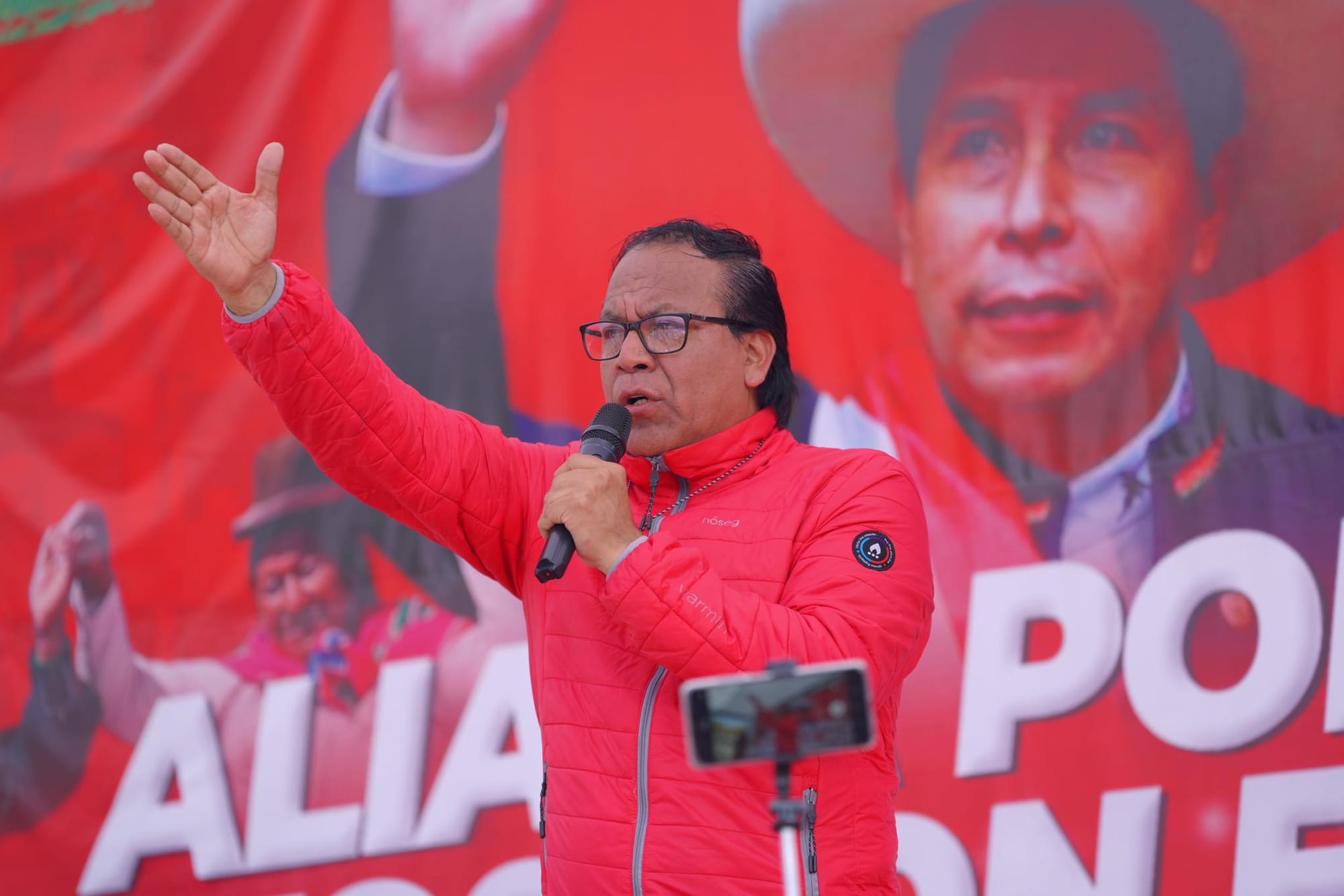
The policy promise arrives as the country’s electoral court continues to review tally sheets representing up to a million votes from the April 12 election, leaving investors jittery over the prolonged uncertainty, Reuters reports. Peru is the world’s third-largest copper producer, and mining accounts for 60% of its exports, making it a critical base for global operators including Glencore, Anglo American and Freeport-McMoRan.
Sánchez’s unexpected rise has already unsettled markets, with the sol currency becoming the worst performer in Latin America since election day. If he secures the runoff spot against conservative Keiko Fujimori, his proposed reforms—which also include redrafting the market-friendly constitution and reviewing natural gas contracts—would face significant hurdles in a newly elected, highly fragmented Congress.
Bolivia drafts investor-friendly hydrocarbons law to revive gas sector
Bolivia’s government has finalized the draft of a new hydrocarbons law designed to attract foreign capital and reverse a severe decline in natural gas production, Bloomberg reports. The legislation marks a significant pivot for the mineral-rich nation, limiting the state’s share of revenues and offering more favorable terms to private operators after years of resource nationalism.
Bolivia’s President Rodrigo Paz framed the new regulations as essential steps to recover “energy sovereignty,” adding that the country’s previous nationalization policies had left it dependent on international markets for fuel.
The reforms represent the most investor-friendly signal yet from the Paz administration as it attempts to stabilize the economy. Bolivia’s gas sector, once the engine of its economic growth, has suffered from years of underinvestment, forcing the government to seek Western capital and friendlier ties to unlock both its hydrocarbon reserves and its vast lithium deposits.
Chile’s flagship reform bill threatens to widen fiscal deficit
Chile’s President José Antonio Kast has introduced a flagship economic bill containing 43 measures that could widen the country’s fiscal deficit in the near term, Bloomberg reports. The legislation, designed to restore tax competitiveness and revive investment, includes corporate tax cuts, a statute of guarantees for large projects, and subsidies for formal hiring.
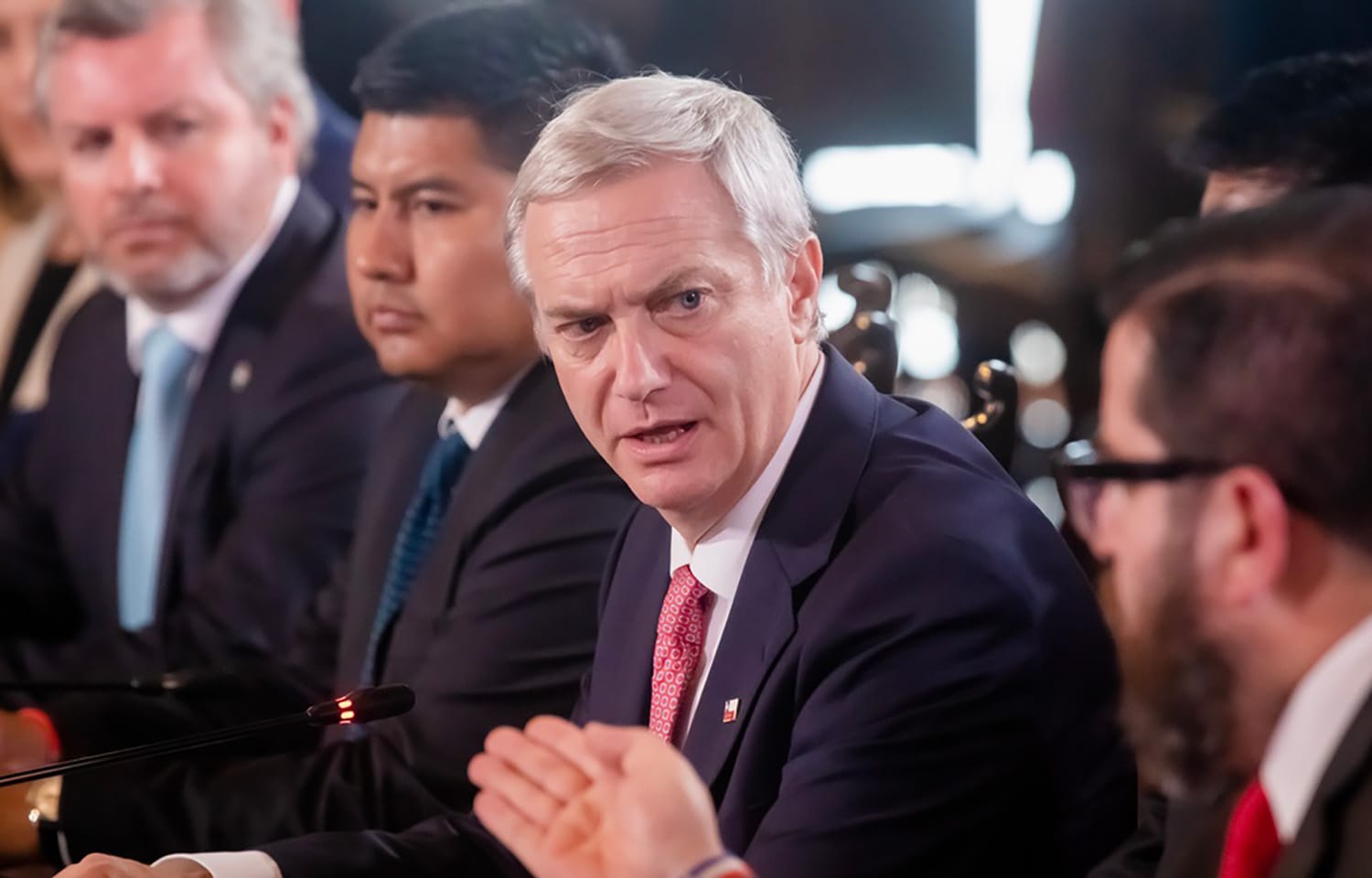
Finance minister Jorge Quiroz acknowledged the package is “marginally expansionary” in the short term, betting that lower taxes and reduced red tape will ultimately boost growth and tax revenue. To offset the cuts, the government is mandating spending reductions across most ministries, aiming to balance the budget by the end of Kast’s four-year term.
- Chilean government quickly reversing Boric-era fisheries and aquaculture strategies (Seafood Source)
The strategy carries significant risk amid a deteriorating global economy and a domestic slowdown. Chile’s economy contracted 0.3% year-over-year in February, and copper output recently slumped to a near nine-year low, prompting the central bank to cut its 2026 growth forecast to between 1.5% and 2.5%.
What We’re Reading
Ghana’s non-traditional agricultural exports rose 38% in 2025 (EcoFin)
Cameroon recruits private investment for $226mn port upgrade (EcoFin)
Nigeria moves to avert airline shutdown (Reuters)
Uganda central bank buys domestic gold for the first time to diversify reserves (FiA)
Mozambique looks to expand regional gas supply (Prospect Intelligence)
DRC central bank to ban foreign currency cash transactions from April 2027 (FiA)
Egypt’s Talaat Moustafa unveils plan for $27bn new city (Bloomberg)
Ecobank pursues direct yuan settlements to slash dollar costs in Africa-China trade (FiA)
Vietnam, South Korea agree to boost nuclear energy cooperation in trade upgrade (Nikkei)
Malaysia shoots down Strait of Malacca toll pitched by Indonesia’s finance minister (Straits Times)
Indonesia raises $1.1 billion in Samurai bonds (Bloomberg)
Philippines host joint military exercises with US (The Diplomat)
Kazakhstan’s Germany-bound oil exports paused by Russia (Reuters)
Sri Lanka investigates $2.5mn hack of finance ministry (BBC)
Pakistan stalls weapons sales after Saudi protest (Reuters)
Pakistan places $1.5bn Sudan weapons sale on hold after Saudi objection (Reuters)
Saudi Arabia nearly doubles renewables capacity in 2025 (Semafor)
Cash shortages grip Yemen despite currency stabilisation (Al Jazeera)
Ukraine to restart flows via Russian oil pipeline (FT)
Romania’s ruling coalition in turmoil as social democrats end support for PM (Balkan Insight)
Kosovo heading towards snap elections as talks about presidency fail (Balkan Insight)
Argentina’s economy records sharpest monthly contraction under Javier Milei (FT)
We are committed to providing FMN readers with a free weekly digest of politically unbiased, succinct and clear news and information from frontier and small emerging markets.
Please consider becoming a paid supporter to help cover some of our costs and support our continued development of sharp markets-focused coverage and new informational products. Paid subscribers will also gain exclusive access to our quarterly EM/FM report that aggregates EM insights from dozens of major banks, international institutions and consultancies.

Read next


