

🌎 Frontier Markets News, November 13th 2026
A weekly review of key news from global growth markets
Africa
Joint US-UAE investment venture to export raw tin from DRC to US smelters
UAE-majority-owned miner Alphamin Resources this week announced it had agreed a two-year deal to supply up to 3,600 tons of contained tin a year from its Bisie mine in eastern Democratic Republic of Congo to a new US smelter, Mining.com reports. “Contained tin” refers to the metal within raw ore. The tin will go to Nathan Trotter & Co.’s $65 million processing plant in Virginia, which aims to start production in 2027.
Although DRC’s government is keen to expand processing of Congolese minerals at home, the tin will leave Congo unrefined, as most of Bisie’s output already does. Currently, about 70% goes to Yunnan in China.
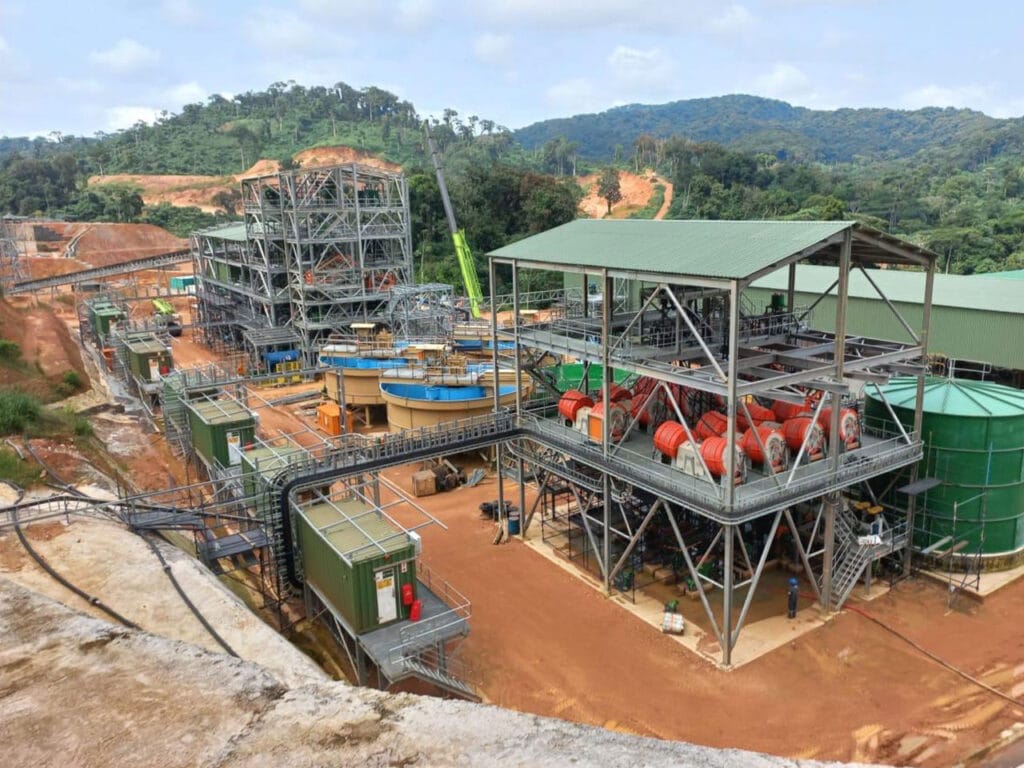
Jacob Helberg, the US State Department’s undersecretary for economic affairs, presented the deal as a product of the strategic partnership Kinshasa signed with Washington late last year. The DRC’s return comes through tax. On 2025 revenue of $620.9 million, Bisie paid about $15.9 million in royalties and $105.8 million in profit tax, and the state holds a 5% stake in the mine.
The US has not smelted tin since 1989. In 2024 the Pentagon gave Nathan Trotter $19 million to help rebuild that capacity.
ECOWAS’ development bank securitizes loans to raise new cash
The ECOWAS Bank for Investment and Development is looking to raise fresh capital by selling CFA63 billion ($106 million) in bonds backed by 10 of its existing loans, Ecofin Agency reports. The bank expects the repayments from the underlying loans to fund payments to the investors in the new bonds.
Loans tied to Senegal account for 68% of the principal, followed by Côte d’Ivoire and Mali. The portfolio is mainly small-business lending through commercial banks and public infrastructure loans, plus a restructured loan to an oil company in Mali.
The senior notes pay 6.20% over five years and 6.65% over seven. EBID keeps a junior tranche that absorbs any losses first, backed by a loan reserve and a liquidity line. Each bond costs CFA10,000, keeping them within reach of retail savers.
Asia
Kazakhstan launches climate finance platform
Kazakhstan launched an investment platform on Wednesday that could provide $1 billion in financing for climate-related projects, Astana Times reports.
The program will be managed by the Kazakh government with backing from the European Bank for Reconstruction and Development. It will offer up to $1 billion in direct financing and $100 million in concessional financing for Kazakh projects focused on areas such as renewable energy and grid modernization.
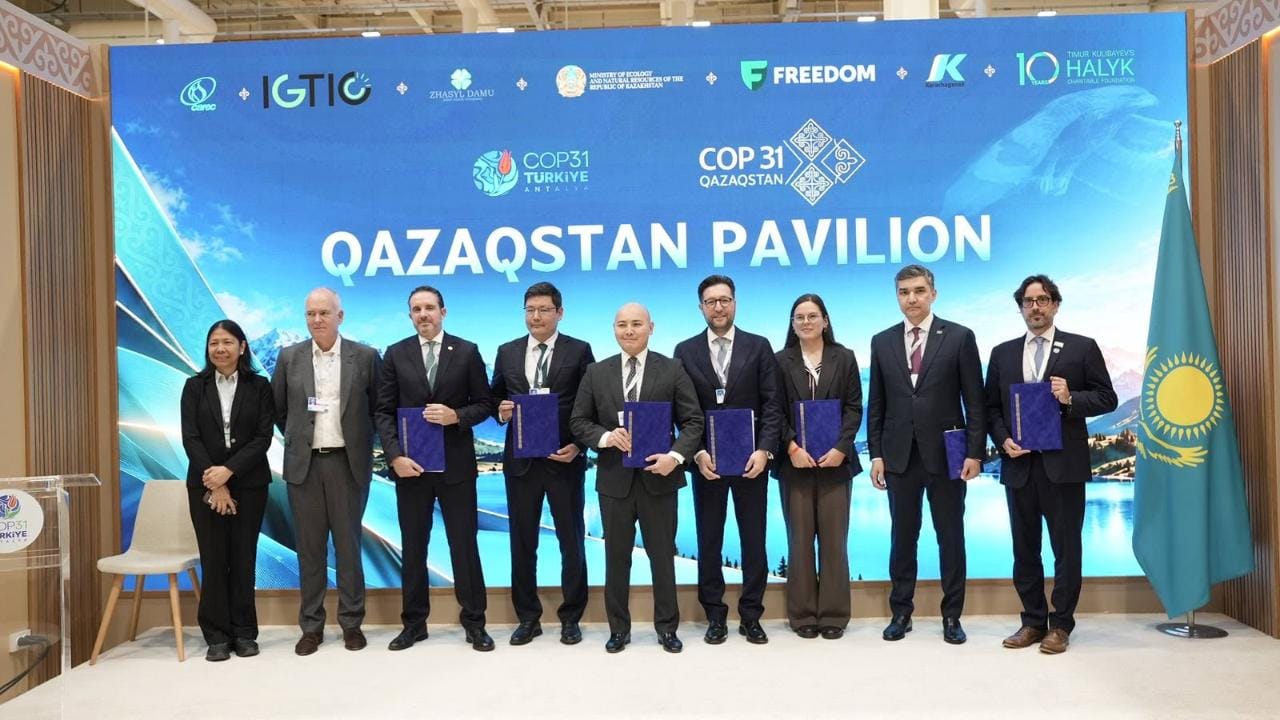
The platform was announced on the sidelines of the UN Climate Conference, which is being held this year in Turkey. The US officially skipped the event, the New York Times reports.
Malaysia wins $2bn AI investment from Asian tech giants
Two of Asia’s largest tech companies announced on Monday that they would jointly invest $1.85 billion in AI infrastructure projects in Malaysia, Nikkei reports. The move by Japanese firm SoftBank and Singapore-based Grab aims to add 5 gigawatts of computing power that can be used for AI. That would nearly quadruple the 1.3 gigawatts of capacity Malaysia currently has operational, the Washington Post reports.
SoftBank is putting in $1 billion with Grab financing much of the rest.
Malaysia has become a hub for AI data centers in recent years, and its leaders have spoken of turning the country into an “AI nation”. In Johor, a southern state, there are 65 data center projects in the works or already operational, the New York Times reports.
Vietnam signs deals with Japan but US agreement remains elusive
Vietnam and Japan agreed to cooperate in areas including energy, critical minerals and AI as the Southeast Asian country’s leader, To Lam, visited Tokyo on Monday.
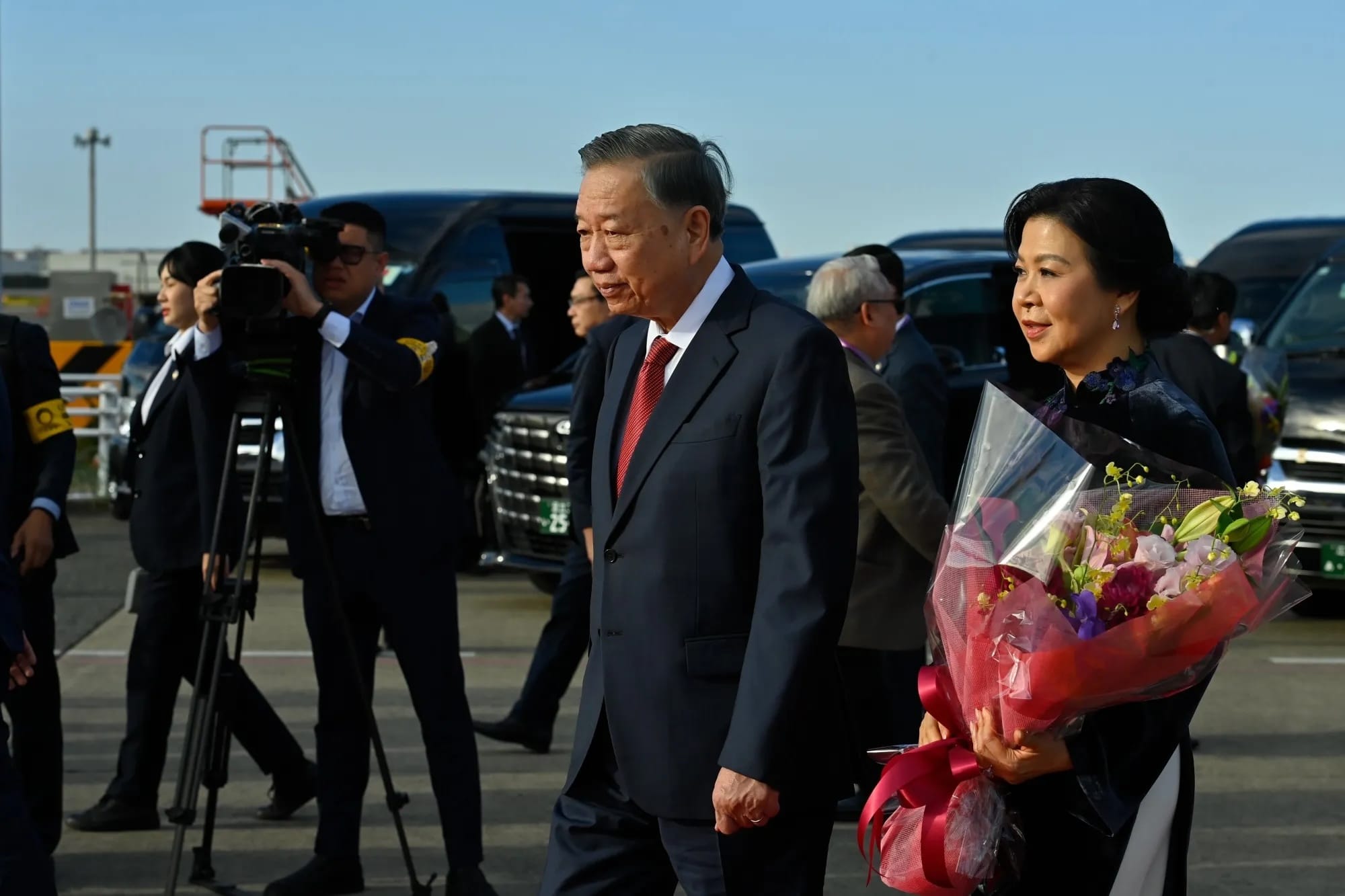
The two countries announced 10 deals and agreed to double annual trade to $100 billion by the end of the decade, Bloomberg reports. Among the deals was an agreement by Vietnamese tungsten producer Masan High-Tech Materials to sell a 5% stake to Japanese trading firm Sojitz. Vietnam’s national airline also signed a revenue-sharing agreement with Japanese airline ANA.
Vietnam’s trade negotiations with the US have not been so smooth. Vietnam has been trying for more than a year to hammer out a deal with the Trump administration that will lower tariffs on the country. Those efforts hit a snag on Tuesday, when the US Trade Representative’s Office extended a probe of Vietnam’s intellectual property protections until the end of February, Reuters reports.
Middle East
UAE withdrawals squeeze Saudi banks
Saudi Arabia is facing renewed liquidity pressure in its financial sector due to a rapid economic slowdown and reallocation of government spending priorities attributed to the war, and possibly-politically-motivated withdrawals from the UAE government and private sector, Bloomberg reports. Interbank market rates are at their highest level in years as UAE banks cut participation in the market, slowing credit growth and threatening private sector financing.
Higher government deficits and debt issuance can “crowd out” credit markets as Saudi banks absorb more debt on their balance sheets, adding a significant headwind to an already-slowing economy.
- Saudi Arabia’s new consumer law aims to curb price hikes (AGBI)
- Syria confirms it’s sending troops to Saudi Arabia (Al Jazeera)
The government has historically responded to such credit tightness by pushing billions of dollars into the financial system through bank deposits, but the elevated budget deficit and high public borrowing levels make such a response less feasible.
The liquidity squeeze comes as Riyadh reports a return to near per-war levels of oil production, which could suggest that improvements in government revenues are not offsetting the risk premium and liquidity strains affecting the credit market.
Oman’s finances improve as revenue rise produces surplus
Oman said this week its annual central government revenues swelled 16%, resulting in a budget surplus of $234 million at the end of the third quarter, AGBI reports. The government is staying the course on reducing borrowing and using the oil-driven surplus to offset a smaller 8% increase in spending, making it the only member of the Gulf Cooperation Council to post positive GDP and revenue growth so far this year.
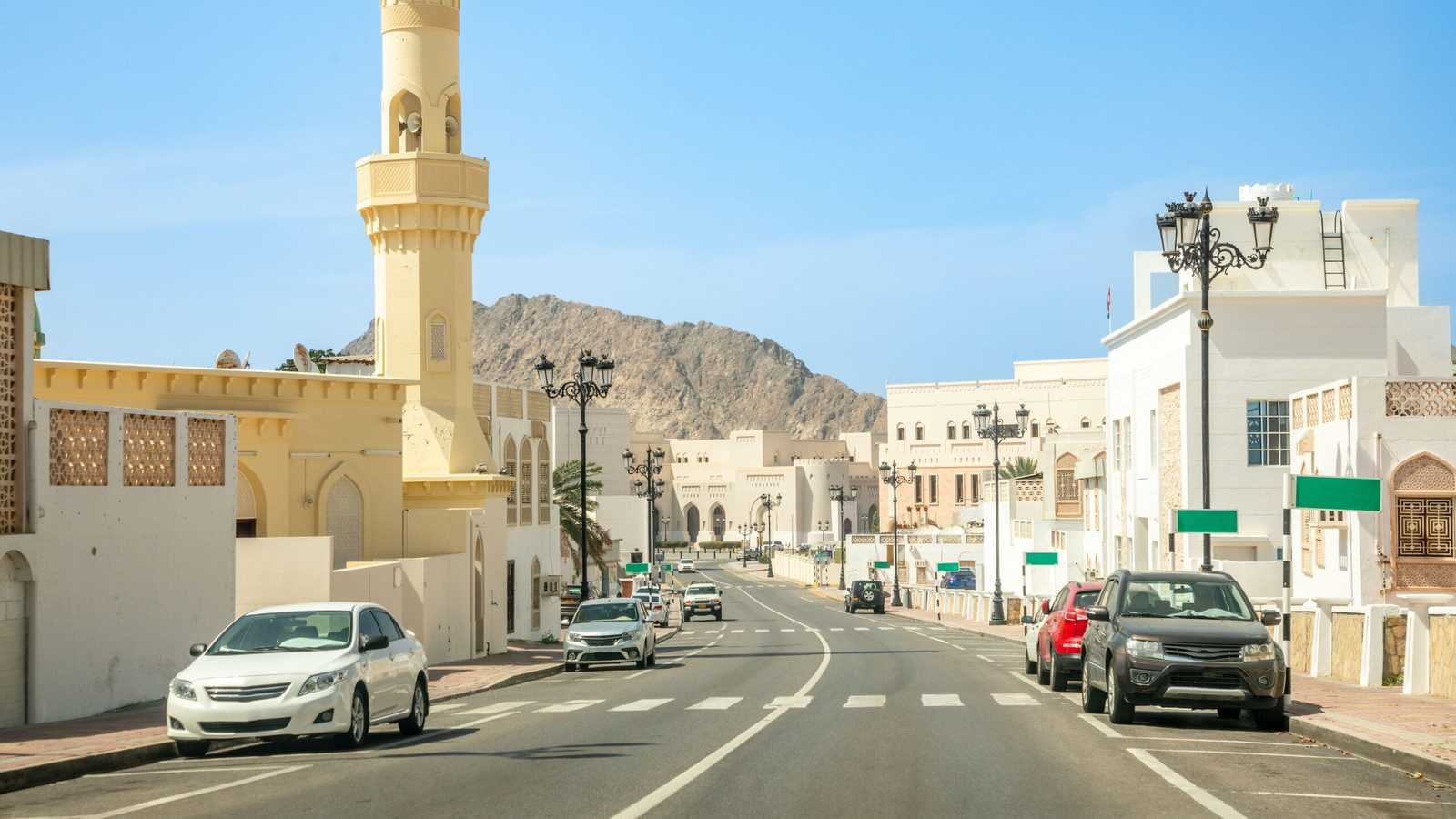
Final data for fiscal year 2025 confirms that public debt has fallen to around 36% of GDP, and government revenues have improved to 30% of GDP with a sharp rise in the non-oil sector contribution and tax receipts. The data show Oman’s push to diversify its economy and adopt a more “standard” approach to public financial management is bearing fruit.
Public balance sheet improvements are filtering through to the private sector. Oman’s stock exchange reported this week it expects an upgrade to emerging markets status by index provider FTSE, which could lift foreign investor interest and bring passive flows to its equity markets.
Europe
Lithuania turns to gas for increased power grid resilience
Lithuania is planning to increase its use of gas to create a more resilient power grid, despite its promise to reduce carbon emissions, the CEO of Lithuania’s power grid told Reuters this week. Litgrid CEO Andrius Semeskevicius said the plan would involve the construction of 10 new power plants at a cost of €880 million.
The new plants, which will be financed by private investors, will produce an additional 800 megawatts and will support the creation of seven “energy islands“. The decentralized system is modeled on Ukraine’s, and will allow each “island” to operate independently if other parts of the grid are disrupted by an attack or by extreme weather.
Lithuania plans for the system to be operational by 2033, Baltic News Network reports.
Latin America
Investors pounce on Peru’s green bond offer
Heavy investor demand for Peru’s largest-ever dollar-denominated bond sale enabled the country to price the debt at a much lower rate than originally planned, Intellinews reports. With bids for the debt reaching $21 billion—more than seven times the original issue size—Peru cut the spread over US Treasuries from an initial guidance of 160 basis points to around 40 basis points.
The issuance was also Latin America’s largest ever green bond issuance. The proceeds will be used to fund climate adaptation, disaster resilience and social programs under Peru’s sustainable-bond framework, as well as general budgetary needs.
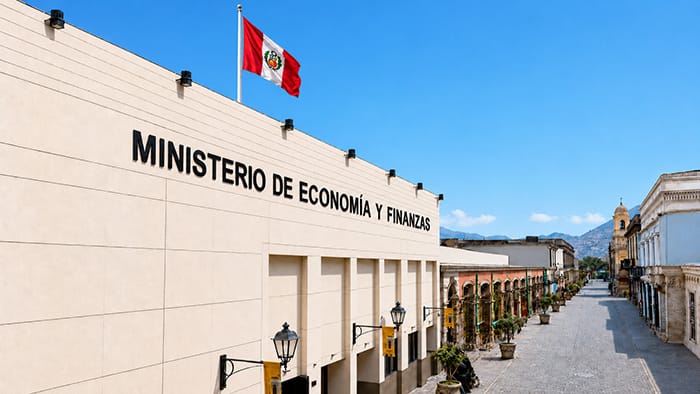
Peru is separately offering to exchange bonds maturing in 2027, 2030 and 2031 for new 2038 notes, with tenders due November 17. That would push repayments further out, rather than reduce the debt outstanding.
Venezuela approves private-power reform
Venezuela’s lawmakers this week agreed to open the electricity sector to private investment, potentially ending nearly two decades of state control that has left the country’s power network in a parlous state, Reuters reports. The measure now goes to the executive for promulgation.

The reform would permit concessions of up to 25 years and allow mediation or arbitration in disputes. Oil companies would be allowed to generate power for their internal networks without state authorization unless they connect to the national grid.
Less than 40% of generation capacity is currently available, while the government has failed to guarantee payments to suppliers that could help restore service. The power-sector reform follows openings to private capital in oil, gas and mining, but financing the power supply those industries need remains unresolved.
Chile’s trucker protest threatens food exports
Hundreds of Chile’s truckers this week blocked the country’s main north–south highway and access to ports in a protest over rising fuel costs, threatening fresh-produce exports at the start of the agricultural season, Reuters reports.
The government temporarily withdrew its proposed cap on weekly fuel increases and offered broader price-freeze legislation. Interior minister Claudio Alvarado said the new proposal would prevent further rises until early February.

Fuel relief already carries a substantial fiscal cost. The government says its price-stabilization mechanism cost 1.1 trillion pesos between August and October, including 860 billion pesos to cushion diesel prices through tax relief and direct subsidies.
Paraguay’s bank crisis puts sovereign rating at risk
Ratings firm Fitch put Paraguay’s sovereign rating on negative watch, citing risks to public finances, growth and policy continuity after the collapse of the bank Ueno, which prompted last week’s impeachment of then-president Santiago Peña. Fitch has not downgraded the rating and does not currently expect broader banking instability
The country’s new president, Pedro Alliana, said 95% of depositors had been reimbursed through Paraguay’s guarantee fund by Tuesday. Merchants who relied on the lender are reportedly switching banks or returning to using cash.
What We’re Reading
Violence in northern Nigeria drives tens of thousands into Niger (Reuters)
Botswana to double De Beers holding to 30% (FT)
Somali government and opposition agree on security and election principles (Shabelle Media)
Angola bonds top emerging-market selloff as oil slips to $90 (Bloomberg)
US cautions Madagascar over growing military ties with Russia (AfricaNews)
Egypt’s Suez Canal revenue surges 94% (Middle East Observer)
South Africa’s ANC humbled by brutal election results (AP)
Pakistan and Saudi investor launch joint PE fund (Reuters)
Ousted Bangladesh PM Hasina seeks new passport (Reuters)
Georgia hosts Chinese VP (OC Media)
Indonesia’s vice president resigns (The Economist)
GCC to establish integrated military command in Kuwait (Bloomberg)
Lebanon’s remittances show signs of decline (L’Orient Today)
Turkey and AIIB strike record $1.6bn climate policy deal (Reuters)
Turkey bans media reporting on deadly factory blast in Izmir (Balkan Insight)
Turkey’s banking watchdog submits resignation amid fund scandal (Al-Monitor)
IMF launches Ukraine loan review that could unlock $1.67bn (Reuters)
EU ‘on track to add Montenegro’ in 2028 despite national vetoes (FT)
Colombia ‘seeking large IMF loan’ (Reuters)
Argentina’s Milei dreams of data centers on the Patagonian steppe (FT)
We are committed to providing FMN readers with a free weekly digest of politically unbiased, succinct and clear news and information from frontier and small emerging markets.
Please consider becoming a paid supporter to help cover some of our costs and support our continued development of sharp markets-focused coverage and new informational products. Paid subscribers will also gain exclusive access to our EM/FM reports that aggregate insights from dozens of major banks, international institutions and consultancies.

Read next


