

🌍 Frontier Markets News, November 6th 2026
A weekly review of key news from global growth markets

Africa
Lawmakers reject Senegal’s proposed budget
Senegal’s National Assembly rejected the government’s revised 2026 budget on Tuesday without debating it, potentially imperiling a $2.2 billion IMF rescue deal, Reuters reports. Lawmakers said the financial projections underpinning the budget were “unrealistic” and objected to spending cuts proposed for social sectors, including healthcare and education.
The proposed bill would raise the 2026 deficit target to 7.6% of GDP from 5.4% and cut the revenue forecast by CFA340.1 billion ($583 million). It also more than tripled energy subsidies to CFA790 billion and cut about CFA555 billion from public investment.
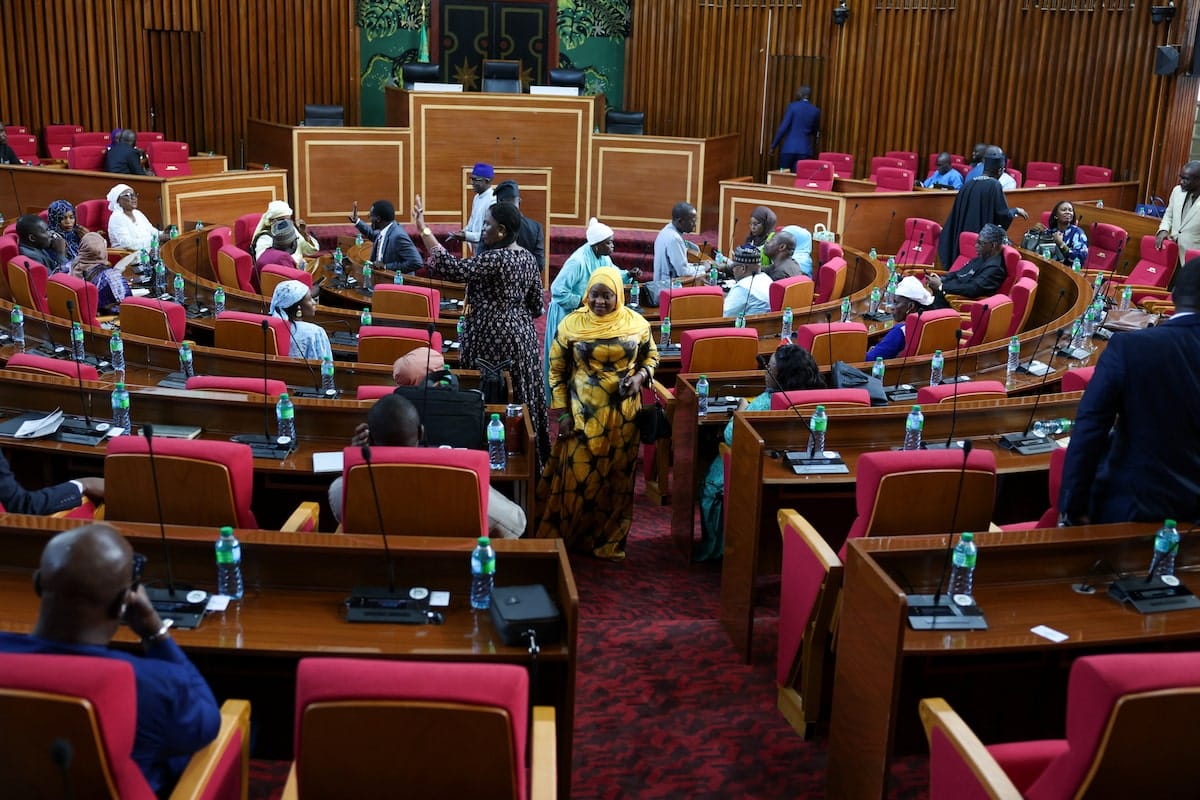
The government says it needs the revision to pay arrears of almost CFA2 trillion to private firms and electricity suppliers and to keep fuel flowing to power plants. The IMF’s proposed three-year program is also contingent on revisions to the budget that are consistent with the government’s proposal.
Guinea opens gold refinery built for 10 times its exports
Guinea inaugurated its first gold refinery this week to support the military government’s push to ensure gold produced in the country is refined domestically, Ecofin reports. The Nimba Gold Refinery in Conakry is designed to process 733 metric tons of gold a year—more than 10 times the 72 tons of gold Guinea exported in 2025, most of it from artisanal miners.
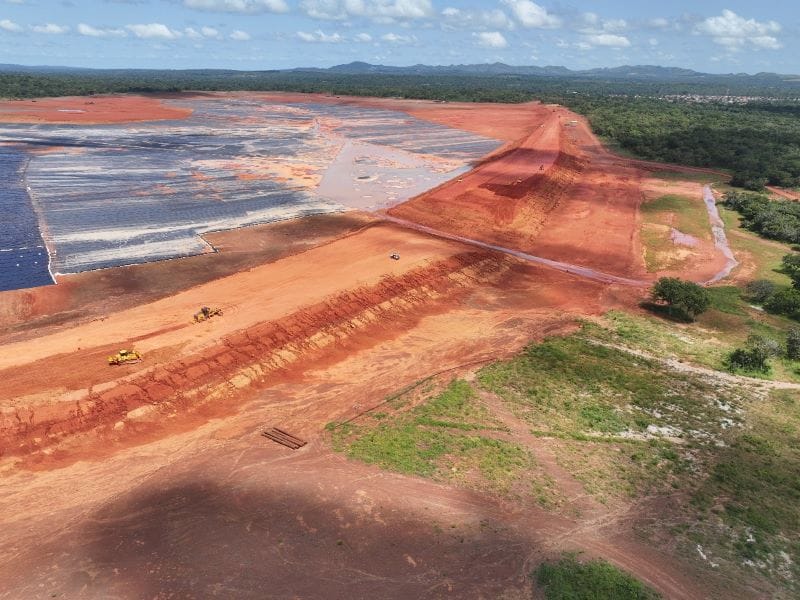
The government previously ordered all gold to be refined in Guinea before export, following a 90-day transition that began in July. Days before the new refinery opened, authorities suspended artisanal mining around Siguiri, the main gold region, citing environmental damage.
Guinea’s neighbors are making similar moves. Burkina Faso opened a 164-ton refinery in September, Mali is building a 200-ton plant, and Côte d’Ivoire plans one for 2027.
Asia
Kyrgyzstan’s national bank plans London IPO and $500mn ‘dim sum’ bond
The largest bank in Kyrgyzstan plans to raise hundreds of millions of dollars by tapping investors in the West and China, Bloomberg reports. State-owned Eldik Bank is seeking an IPO in London and a $500 million bond denominated in Chinese yuan.
The bank raised $500 million in Eurobonds in April.
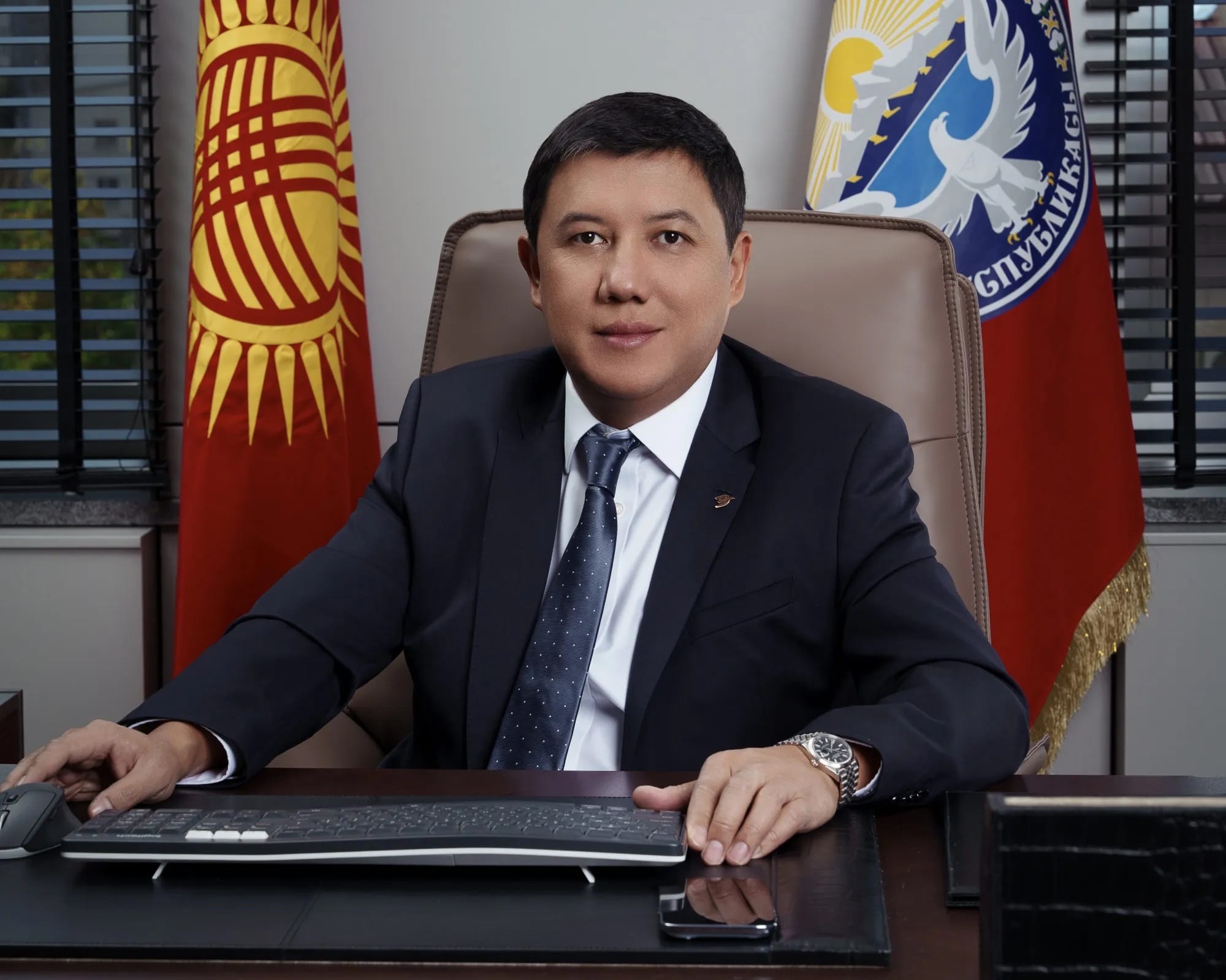
The bank now prefers yuan financing because it is cheaper and because Chinese companies are building many infrastructure projects in Kyrgyzstan, the company’s Chairman Ulanbek Nogaev said. The bond raise could take place before the end of the year with the IPO targeted for 2028, Nogaev said. If successful Eldik Bank would become the first Kygryz company on the London Stock Exchange.
Kyrgyzstan is looking to tap growing investor interest in Central Asia. Uzbekistan’s National Investment Fund listed its shares in London earlier this year. Its shares are up 26% since then.
Bangladesh garment workers win concessions after protests
Hundreds of Bangladesh’s textile factories were closed this week as workers protested against low wages and rising living costs. The disruption threatened to delay shipments destined for brands such as Zara, H&M and Walmart, Reuters reports.
Workers are demanding a minimum monthly wage equivalent to $243—more than double the current level. Almost 700 factories halted production in the garment sector, which makes up 80% of Bangladesh’s exports by value, according to Reuters.
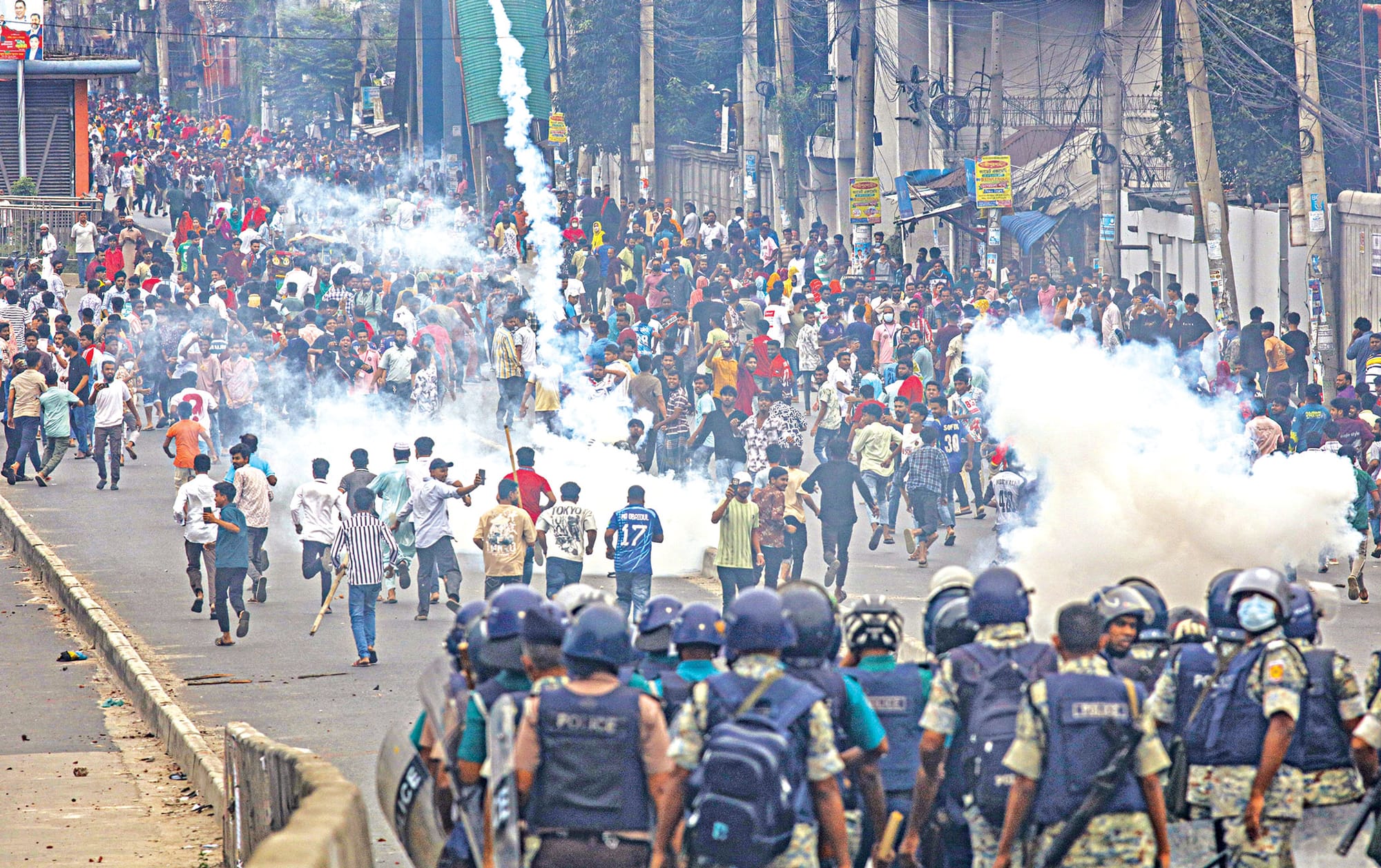
On Wednesday, the government of Tarique Rahman, who took office in February, agreed to raise the minimum wage in January and created a “wage board” to address workers’ concerns, the New York Times reports. Protests continued, however, and in some cases turned violent, The Daily Star reports.
Myanmar tiptoes in from the cold
Myanmar’s military-turned-civilian government is slowly winning international recognition as countries such as the US and Japan warm to it after years of treating the country as a pariah.
The US State Department, for example, is now seeking to become a “major trading partner and supplier” in Myanmar, Bloomberg reports. Washington wants to see Myanmar triple its purchases of American products while granting the US access to the Southeast Asian country’s “bountiful rare earth resources.”
- Myanmar drops extradition request for American businessman (AP)
Japan, which is also seeking new rare earths suppliers after being cut off by China, is now pushing a global financial crimes watchdog to remove Myanmar from its blacklist, Reuters reports.
The US and other countries imposed sanctions on Myanmar after the military took power in a 2021 coup. Since winning earlier this year an election widely derided as fraudulent, however, the country’s military leader-turned-President Min Aung Hlaing has been on a mission to win international recognition.
Middle East
Oman moves to turn wartime windfall into long-term gain
Oman this week launched a diplomatic push aimed at cementing its status as the key intermediary and deal maker in the Gulf Cooperation Council, and capitalizing on its wartime economic windfall, Bloomberg reports.
Oman is the only GCC state whose economy is projected to grow this year, and its benchmark stock exchange has gained 24%—a stark contrast with the sharp downturns in the rest of the region. Oman is hoping to use its resilience to attract foreign direct investment into its oil and gas industry, its ports, and a new international financial center set to begin operations in 2027.
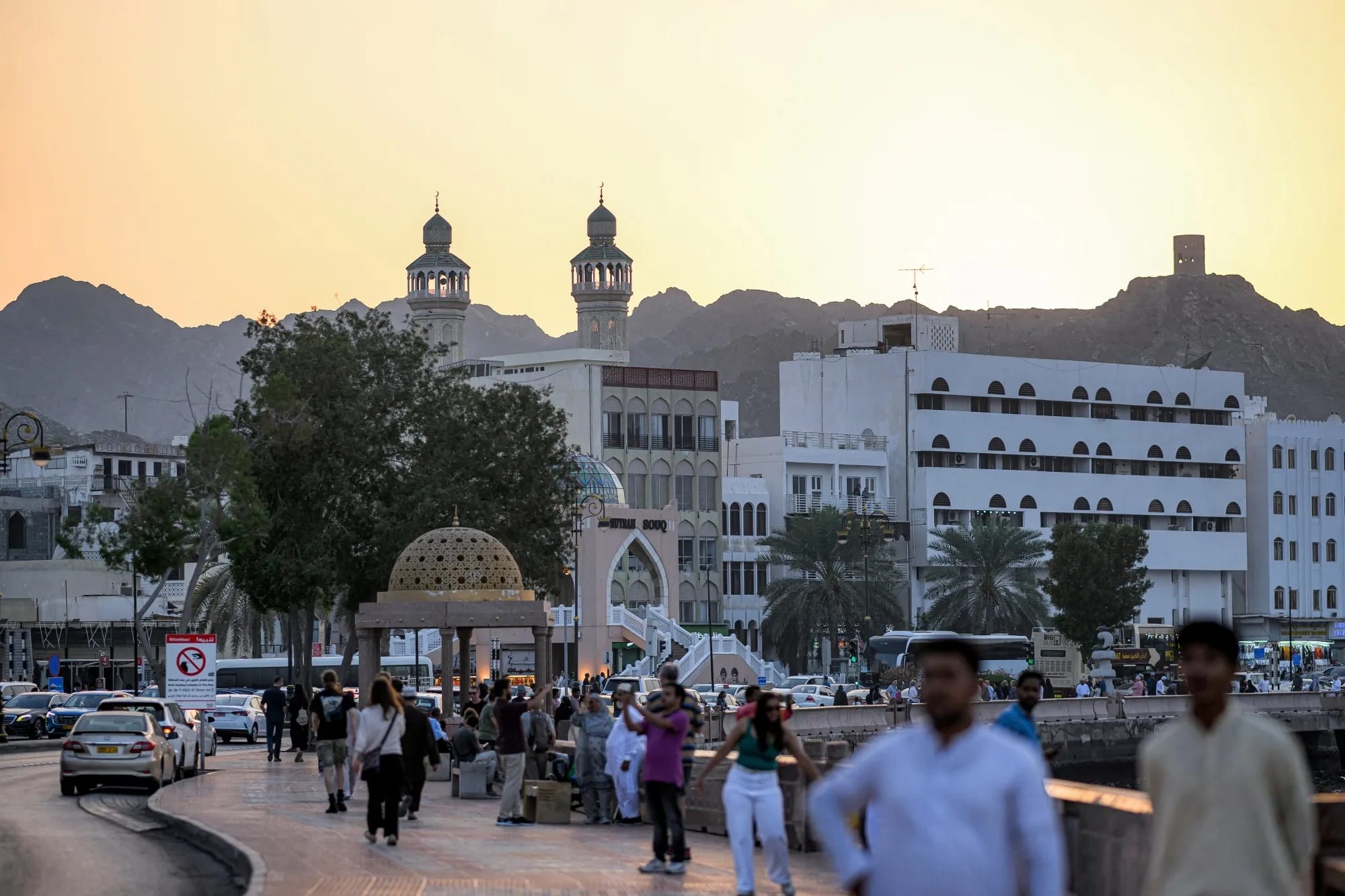
Its diplomatic efforts include a meeting between Prime Minister and Sultan Haitham bin Tariq and China’s leader Xi Jinping at a landmark summit in Beijing this week to support mediation efforts for an end to the US-Iran war. The visit also resulted in commitments to partner on oil and gas investment, AI development, and to “deepen the strategic alignment between the Belt and Road Initiative for high-quality cooperation and Oman Vision 2040.”
Syria and Saudi Arabia sign defense cooperation deal
Syrian President Ahmed al-Sharaa and Saudi Crown Prince Mohammed bin Salman met in Riyadh this week to finalize a long-anticipated defense cooperation deal, Reuters reports.
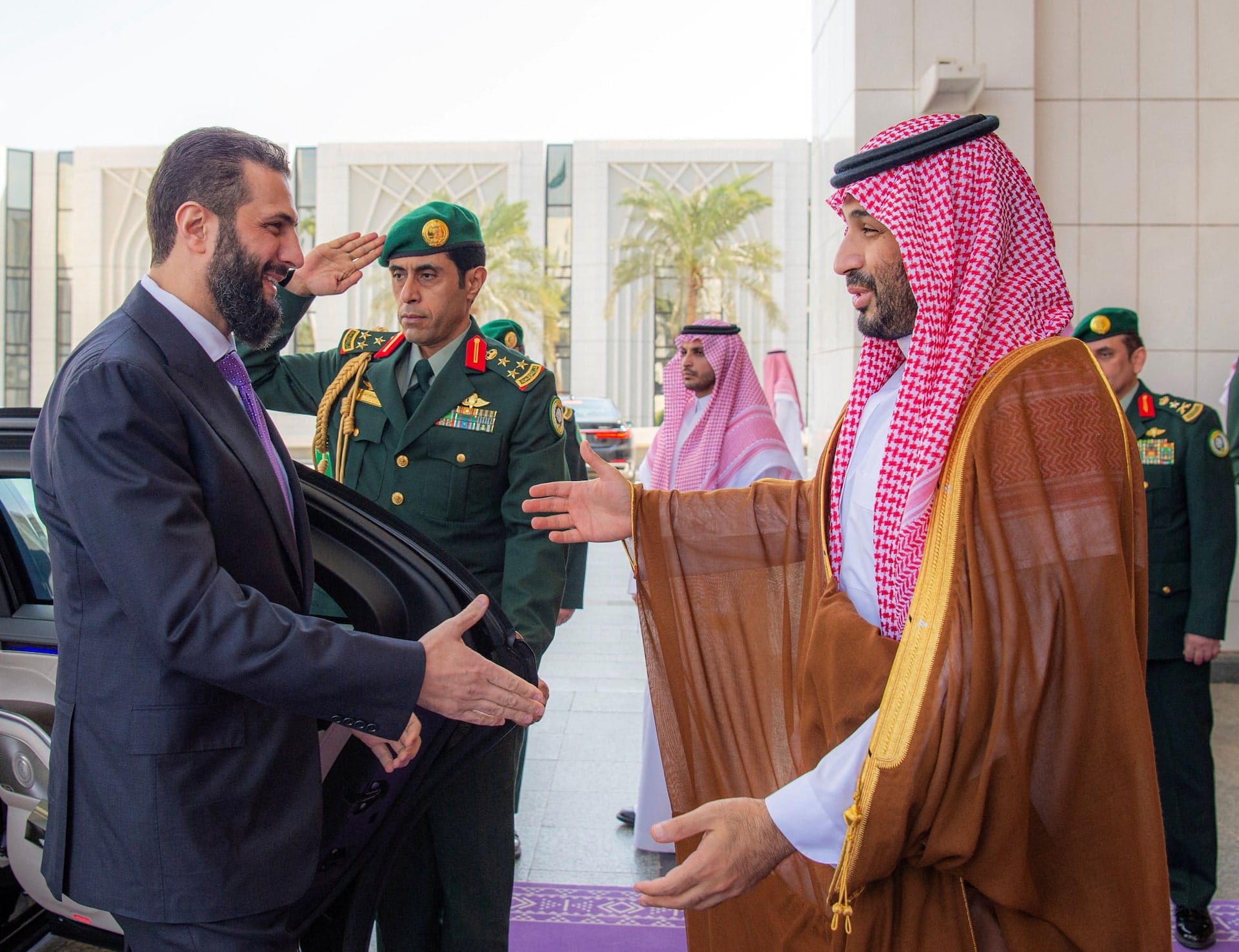
Last month, Reuters reported that Syria was considering military intervention in Yemen on behalf of Saudi Arabia, but that has given way to what appears to be a much more limited cooperation agreement that merely opens an official channel for such formal requests if yet-undisclosed conditions are met.
- Yemen’s Houthis offer Saudi Arabia $51bn cash-for-ceasefire deal (WSJ)
Saudi authorities did not release any details of the defense deal, which was jointly announced with a $403 million loan package for Syria from the Saudi Fund for Development. The financing is intended to be used for healthcare facility repair, housing construction, civil defense, rehabilitation of a thermal plant in Aleppo, and water infrastructure in Damascus and Idlib, Al Jazeera reports.
Lebanon’s electricity crisis deepens
Lebanon’s publicly-owned but independently operated electricity utility, EDL, has begun cutting power supplies to public-sector administrations that have longstanding arrears, L’Orient Today reports. EDL confirmed its list of targets includes neighborhoods in Beirut, the Ministry for Public Works, the customs administration, and the South Lebanon Water Authority.
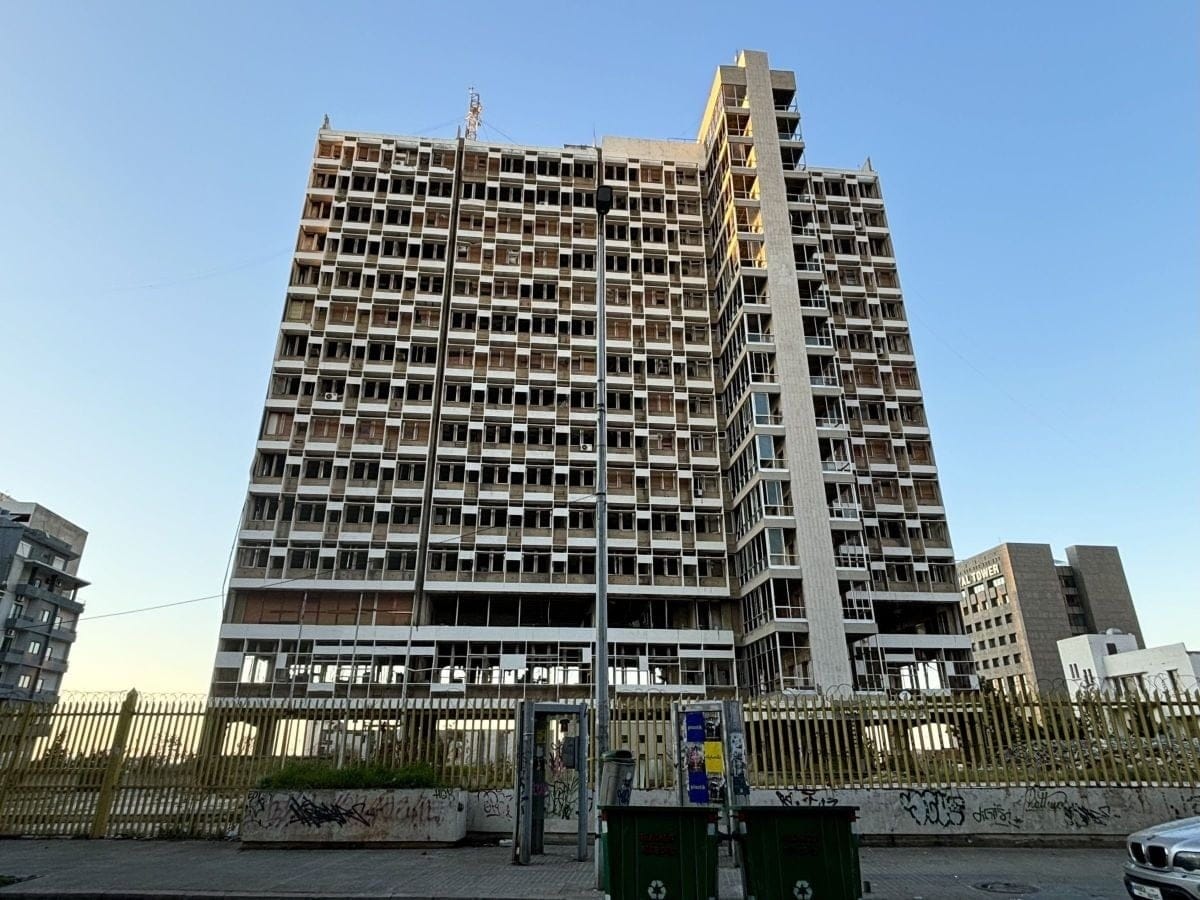
The cuts highlight the growing factionalism and infighting between Lebanon’s many semi-autonomous public organs, with the government stuck in the middle trying to keep things together.
Parliament and the Cabinet denied rumors that their building’s electricity supply was affected, while the energy ministry demanded the government take more aggressive action to address unpaid arrears.
Europe
Serbia’s new government still to choose PM as economic and diplomatic hurdles loom
Serbia’s new government, which swept to power after a convincing election victory last month, has yet to choose a candidate for prime minister and is facing pressing questions over its plans for relations with the EU, Russia and China, RFEL reports. With an economy heavily dependent on discounted energy supplies from Russia, the country is also under significant financial pressure.
The most immediate concern for the student-led ruling party is that a US sanctions waiver on the country’s Russian-owned main oil refinery expires on December 11. If that is not renewed, energy prices could rise sharply.

The election result was confirmed this week and the Student List party now has 90 days to form a government. Four party representatives met the EU Enlargement Commissioner Marta Kos in Brussels this week for talks centered on democracy and domestic affairs. Serbia’s economic ties with China, which is the country’s second largest investor after the EU, will also be an early focus for the new administration.
Bulgarians put first elected female president in power
Bulgarians chose Iliana Yotova as the country’s first elected female president with a near record-low voter turnout of 29% over the weekend, AP reports. Yotova has been serving as interim president since former president Rumen Radev stepped down to run for parliament in April’s general election.
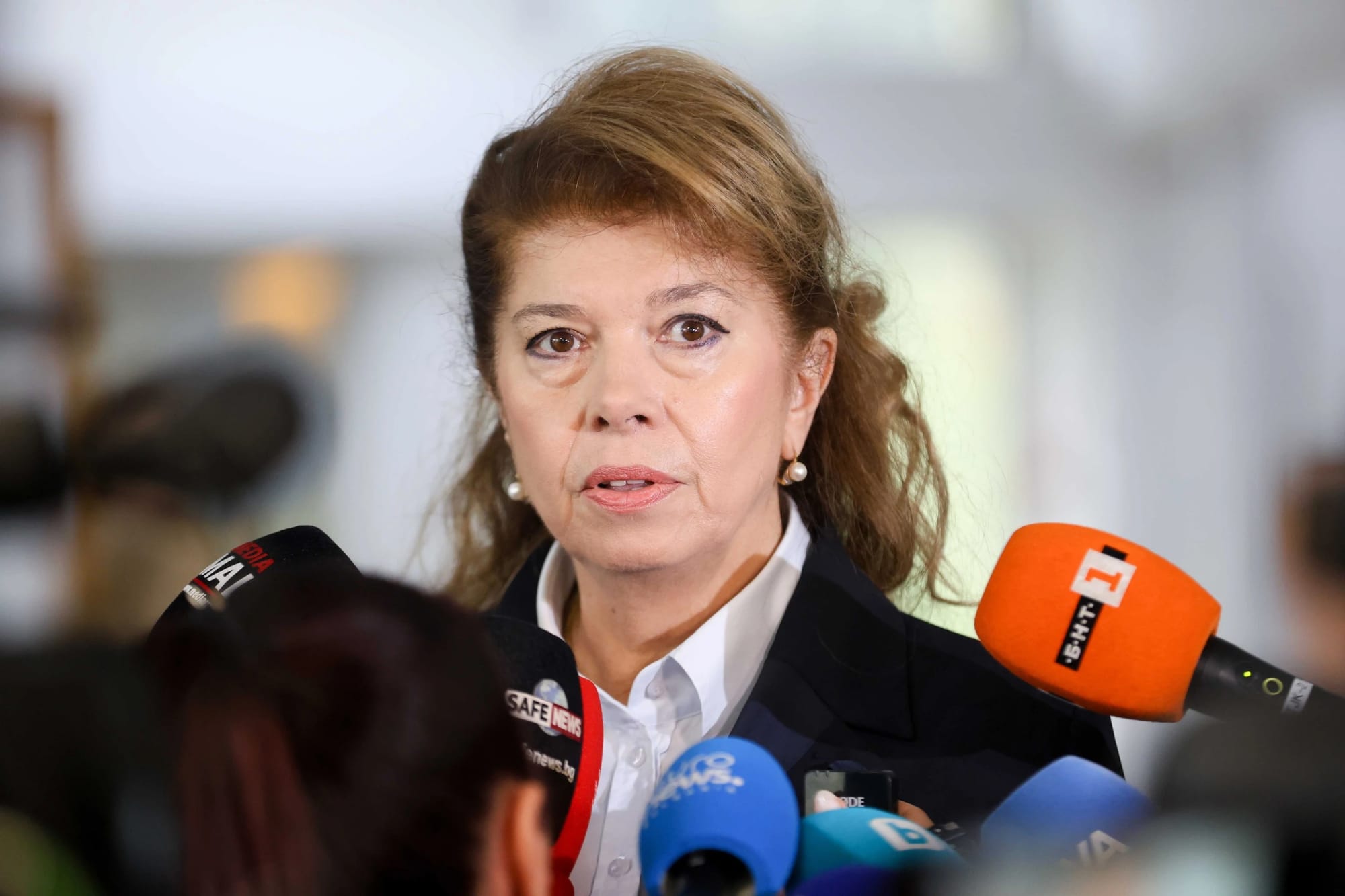
Both Yotova and Radev campaigned on ending the war in Ukraine through increased EU dialogue with Russia, cessation of sanctions, and less military support for Ukraine.
Recent drone strikes on ships within Bulgaria’s territorial waters attributed to Russia may be complicating that stance. On October 30th, Bulgaria signed a memorandum of understanding with NATO to join an initiative to increase cooperation on drone defenses.
Romania raises €4.5bn in first bond sale under new government
Romania re-entered international debt markets this week after a nearly eight month hiatus and a period of political turmoil, Bloomberg reports. Investors cheered the issue, with bids peaking at almost double the value of the bond sale.
- Romania and Moldova seal first joint defense procurement deal (Balkan Insight)
A pro-EU minority government led by Prime Minister Luca Niculescu took office in late October, ending months of uncertainty. The growing popularity of a nationalist party may challenge its sustainability, however.
The government plans to reopen the issue next week as it seeks to raise an additional 353 million lei, or roughly €66 million, SeeNews reports.
Latin America
Bank crisis prompts Paraguayan president’s resignation
Paraguay’s President Santiago Peña resigned this week after the collapse of digital lender Ueno froze access to millions of customers’ savings and cost him his own party’s support, AP reports. The lower house then voted 78–0 to impeach him, with Vice President Pedro Alliana expected to take over.
Regulators found poorly documented lending to related companies and expenses wrongly classified as assets, leaving capital below half the legal minimum once its books were corrected. Peña, who is among those under investigation over the governance lapses, says he sold his stake in Ueno’s controlling group last year, and denies impropriety.

The bank held about $800 million in public deposits, including pension and health funds.
Authorities are transferring accounts to other lenders, while a rushed law requires the guarantee fund to repay depositors within five business days. Insurance of about $36,000 per customer should cover the full balances of 97% of clients, according to the central bank. Its governor, Carlos Carvallo, a former head of the lender, also resigned this week.
Investors on edge after Argentina’s growth expectations are cut
Argentina’s bond markets were on edge this week after analysts halved their 2026 growth forecast to 0.7%, from 1.5%, and raised year-end inflation expectations to 30.4%. Dollar bonds fell by as much as two cents on the dollar on Thursday, while the annualized rate for overnight peso borrowing against securities briefly jumped to 190%, from 26% a day earlier.
The funding squeeze followed unusually heavy trading in peso bonds that brokerages said suggested government buying ahead of Treasury auctions. Neither the economy ministry nor the central bank confirmed the suspected intervention.
The next auction faces about 10.5 trillion pesos ($6.8 billion) in maturities, according to brokerage PPI, while roughly $25 billion in hard-currency debt payments fall due in 2027.
What We’re Reading
Niger gets first Algerian fuel shipment (Bloomberg)
Eastern Libya’s forces sign strategic cooperation protocol with Niger (Libya Observer)
Uganda beings withdrawing troops from Somalia (Somalia Guardian)
ExxonMobil doubles stake in Mozambique’s Rovuma LNG project (Club of Mazambique)
Trump to remove Rwanda and South Africa from US trade deal (BBC)
ANC suffers bruising defeat in South African local elections (The Guardian)
Sri Lanka’s CAL eyes $1.5tn frontier market reach with AFC deal (Economy Next)
Azerbaijan signs military cooperation deal with Russia (Times of Central Asia)
Thailand raises taxes on imported EVs (Bangkok Post)
Saudi Arabia pushes ahead with IPO regulations despite warnings from regional bankers (Bloomberg)
Saudi Arabia’s budget deficit more than doubles, beating estimates (Bloomberg)
Poland holds rates again as inflation outlook gets riskier (Bloomberg)
Donald Tusk vows to press on with overhaul of Poland’s judiciary (FT)
Baku-Ankara rift tests major US and EU-backed projects (RFERL)
India to provide Guyana with $500mn line of credit for road, healthcare and defense projects. (The Hindu)
Colombia’s congress passes bill replacing former president’s ‘total peace’ approach (Reuters)
Colombia’s mining rules reset puts billions back in play (Mining.com)
Colombia seeks to revive Venezuela gas pipeline amid shortages (UPI)
Venezuela’s oil exports unchanged amid stagnant output and high freight rates (Reuters)
Supreme Court president flees Bolivia citing threats (Bloomberg)
We are committed to providing FMN readers with a free weekly digest of politically unbiased, succinct and clear news and information from frontier and small emerging markets.
Please consider becoming a paid supporter to help cover some of our costs and support our continued development of sharp markets-focused coverage and new informational products. Paid subscribers will also gain exclusive access to our EM/FM reports that aggregate insights from dozens of major banks, international institutions and consultancies.

Read next


