

🌍 Frontier Markets News, November 27th 2026
A weekly review of key news from global growth markets

Africa
DRC halts cobalt exports again as prices slide
The Democratic Republic of Congo is suspending all cobalt exports in response to what its minerals regulator ARECOMS said was a significant and sustained fall in prices, weaker global consumption, rising inventories and speculation. The ban covers both industrial and artisanal mines and will be reviewed after four months.
- DRC closes in on Chile’s long-held copper crown (Mining.com)
DRC produces roughly three-quarters of the world’s supply. It first halted exports in February 2025, then replaced the ban with quotas in October 2025. Mines minister Louis Watum told a Kinshasa mining conference on Tuesday that the quotas had pushed prices up, adding the new suspension would last “as long as we deem it necessary.”
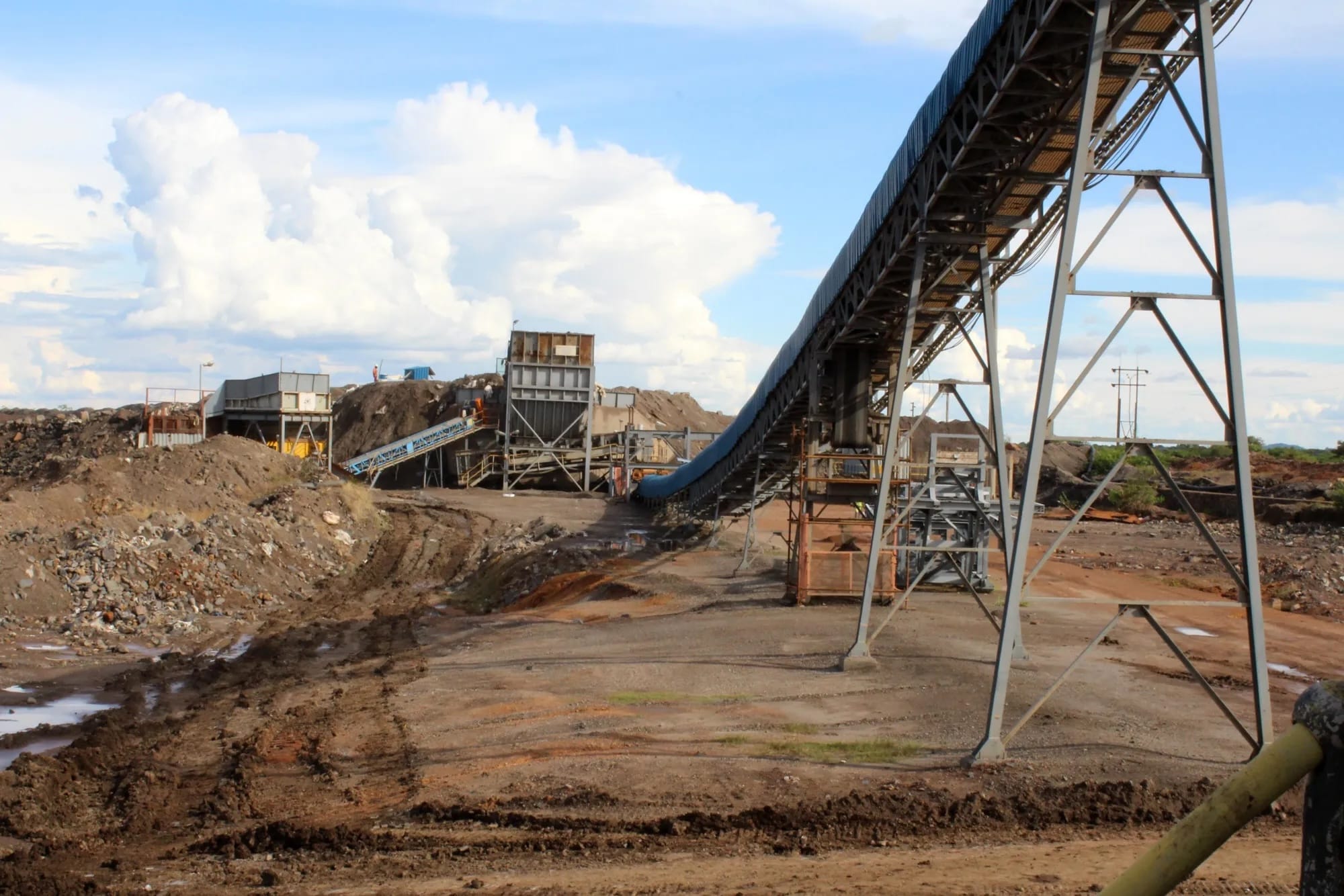
CMOC, the country’s largest producer, mined 99,600 tonnes of cobalt in the first nine months of 2026 but sold only 12,600. Glencore cut its Congolese output by more than half over the same period, to 11,600 tonnes, and has been in talks since February to sell 40% of its Congolese copper and cobalt operations to the US-backed Orion Critical Mineral Consortium.
Ethiopia asks bondholders to take a 12% haircut and end its default
Ethiopia is asking holders of its defaulted $1 billion Eurobond to agree to swap it for $880 million of new notes due July 2029, Ecofin Agency reports. The new notes would pay 6.15%, down from 6.625%. Holders would also get $99.4 million in cash for three missed coupons, minus restructuring costs.
The deal needs the backing of holders of 75% of the principal. An ad hoc committee holding about 45% has agreed to the terms, but the government still has to persuade the holders of roughly $300 million more before the Dec. 11 deadline. Once that threshold is met, the terms bind every holder.
Ethiopia defaulted in December 2023 after missing a coupon of about $33 million. Bondholders reached a deal with the government last January, but it was abandoned after official creditors objected. A revised agreement followed in June, and the Official Creditor Committee approved it in August.
Asia
Laos graduates from ‘least developed’ status
The UN took Laos off its list of “least developed” countries on Tuesday, graduating the country from a group of which it has been a member since 1971. The upgrade will pose a test for the Laotian economy, which will no longer be eligible for tariff exemptions conferred by its former status, Nikkei reports.
While two-third of Laos’ exports will continue duty-free to countries that are part of a Southeast Asian trade agreement, shipments of agricultural products to China and clothes to Europe could be affected, according to the UN.

Debt investors appear confident that Laos’ economic growth will continue. Last week ratings agency Moody’s upgraded the country’s sovereign rating, following a similar move in October by S&P Global.
Solomon Islands ditches China pact for Australia
The Solomon Islands this week signed a security deal with Australia that will effectively annul a 2022 arrangement it made with China, the New York Times reports. The deal with Australia will prevent any foreign country from establishing a military base on the Solomon Islands.
The Solomon Islands government has also informed China that it won’t renew the 2022 deal, the Sydney Morning Herald reports, easing fears that the island nation could become a hub for Chinese troops or naval vessels.
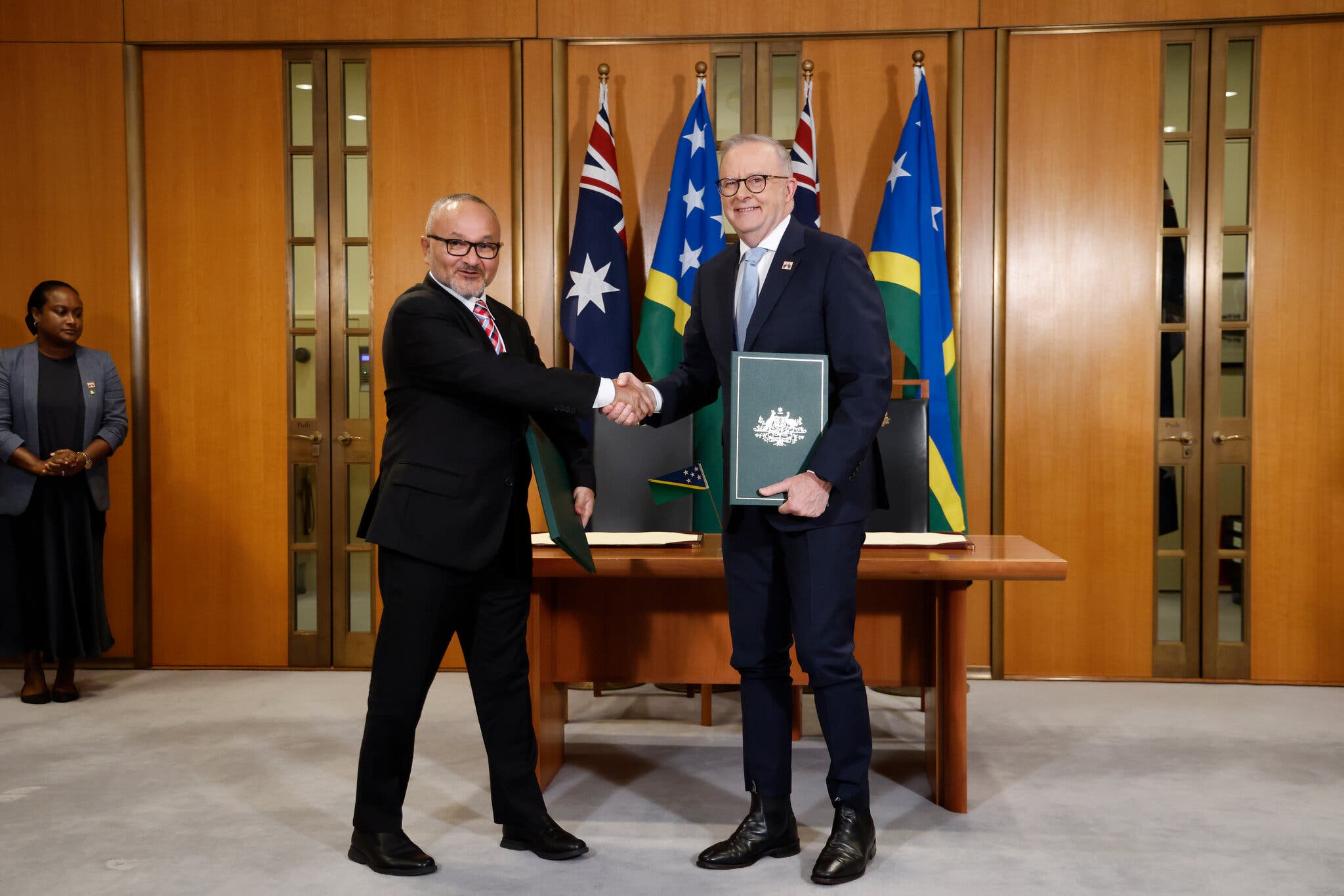
The deal also dents China’s ambitions to grow its influence in the Pacific. The Solomon Islands joins a list of Pacific nations that have inked recent deals with Australia, including Fiji, Papua New Guinea and Vanuatu.
MSCI softens on downgrade for Indonesia after call with president and billionaire investor
Index provider MSCI is considering alternatives to a downgrade of Indonesia’s market after the company’s CEO spoke with the Indonesia’s president and the hedge-fund titan Ray Dalio, Bloomberg reports.
The men spoke on a conference call earlier this month and were joined by the chief executive of Danantara, Indonesia’s sovereign wealth fund, according to Bloomberg. Dalio has been acting as an informal adviser to the government led by President Prabowo Subianto.
- Prabowo taps a loyalist and a tycoon’s cousin as Indonesia VP picks (Bloomberg)
MSCI has repeatedly threatened to downgrade Indonesia over concerns about transparency in its stock market. That news sent Indonesia’s benchmark stock index into a spiral, leaving it as one of the worst-performing in Asia this year, having lost around 40% of its value. MSCI is expected to reach a decision in June.
Middle East
Saudi Arabia forecasts stronger growth
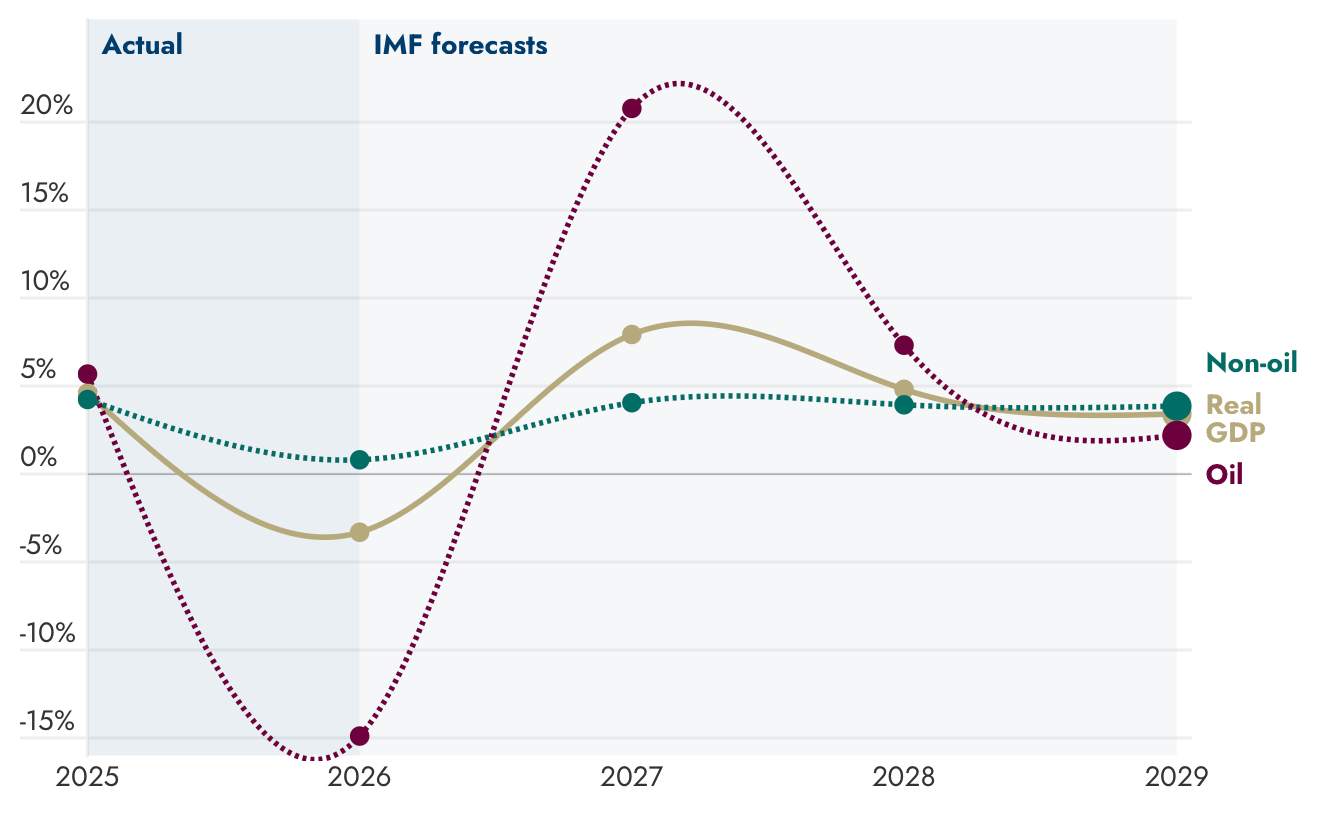
Saudi Arabia expects a sharp rebound to 10.3% GDP growth next year and a steep reduction in the deficit to 3.6%, Reuters reports. The government is considerably more optimistic than the IMF, which expects 7.9% growth.
Riyadh projects that the non-oil sector will contribute significantly to the recovery, reaching a record 58% of GDP. Analysts at consultancies Capital Economics and Oxford Economics warned, however, that planned budget cuts will “act as a drag on the economy” and continued war disruptions present sufficient downside risk to warrant moderating projections to 4-8%, AGBI reports.
The bill for high debt levels resulting from a glut of borrowing to cover war costs and fund Vision 2030 projects also comes due next year, with savings on spending cuts from eliminating subsidies—especially on electricity and water bills—mostly going to pay a roughly 30% increase in debt service costs.
Europe
Hungary shifts tax burden from low-earners to wealthier citizens
Hungary’s parliament this week voted to lower the personal income tax for low-paid workers and double the allowance for families by increasing taxes on individuals with assets worth more than 1 billion forint ($3 million), Daily News Hungary reports.

The wealth tax will apply a 1% rate to those with over 1 billion forint and 1.5% for those with assets worth more than 100 billion forint. The new rules will also support pension increases.
- Can Hungary’s Fidesz survive? (Balkan Insight)
- Hungary and Ukraine reset relations but no fast track to joining EU (Balkan Insight)
If signed by President Andras Baka, the law will make good on one of Prime Minister Peter Magyar’s key campaign promises to fund public benefits by taxing the richest Hungarians. Hungary’s new policies will generate an estimated 200 billion forint a year.
Armenia proposes constitutional amendment to support peace with Azerbaijan
Armenia’s Prime Minister Nikol Pashinyan released an amended version of Armenia’s constitution that eliminates a section asserting the country’s claim over Nagorno-Karabakh, a territory at the center of the country’s long-term dispute with Azerbaijan.

The amendment must now pass Armenia’s parliament with a two-thirds supermajority. If it does not pass, Pashinyan says he will resign from government. His party needs all of its members and six opposition lawmakers to reach the threshold.
Opposition leaders say they won’t back the change, calling it a “concession” to Azerbaijan, AP reports.
Latin America
Argentine congress approves central bank overhaul as activity contracts
Argentina’s congress this week unanimously approved an overhaul of the central bank that would ban temporary Treasury advances and primary-market purchases of government debt, narrowing the bank’s primary mission to preserving the currency’s value, AP reports. It would also restrict Treasury transfers to realized, liquid profits.
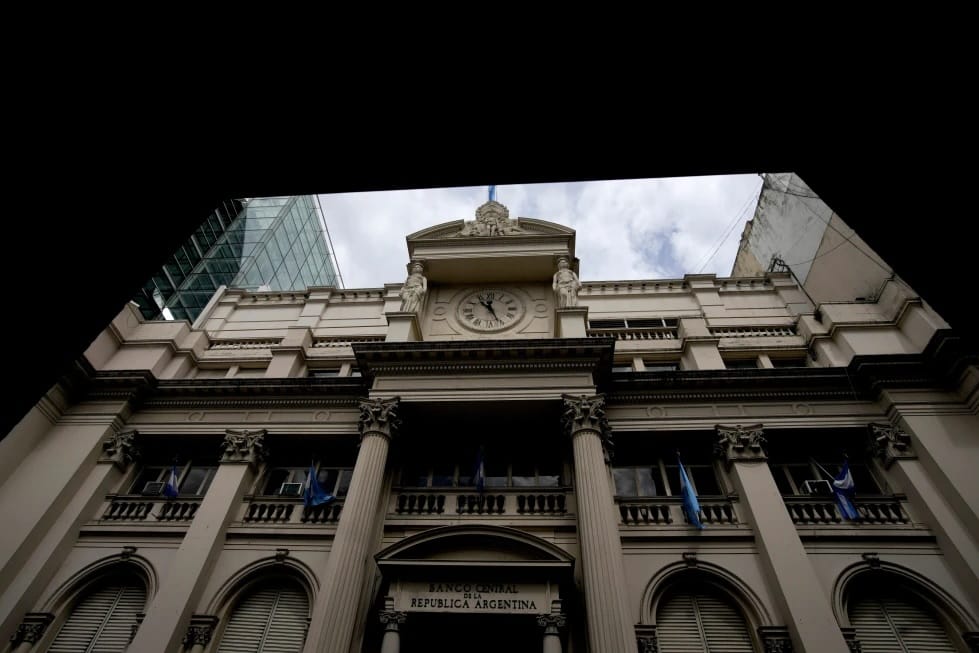
The move, which will reinforce the central bank’s independence and effectively prevent it from printing money for the government, is part of President Javier Milei’s effort to rein in Argentina’s persistently high inflation.
The restrictions come as indicators suggest the economy shrank by 1.8% over the three months from July to September, following a 0.6% second-quarter GDP decline.
US and Qatar consider debt lifeline for Venezuela
Venezuela is negotiating bridge loans with the US Treasury and Qatar to clear $4.16 billion in arrears owed to development bank arrears, potentially enabling it to borrow more from those banks, Reuters reports. US Treasury financing would cover $2.74 billion owned to the Inter-American Development Bank, while Qatar is considering help with $1.42 billion owed to regional development bank CAF.
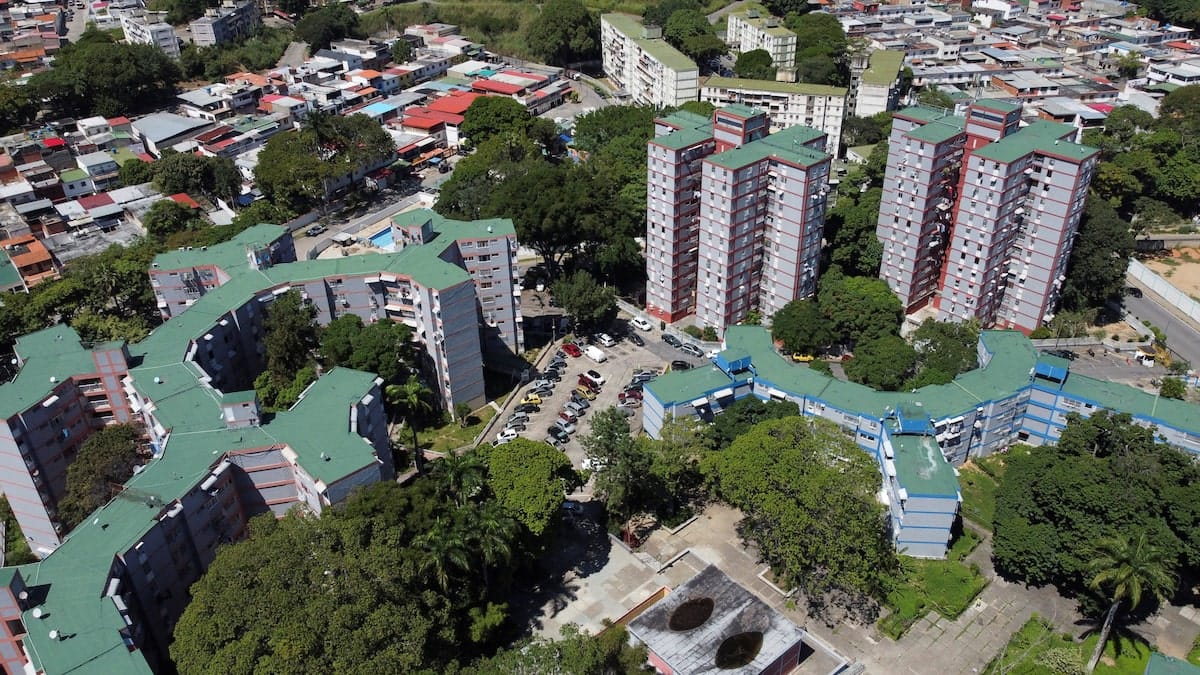
New development-bank lending could repay the bridge loans, leaving Venezuela responsible for the debt. The operation under discussion would require waivers from the IDB for exceeding a lending-window cap and proceeding without an IMF program; no completed loan or arrears payment was reported.
Venezuela’s acting president Delcy Rodríguez’s government this week said the country’s total debt is $237.5 billion, or 242% of end-2025 GDP. Its economic plan projects annual real growth averaging 6.5% over the next decade and oil output rising from about 1.2 million barrels a day to 2.9 million by 2036. Creditors still await the debt-sustainability analysis needed to assess repayment capacity.
What We’re Reading
Kenya emerges as top destination for Chinese solar components (Bloomberg)
Botswana to take 5% no-cost stake in EICB mining projects (Ecofin Agency)
Senegal reinstated as 2025 Africa Cup of Nations winners over Morocco (Al Jazeera)
Nepal to get $1.6bn flood relief from India (BBC)
Ousted Bangladesh PM sets December 16 return date (Reuters)
Tajikistan follows US lead in withdrawing from ICC (DW)
Iraq orders takeover of Kurdish oilfields and border crossings (Al Jazeera)
Bahrain pays a high price for its US ties (WSJ)
Shipowners reportedly paying Hormuz transit tolls to Iran using crypto (AGBI)
Poland to create no-fly zone near Ukraine border (DW)
Half of Costa Ricans now rate the economy as bad (Tico Times)
US suspends joint operations in Ecuador over killing of gang member (The Atlantic)
US ‘pushed Venezuela and Iraq to consider leaving OPEC’ (Reuters)
Citi eyes Venezuela return as Trump looks to reopen economy (Bloomberg)
‘Terrorist attack’ caused major blackout in Colombia (Washington Post)
Peru hopes $12.5bn corridor will help it control Pacific trade routes (Latin Times)
Copper price volatility clouds Peru’s El Niño relief spending (Bloomberg)
We are committed to providing FMN readers with a free weekly digest of politically unbiased, succinct and clear news and information from frontier and small emerging markets.
Please consider becoming a paid supporter to help cover some of our costs and support our continued development of sharp markets-focused coverage and new informational products. Paid subscribers will also gain exclusive access to our EM/FM reports that aggregate insights from dozens of major banks, international institutions and consultancies.

Read next


