

🌏 Frontier Markets News, November 20th 2026
A weekly review of key news from global growth markets

Africa
Neves wins second term as Cape Verde’s young eye the exit
José Maria Neves won a second five-year term as Cape Verde’s president in Sunday’s election, taking 64% of the vote on provisional results while more than two-thirds of voters stayed home. Joana Rosa, a former justice minister backed by the opposition Movement for Democracy and the first woman to run for the office, took 31.5%.
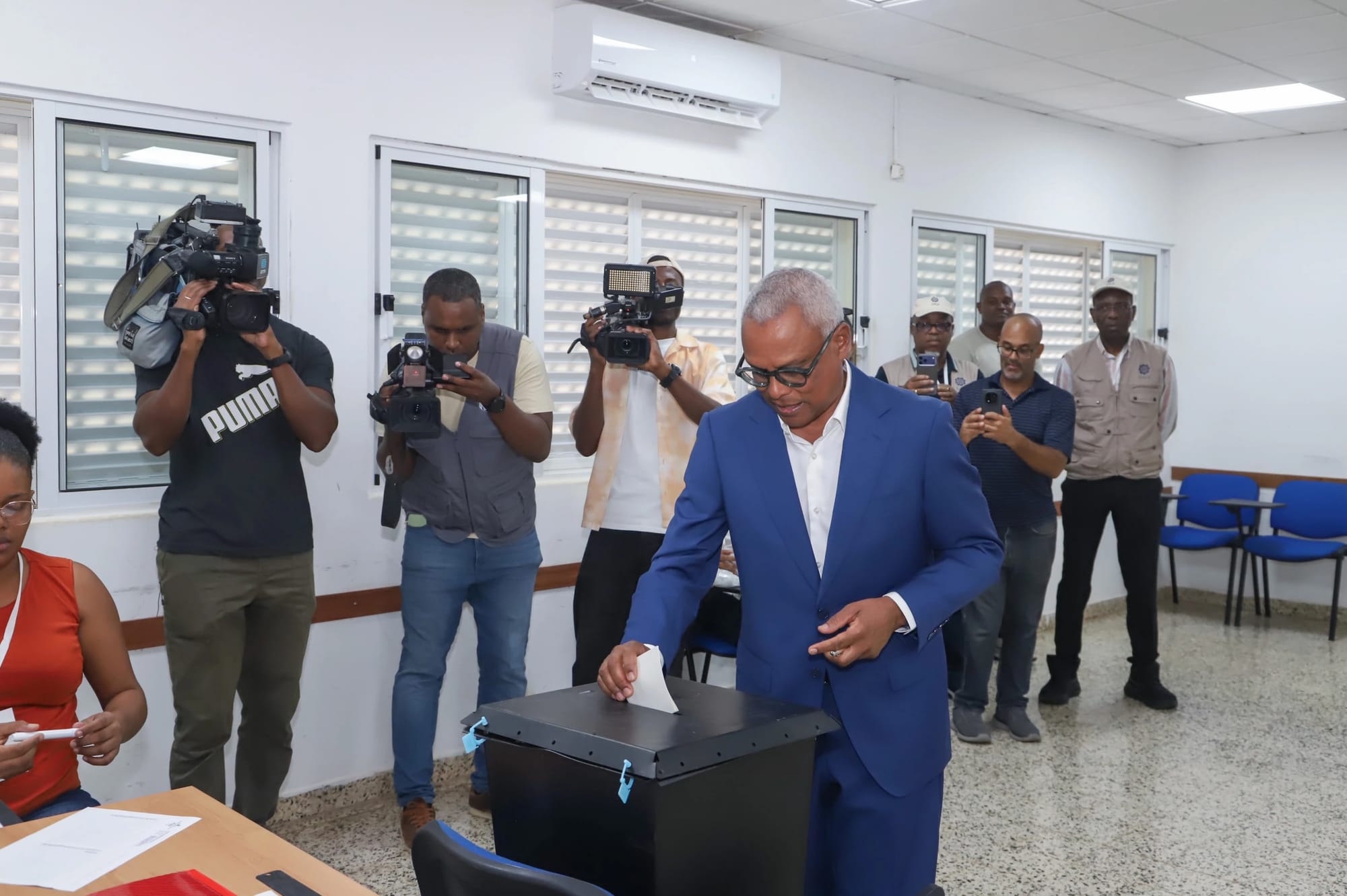
Neves pledged inclusive growth that lifts wages and household incomes and narrows the gaps between islands. He also named fuel prices and inter-island transport as priorities, and called for deep reforms to social security, education, health and public administration.
Young people topped his five campaign commitments, with a national convention and a push to help them build careers at home rather than emigrate for lack of opportunity. In a 2025 survey by the national statistics office, 65% of Cape Verdeans aged 15 to 35 said they intended to leave.
Morocco targets fuel distributors with 40% tax, floats margin cap
Morocco’s lower house this week approved a 2027 budget bill that would increase corporate tax on the largest fuel importers and distributors to 40% from 35%. The government is also considering capping fuel companies’ profit margins, despite saying recently it would never cap prices at the pump.
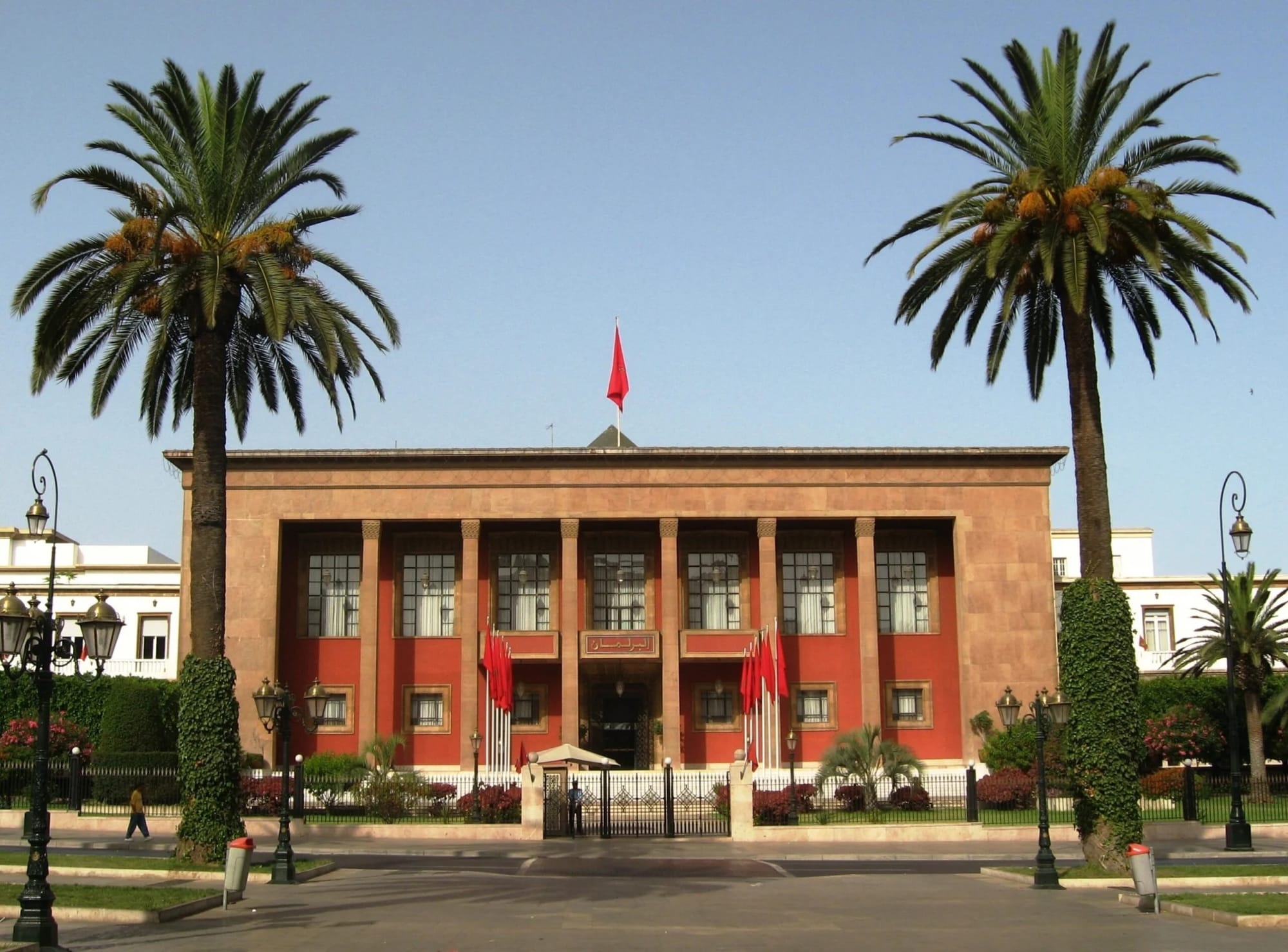
The higher rate, pending upper-house approval, covers firms with net profit of at least 100 million dirhams ($10.2 million), which includes eleven companies according to consultant Barlamane. The government justified the move by highlighting the sector’s profitability arguing that firms in oligopolies should pay more tax.
Workaround enables overnight money market for Ethiopia’s Islamic banks
Ethiopia’s interest-free banks and Islamic banking windows can now trade spare cash overnight under new central bank rules. Rather than lending, a bank with surplus funds appoints another bank that is short on cash as its agent to invest the money overnight or for a week, in deals of at least 25 million birr ($155,000).
The receiving bank quotes an expected profit rate instead of an interest rate. If it earns that much, the lender collects it. If it earns less, the lender takes what was made and bears any loss the agent did not cause.
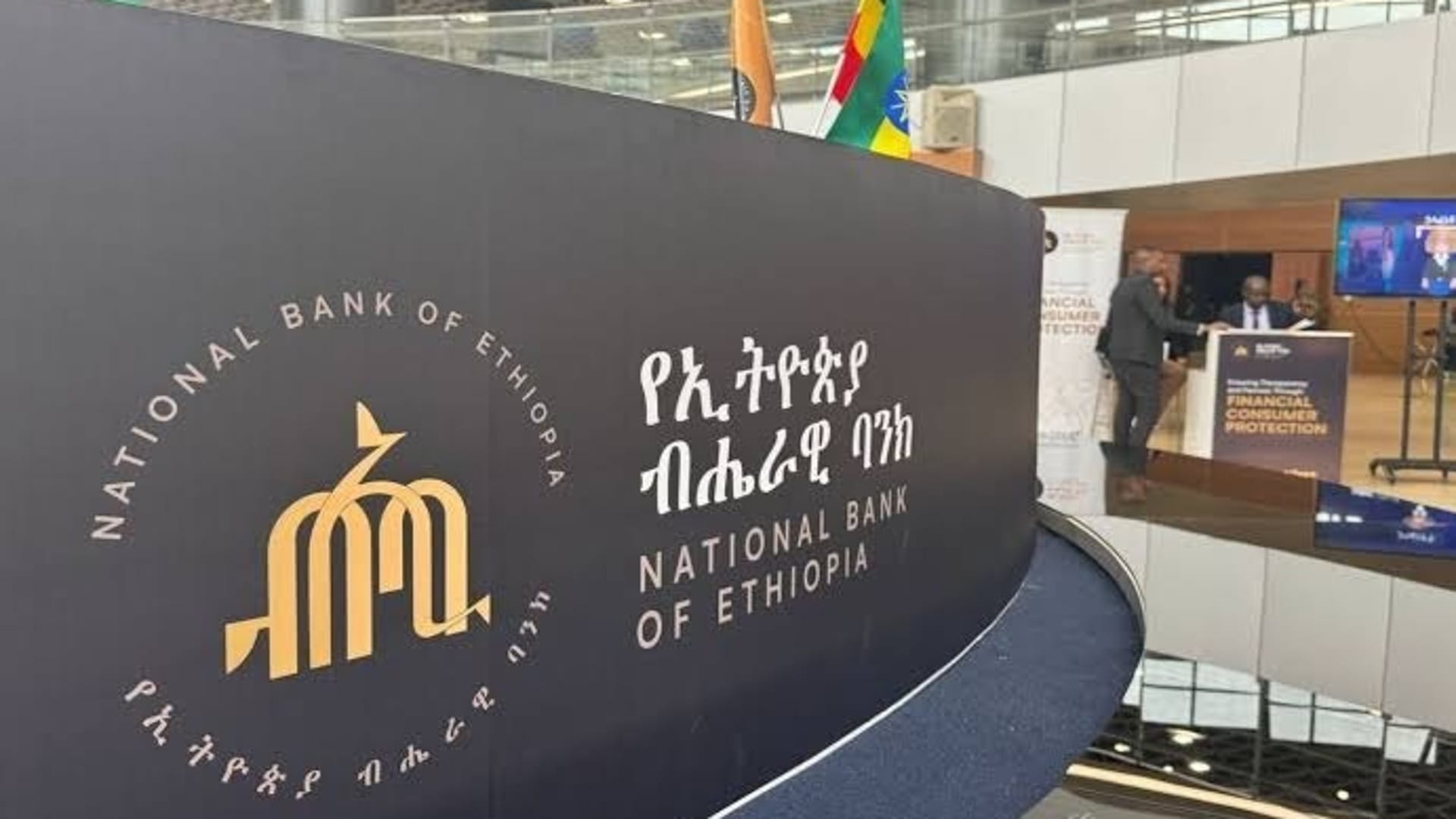
A companion directive gives these banks their own deposit and funding windows at the central bank, which has yet to set what they will earn or pay. Conventional banks parked 317 billion birr there in late October at a 16% annual rate.
Asia
Mongolia’s president resigns over corruption concerns
Ukhnaa Khurelsukh, the president of Mongolia, this week said he would resign in response to accusations that he profited from a government railway project while serving as prime minister seven years ago, the FT reports. The former mayor of Mongolia’s capital city accused Khurelsukh of receiving $25 million in bribes to award a 2019 railway contract to Mongolian conglomerate Bodi International.
Khurelsukh denies wrongdoing.
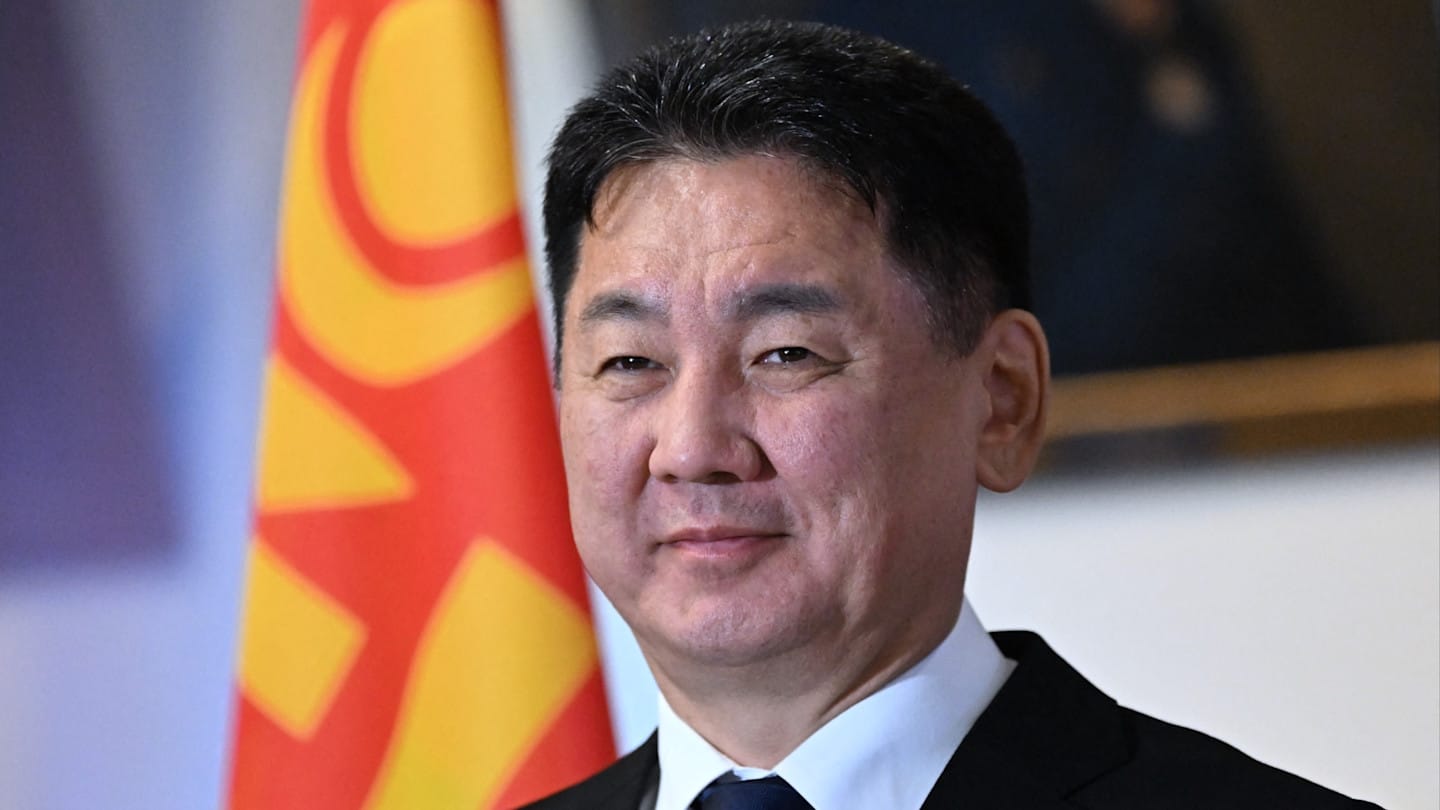
Khurelsukh’s rise to the presidency in 2021 fueled hopes that Mongolia would crack down on deep-seated corruption. But that image has since fractured. His prime minister, Harvard-educated Luvsannamsrain Oyun-Erdene, resigned last year amid reports that his 23-year-old son was living a luxurious lifestyle.
A presidential election to replace Khurelsukh is expected by March, Bloomberg reports.
SE Asia data center boom threatened by US chip curbs
The US unveiled new restrictions on exports of AI chips to Southeast Asia on Monday, threatening to undermine a boom in data center development that has seen tens of billions of dollars rush into the region.
The rules create limits on exports to Indonesia, Malaysia, Singapore and Thailand. American officials are concerned that data centers there are fueling China’s AI ambitions, the New York Times reports. The rules, which restrict overseas data-center operators from servicing Chinese clients, could lead companies to cancel deals, and could tamp down demand for future development.
The restrictions come on the heels of the scandal involving former Nvidia CEO, Jensen Huang, who stepped down last week after news emerged that he had an affair with an executive at Singapore-based data-center developer Megaspeed. The US Justice Department is investigating Megaspeed over concerns it smuggled chips to China in violation of US export controls.
Bangladesh deploys armed forces as ousted PM prepares to return
Bangladesh deployed hundreds of troops across the country this week as the country prepares for unrest stemming from the planned return of exiled prime minister Sheikh Hasina.
Hasina, who has been living in India since her ouster in 2024 following mass student-led protests, has said she plans to return to Bangladesh in December. The current government has rejected her request, leading her political party to stage protests that culminated in a national lockdown this week, Reuters reports.
The political tumult comes as garment workers across Bangladesh continue to mount their own protests in pursuit of higher wages. The government agreed earlier this month to raise wages but has since repeatedly delayed meetings of a board set up to determine the scale of the increase.
Middle East
Saudi Arabia prepares for war in Yemen to last into 2027
Saudi Arabia this week said it’s not interested in pursuing diplomacy with the Houthis at this time and is preparing for the conflict to last well into 2027, Reuters reports. Riyadh reportedly believes it can roll back the Houthis’ recent gains and establish a peace on more favorable terms next year.
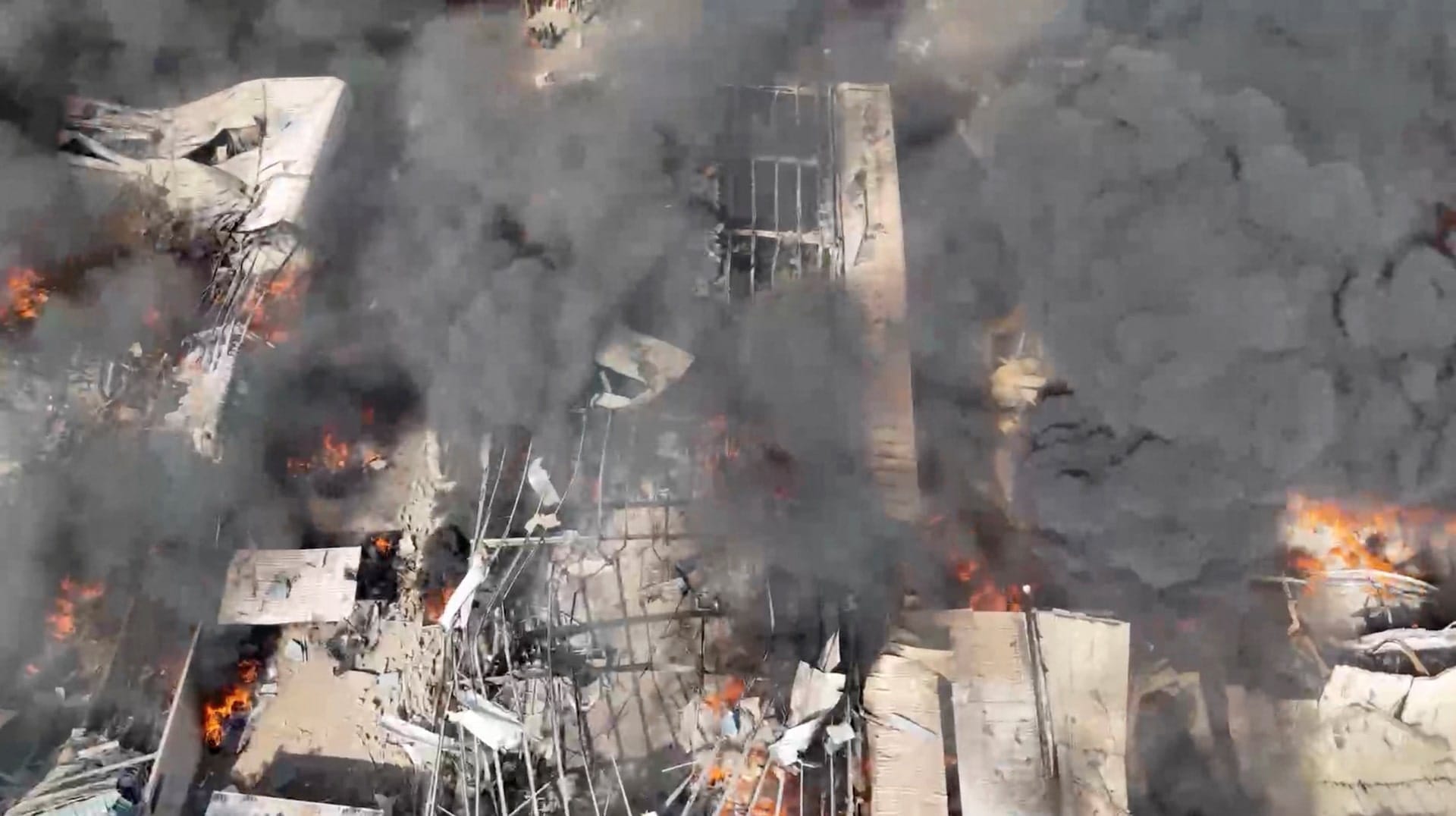
Saudi-aligned Yemeni government forces are overextended and uncoordinated, suffering a series of defeats on the Red Sea and Gulf of Aden coast this week that positions the Houthis to threaten the city of Aden itself. Houthi strikes on Saudi Arabian territory also continued this week with a largely symbolic strike on the HQ of the Saudi sovereign wealth fund, the Public Investment Fund.
The setbacks prompted Riyadh to dismiss the commander of its coalition forces in Yemen while playing down the defeat as a defensive “redeployment.” Crown Prince Mohammed bin Salman, Saudi Arabia’s de facto leader, asked Western allies this week for a significant increase in arms supplies.
Oman Investment Authority injects $4 billion into local industrial sector
This week, the Oman Investment Authority, the country’s sovereign wealth fund, announced the completion of seven industrial and manufacturing projects worth some $4 billion, Zawya reports. The projects represent follow-through on OIA’s commitment to supporting growth in the non-oil sector, which has so far this year contributed nearly $36 billion to national revenues.
Oman’s strong economic performance this year is boosting the country’s national household wealth, which consultant BCG estimates will rise to $465 billion by 2030.
Europe
Tusk survives no-confidence vote after Polish central bank freezes top court payments
Poland’s central bank stopped the country’s constitutional court from making payments, escalating a political row between Prime Minister Donald Tusk and the party of the previous government, PiS, the FT reports. The National Bank of Poland said it made the move because it was unclear which government official had authority to direct payments.
The freeze is part of a broader set of disputes between Tusk and President Karol Nawrocki with each challenging the other’s authority over aspects of government, including the appointment of judges.

A day after the central bank moved against the constitutional court, opposition MPs launched a no-confidence vote against Tusk. He comfortably defeated the challenge with a 242 to 200 vote margin, but the move set up a potential challenge for next year’s general election, with two key opposition parties voting as a bloc.
Serbia’s Student List government sworn in
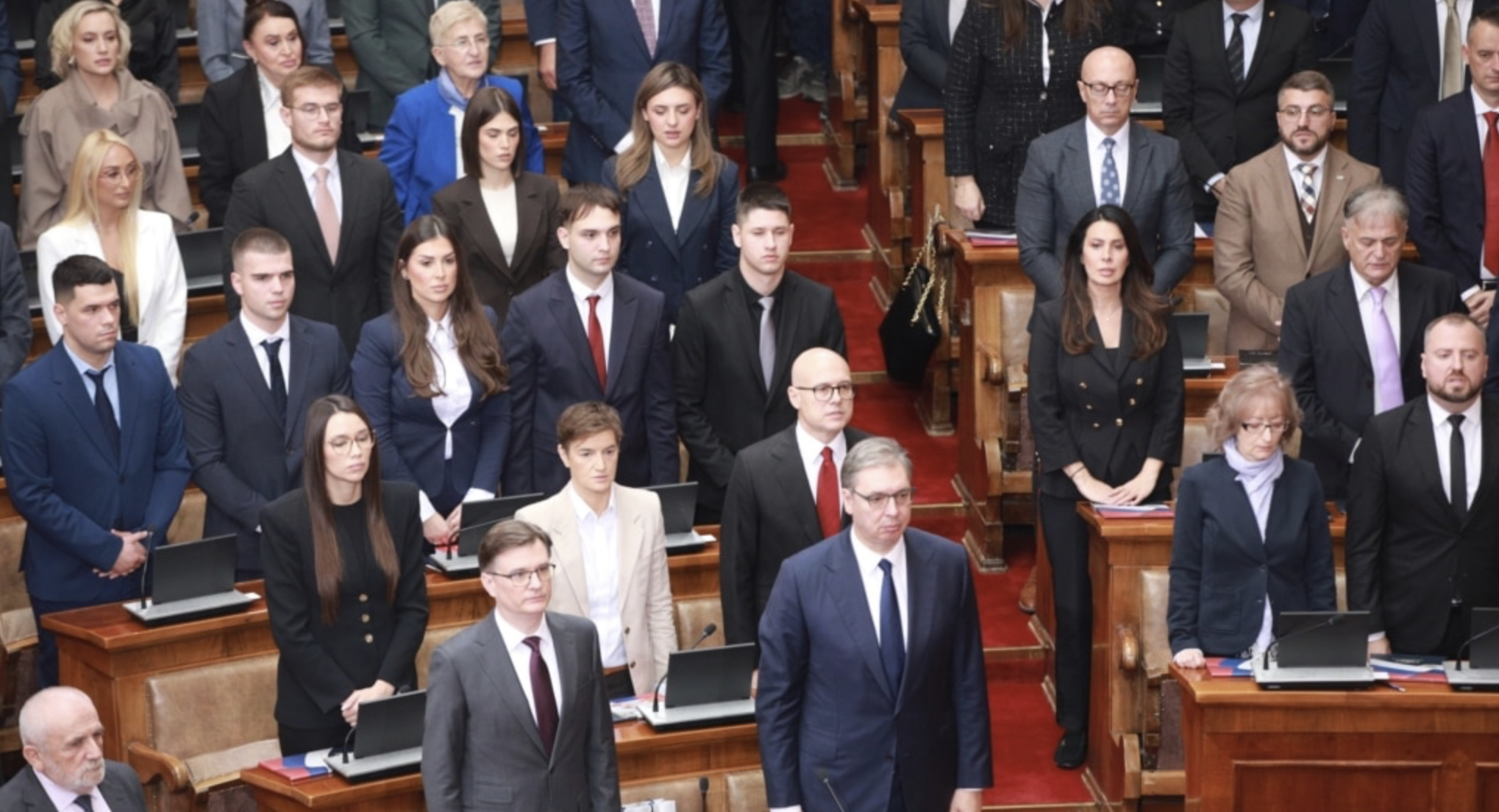
Candidates from Serbia’s Student List party took their seats in parliament this week in a move that formally recognized the group’s majority, RFERL reports. The party—effectively a collective of value-aligned activists—won the country’s general election last month, unseating the party of former president Aleksandar Vucic.
On Thursday, the party elected Aleksandar Cupic, an assistant professor at the University of Belgrade, as speaker of the parliament. In his acceptance speech, Cupic urged the new politicians to do everything in their power to “restore dignity to the country’s highest legislative body”.
The Student List has made it clear it will focus on asserting the rule of law, eradicating corruption, and rolling back the authoritative mechanisms of former leader Vucic, whose party ruled Serbia for 14 years. Student List’s published plan affirms the tenets of a market-based economy without cronyism and the group’s goal to promote high productivity work instead of cheap labor and resource exports.
Latin America
Exxon grows production in Guyana as US expands military ties to Venezuela
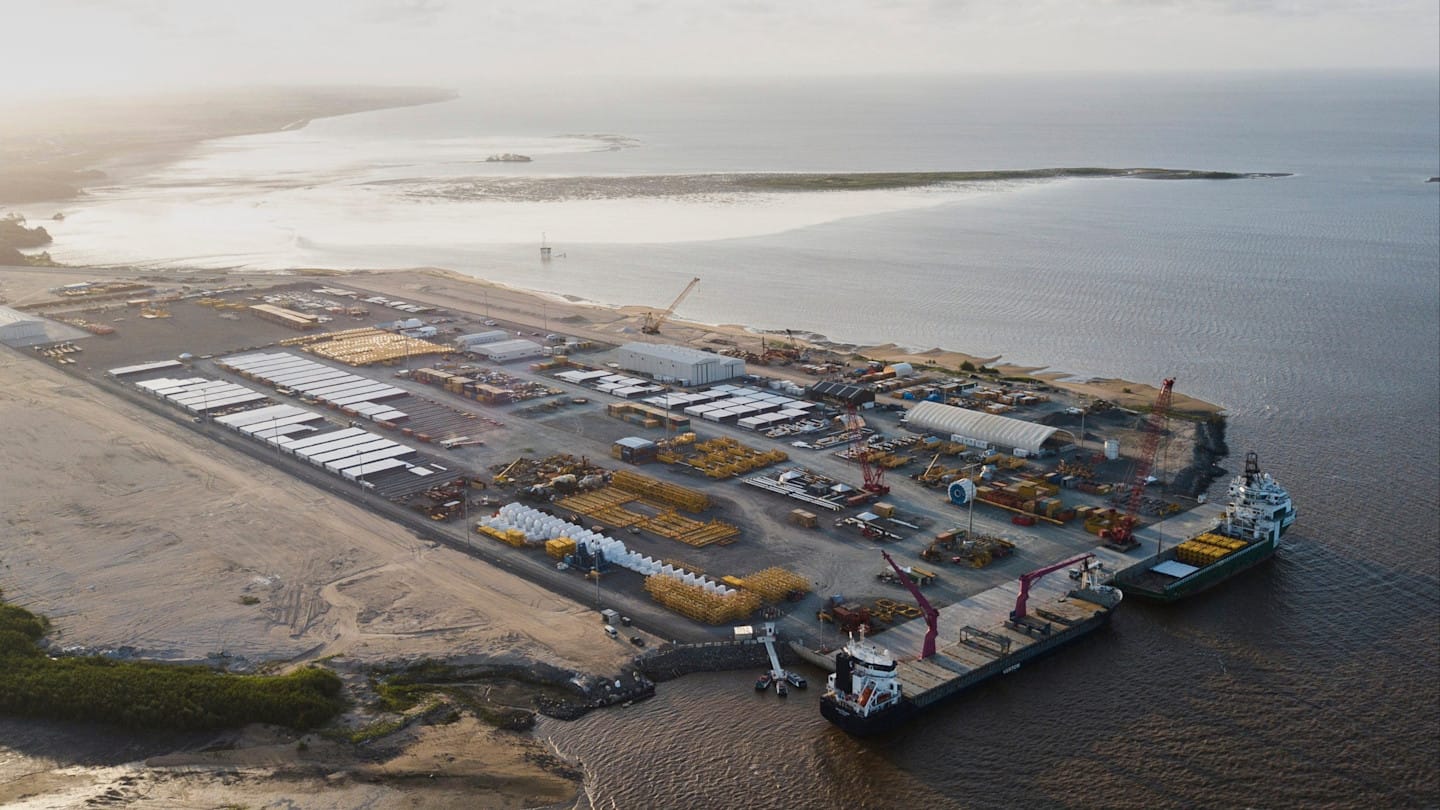
Oil giant ExxonMobil started production at a new offshore plant in Guyana, bringing the country’s installed capacity up to 1.1 million barrels per day, the firm said this week. The development came as concerns have been growing that the US could be backing neighboring Venezuela’s claim over Guyana’s territory, Reuters reports.
Former State Department policy chief Jeremy Lewin suggested Guyana consider ceding territory to Venezuela. Lewin says the White House directed these discussions. The State Department says its border policy is unchanged, while Guyana’s foreign ministry reaffirmed its commitment to the International Court of Justice process.
US defense secretary Pete Hegseth signed a military-cooperation agreement in Venezuela’s capital Caracas on Wednesday, covering joint training and intelligence sharing.
Mining slump drags Chile into worst contraction since Covid
Chile’s economy shrank 1.1% year-on-year in the third quarter as mining output fell almost 15% and investment retreated. Economic activity was down 0.5% over the first nine months of this year, while non-mining output grew 1% in the quarter.
Investment fell 6.7%, its sharpest decline since late 2020. Machinery and equipment purchases dropped 10.1%, while construction and other works fell 4.1%, partly as mining and sanitation projects finished. Lower copper shipments also weighed on exports.
Eleven of 12 economists surveyed by Chilean financial publication Pulso now expect the economy to shrink in 2026, with an average forecast of a 0.3% decline.
What We’re Reading
Dangote eyes Ghana cocoa and sugar deals (Semafor)
Zimbabwe moves to rebuild local bond market after ZiG chaos (Bloomberg)
Mozambique’s top opposition leader is the latest in Africa to go on trial (AP)
Botswana and Côte d’Ivoire sign mining, energy and trade deals (Africa News)
Guinea clears PDI Gold permit, raising hopes of easing mining backlog (Reuters)
DRC-Rwanda tensions disrupt Francophonie leadership election (Africa News)
Cassava seeks $1bn for Nvidia chips to power AI in Africa (Bloomberg)
Myanmar committed genocide, UN court rules (BBC)
Trump signs Thai trade deal as protests greet his arrival in the Philippines (The Guardian)
Gulf data centers face new US restrictions on AI chip access (AGBI)
Gulf airports face soaring insurance bills (AGBI)
Jordan draws FDI interest from more than 60 companies in EU conference (Zawya)
Egypt confirms military presence in Saudi Arabia (MEMO)
Brussels to tap Russian frozen asset profits to service new Ukraine loan (FT)
Viktor Orbán’s party reels from $20mn hidden cash discovery in Hungary (FT)
Nuclear investment boom in Eastern Europe picks up pace (Bloomberg)
Paraguay widens Ueno bank probe with fresh charge against ex-president Peña (Reuters)
US panel urges punishment for China over Panama-flagged ship detentions (South China Morning Post)
Colombia touts $43bn in investments amid fiscal strain (Bloomberg)
Argentina’s $24bn gas megaproject is ‘huge bet’ on Milei (Bloomberg)
We are committed to providing FMN readers with a free weekly digest of politically unbiased, succinct and clear news and information from frontier and small emerging markets.
Please consider becoming a paid supporter to help cover some of our costs and support our continued development of sharp markets-focused coverage and new informational products. Paid subscribers will also gain exclusive access to our EM/FM reports that aggregate insights from dozens of major banks, international institutions and consultancies.

Read next


