

🌍 Frontier Markets News, March 6th 2026
A weekly review of key news from global growth markets

Africa
Egypt braces for economic hit from Iran war
Egypt could face significant economic fallout from the US-Israeli attack on Iran as regional trade routes are redrawn. Major shipping lines including CMA CGM, Hapag-Lloyd and Maersk have rerouted vessels away from the Suez Canal and paused plans for a full-scale return to the canal that was made possible by the Israel-Gaza ceasefire, which had quelled attacks on boats by Yemen’s Houthi militants in the Red Sea. Shipping through the canal has netted over $40 billion since 2019 and was projected to generate $8 billion in 2026.
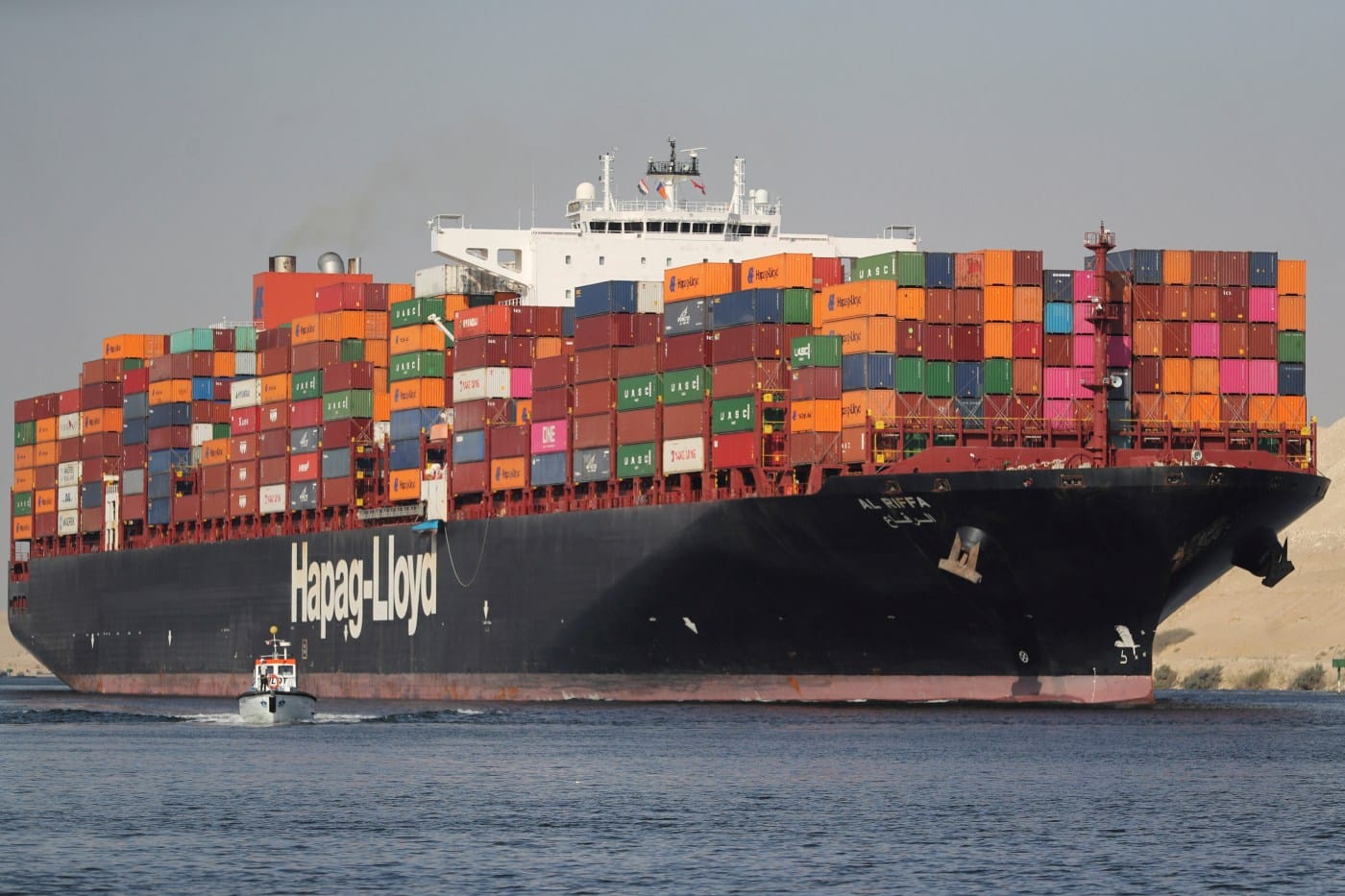
Egypt’s tourism sector, which contributed 8.6% of GDP in 2025 and typically peaks in March, faces severe disruption from flight cancellations and collapsing cruise bookings. Meanwhile, millions of Egyptian migrant workers in the Gulf, who remitted $41.5 billion home in 2025, face growing uncertainty as Iranian strikes hit GCC states.
The Egyptian pound sank past the 50 EGP/USD level for the first time since July 2025, while interbank trading volumes surged 233%. Analysts warn that total capital withdrawals from Egypt’s $45-$50 billion in foreign treasury holdings could reach $3-5 billion.
Rift grows among Senegalese ruling coalition as debt woes mount
Senegal’s Prime Minister Ousmane Sonko rattled markets this week by declaring he was prepared to pull his Pastef party out of government if President Bassirou Diomaye Faye “breaks from [the party’s] vision,” Reuters reports. The two leaders have clashed over whether and how to accept a proposed debt restructuring after the IMF in 2024 froze a $1.8 billion program.
To plug its immediate financing gap—including $485 million in eurobond payments due in March and almost $1 billion in external debt service due across the second quarter—Dakar has raised roughly $1.3 billion since January through six regional auctions, overwhelmingly in short-dated CFA franc-denominated Treasury bills.
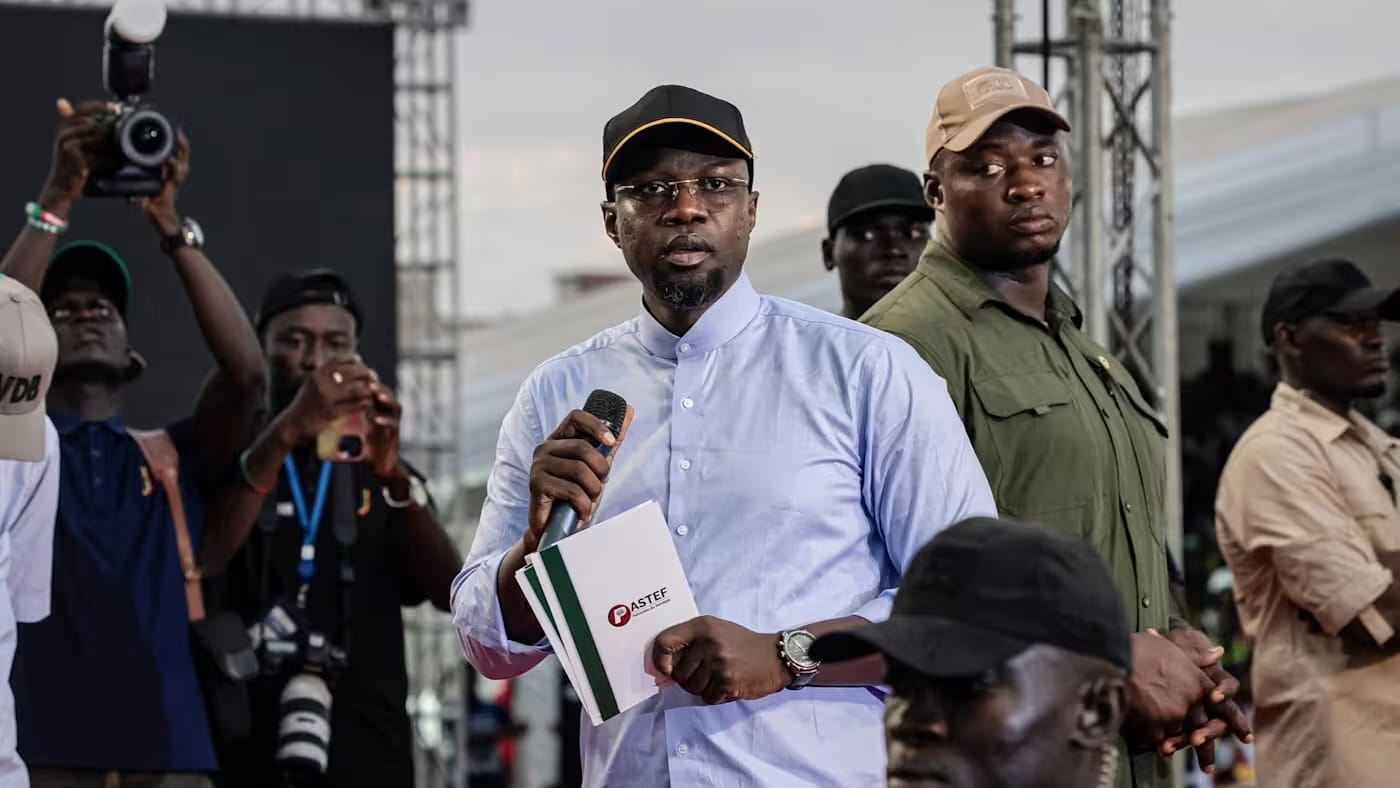
According to reporting by Jeune Afrique and the FT, a substantial portion of the debt may have been bought by West African institutions concerned that a default by Senegal could cause a collapse in confidence in the region.
Rising oil prices from the Iran conflict have compounded Senegal’s fiscal crunch. While the country does produce oil, it is a net energy importer and any windfall from war-induced oil-price rises will be more than offset by higher costs.
Asia
Nepal votes in first election since Gen Z protests toppled previous leader
Nepal hosted elections on Thursday for the first time since youth-led protests toppled the country’s government last September.
The outcome will be a test of the strength of the political movement, which has coalesced around rapper-turned-politican Balendra Shah. Results are expected to trickle in over the next few days, but officials expect turnout to be extraordinarily high: at least 65% of the electorate, AP reports.

Shah held a convincing lead in early results, CNN reports, but momentum is not necessarily a sign that he will emerge victorious. In Bangladesh, voters elected the scion of a political dynasty in elections last month, less than two years after youth-led protests ousted former prime minister Sheikh Hasina. Even if Shah can win more votes than anyone else In Nepal, analysts expect that he will have to form a coalition to govern, the New York Times reports.
Iran war heightens risks from Pakistan-Afghanistan conflict
Just days after Pakistan’s defense minister declared the country was in “open war” with Afghanistan, turmoil in the country intensified as war erupted in the Middle East.
Protestors angry at the killing of Iran’s Supreme Leader Ayatollah Ali Khamenei took to the streets, prompting a crackdown in which at least 22 people died, NBC reports. At least nine people were killed when protestors tried to storm the US consulate in Karachi, Reuters reports.
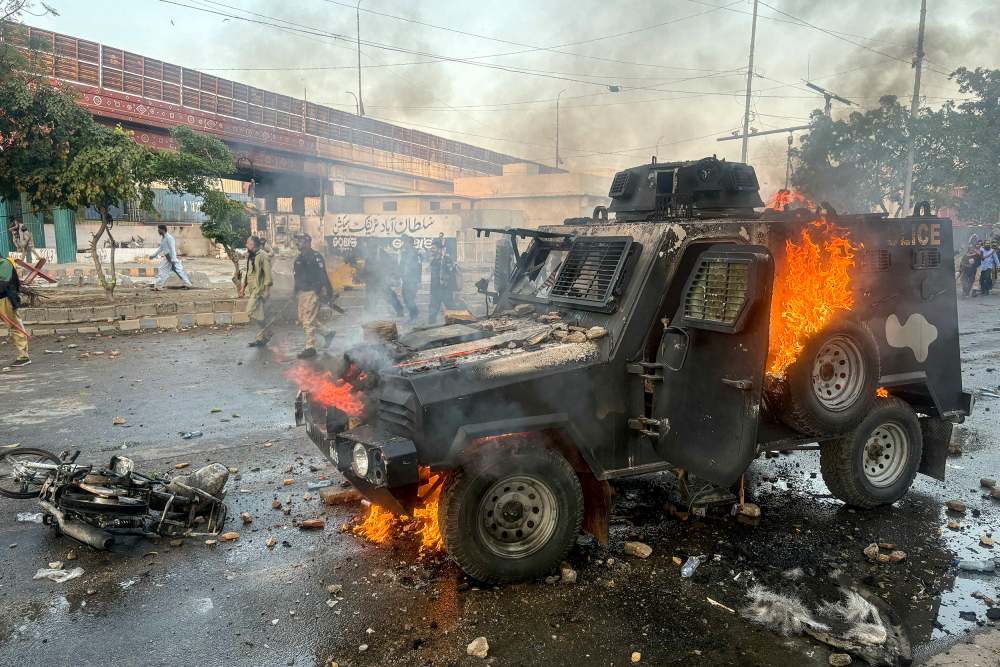
Pakistan also continued its assault in Afghanistan through the weekend, after an initial barrage of more than 20 airstrikes across Afghanistan last week, the Atlantic Council reports. Tensions between the neighboring states had been simmering for months, with Pakistan accusing Afghanistan of harboring militant groups that have struck Pakistani cities.
The unrest threatens Pakistan’s economy. This week the chairman of a Pakistani textile-industry group said he expects a 10 to 20% drop in March exports, and four-fifths of Pakistan’s crude oil imports transit Iran-controlled waters, Dawn reports. Textiles contribute about 8.5% of Pakistan’s GDP, according to government statistics.
Foreigners flee Vietnamese stocks
After enjoying robust returns for the past year, foreign investors in Vietnam’s stock market appear to be pulling back, Reuters reports. Investors are worried that Vietnam’s growth could falter if US trade policy becomes more aggressive or if Vingroup, the country’s most valuable company, suffers losses.
Vingroup’s stock rose more than 700% last year and now accounts for more than a fifth of the value of the benchmark index. Even as the market gained more than 40% last year, net equity outflows reached $5.1 billion.
Foreigners still own about 14.5% of issued shares in the Vietnamese market. Last October the FTSE Russell index announced it would upgrade Vietnam to emerging market status, a move that was expected to draw big flows of foreign capital. That transition is expected to take place in September.
Middle East
US and Israel launch joint war against Iran
The US and Israel this week launched a surprise attack against Iran that killed Supreme Leader Ayatollah Ali Khamenei and much of the top leadership of the country’s Revolutionary Guard. Iran immediately responded with a broad missile and drone campaign against multiple neighboring countries, threatening to spark a regional conflict.
The US quickly gained air superiority over Iran and severely damaged economic and military infrastructure—but the campaign lacks a coherent objective. US President Donald Trump has given mixed signals about the goal of the attacks.
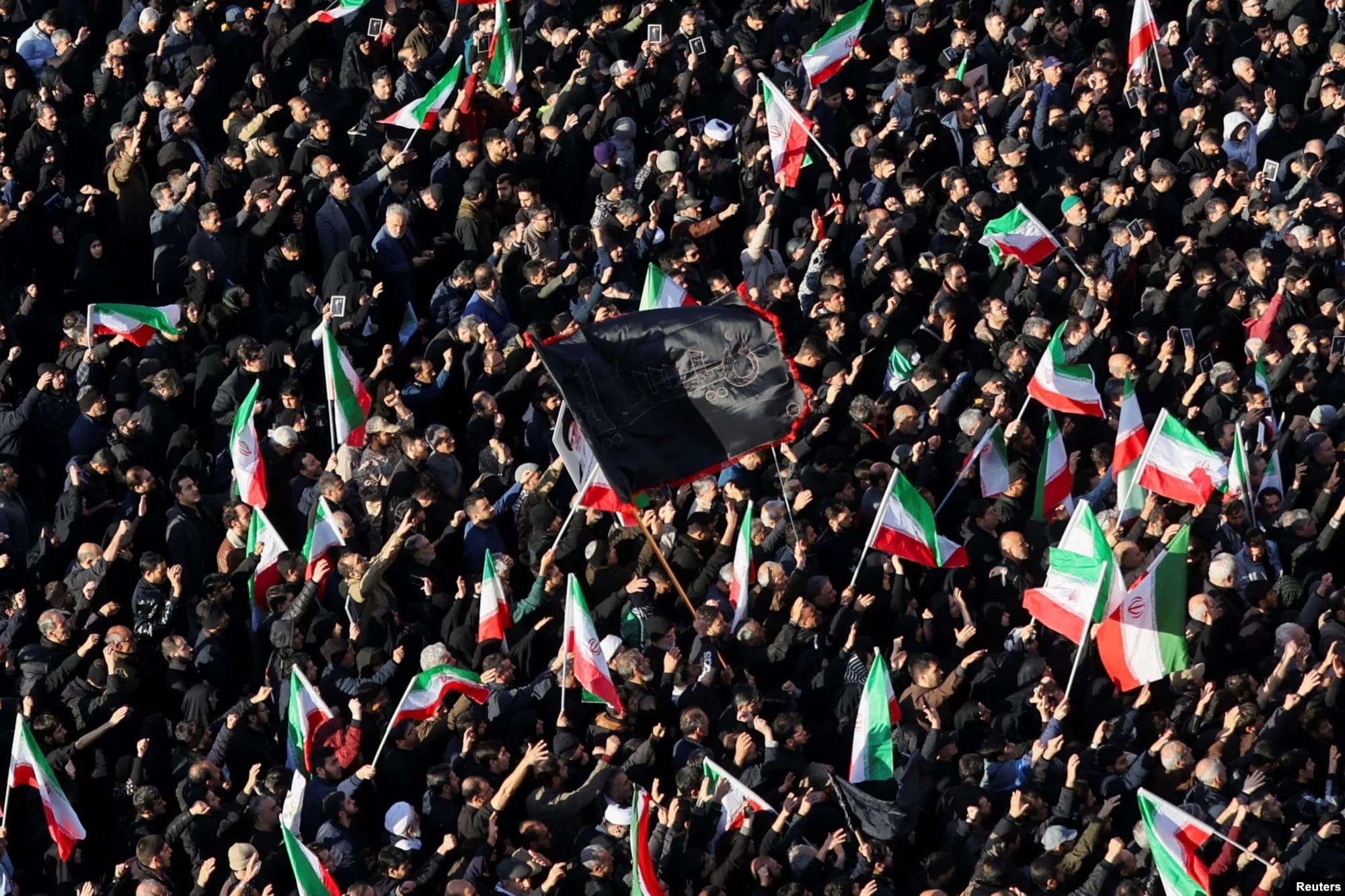
Iran is now apparently led by a provisional council composed of President Masoud Pezeshkian and two high-ranking clerics, but in reality it’s reportedly Supreme National Security Council Secretary Ali Larijani, a former political hardliner turned moderate, who wields power and is directing the war effort. The question of succession will likely determine the course of the war in the short term, and in the long term determine the direction Iran takes when the dust settles; hardliners reportedly favor Mojtaba Khamenei, who would likely widen the war, while moderates favor Hassan Rouhani, who would likely seek negotiation.
Israel ground offensive in Lebanon derails election plan
Shortly after its surprise attack against Iran on Saturday, Israel accused Hezbollah of committing a ceasefire violation and launched an airstrike campaign and a new ground operation into Lebanese territory, the New York Times reports. Initially concentrated on southern Lebanon, a longtime Hezbollah stronghold, the operation has since expanded to Beirut. Israel’s airstrikes killed at least 102 people and prompted the evacuation of over 500,000 people, triggering a displacement crisis.
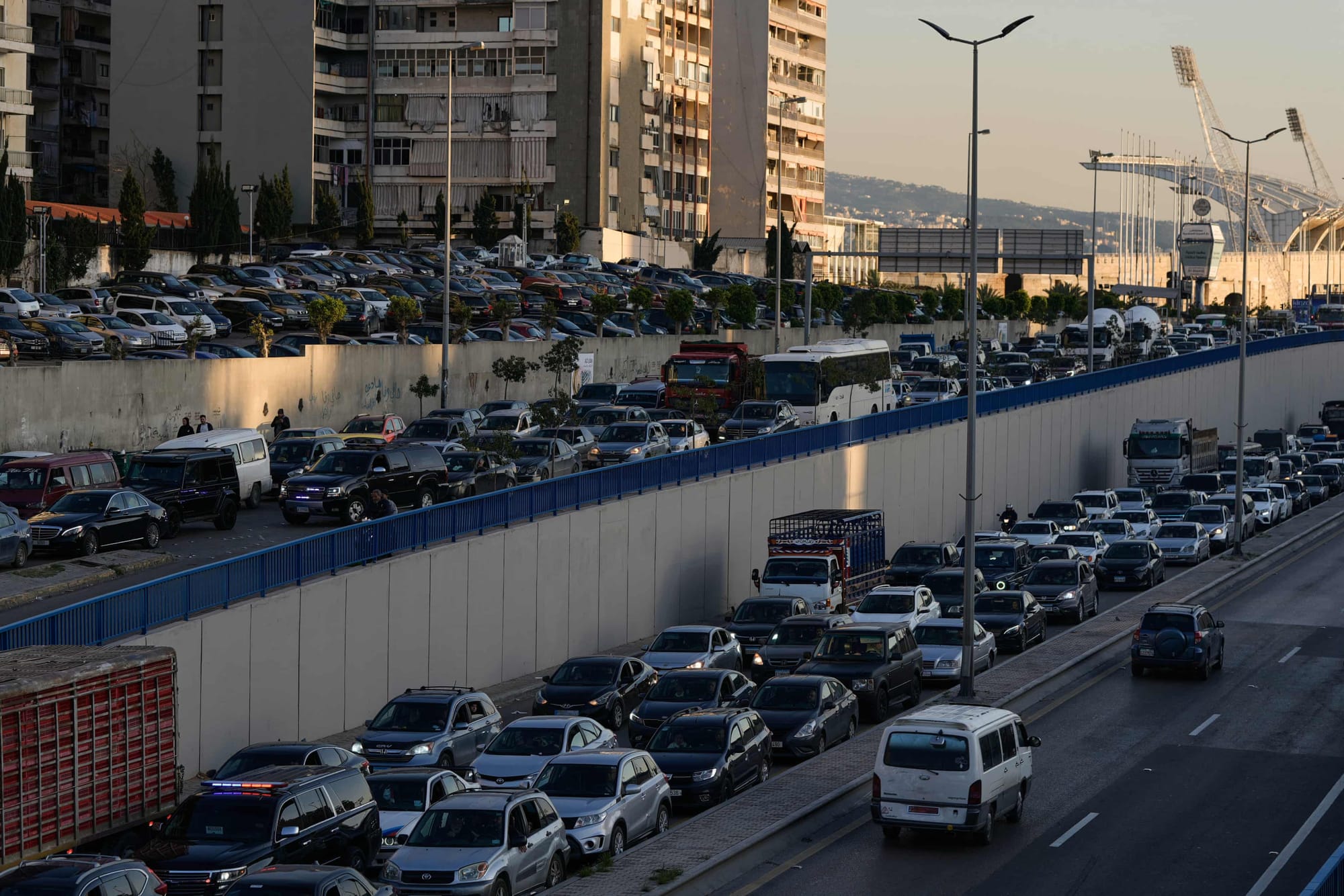
In response, Lebanon’s Prime Minister Nawaf Salam banned Hezbollah from engaging in military activities, but the ban has proven difficult to implement and failed to deter the Israeli operation.
Lebanon’s leaders on Tuesday agreed to postpone elections scheduled for May this year and to extend Parliament’s term by two years.
Despite the upheaval, Lebanon’s bonds rallied to a six-year high, with investors convinced that further weakening Hezbollah would pave the way to a smoother restructuring of Lebanon’s debts.
Europe
Armenia and Azerbaijan voice concern over the war in Iran
Armenia’s Prime Minister Nikol Pashinyan and Azerbaijan’s President Ilham Aliyev expressed concern this week that their own countries could be drawn into the war in Iran, Eurasianet reports. Both countries have been trying to maintain a delicate balance recently in their relationships with both the US and Iran.
The two countries this week took in roughly 1,500 evacuees, most of whom were not Iranian. On Thursday, however, Azerbaijan said Iran had launched four drones into the country, striking an airport and a school. Aliyev threatened to “crush” Iran in response to the attack, the Independent reports.

Pashinyan and Aliyeve are concerned the war could diminish the viability of the Trump Route for International Peace and Prosperity, a US-backed infrastructure project that will pass close to the Iranian border, according to Eurasianet. Both leaders sent letters of condolences to Iranian President Masoud Pezeshkian after the death of Iranian Supreme Leader Ali Khamenei, potentially a hedge if the current government survives.
IMF doubles down on demand for reforms in Ukraine
The IMF’s mission chief for Ukraine, Gavin Gray, last Friday emphasized that the country’s government had to fulfill its reform pledges in order to achieve a stable economy, Reuters reports. An $8.1 billion IMF loan package for the country includes a raft of reforms, but Gray urged Ukraine to do more to curb tax evasion and corruption.
- EU Commission eyes legal loophole to bypass Hungary veto of €90bn loan (FT)
- EU urges Ukraine to allow access to pipeline carrying Russian oil (FT)
While noting that Ukraine’s spending needs would remain elevated for the foreseeable future, Gray said support from foreign investors and institutions would not be enough. “Ukraine’s post-war growth prospects heavily depend on improvements to governance,” he said.
As well as tackling tax avoidance and corruption, Ukraine is also planning to increase the VAT threshold to close a customs loophole that hurts domestic businesses.
Latin America
Colombia and Ecuador tit-for-tat tariff spat continues to escalate
Tensions between Colombia and Ecuador have escalated into a full-blown tariff dispute, with both governments accusing the other of bad faith over trade and border security, Finance Colombia reports. Ecuador is leading the way, raising tariffs on Colombian imports to 50% from 30%, describing the hike as a “security” measure linked to Bogotá’s alleged failure to curb drug trafficking and violence along their shared frontier.
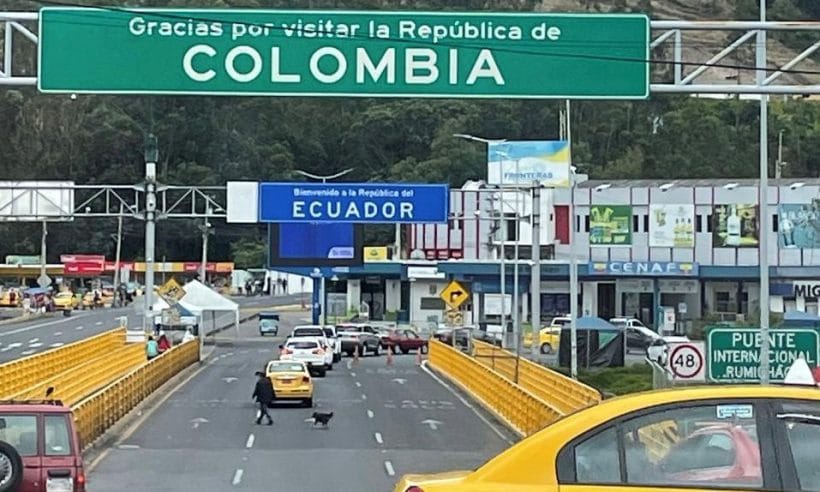
Colombia’s government has rejected the accusations and imposed 30% tariffs on dozens of Ecuadorian goods, from food and farm products to industrial items, as well as suspending electricity exports to its southern neighbor. Colombia this week drafted a decree to lift duties on some 300 Ecuadorian products to 50% in retaliation.
Business groups on both sides warn that a prolonged stand‑off could hit cross‑border supply chains, energy security, and investment, with trade flows worth hundreds of millions of dollars now at risk.
Global Macro
Iran war prompts EM risk reassessment
Investor sentiment toward emerging-markets equities and credit weakened this week as US and Israeli strikes on Iran triggered fears of a wider Middle East war. Higher oil prices, weaker EM currencies and widening credit spreads are prompting a rapid reassessment of risk appetite.
MSCI’s emerging-markets equity benchmark plunged by 10% before recovering slightly as investors cut exposure to markets seen as vulnerable to energy shocks and geopolitical spillovers, particularly in Asia and the broader Middle East. EM hard-currency debt sold off, and local‑currency bonds in oil‑importing countries face added pressure from weaker FX and inflation worries.
The broad sell-off could create opportunities, however, as “global risk aversion can widen sovereign spreads indiscriminately…even where fundamentals remain intact,” according to investment firm Robeco’s Richard Briggs and Meena Santosh. In the short term, though, pressure on emerging-market currencies will likely continue as “higher oil prices, capital outflows and renewed strain on foreign currency liquidity” persist.
What We’re Reading
Nigeria seals $1.3bn alumina refinery pact with AFC (NairaMetrics)
Kenya’s first IPO in 11 years scrapes through with Uganda’s help (Bloomberg)
US sanctions Rwanda’s top army officers over DRC conflict (Semafor)
Republic of Congo president vows to keep power in election (Barron’s)
GSMA coalition targets $40 smartphone to connect millions across Africa (Tech Central)
Vodafone teams up with Amazon’s satellites to connect masts in Europe and Africa (Reuters)
IMF warns Laos about unsustainable debt (Nikkei)
Vietnamese conglomerate to build green energy projects in Europe and Philippines (Nikkei)
Philippines pledges closer ties with South Korea (Reuters)
Uzbekistan hoards gold as prices boom (Bloomberg)
Qatar warns war will force Gulf to stop energy exports ‘within days’ (FT)
US Gulf allies rattled—and seeing few good options—following Iran strikes (Politico)
UAE’s property sector faces reckoning after Iran strikes (Reuters)
Iran conflict tests Bahrain’s fragile finances (AGBI)
US supported Kurdish forces preparing for potential ground operation in Iran (NYT)
In Turkey, is Bilal Erdogan preparing to replace his father? (Al-Monitor)
Hungary’s Orbán seeks to use Iran war to boost election hopes (Politico)
Blackout in Cuba leaves millions without power amid US oil chokehold (The Guardian)
Millions of Cubans plunged into darkness as fuel crisis deepens (BBC)
Milei just made it easier to fire Argentines and make them work longer (WSJ)
Peru natural gas crisis threatens to drive up inflation (Bloomberg)
Chile’s annual inflation hit nearly six-year low before Iran war (Bloomberg)
US and Venezuela agree to resume diplomatic ties (BBC)
We are committed to providing FMN readers with a free weekly digest of politically unbiased, succinct and clear news and information from frontier and small emerging markets.
Please consider becoming a paid supporter to help cover some of our costs and support our continued development of sharp markets-focused coverage and new informational products. Paid subscribers will also gain exclusive access to our quarterly EM/FM report that aggregates EM insights from dozens of major banks, international institutions and consultancies.

Read next


