

🌍 Frontier Markets News, March 27th 2026
A weekly review of key news from global growth markets

Africa
African nations face $155bn sovereign debt wall
Ratings firm S&P projects African governments will aim to raise a record $155 billion in commercial long-term debt in 2026, AbokiFX reports. The 10% increase from the previous year is driven by the urgent need to refinance maturing obligations and manage persistent fiscal deficits, with Egypt, Morocco and South Africa expected to remain the continent’s largest issuers.
- Africa grapples with energy crisis as Iran war disrupts fuel supplies. (Reuters)
S&P warned that the borrowing outlook could be derailed by the ongoing conflict in the Middle East. Prolonged disruption to shipping lanes and volatility in oil prices threaten to disrupt government finances and stoke inflation across fuel-importing nations, compounding the pressure from elevated global interest rates.
Uganda’s GDP surges as commercial oil production looms
Uganda’s finance ministry announced late on Tuesday that the country’s economy expanded by an annualized 8.5% in the final quarter of 2025, marking its fastest quarterly growth in more than three years, Finance in Africa reports. The acceleration from 5.4% growth in the same period a year earlier was driven by robust consumer demand and a construction boom tied to major oil infrastructure projects.
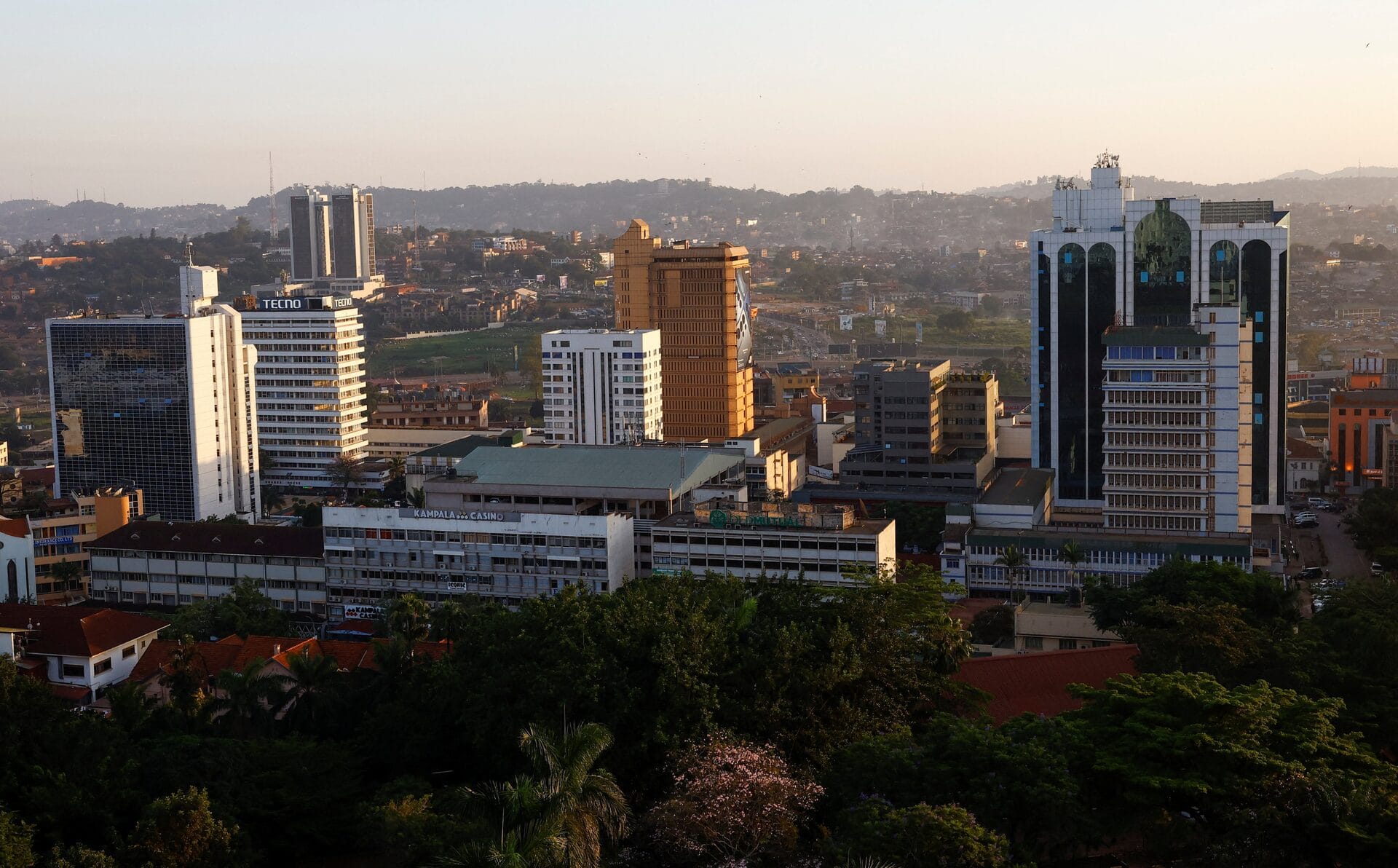
The country’s export earnings also grew strongly, supported by soaring revenues from gold, coffee and other goods, Reuters reports. Uganda earned $1.5 billion from exports shipped in January, up from $844.6 million in the same month a year earlier.
The strong economic performance comes as the $5 billion East African Crude Oil Pipeline reaches 80% completion. The pipeline will transport crude from the Lake Albert oilfields to the Tanzanian coast, with first commercial oil production targeted for mid-2026. The impending oil boom is expected to fundamentally reshape the country’s fiscal outlook and attract further foreign direct investment.
Kenya revives stalled China-backed railway
Kenya’s President William Ruto has launched the construction of a new phase of the Standard Gauge Railway, reviving a multibillion-dollar project that stalled six years ago when funding from China dried up, Reuters reports. The new section, which will extend the line from the Rift Valley toward the Ugandan border, is being financed through revenue securitization rather than new Chinese loans.
The resumption of the project highlights Nairobi’s shifting approach to infrastructure financing amid growing debt sustainability concerns. By leveraging a railway development levy charged on existing cargo as seed money, the government aims to complete critical logistics corridors while managing its exposure to external creditors.
Asia
Philippines declares energy emergency
The Philippines declared a state of emergency on Tuesday as the Iran war continued to choke supplies of oil to Asia. The administration of President Ferdinand Marcos Jr warned of “an imminent danger of a critically low energy supply,” AP reports, with authorities saying they have enough gasoline to last around 53 days.
The designation, which will last for a year, allows the government to expedite imports from countries such as Russia, ABC reports, in spite of US and European sanctions related to the war in Ukraine.
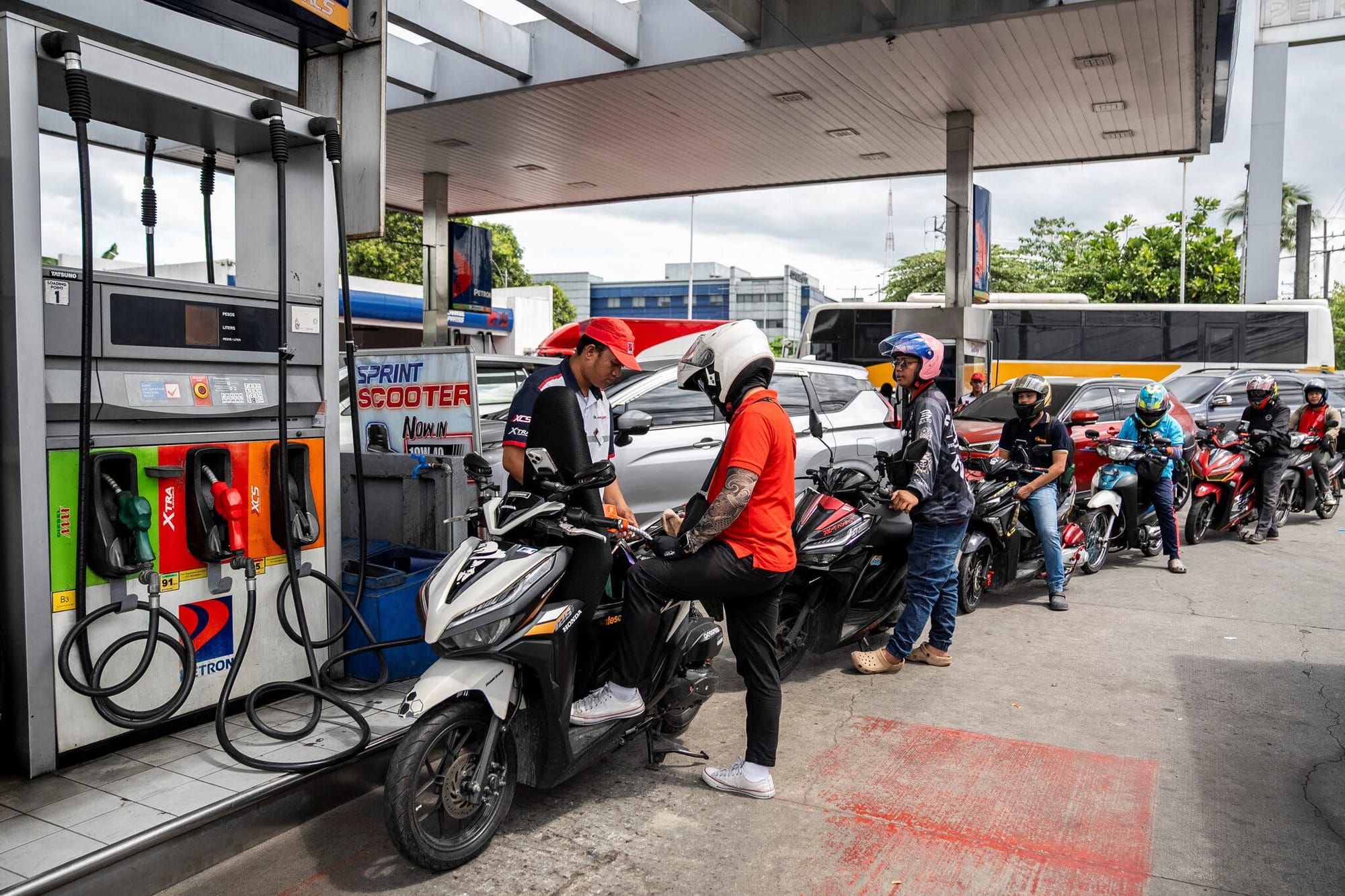
The country’s economy could also suffer from the loss of remittances of Filipinos working in the Middle East. The region accounted for almost a fifth of remittances to the Philippines in 2024, the New York Times reports, with remittances in turn making up around 9% of GDP, according to the World Bank.
Myanmar military chief promotes loyalists in power shuffle
The leader of Myanmar’s ruling military junta has consolidated power in the hands of the armed forces ahead of his expected transition to become the country’s civilian president, Nikkei reports.
General Min Aung Hlaing, who took power in a 2021 coup, promoted his long-time intelligence chief Ye Win Oo to head of the army. Analysts told Nikkei that the move positions Ye Win Oo to become the top general when Min Aung Hlaing becomes president.
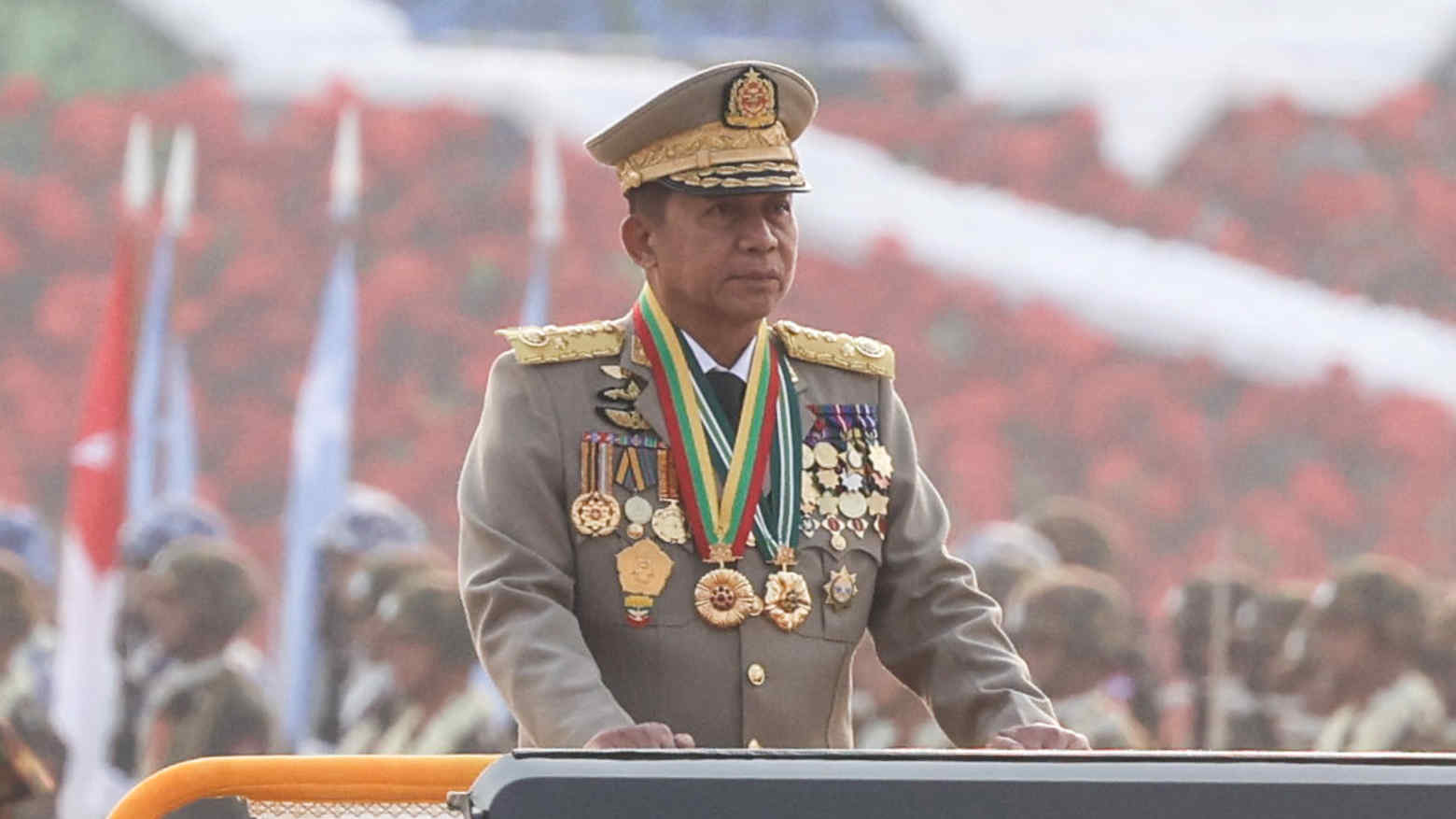
Myanmar’s citizens voted in internationally derided elections earlier this year, giving the military’s political arm control of the country’s parliament. The process to select a president is expected to begin next week.
Middle East
Expanding Israeli offensive dims Lebanon’s hopes for economic recovery
Massive internal displacement and a rapidly escalating war between Israel and Hezbollah have dented Lebanon’s prospects for an economic recovery, as the government now has to add fresh reconstruction costs and humanitarian aid expenses to the country’s ongoing financing request from the IMF and other lenders.
At a meeting in Paris, officials from the multilateral and Lebanon attempted to assess the costs of the latest violence but they reportedly did not result in any breakthrough. Hope for a staff level agreement on a new program is reportedly fading, and the IMF expects legislative gridlock in Lebanon to worsen as a result of this war.
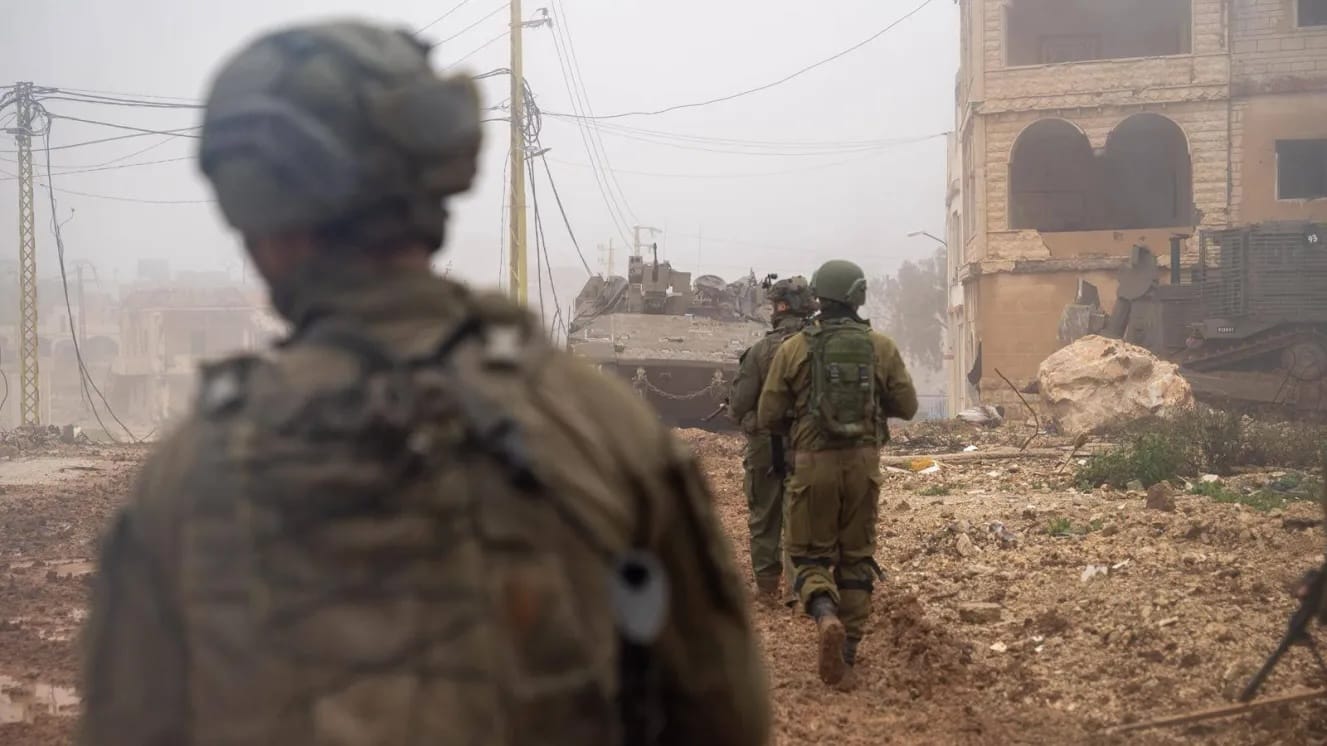
Israel announced this week that it is again expanding the scope of its offensive in the country, increasing the size of a so-called buffer zone and announcing a plan for a long-term military presence in the area from the border to north of the Litani river, Haaretz reports. As Israeli forces dig in for a protracted campaign, the number of people displaced in Lebanon has grown to over 1 million, with many now crossing into Syria, threatening the fragile stability around the two countries’ border.
Iran war adds pressure on Iraqi government finances
The impact on Iraq of the Israeli-US war on Iran appears set to heighten further after airstrikes hit a regional headquarters of the Shia Popular Mobilization Forces (PMF), an arm of the Iraqi army that is generally believed to be aligned with Iran, Al Jazeera reports. Iraq’s government filed a formal diplomatic protest with the US and Iran, which has also launched attacks into Iraq, and authorized the PMF to respond to future attacks, a move the government frames as a “right to self-defense” but that could lead to an Iranian proxy formally entering the war.
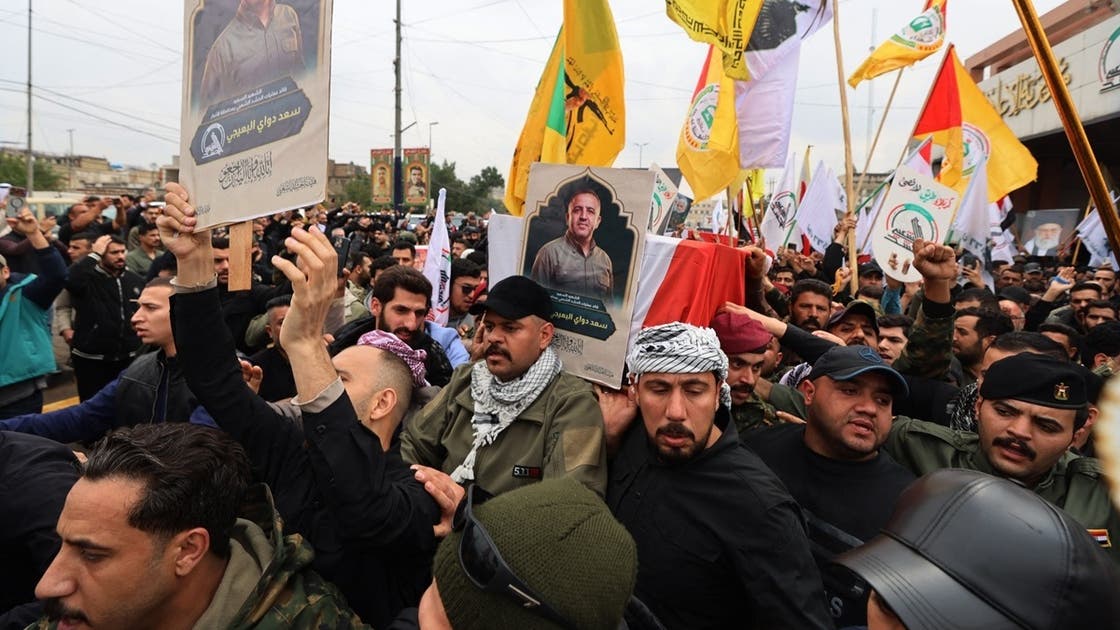
Iraq’s government, currently struggling to elect a new prime minister, is under growing economic pressure as overflowing oil storage and blocked export routes via the Strait of Hormuz have forced a difficult decision to “shut-in” or cut 80% of the 4.3 million barrels per day in production from its oil fields, Reuters reports. The government depends on oil exports for 90% of its public income, and some analysts fear it will be unable to meet end-of-month payroll for its 4.2 million public employees, or pay benefits to the over 6 million people in various pension and social welfare programs.
The central bank has over $100 billion in reserves—roughly 11 months’ import coverage—which could be used as an emergency funding measure, but the reserves are also needed to protect the currency from depreciation, fund imports, and support the increasingly fragile banking sector.
Europe
Slovenia heading for coalition after near-tie in election
Slovenia’s ruling Freedom Movement eked out a victory in Sunday’s parliamentary election, beating right-wing populist Janez Janša’s Slovenian Democratic Party by less than one percentage point, Politico reports. Prime Minister Robert Golob’s party, which won 44 seats in 2022’s parliamentary election, won just 29 seats this time around, while Janša’s party snagged 28.
- Kosovo avoids snap election (Prishtina Insight)
- Hungary’s opposition party widens lead over Orbán’s Fidesz, poll says (Reuters)
Without a parliamentary majority, Golob will need to secure broader support in addition to his current coalition in parliament to form a government, Balkan Insight reports.

Both leading parties had alleged there had been irregularities in the election—and late this week, a government investigation appeared to confirm there had been foreign influence during the campaign.
Armenia-Azerbaijan thaw erodes Russia’s influence in region
Armenia and Azerbaijan’s sustained peace agreement, growing direct trade flows and increased diplomacy with the US is challenging Russia’s influence in the South Caucasus, analysts at Radio Free Europe and foreign policy think tank Jamestown found.
With the Kremlin’s focus on Ukraine and increased involvement and investment in Armenia and Azerbaijan by the US—including the proposed development of a transportation route through long-contested territory—the countries’ relationships with Russia are becoming less important.
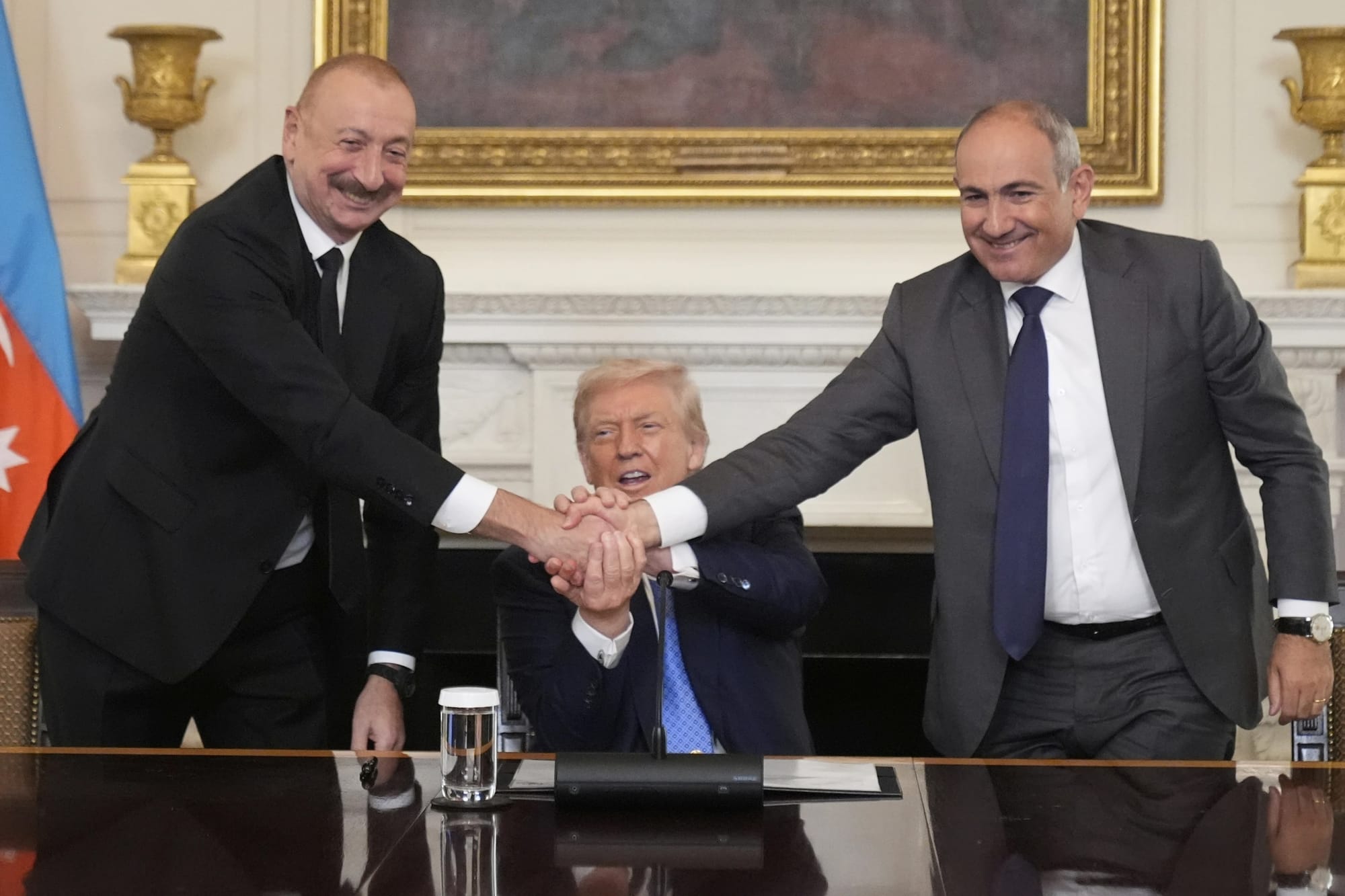
Trade between the two countries and Russia is also declining, with Russia falling behind Italy and Turkey as Azerbaijan’s leading trade partner. While it remains Armenia’s leading partner, its share of trade is reportedly declining.
Latin America
Argentina projects $50bn in energy exports by 2031
Argentina’s state-run oil and gas producer YPF projected on Thursday that the country’s energy exports could reach $50 billion annually by 2031, Reuters reports. YPF chief executive Horacio Marin told an energy conference in Houston that $130 billion in capital expenditure will be required over the next five years to develop the necessary crude oil, liquefied natural gas and transportation infrastructure for the Vaca Muerta region.
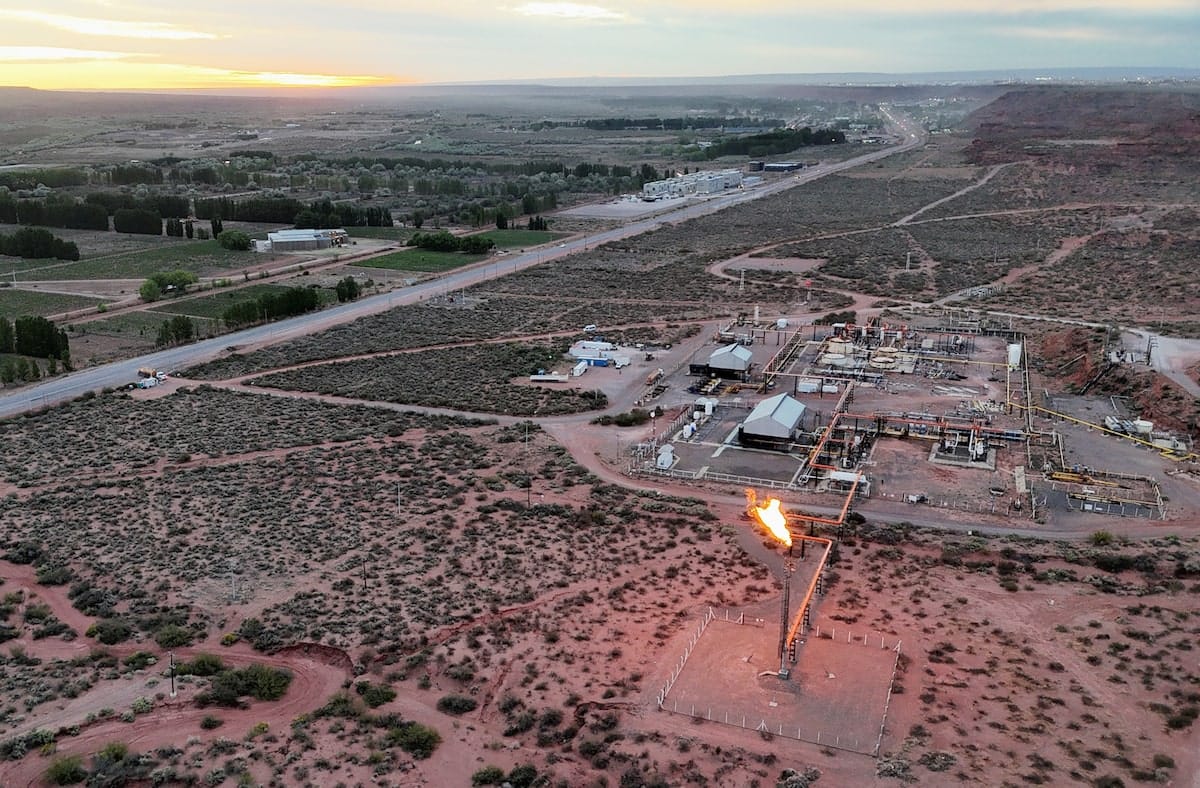
To facilitate this scale of investment, the government this week said it plans to loosen limits on foreign ownership of rural land. Cabinet chief Manuel Adorni explicitly tied the legislative push to the need for large tracts of land required for major oil, mining and agricultural investments.
Paraguay emerges as a regional investment magnet
Paraguay’s central bank held its key interest rate at 5.5% this week as inflation fell to a five-year low, reinforcing the macroeconomic stability that is turning the country into a regional investor magnet, Bloomberg reports. The predictable economic framework has fueled a 60% surge in residency applications over the past year, driven by entrepreneurs from neighboring Brazil and Argentina seeking refuge from high taxes and complex regulatory environments.
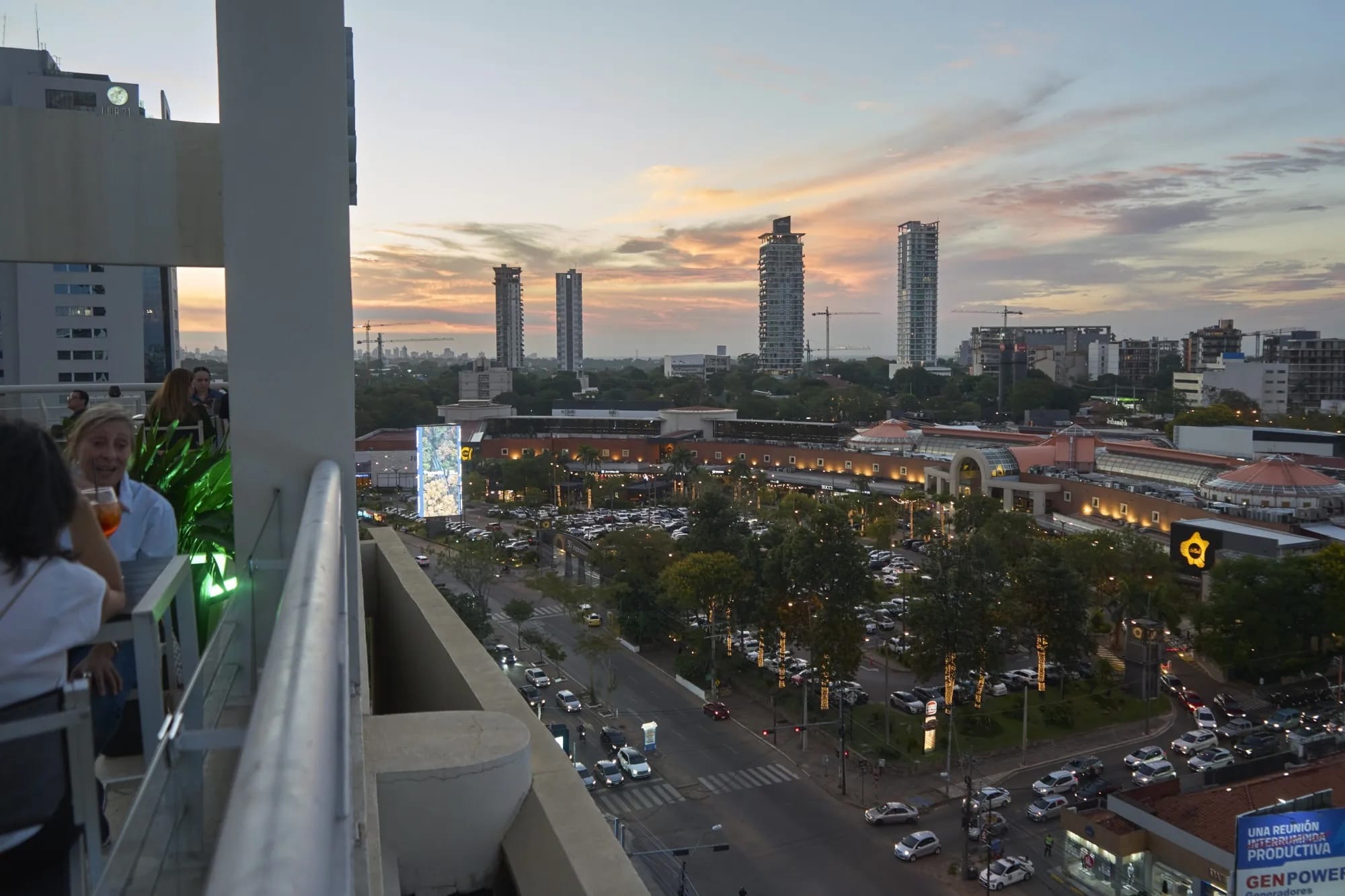
Wall Street investors are increasingly snapping up the country’s bonds as conservative President Santiago Peña actively aligns his government with the Trump administration’s agenda following a recent visit to the US. The economic momentum helped the country win investment-grade credit status from Moody’s and S&P Global over the past year.
Bolivia secures double credit rating upgrade
S&P Global Ratings upgraded Bolivia’s sovereign credit rating to CCC+ from CCC- on Monday, marking the country’s second rating bump in a week following a similar move by Moody’s, Bloomberg reports. The upgrade reflects a reduction in short-term debt service payments and the government’s progress in pushing through economic reforms to stabilize international reserves.
The rating actions provide a rare bright spot for the Andean nation, which has struggled with severe dollar shortages and political infighting.
The government of President Luis Arce has recently implemented measures to incentivize exports and attract foreign capital, particularly in the critical lithium sector, as it seeks to stabilize the broader macroeconomic environment.
What We’re Reading
Angola raises $2.5 billion in dual-tranche eurobond sale. (Energy Capital Power)
Kenya secures over $2.9 billion in investment pledges at KIICO 2026. (Kenyan Wall Street)
Nigeria’s Dangote refinery ramps up regional fuel exports across Africa. (Reuters)
Nigeria launches digital trade platform to streamline port operations. (Reuters)
Senegal defends use of derivatives-linked financing amid IMF scrutiny. (Reuters)
China’s battery metal squeeze in Africa as export restrictions tighten. (Bloomberg)
Pakistan’s army chief uses relationship with Trump to attempt mediation with Iran (NYT)
Ukraine steel output capacity down 81% since Russian offensive began in 2014, union says (Reuters)
US looks to invite Belarus president Alexander Lukashenko to White House (FT)
Belarusian leader seals friendship treaty with North Korea’s Kim (Reuters)
Colombia to withdraw from investor protection treaties (Colombia Reports)
Frontera Energy divests $750mn in Colombian exploration and production assets (Finance Colombia)
US and Ecuador sign reciprocal trade agreement (AS/COA)
UAE and Ecuador sign $3 billion CEPA investment pipeline (Ecuador Brief)
Peru and Canada sign critical minerals MOU (Industrial Info)
We are committed to providing FMN readers with a free weekly digest of politically unbiased, succinct and clear news and information from frontier and small emerging markets.
Please consider becoming a paid supporter to help cover some of our costs and support our continued development of sharp markets-focused coverage and new informational products. Paid subscribers will also gain exclusive access to our quarterly EM/FM report that aggregates EM insights from dozens of major banks, international institutions and consultancies.

Read next


