

🌍 Frontier Markets News, March 20th 2026
A weekly review of key news from global growth markets

Africa
Namibia pushes to exploit mineral demand growth
Namibia’s mining sector is drawing a surge of international attention, with Mining Commissioner Isabella Chirchir announcing this week that the government has over 800 new exploration license applications on file as it competes for a larger share of global critical mineral demand. Uranium and gold already account for nearly half of all exports, with diamonds and base metal ores rounding out a mineral-dominated trade portfolio.
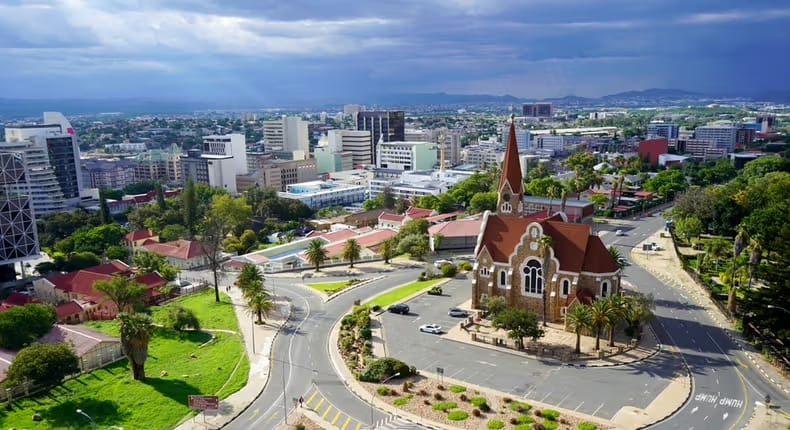
As the government moves to accelerate foreign investment through the Namibia Investment Promotion and Facilitation Bill, which is expected to be finalized this year, it is also keen to ensure Namibians benefit from new development. But a proposal that would require 51% Namibian ownership in all new mining ventures has drawn sharp pushback from the Chamber of Mines, which warned the measure risks undermining the country’s reputation for policy stability.
Mining Commissioner Isabella Chirchir said the government is deploying digital licensing platforms to clear the backlog of exploration applications in addition to 600 pending environmental applications. The effort coincides with Namibia’s broader National AI strategy, launched in February 2025, which seeks to position the country as a hub for AI in emerging economies, with the mining sector as an explicit target for AI integration.
African nations struggle as oil prices surge
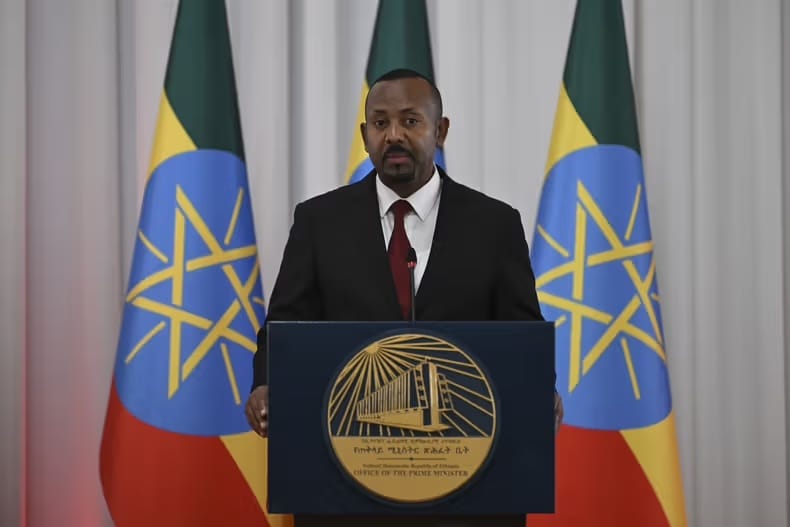
Net oil importers across Africa are struggling to contain the damage from the sharp rise in oil prices triggered by the conflict in Iran. On Monday, Ethiopia, which imports the majority of its refined fuel from the Gulf, introduced emergency fuel subsidies to mediate the shock to households while Prime Minister Abiy Ahmed urged fuel conservation. South Africa, facing potential energy shortages, is reportedly looking for new suppliers.
Kenya, which consumes about 100,000 barrels per day, all of which is imported, is already facing mounting debt burdens and growing pressure on foreign exchange reserves. A sustained shock could reduce dollar inflows from its major exports of tea, coffee and cut flowers.
Morocco presents a more complicated calculus. The country, which imports about 90% of its roughly 315,000 barrels per day demand, will be hit hard by higher oil import costs, but stands to benefit from a squeeze in phosphate fertilizer supply.
There have been some beneficiaries, including oil exporter Algeria, whose national budget is anchored to a $70-per-barrel oil price. With oil whipsawing between $90-$119 per barrel since the start of the conflict, Algiers is seeing revenues surge, throwing a lifeline to its troubled economy. Just before the war began, the country issued its first local sale of sovereign Islamic bonds and sought an African Development Bank infrastructure loan to shore up funds in the face of a looming cash crunch.
Asia
Iran conflict roils frontier Asia
As the US and Israeli war with Iran reached its third week, the effective closure of the Strait of Hormuz is hitting Asia’s economies hardest, according to research firm Capital Economics. About a quarter of the world’s seaborne oil flows through the strait, and 80-90% of it is destined for Asia.
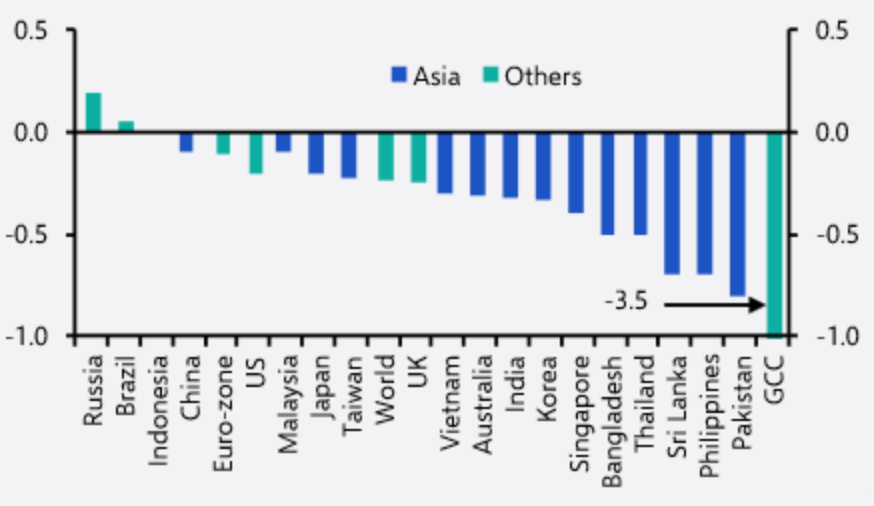
Countries across Southeast Asia began rationing fuel this week as gas lines stretched hours in some of their capital cities. Vietnam has cut fuel exports through the end of the month, Reuters reports. Thailand has done the same with exceptions for its neighbors Cambodia and Laos, Al Jazeera reports. In Malaysia, the government has increased its fuel subsidy fourfold, according to SCMP.
South Asia has also been hit hard. Nepal began rationing cooking gas last week, Reuters reports, while Sri Lanka declared every Wednesday a public holiday to encourage people to stay home and use less fuel, according to the BBC.
Myanmar parliament meets for first time in five years
Myanmar’s parliament gathered this week for the first time since a coup ousted the country’s democratically elected leader in 2021, AP reports.
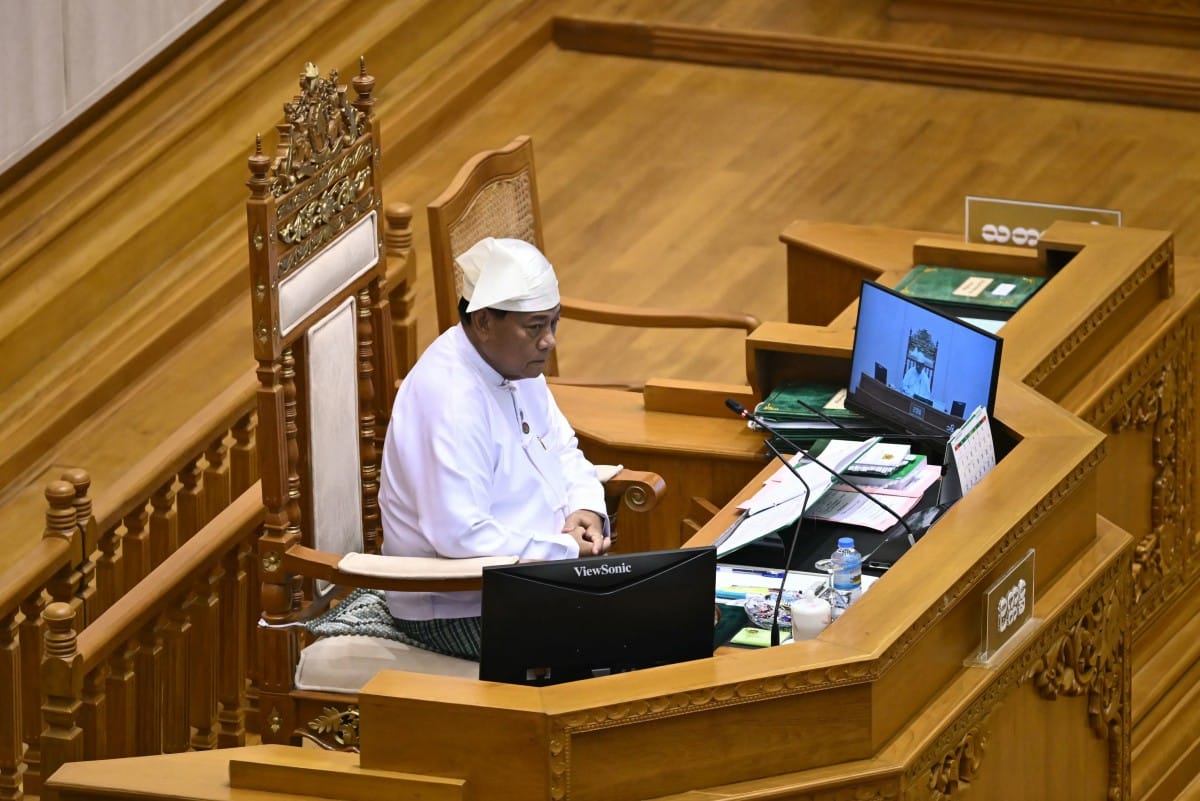
The meeting comes on the back of elections that concluded in January. International observers derided the vote as a sham, as the military and its allies still control 90% of the vote. The military barred some major opposition parties from participating in the election.
The legislature’s first task will be to elect a president. A vote is expected next month, The Diplomat reports.
Vietnam trade surplus with US continues to widen
Vietnam recorded the world’s largest trade surplus with the US in January, according to official data released last week.
Vietnam’s exports to the US rose 53% from last January to $19 billion, Reuters reports. Last year the US imposed high tariffs on China, leading to a drop in Chinese imports. But Vietnam’s own imports from China reached a record high in January, Vietnamese data shows.
- Malaysia says US trade pact ‘void’ in wake of court tariff ruling (Nikkei)
Vietnam and the US announced a trade deal last October, securing a 20% tariff rate. The US Supreme Court struck down those tariffs last month, and several companies are now suing for refunds, Bloomberg reports. Because tariffs are paid by the importer, any dividends are unlikely to flow back to Vietnam.
Middle East
War in Iran threatens GCC economies
Goldman Sachs analysts this week said that a continuation of the US and Israel’s escalating war with Iran through April could trigger the worst economic crisis for the Gulf region since the 1990s, Bloomberg reports. Kuwait and Qatar could see GDP shrink as much as 14% due to their complete reliance on the Strait of Hormuz, while Saudi Arabia’s and UAE’s declines could be limited to 3-5% thanks to their alternative export routes. Further escalation could trigger a bigger near-term impact than Covid, according to some analysts.
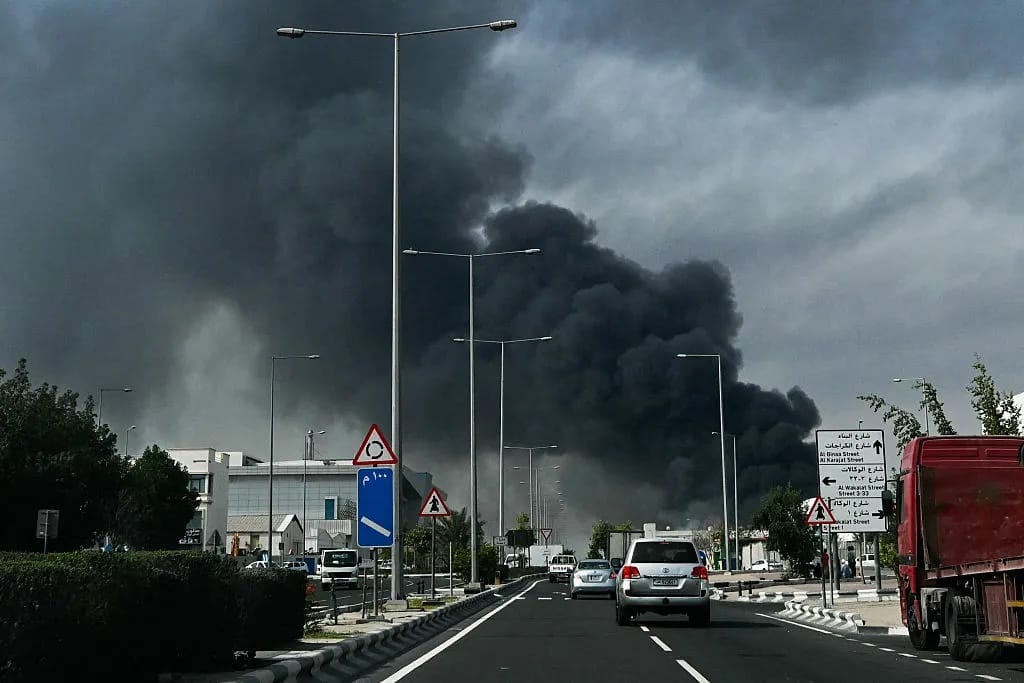
Gulf oil exports have fallen from 21 million barrels per day to just 14 million, and could fall further if attacks by both sides on oil and gas infrastructure continue.
The region’s stock markets are also affected, with airlines, real estate firms and tourism hit especially hard. Since the start of the war, the UAE’s benchmark index has fallen more than 20%. Ratings firm S&P says the Gulf Cooperation Council countries’ insurance and credit markets are resilient enough to absorb a short conflict of up to four weeks thanks to strong capital buffers, but notes that prolonged conflict could prompt reassessment.
Firms brace for inflationary supply chain disruptions
After three weeks of war in Iran, GCC businesses are sounding the alarm on supply chain disruptions beyond the expected oil and gas challenges as shipping disruptions hit industrial manufacturing in the region as well, Zawya reports. The Gulf is a major producer of refined metals such as aluminum, and the war has caused major producers Qatar and Bahrain to cut production since they can’t export finished goods.
- Macquarie ‘walks away from Kuwait oil pipelines deal’ amid Iran war (Zawya)
Food supply chains are also affected, since the Gulf is not only a manufacturer of nitrogen-based fertilizers but also an exporter of the raw materials used in production elsewhere. Producers in the EU are reducing production due to the surge in energy prices, and some in India and Bangladesh have shut down due to a halt in feedstock exports from the Gulf.
Central banks across the world have adjusted their inflation expectations accordingly, with the Federal Reserve, ECB, and Bank of Japan all holding interest rates steady this week due to the expected inflationary pressure of the war.
Europe
Electoral freedom under siege in Central and Eastern Europe
The majority of Central and Eastern European citizens are living under governments trending away from free and fair elections, according to a report from Swedish think tank the V-Dem Institute.
Researchers, who analyzed government media censorship and other methods of controlling elections, found 65% of the region’s population lives in what V-Dem classifies as “electoral autocracies”—such as Hungary, Russia or Serbia—while only 5% live in liberal democracies—Czechia and the Baltics—and 24% live in electoral democracies such as Bulgaria or Poland.
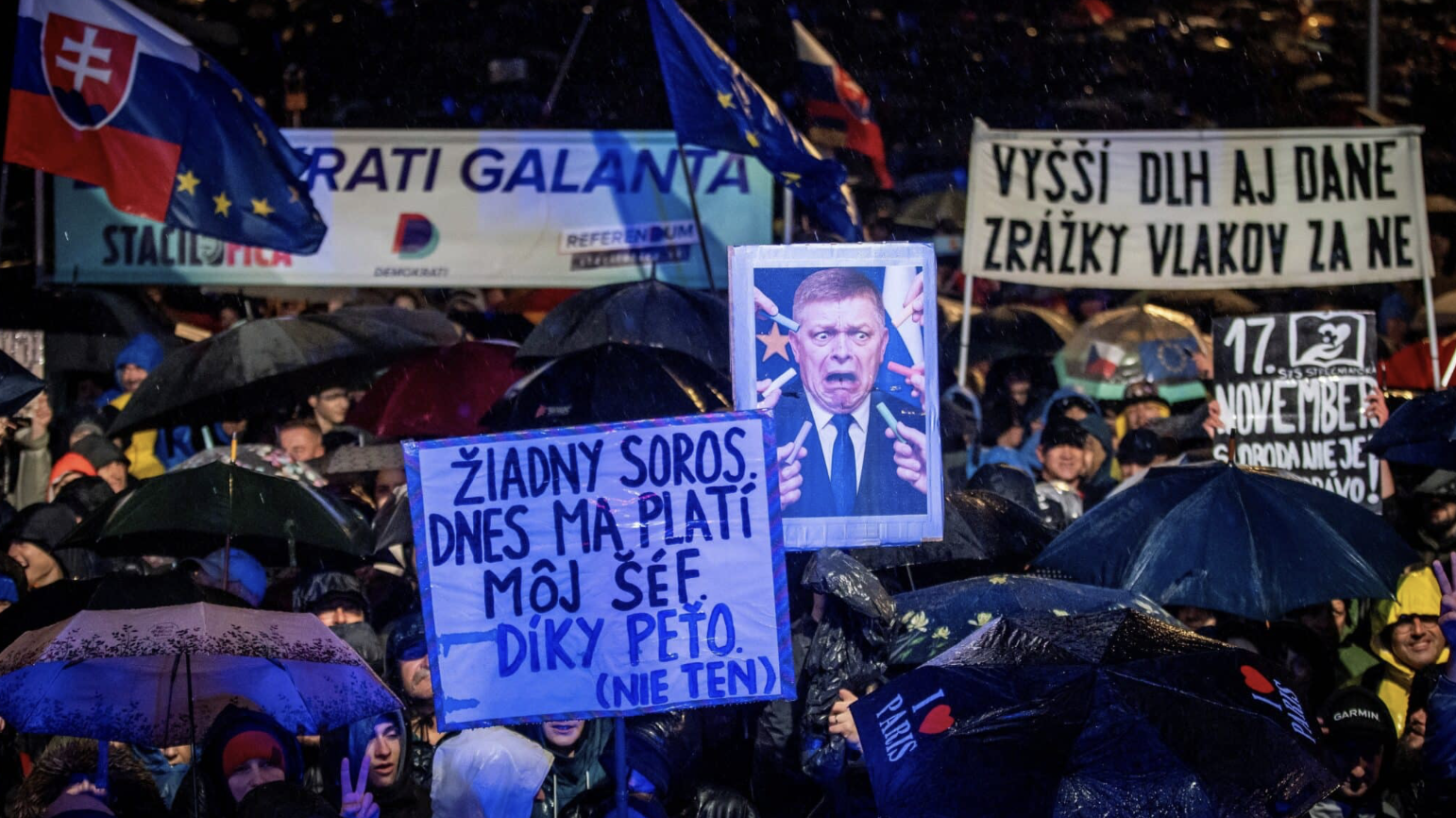
According to the report, three EU member states—Croatia, Slovakia and Slovenia—have recently joined the ongoing process of autocratization, leaving only Montenegro and Poland moving in the opposite direction. The total number of autocratizing countries in CEE now stands at 11, up from eight last year, accounting for 46% of the region’s countries and 32% of its population.
The regional trend mirrors a global deterioration. Autocracies now outnumber democracies worldwide (92 versus 87), and average democratic quality has fallen back to 1978 levels. Media censorship, deployed by 73% of autocratizing governments, remains the most common tool of democratic erosion.
Alleged disinformation scandal erupts days before Slovenia’s elections
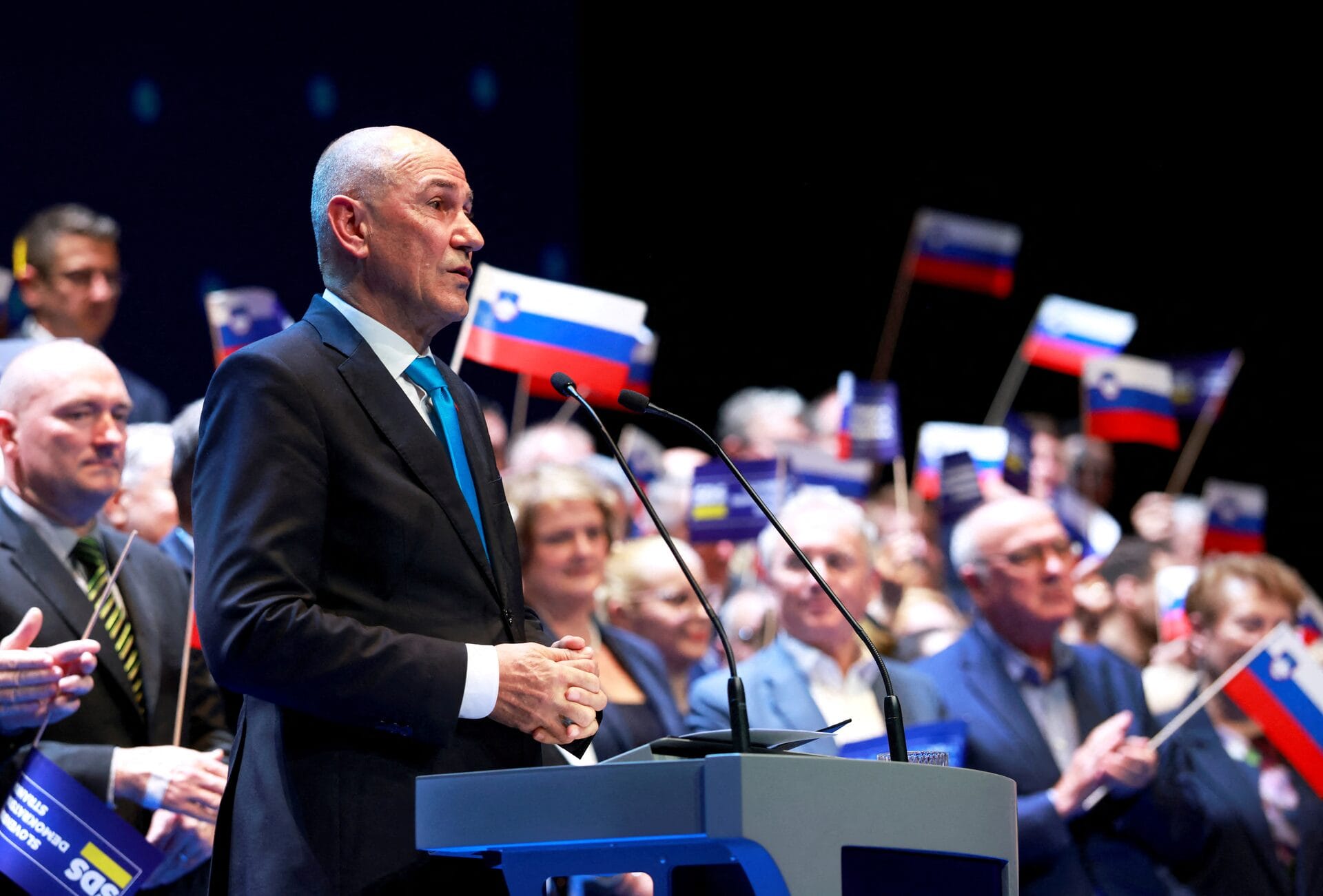
Slovenian Prime Minister Robert Golob this week accused opposition candidate Janez Janša of hiring an espionage firm led by former members of the Israel Defense Force to conduct a smear campaign ahead of this weekend’s tight national elections, Euractiv reports. Golob initiated an investigation into Black Cube, the spy firm, after video and audio recordings purportedly showing corruption within his government appeared on Facebook.
The material reportedly was gathered using a fictitious British investment fund, “Stockard Capital,” which lured targets to meetings in Vienna where conversations were secretly recorded. Foreign minister Tanja Fajon called it “a direct attack on Slovenian sovereignty” and French President Emmanuel Macron called it “clear and documented interference, disinformation and meddling from third countries.”
Golob’s coalition was trailing opposition SDS party by roughly two percentage points in polls this week.
IMF urges Ukraine to pass tax reforms before March-end deadline
IMF officials were in Ukraine this week, pressing the country’s government to pass a package of tax reforms before an end-of-March deadline, Reuters reports. Failure to do so could jeopardize future tranches of Ukraine’s $8.1 billion IMF loan program, approved in late February. A first disbursement of $1.5 billion has been made, but subsequent releases depend on legislative progress.
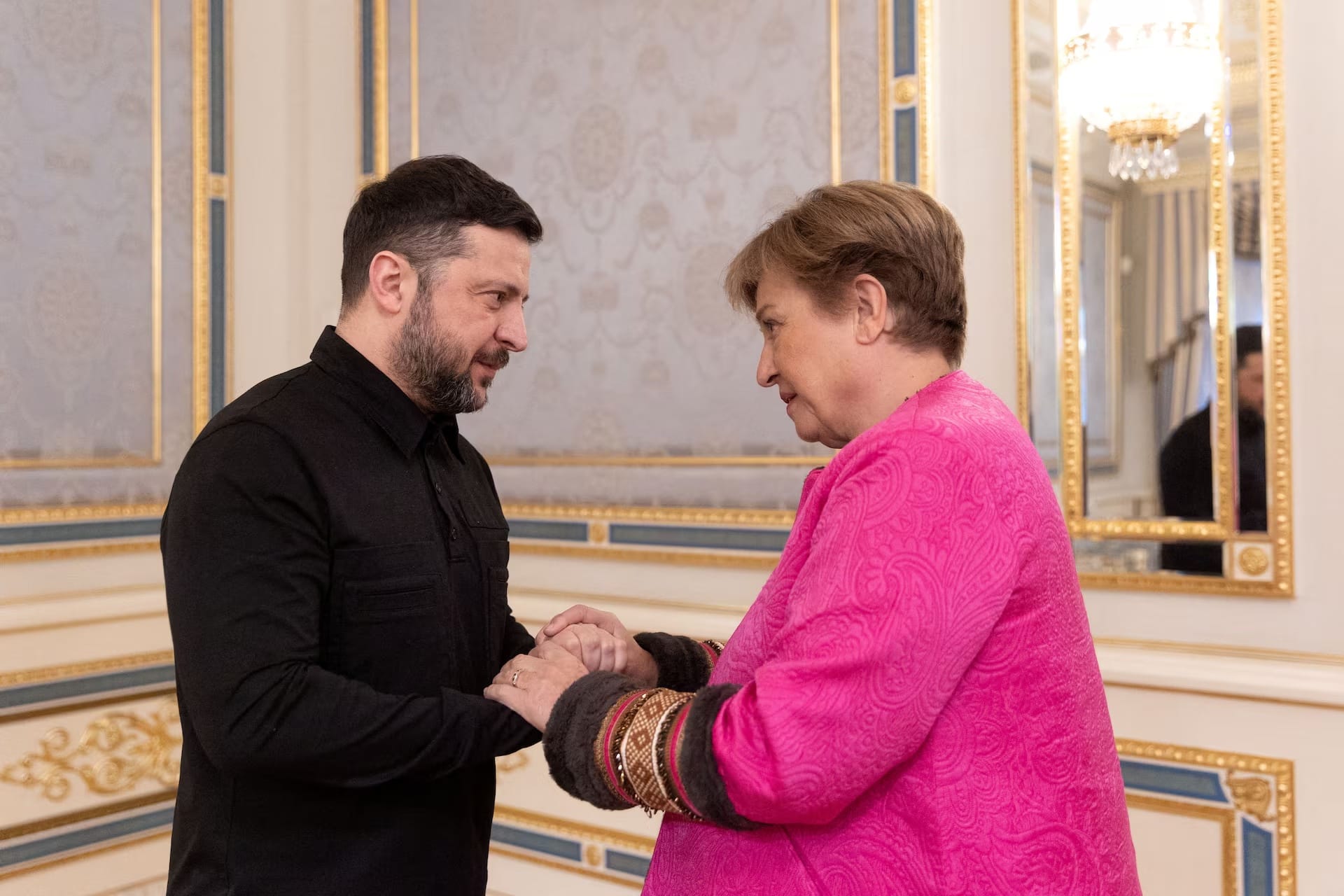
The package includes unpopular tax increases on small businesses that will affect an estimated quarter of a million entrepreneurs, as well as digital platforms. Ukraine has increased taxes once since the start of the war with Russia.
Ukrainian officials and economists estimate around $50 billion in external financing is needed to offset the costs of the war. A €90 billion assistance package proposed by the EU has so far been blocked by Hungary’s Russia-friendly Prime Minister Viktor Orbán.
Latin America
Chile’s new president unleashes Trump-style policy blitz
Chile’s new president, José Antonio Kast, has moved quickly to enact his agenda, beginning construction of a trench-style border barrier in the Atacama desert less than a week after taking office and suspending 43 environmental regulations introduced in the final days of the previous administration. The measures target irregular migration, organized crime and what Kast describes as regulatory overreach constraining growth.
The “border shield” plan, combining trenches, fencing and expanded military patrols along the northern frontier with Peru and Bolivia, mirrors controversial immigration tactics deployed by US President Donald Trump. The rollback of environmental decrees affecting power plants, smelters and protected areas, signaling a pivot toward deregulation aimed at boosting investment and employment, also echoes recent US policy changes.
- Chile economic growth tops forecasts (Bloomberg)
The pace of Kast’s moves underscores the scale of Chile’s political shift. Once viewed as a regional anchor of policy moderation, Santiago is now leaning into closer ideological alignment with Washington and a pro-growth, security-first agenda. The test will be whether the early assertiveness translates into durable economic momentum or provokes institutional and social pushback.
Mysterious bomb escalates tensions between Ecuador and Colombia
Tensions between Colombia and Ecuador rose sharply this week after President Gustavo Petro accused Ecuador of bombing targets inside Colombian territory, citing the discovery of an unexploded device near the frontier. Petro said the bomb did not appear to originate from Colombian forces or armed groups, raising the possibility of cross-border military action, El País reports.
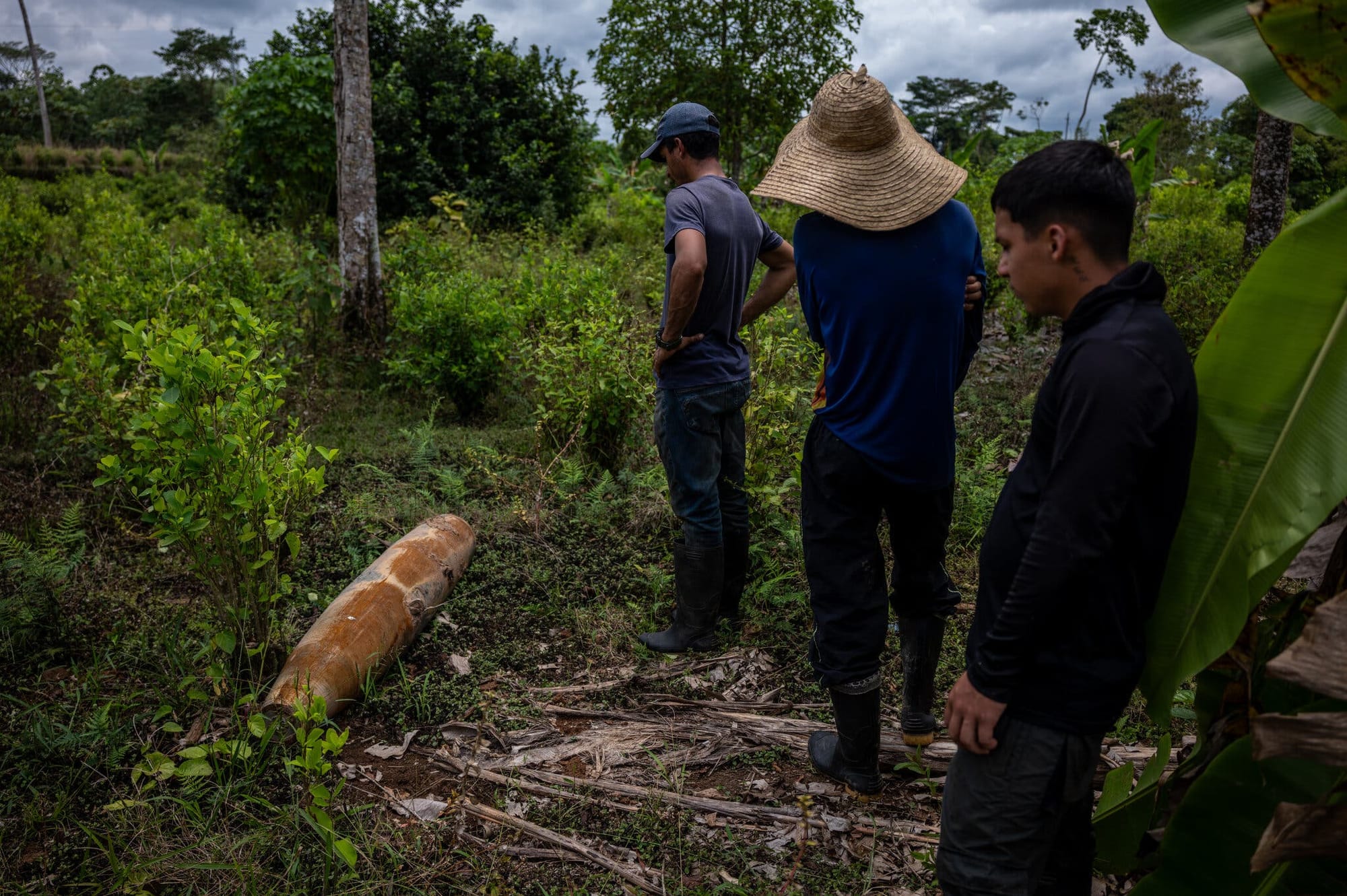
Ecuador’s President Daniel Noboa, who this week launched an intensified US-backed counter-narcotics effort, rejected the allegations, insisting operations were conducted strictly within Ecuadorian territory. The exchange comes amid an ongoing tariff dispute and competing security strategies, with diplomatic channels strained and troops deployed to the border.
Energy security in focus amid Middle East instability
Energy security is regaining urgency across Latin America as global supply risks rise. Four years after Russia’s invasion of Ukraine reshaped policy debates, renewed instability in the Middle East is reinforcing the view in many capitals that resilience must anchor strategy.
Colombia is seeking a US sanctions exemption to invest in Venezuelan electricity and natural gas projects, including the potential reopening of a cross-border pipeline dormant since 2019. President Gustavo Petro has long criticized sanctions on Caracas, but Colombia’s recent shift from gas self-sufficiency to net imports has added economic urgency to his diplomatic positioning.
In Bolivia, President Rodrigo Paz is pursuing a reset with Brazil’s Petrobras under revamped oil and gas regulations designed to restore investor confidence after years of stagnation. The broader pattern is clear: Governments are recalibrating energy policy around supply stability and regional integration, even as geopolitical constraints and sanctions frameworks complicate execution.
Global Macro
Beijing pushes port alliance amid pressure on global trade arteries
China’s President Xi Jinping has pledged to advance an “international port alliance” as Beijing confronts mounting pressure on global shipping routes, from tensions in the Strait of Hormuz to disputes surrounding the Panama Canal, the South China Morning Post reports. Xi initially announced the move in a private meeting last July, and his remarks were made public for the first time early this week.
The initiative signals a more proactive effort to safeguard maritime trade corridors central to China’s export model amid friction with Panama following the annulment of CK Hutchison’s canal port concessions and disruption due to the US-Israeli war on Iran.
Chinese officials have framed the alliance as a mechanism to deepen cooperation along the Maritime Silk Road and insulate supply chains from geopolitical shocks, and the strategy reflects structural calculation rather than short-term reaction. China’s ocean economy now accounts for roughly 8% of GDP, and Beijing is increasingly focused on reducing exposure to chokepoints controlled or influenced by rival powers.
What We’re Reading
Private credit expands in attempt to bolster Nigeria investment (FT)
Senegal to take back assets of phosphate giant ICS (France24)
Tanzania and Uganda agree to remove all trade barriers (The Citizen)
Burundi signs deal with Bezos- and Gates-linked miner (The East African)
Republic of Congo reelects president, extending 42-year rule (AP)
DRC OKs US firm’s deal for cobalt miner in minerals pact boost (Bloomberg)
S&P cuts Botswana’s credit ratings amid weak diamond demand (S&P Global)
Pakistan and Afghanistan pause hostilities after Kabul hospital attack (FT)
Thailand to start building Cambodia border fences next month (Bangkok Post)
Charnvirakul secures second term as Thailand’s prime minister (Thai Enquirer)
Malaysia’s state petrol company to sell Brazil oil field stakes for $450mn (Reuters)
Bosnian Serbs reappoint prime minister for third time in six months (Balkan Insight)
Baltic high-speed rail link delayed as defense takes priority (FT)
Paraguay becomes final South American country to approve Mercosur-European Union trade deal (AP)
Argentina follows US in withdrawing from World Health Organization (Al Jazeera)
Argentina’s wine industry withers on the vine as consumption hits a record low (AP)
Court in Buenos Aires orders blocking of Polymarket in Argentina (Buenos Aires Times)
EBRD weighs support to cushion emerging economies from Iran war fallout (Reuters)
UK–Germany $150mn trade finance push targets Africa’s least developed markets (Business Insider)
We are committed to providing FMN readers with a free weekly digest of politically unbiased, succinct and clear news and information from frontier and small emerging markets.
Please consider becoming a paid supporter to help cover some of our costs and support our continued development of sharp markets-focused coverage and new informational products. Paid subscribers will also gain exclusive access to our quarterly EM/FM report that aggregates EM insights from dozens of major banks, international institutions and consultancies.

Read next


