

🌍 Frontier Markets News, March 13th 2026
A weekly review of key news from global growth markets

Africa
Madagascar’s president sacks government
Madagascar’s military ruler Colonel Michael Randrianirina dissolved his government and dismissed Prime Minister Herintsalama Rajaonarivelo this week, just five months after seizing power, and less than two weeks after completing a diplomatic trip to allies in Europe, Dawan Africa reports. Randrianirina gave no reason for the sudden move and said only that a new prime minister would be appointed “shortly.”
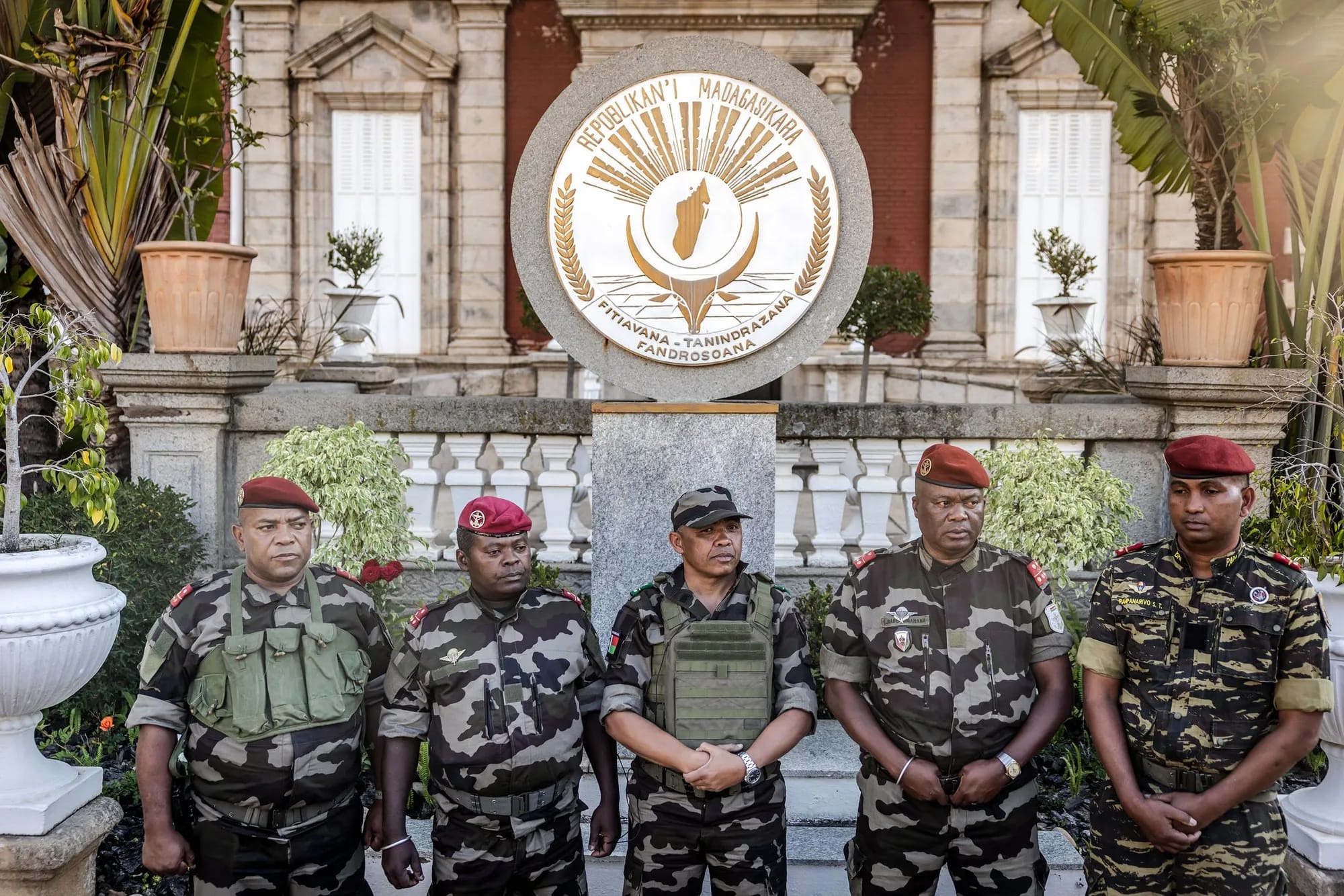
The unexplained cabinet shakeup came hours before the African Union Peace and Security Council was scheduled to convene on Madagascar, and with a deadline for laying out a roadmap to a transition back to democracy already conspicuously overdue. Activist Gen Z and Gen Y movements, whose efforts helped bring Randrianirina to power, had recently called for his resignation.
At the end of February, Randrianirina met Russian President Vladimir Putin at the Kremlin following Moscow’s dispatch of military equipment and support to Malagasy forces. From Russia, Randrianirina went to France where the Malagasy ruler and French President Emmanuel Macron touted a forward-looking partnership based on a transition to democracy, infrastructure investment and security cooperation.
Nigeria clamps down on gasoline imports
Nigeria has suspended the issuance of gasoline import licenses for a second straight month, enforcing provisions of the Petroleum Industry Act that allow imports only when domestic supply falls short, CNBC reports. The Dangote Refinery had sued both the regulator and state-owned oil company NNPC to force that halt, arguing import licenses were undermining local refiners.

The move is a significant win for Dangote, which is the sole domestic gasoline producer operating at scale, but it comes at an inopportune time for consumers. Since US-Israeli strikes on Iran began, the refinery has been raising gasoline prices in response to surging crude oil prices.
Ghana angles for higher gold revenue share
Ghana pressed ahead this week with a new sliding-scale gold royalty regime, brushing aside a rare joint diplomatic push from the US, China and several Western governments to halt it, Reuters reports. The new system replaces the flat 5% rate with a scale that reaches 12% when gold, which is currently trading near $5,100 per ounce, exceeds $4,500.
Minerals Commission chief Isaac Tandoh dismissed concerns that Ghana was becoming uncompetitive, arguing that investors prioritize regulatory stability over marginal cost shifts.
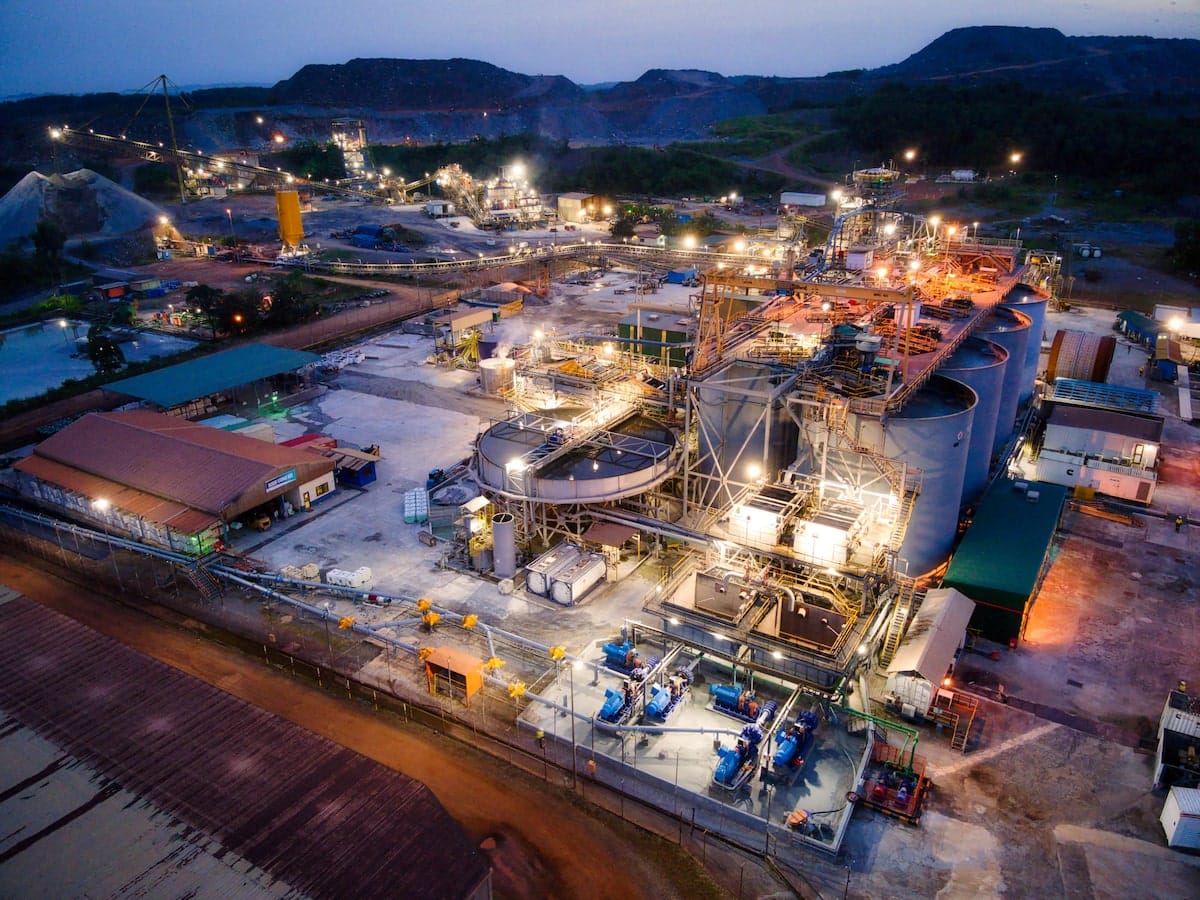
The royalty reform comes as Ghana’s regulators face a challenge in their attempts to formalize the artisanal and small-scale mining (ASM) sector, which produces over half of Ghana’s total gold export earnings. At prices above $4,000 per ounce, marginal and informal “galamsey” operations become hyper-profitable, driving an explosion in illegal activity.
Asia
Former rapper set to become Nepal’s PM
A political party led by a rapper-turned-mayor of Kathmandu has won the largest electoral mandate in the history of Nepal’s democracy, the BBC reports. The result positions Balendra Shah, 35, to become Nepal’s youngest-ever prime minister.
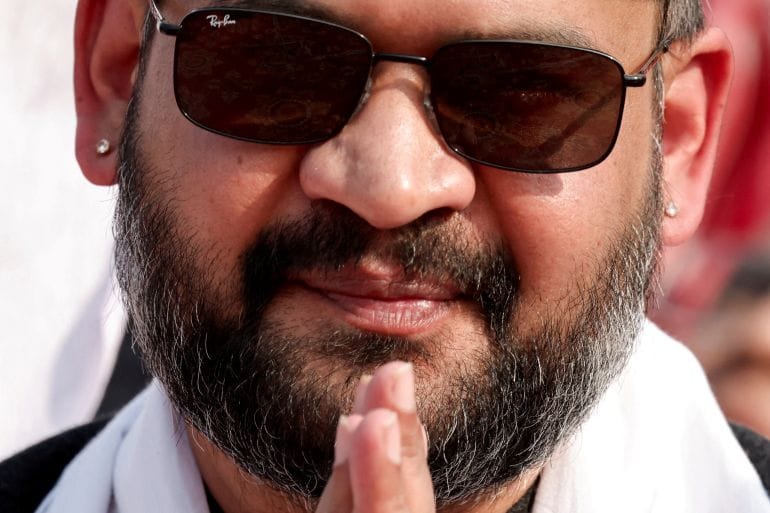
Shah’s Rastriya Swatantra Party won nearly two-thirds of the seats in Nepal’s lower parliament, although it does not have a seat in the legislature’s upper house. That means Shah, who rode a wave of Gen Z protests to power, will likely have to compromise to craft legislation, the New York Times reports.
Shah is the first leader to successfully convert generational discontent into political leadership, despite waves of similar protests in Asia. In Bangladesh, youth-led protests ousted then-prime minister Sheikh Hasina in 2024, only for voters last month to elect the scion of a political dynasty as her replacement.
Bhutan sells half its bitcoin reserves
Bhutan has quietly sold down more than half of its reserve of bitcoin, including $42.5 million so far this year, Coindesk reports. On Monday, Bhutan sold almost $12 million of bitcoin.
The country is facing economic headwinds. Youth unemployment is high, and tax revenues have fallen since the Covid pandemic. Its economy typically relies on tourism and hydropower exports to India, but it has big plans for bitcoin. It is using its reserves of the cryptocurrency to develop a city near the Indian border, Nikkei reports.

Bhutan began accumulating bitcoin in 2019 and continued building its stockpile until 2024. The country, whose GDP measures $3 billion, once held $1.5 billion in the cryptocurrency, although that number has since fallen due to sales and bitcoin’s declining value.
Humanitarian crisis worsening in Afghanistan
The war in Iran is threatening to worsen a humanitarian crisis in Afghanistan that has grown acute amid border clashes with Pakistan, UN News reports.
- China to fund $57mn development on Tajikistan’s border with Afghanistan (Times of Central Asia)
Afghanistan’s border with Pakistan has been closed since the two countries began warring last month, while its trade route through Iran is now “increasingly uncertain.” More than 5.5 million Afghans have returned to the country since 2023, stressing its infrastructure and creating $1.71 billion in humanitarian need, according to the UN.
The US may not support that fundraising. On Monday, US ambassador to the UN Mike Waltz told a Security Council meeting that the utility of international assistance to Afghanistan should be “evaluated” in light of the Taliban’s “intransigence,” Reuters reports.
Middle East
Bahrain in turmoil as Iran war intensifies
After almost two weeks of joint Israeli-US attacks on Iran, Bahrain increasingly appears to be a focal point of Iranian retaliation. An island host to the largest US naval base in the Middle East and connected to mainland Saudi Arabia via a single bridge, Bahrain has come under withering Iranian drone and missile fire that has severely disrupted its oil production and refining activities.
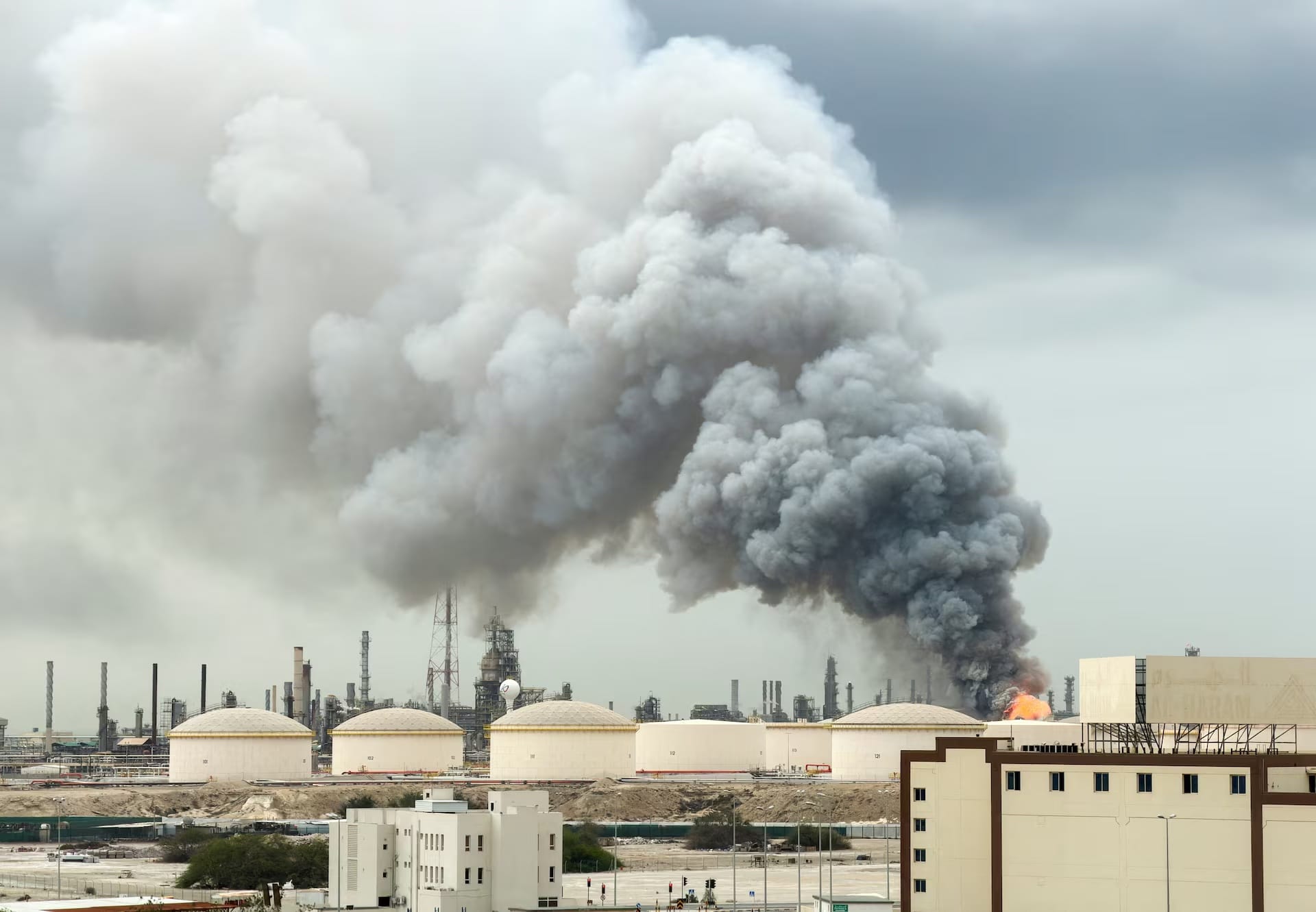
Bahrain, whose sovereign credit rating was downgraded just weeks ago, will face heightened debt sustainability issues that will increase pressure on its finances.
The war in Iran has also prompted rare public protests in the tiny island nation. A majority Shia country ruled by a Sunni royal family, Bahrain has experienced severe social unrest since the assassination of Ayatollah Ali Khamenei, prompting the government to deploy security forces to crack down on the demonstrators.
Lebanese bond rally crumbles as Israel expands offensive
Lebanon’s bonds this week reversed their recent surge to a high of $29.5 cents, falling nearly 10% to $26.4 cents as opportunistic hedge funds appeared to lose faith in their view that the Israel-US war against Iran could help accelerate a debt restructuring in Lebanon.
Lebanon’s government initially tried to find common ground with Israel, banning Hezbollah’s activities through executive order and ordering the army to confront the militant group. Disagreements over how to do so, however, reportedly prompted Prime Minister Nawaf Salam to consider firing Lebanon’s army commander, sowing doubt about the ability of the government to control the situation.
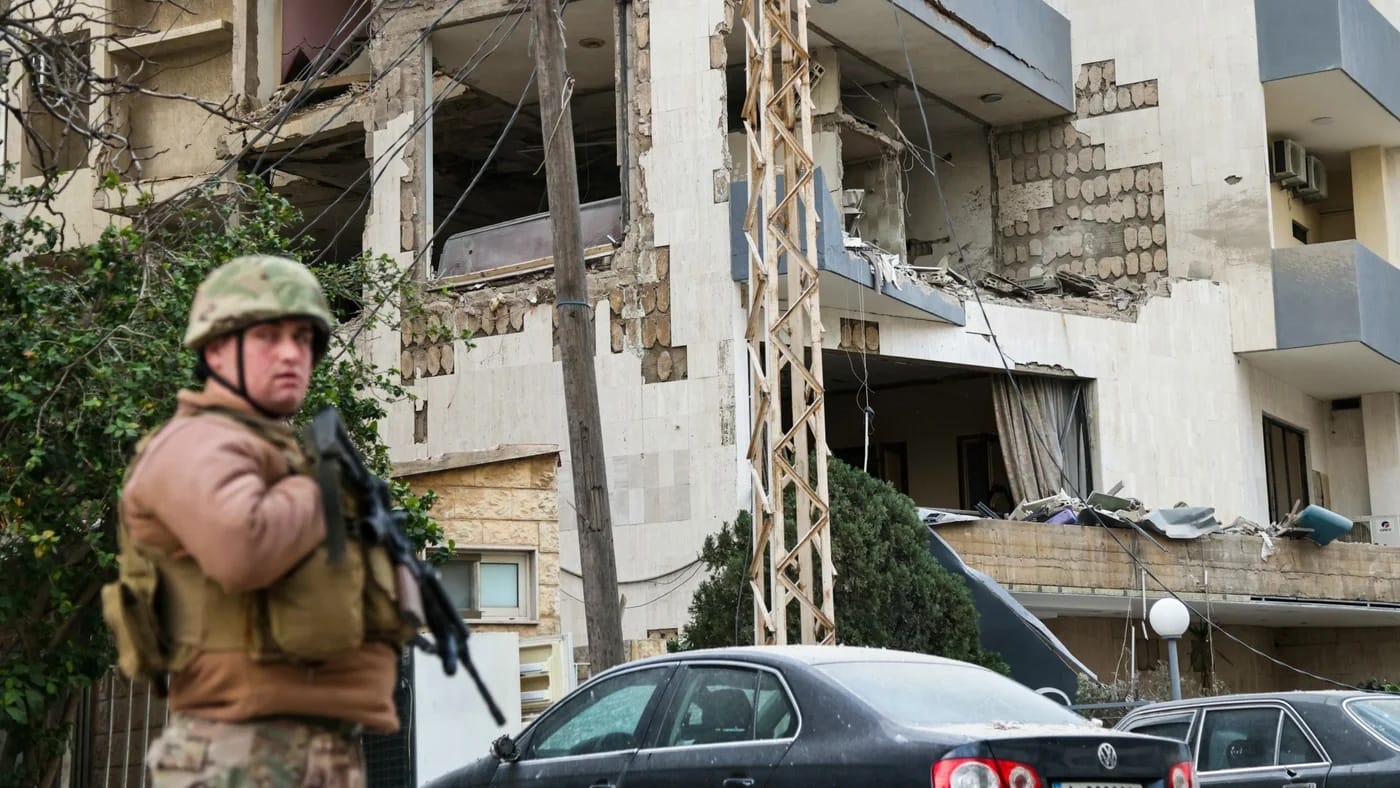
In the meantime, Israel has expanded its offensive beyond the border region, resulting in the displacement of more than 700,000 people and threatening the stability of President Joseph Aoun’s nascent government. Lebanon has asked the US for mediation and requested a ceasefire, which Israel has rejected.
Europe
Czech PM Babiš scales back defense spending to support healthcare
The government of the Czech Republic’s billionaire populist Prime Minister Andrej Babiš this week passed a budget that scales back defense spending and increases funding for the country’s healthcare system, the Washington Post reports.
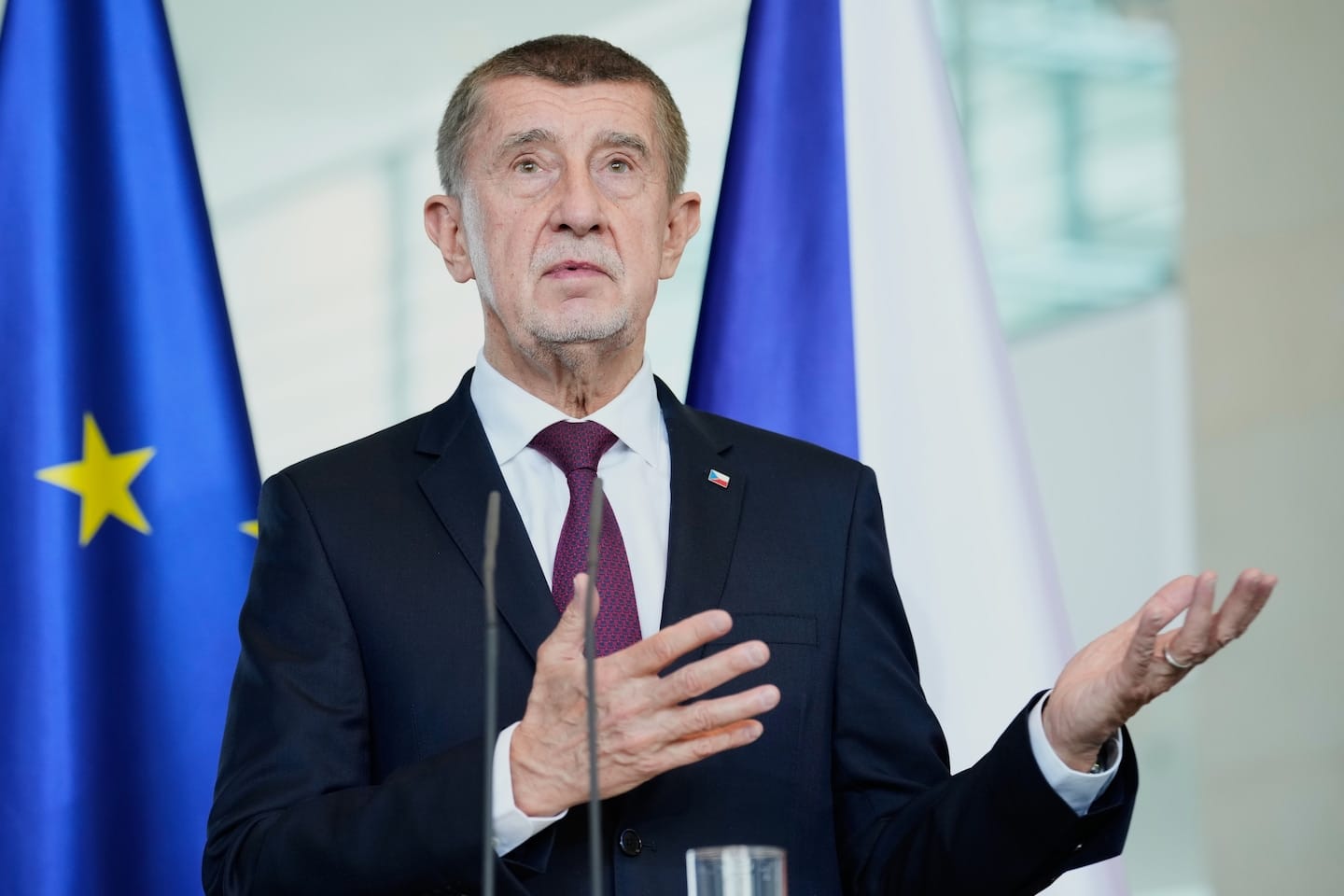
Babiš, elected in December last year, centered his campaign on reducing support to Ukraine and plans to cut defense spending to 1.7% of GDP, below NATO’s 2% minimum. The reduction could place the country among the lowest defense spenders in NATO, drawing a sharp warning from US ambassador to Prague, Nicholas Merrick.
The Czech Republic’s new budget will raise the deficit slightly from 2% to 2.02%. Since Babiš’ election, ratings firm Fitch affirmed the country’s credit rating at AA- owing to stable economic growth and lower inflation. Global advisory firm Deloitte also gave the Czech Republic a positive economic assessment projecting economic growth to increase from 2.5% in 2025 to 3.1% in 2026.
Croatia unveils new oil refinery and seizes growing role in region’s energy dynamics
Croatia this week stepped up its energy security with the inauguration of a €700 million heavy residue oil refinery, one of the largest energy projects in the country in the past decade, Balkan Insight reports. The Rijeka refinery can process heavier crude oil residues into diesel or gasoline, and could increase Croatia’s diesel production by as much as 30%, according to Croatian oil company INA, which owns the plant.
Hungarian oil firm MOL Group holds a controlling stake in INA. Croatian and Hungarian officials celebrated the plant’s opening and signed an agreement to support construction of a green hydrogen production facility at Rijeka, which could come online in 2027.
- Hungary demands EU lift sanctions on Russian energy as prices spike amid Iran war (Euro News)
- Croatia resumes compulsory military service after almost 20-year break (Balkan Insight)
Croatia has become an increasingly important provider of energy to Hungary and Slovakia, since a Russian attack on January 27 damaged the Ukrainian pipeline that delivers Russian oil to the two countries.
Latin America
Ecuador to ramp up military attack on ‘criminal economy’
Ecuador’s interior minister John Reimberg this week said the country had enlisted the US to help intensify its military campaign against criminal networks, Al Jazeera reports. As part of the operation, curfews will be imposed across much of the country to “limit collateral damage,” Reimberg said.
US military personnel are reportedly providing intelligence and operational planning but will not be directly engaged in combat.
- Paraguay lawmakers approve defense agreement allowing an increased US military presence (AP)
Ecuador’s President Daniel Noboa, who has tied his political brand to a hardline security crackdown, framed the operation as the beginning of a “new phase” in the fight against narco-trafficking and illegal mining.
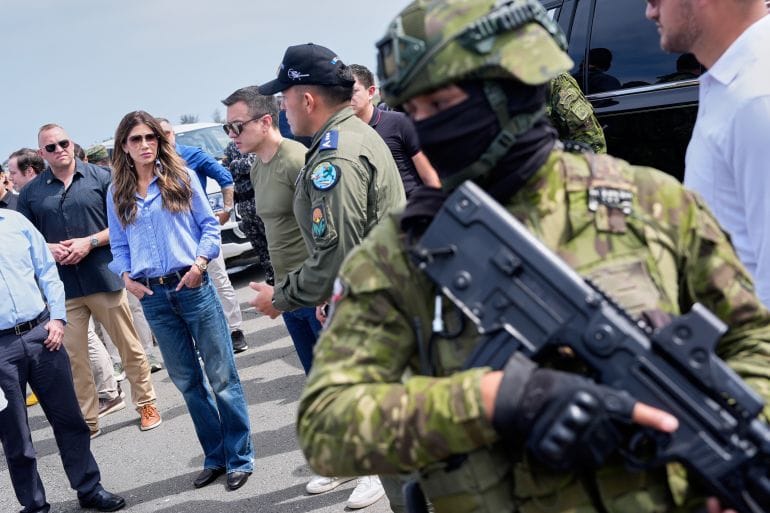
Noboa is betting that deeper US cooperation will stem cartel violence without inflaming a nationalist backlash. Regionally, Washington’s expanding footprint is blurring the line between law enforcement and military intervention, raising the geopolitical temperature at a time when several Latin American governments are recalibrating relations with both the US and China.
Colombian legislative fragmentation looks set to continue after senate elections
Colombia’s ruling Historic Pact party has won the most seats in the country’s legislative election but failed to secure a governing majority, almost certainly forcing the country’s next president to form a coalition government, Reuters reports. With right-wing and centrist parties splitting the remainder, no bloc commands decisive control in either chamber.
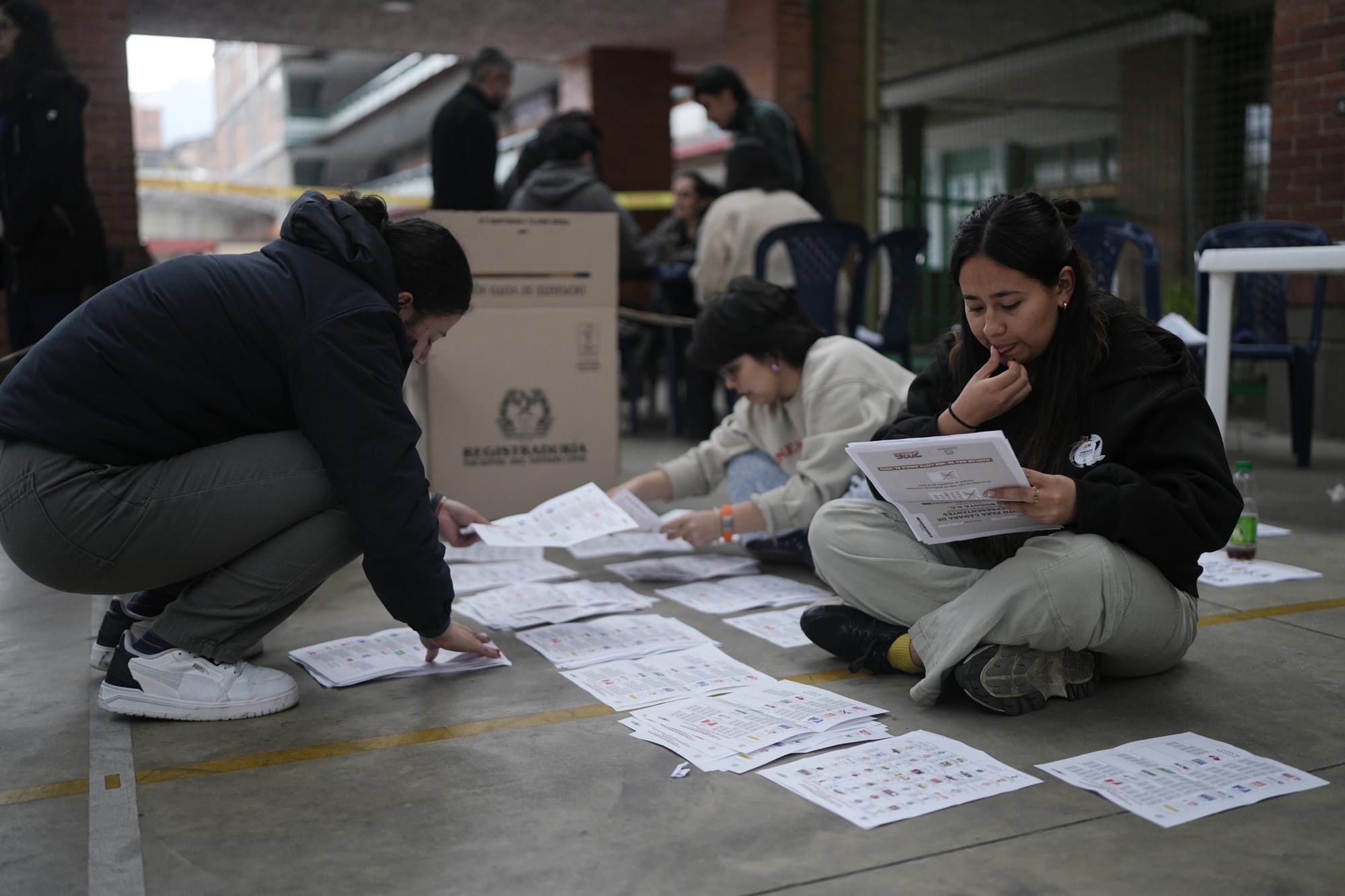
In late May, Colombians return to the polls to vote for a new president. Leading candidates include Ivan Valencia, an ally of incumbent president Gustavo Petro, and Paloma Valencia, whose Democratic Center party won the second-most seats on Sunday.
Regardless of who wins the presidential election, the result of the legislative election points to continued fragmentation and limited scope for sweeping reforms, reinforcing a pattern of institutional gridlock rather than ideological dominance.
Chile’s new president leans towards Washington
Chile’s newly inaugurated president, José Antonio Kast, this week moved quickly to signal tighter alignment with Washington, preparing agreements on critical minerals and security cooperation within days of taking office, Bloomberg reports. The pivot comes as the US intensifies efforts to secure alternative sources for copper and lithium and reduce reliance on China.
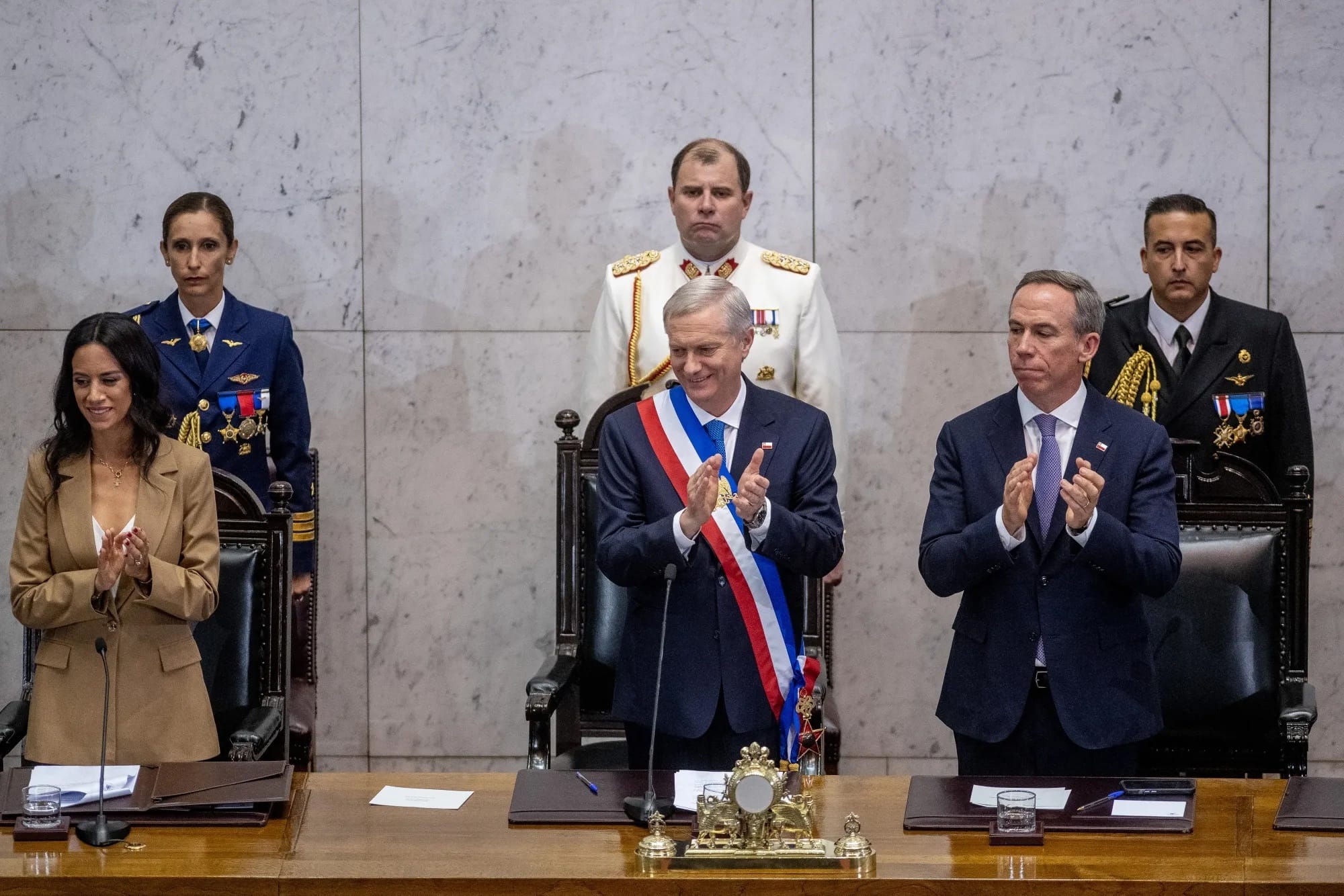
Chile’s move is a departure from its traditional balancing act between its two largest trading partners. Tensions over a proposed Chinese-backed fiber-optic cable project and recent US visa restrictions on outgoing officials highlight the challenge in maintaining a neutral stance. For Chile, closer ties to Washington may bring strategic and investment gains, but they also embed the country more directly in escalating US-China competition.
What We’re Reading
Senegal shuts down 19 government agencies to cut costs (See News)
Côte d’Ivoire National Investment Bank to channel diaspora funds into investment (EcoFin)
US nears deal to resume intelligence operations in Mali (Reuters)
Opposition protests as Guinea dissolves 40 political parties (Reuters)
Bank of Ghana’s GH¢17 billion liquidity intervention ‘drives inflation to record low’ (MyJoyOnline)
Somali president signs revised constitution, formalizing five-year mandate for federal institutions and extending his term (Hiraan Online)
Kenya mulls $1.7bn rail extension to ex-Tullow oil fields (Bloomberg)
Zimbabwe seeks partners for $200mn satellite project (Bloomberg)
Mercedes mulls sharing South Africa plant with China’s GWM (Bloomberg)
Amid tensions with Algeria, Morocco becomes Africa’s top arms importer, (RFI)
Mideast conflicts shakes Philippines bonds (Bloomberg)
Indonesia to restrict social media for under-16s (Nikkei)
Iran war threatens Thai tourism downturn as impact spreads to Europe (Nation Thailand)
Kremlin backs covert campaign to keep Hungary’s Viktor Orbán in power (FT)
Poland to build EU’s first anti-drone shield (FT)
US strikes on Venezuela may be pushing drug trafficking through Guyana (Insight Crime)
Chevron and Shell ‘close to first big oil production deals’ in Venezuela since US captured Maduro (Reuters)
China’s Cosco halts Panama port operations as tensions rise (Business Times)
Panama’s tourism surge in 2025 puts Costa Rica on notice (Tico Times)
Bolivia revives US alliance (Bloomberg)
Argentina’s bond rally limited by junk label and war fallout (Bloomberg)
We are committed to providing FMN readers with a free weekly digest of politically unbiased, succinct and clear news and information from frontier and small emerging markets.
Please consider becoming a paid supporter to help cover some of our costs and support our continued development of sharp markets-focused coverage and new informational products. Paid subscribers will also gain exclusive access to our quarterly EM/FM report that aggregates EM insights from dozens of major banks, international institutions and consultancies.

Read next


