

🌍 Frontier Markets News, January 9th 2026
A weekly review of key news from global growth markets
Africa
Protests grow as entrenched leaders dig in
Africa entered 2025 with the hangover of debt stress and political volatility still fresh, but the year quickly resolved into competing narratives. Incumbent leaders tightened their grip—or clung on to power—through choreographed elections and constitutional tweaks even as youth movements tested regimes in the streets, and a commodity-backed rebound restored a measure of fiscal and currency stability.
At the same time, a wider cast of external powers treated Africa less as a peripheral risk and more as a contested opportunity. By year-end, debates that once lived in credit-rating committee rooms and IMF program documents had migrated onto a global stage, culminating in Johannesburg’s G20 summit and a louder push to rewrite the rules of capital engagement.
Electoral pantomime, youth protest
Leaders across the continent ramped up their use of sham elections to extend or cement power, and the year saw yet more coups and attempted coups. In Guinea, a new constitution approved in a tightly controlled referendum opened up the presidential elections to the 2021 coup leaders. Zimbabwe’s parliament extended presidential term limits while Chad’s parliament scrapped them entirely.
Cameroon’s 92-year-old President Paul Biya extended his decades-long rule in disputed elections, as did Burundi’s President Évariste Ndayishimiye’s CNDD-FDD party, in power since 2005.
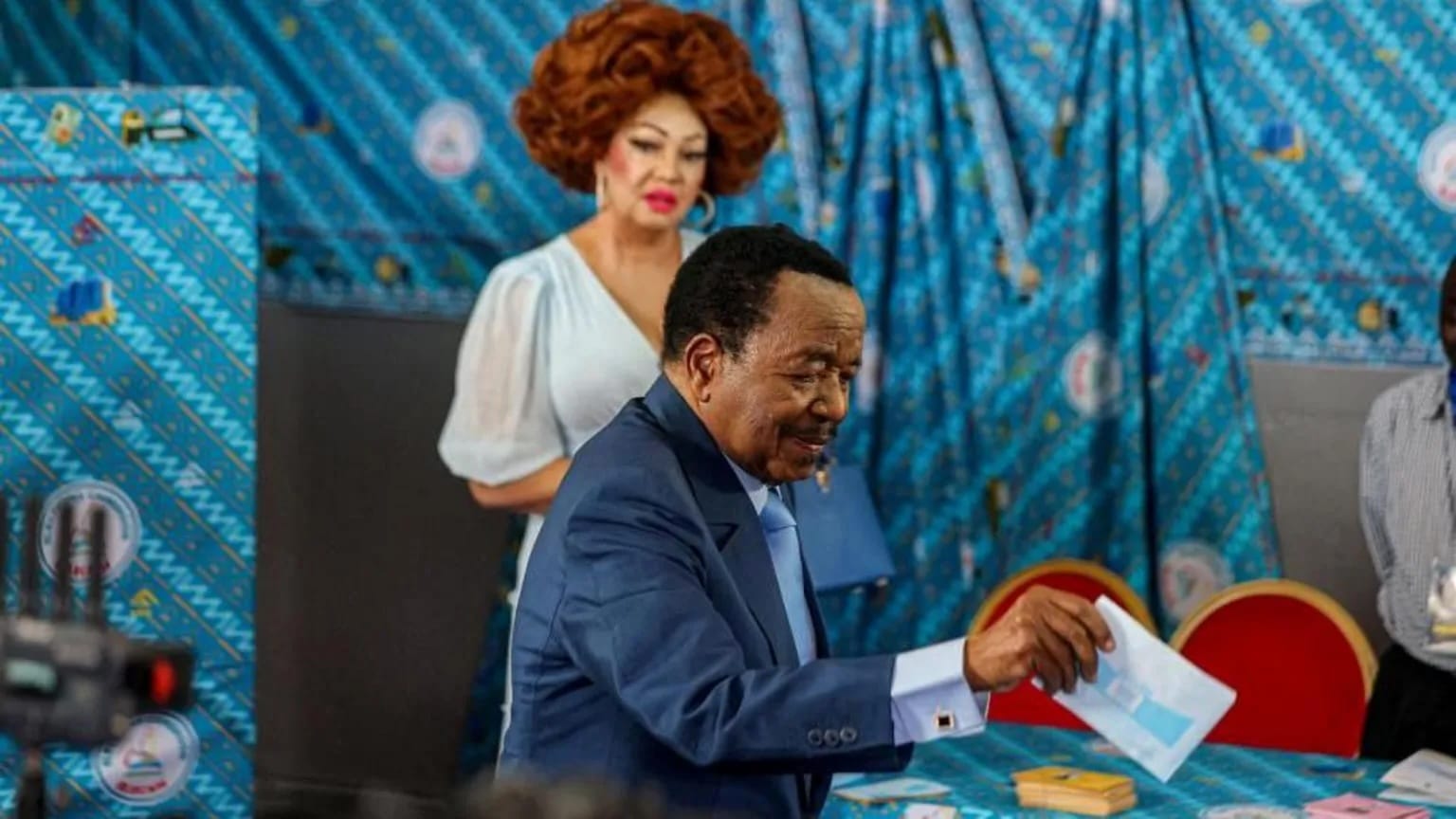
Côte d’Ivoire’s President Alassane Ouattara secured a controversial fourth term, and Egyptian President Abdel Fattah al-Sisi pushed through electoral changes that cemented his party’s control of parliament. In the Central African Republic, President Faustin-Archange Touadéra won a controversial third term under a revised constitution, backed by Russia-linked security forces.
Benin, long viewed as a West African democratic bright spot, saw a coup attempt in early December that was foiled. In Guinea-Bissau, a November coup installed Colonel Horta Inta-A Na Man as president days before election results were due to be announced.
Set against that top-down entrenchment was a bottom-up generational revolt. Youth-led protests in Morocco over unemployment, poor services and lavish World Cup spending morphed from online campaigns into street clashes that left casualties and hundreds arrested. In Tunisia, demonstrations over pollution in Gabès and a grinding socioeconomic crisis added a new chapter to the post-Arab Spring story. Tanzania, once seen as a reform bright spot, lurched into outright repression after President Samia Suluhu Hassan claimed 98% of the vote in a tightly controlled election, then followed with a deadly crackdown on largely youthful protesters.
The most dramatic turn came in Madagascar, where Gen Z-led protests over blackouts, water shortages and corruption forced the dissolution of the government and culminated in a military coup, exiling President Andry Rajoelina and installing a junta that has promised an eventual transition back to democracy.
Middle East powers eye African opportunities
Money and resources continued to flow into Africa from a smattering of global players. Middle Eastern nations in particular provided a torrent of capital. Egypt secured a $29.7 billion tourism deal with Qatar’s Qatari Diar, following a $35 billion real estate deal with the UAE in 2024. Morocco penned a $14 billion water and energy infrastructure partnership with a UAE-backed consortium, billed as the country’s largest-ever private investment. Saudi Arabia’s Midad Energy signed a $5.4 billion oil and gas deal with Algeria.
Meanwhile, China scrapped tariffs on exports, exchanged US dollar-denominated sovereign debt for yuan and pressed ahead with major infrastructure projects. India grew its role in financing and diplomacy, Japan made sweeping development commitments, Turkey quietly advanced in construction, Russia expanded military influence across the Sahel and the US renewed Lobito Corridor investments while bombing Nigeria and Somalia, imposing travel restrictions on 40 countries and extending tariffs across much of the continent.
Economic bounce-back, resource standoff
Economically, 2025 was a year of remarkable momentum for many African nations on the back of commodity rebounds in the second half of the year, buoyant private consumption, a weaker dollar and mostly effective fiscal consolidation efforts from previously defaulted countries.
Zambia, emerging from a painful debt restructuring, saw its economy grow by 6%, with its currency, the kwacha, becoming one of the continent’s best-performing thanks to a rebound in copper production. Record gold and cocoa prices bolstered the economies of Ghana and Mali, while stabilizing oil prices benefited producers such as Nigeria and Angola. Those terms-of-trade gains rebuilt FX reserves and paved the way for central banks to relax monetary policy.
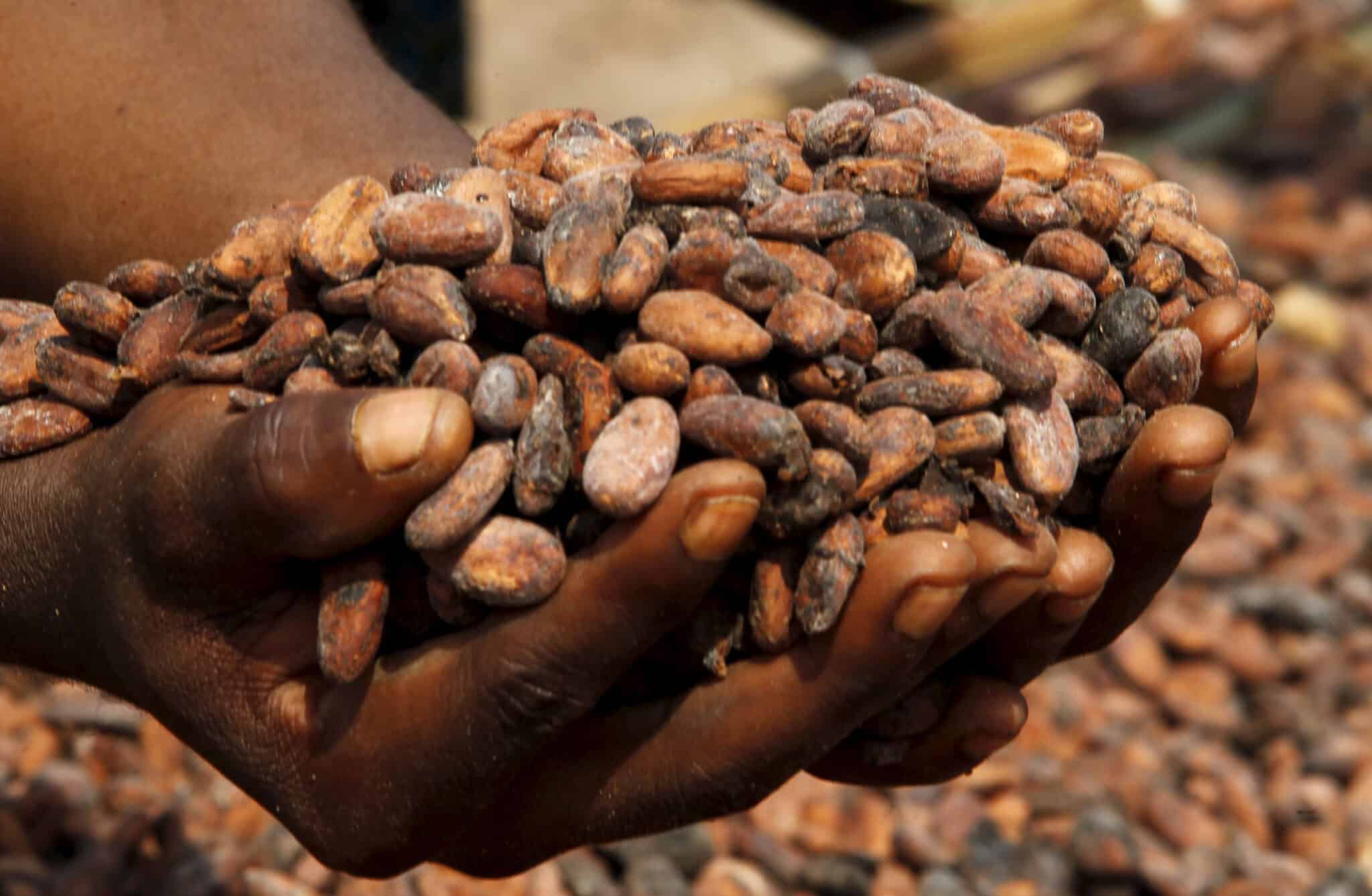
Commodity price gains also coincided with a wave of resource nationalism that included the Democratic Republic of the Congo’s cobalt export pauses, Mali’s confrontation with Barrick Gold, Botswana’s negotiations with De Beers for control of diamond production and Niger’s nationalization of uranium assets. The moves reflected a deeper determination to capture more value at home, albeit at the risk of chilling future investment. —Noah J. Lindenberg
Asia
Growth fears prove unfounded
When US President Donald Trump announced his global tariff strategy in April, it appeared as though Asia’s frontier economies would experience their strongest headwinds in years. Many countries in the region rely on exports for economic growth and count the US as their largest customer. Proposed tariffs nearing 50% could have threatened the livelihood of millions.
Instead, many are set to record their highest ever surpluses with the US. Even though the US tariff rate is at its highest level in decades, several frontier economies in Asia secured trade deals with Washington that brought them down to a more manageable level, with many countries facing tariffs of around 20%.
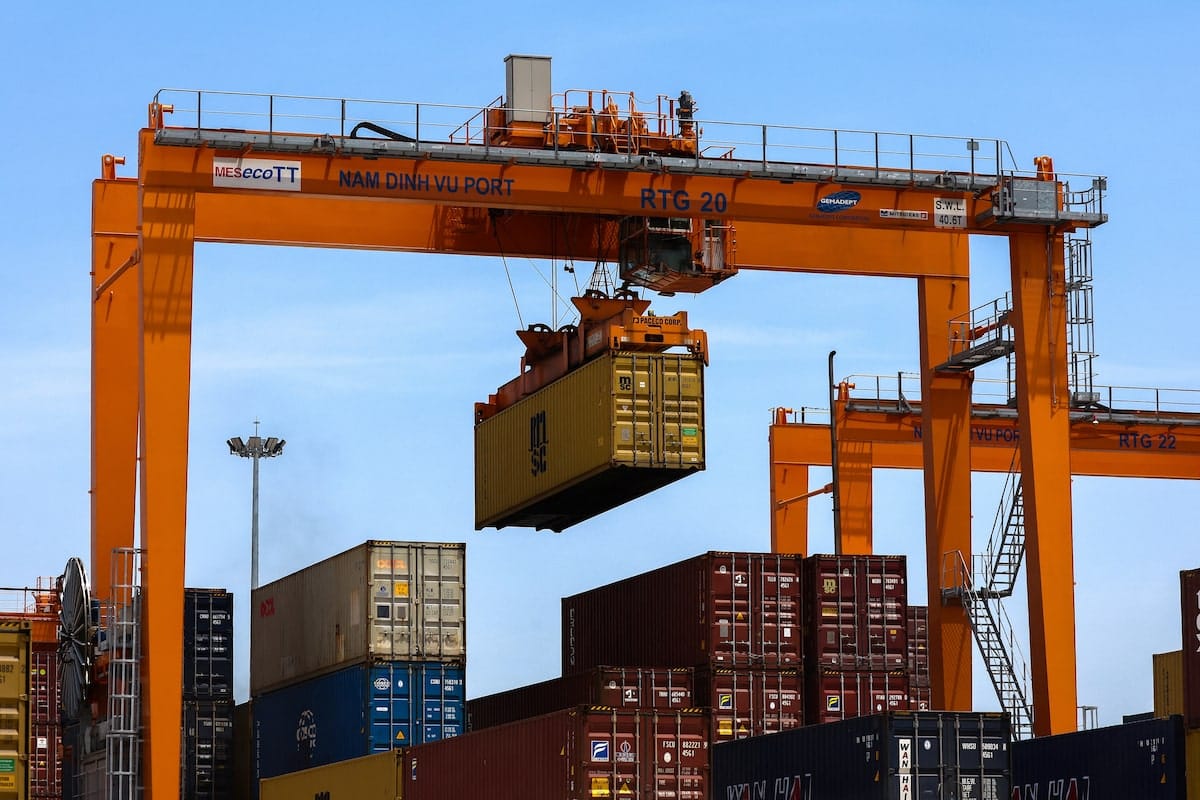
Southeast Asia is now set to record one of the world’s highest rates of 2025 GDP growth at 4.3%, according to the IMF. But an outstanding question for the coming year is how the US will enforce language that sets higher rates on goods deemed transshipped—an allusion to Chinese-origin goods—especially as Chinese companies expand in Southeast Asia, and Washington walks a tightrope of competition with Beijing.
Even as they navigated the threat of economic Armageddon, frontier economies in the region still had to confront the costs of climate change in 2025. Floods racked South and Southeast Asia, causing immense damage and displacing millions across Indonesia, Sri Lanka, Thailand and Vietnam. They will have to make do with less international money dedicated to climate finance next year: in March, the US pulled out of the Just Energy Transition Partnership, a program that was set to funnel billions of dollars in financing to Indonesia and Vietnam.
War also reared its head in 2025. Cambodia and Thailand came to blows, putting sectors of each of their economies at risk. Pakistan and Afghanistan also traded airstrikes, while civil conflict continued to rage in Myanmar, where military-backed parties secured an electoral mandate in internationally derided elections as the year came to an end. —Noah Berman
Middle East
Shifting power dynamics and economic restructuring
In 2025 the Middle East saw dramatic changes in the regional balance of power, opening the door to both new economic possibilities and geopolitical challenges. With the collapse of Bashar al-Assad’s government in Syria, the gridlock-breaking election of a president in Lebanon, and the joint US-Israeli campaign against Iran’s nuclear and missile program, the region has seen Iranian power ebb.
At the same time, the countries of the Gulf Cooperation Council have been playing a more proactive role on the regional—and the global—stage. Qatar, the UAE and Saudi Arabia have all been in the limelight over the past year, increasingly involved in attempting to resolve geopolitical challenges far from their own borders. All three have been working hard to deepen their relationships with the new Trump administration to increase their sway in the region.
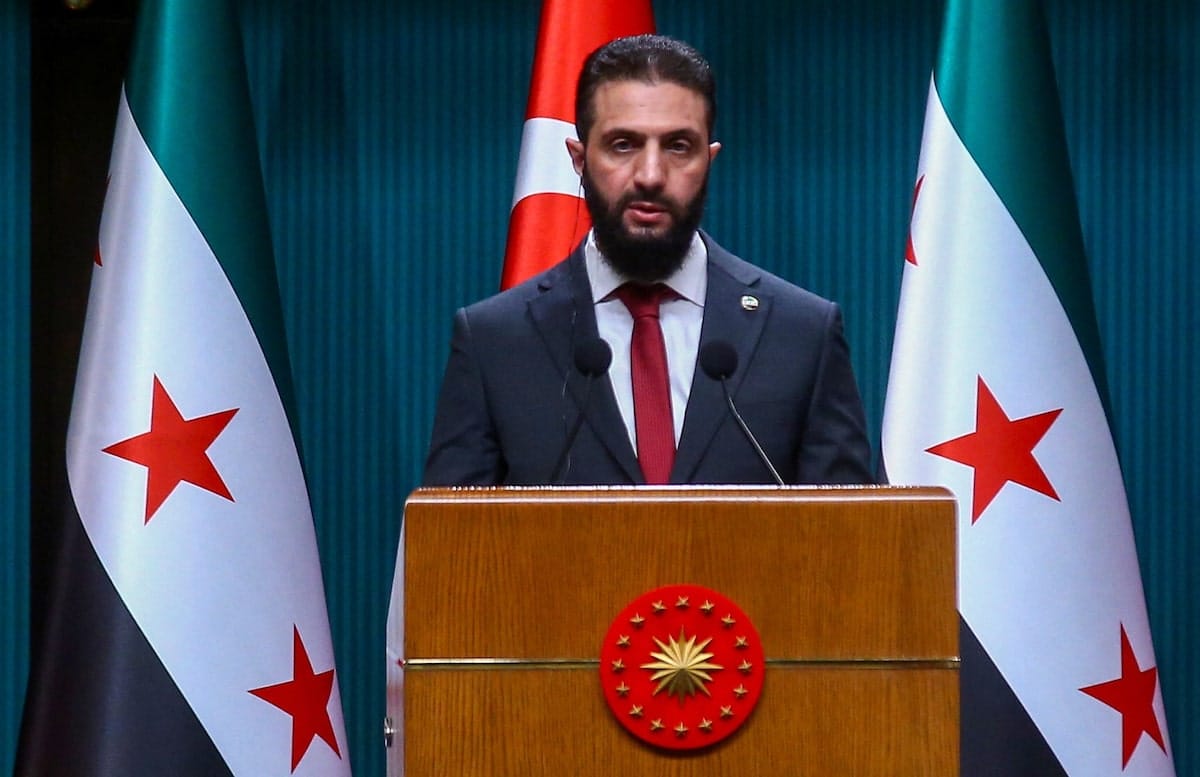
In Syria, the former Assad regime has given way to an elected parliament and transitional presidency dominated by leader Ahmed al-Sharaa’s Hay’at Tahrir al-Sham (HTS), which has since reengaged with the Arab League and repaired bilateral relations with the Gulf. A daunting reconstruction bill has been partially met by commitments from multilaterals such as the World Bank. Foreign direct investment in energy and transportation infrastructure from regional allies, especially Qatar, has helped tilt Syria away from Iran back toward the Gulf.
Lebanon’s election of a new government committed to militarily and politically weakening Hezbollah has yielded political results in the form of key financial sector and central bank reforms, as well as economic progress in terms of deficit and inflation reduction. Optimism around Lebanon’s future has been reflected in the market by a huge rally on its defaulted sovereign bonds—among the best performing EM assets this year. Next year, Lebanon’s government has to make good on its promises to secure an IMF program, restructure its bonds, and repay domestic bank depositors by reconciling the estimated $80 billion hole in the financial sector.
Saudi Arabia pays a high price for success
Far and away the clear geopolitical winner in 2025 was Saudi Arabia. With its rival Iran struggling with an economic crisis and militarily on the back foot abroad, Saudi’s use of its economic clout to bring home security guarantees and arms deals with the US and Pakistan has strengthened its position relative to regional peers. Agreements with the US private sector on AI joint ventures, semiconductor supply, critical minerals, and civil nuclear energy, are to be followed through next year, likely continuing its streak of posting strong non-oil GDP growth.
These agreements, however, have proven costly, pushing the deficit at the end of the year far above initial projections, and prompting another record year of debt issuance. With oil prices below Riyadh’s balance of payments break-even price, and Vision 2030 “megaprojects” such as Neom facing cost overruns and delays, next year, Saudi Arabia faces the challenge of recalibrating its spending habits and stepping back from a public investment-led economic model.
A growing bright spot in the region this year has been Oman, which has seen strong non-oil GDP growth, responsible budget management, and a bet on its burgeoning tourism industry be rewarded with major upgrades to its sovereign credit rating. A strategy of private sector reforms, including the privatization of its oversized state-owned companies, and investment into local SMEs is producing dividends. Whether Oman can continue this success this year in the face of weakening regional stock markets and low energy export prices remains to be seen, but both the IMF and sovereign credit ratings firms are optimistic. —Nojan Rostami
Europe
Polls and protests
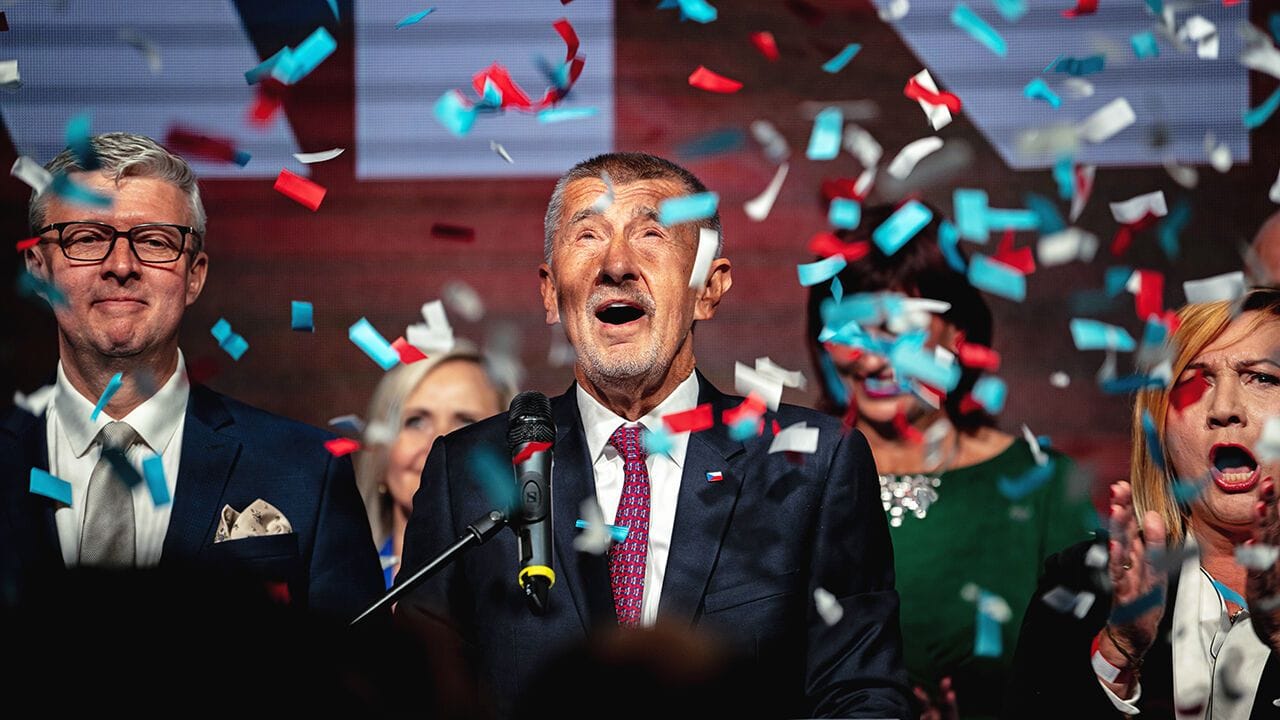
Elections in emerging Europe this year captured more global attention as the region continues to wrestle with how to respond to Russian aggression against Ukraine. In the Czech Republic, billionaire EU-skeptic Andrej Babiš, who led the country from 2017 to 2021, achieved a remarkable political comeback with promises to push the country to the right and to cut funding for Ukraine. In Romania, the liberal, pro-EU mayor of Bucharest Nicușor Dan won the presidency, promising to tighten the country’s ties with the West.
The region saw a sharp rise in popular protests in 2025, too, with many Central and Eastern Europeans taking to the streets. Citizens of Bulgaria and Serbia took part in the largest protests their respective countries have experienced in years as demonstrators campaigned against corruption and called for improved government transparency. Crowds marched in opposition to Hungary’s government after videos of abuse at juvenile centers were released, piling pressure on the country’s Prime Minister Viktor Orbán, who faces a difficult reelection bid this spring.
Europe and the US diverge on Ukraine
After almost four years of war, a peace deal in Ukraine remains elusive. The efforts by Ukraine’s two strongest allies, the EU and the US, diverged over the past year, with the EU focusing on supporting Ukraine’s economy and defense capabilities and the US pushing it hard to accept a peace deal.
Both courses have been largely fruitless. The EU has failed to advance a proposed reparations loan to Ukraine backed by frozen Russian assets. Instead, EU members will jointly borrow to deliver a €90 billion loan. The Czech Republic, Hungary, and Slovakia will abstain from funding the deal, in line with their leaders’ euroskepticism, but will not veto it.
Erdoğan raises Turkey’s profile
Turkey’s President Recep Tayyip Erdoğan has leveraged Turkey’s membership of a range of geopolitical groupings to grow the country’s strategic influence and create economic opportunities. Erdoğan’s efforts to position the country as a power broker—and a peace broker—have been helped by the Trump administration’s willingness to support Turkey’s role as a stabilizer in the Middle East.
How far Erdoğan can push his vision will be determined by the tenacity of his centralized rule at home as well as Turkey’s growing rivalry with Israel, Foreign Affairs reports. —Elsabet Jones
Latin America
The populist reckoning
Latin America’s economic narrative in 2025 was dominated by a swing to the right, as voters across the region embraced populist leaders promising radical solutions to deep-seated problems of inflation, insecurity, and stagnant growth. The year saw a series of high-stakes political experiments unfold, most notably in Argentina, where President Javier Milei’s “chainsaw” reforms captured global attention. This shift occurred against a backdrop of a more assertive US under a second Trump administration, creating a complex mix of domestic upheaval and external pressure.

While the region’s economies showed surprising resilience to global headwinds, the social and political costs of these new, often abrasive, governance models began to mount. The dominant theme was a trade-off: a pursuit of market-friendly orthodoxy and hardline security policies at the expense of social consensus and, in some cases, institutional stability.
Argentina’s initial market euphoria gave way to a painful economic adjustment, while Chile’s decisive electoral turn to the right signaled a rejection of the prior government’s progressive agenda. Colombia’s ambitious energy transition faltered under the weight of its economic costs, highlighting the difficult choices facing the region’s commodity-dependent economies.
Meanwhile, the global rush for critical minerals continued to reshape Latin America’s economic geography. The lithium-rich nations of the Southern Cone pushed ahead with ambitious extraction plans, navigating a complex geopolitical landscape dominated by the competing interests of the US and China. This underscored a broader trend of strategic realignment, as countries sought to capitalize on the shifting dynamics of the global order.
The year ahead
2026 is set to be a year of reckoning for the region’s new populist leaders. The key question will be whether their radical reforms can deliver sustainable economic growth without triggering a social and political backlash. In Argentina, President Milei will face the challenge of navigating a likely recession and growing social unrest, while in Chile, the new right-wing government will have to contend with a divided congress and the legacy of social demands from the 2019 protests.
The economic divergence between the region’s major economies is likely to widen. Countries that can maintain fiscal discipline and attract investment will likely outperform. Others, such as Colombia, face a more precarious path, struggling to balance ambitious social and environmental goals with fiscal realities. The shadow of the Trump administration will loom large, with the threat of tariffs and a more transactional US foreign policy creating both risks and opportunities.
Finally, the geopolitical competition between the US and China for influence and resources in the region will intensify. Latin American nations will be increasingly forced to make difficult choices, navigating the crosscurrents of a multipolar world. Their ability to manage these external pressures while addressing their own domestic challenges will be the defining feature of the year to come. —Ken Stibler
Global Macro
Opportunity in the cracks
For emerging markets as an asset class, 2025 was the year the post-Cold War consensus truly fractured. The return of Donald Trump to the White House, with his “America first” agenda, acted as a powerful accelerant to trends of de-globalization and strategic competition that had been simmering for years. Investors were forced to navigate a global economy fractured by broad-based tariffs, a deepening US-China rivalry, and the definitive end of the era of cheap money. Volatility was the only constant.
The initial shock of the Trump administration’s trade policies gave way to a complex and uneven reality. While the threat of a full-blown trade war loomed large, the actual impact was more nuanced. Some countries won exemptions, and the much-feared collapse in global trade did not materialize. Instead, a rapid and often chaotic realignment of global supply chains began, creating new winners and losers. Capital flows, surprisingly, proved resilient, as investors sought diversification away from US political risk and found pockets of opportunity in local-currency debt and undervalued equities.
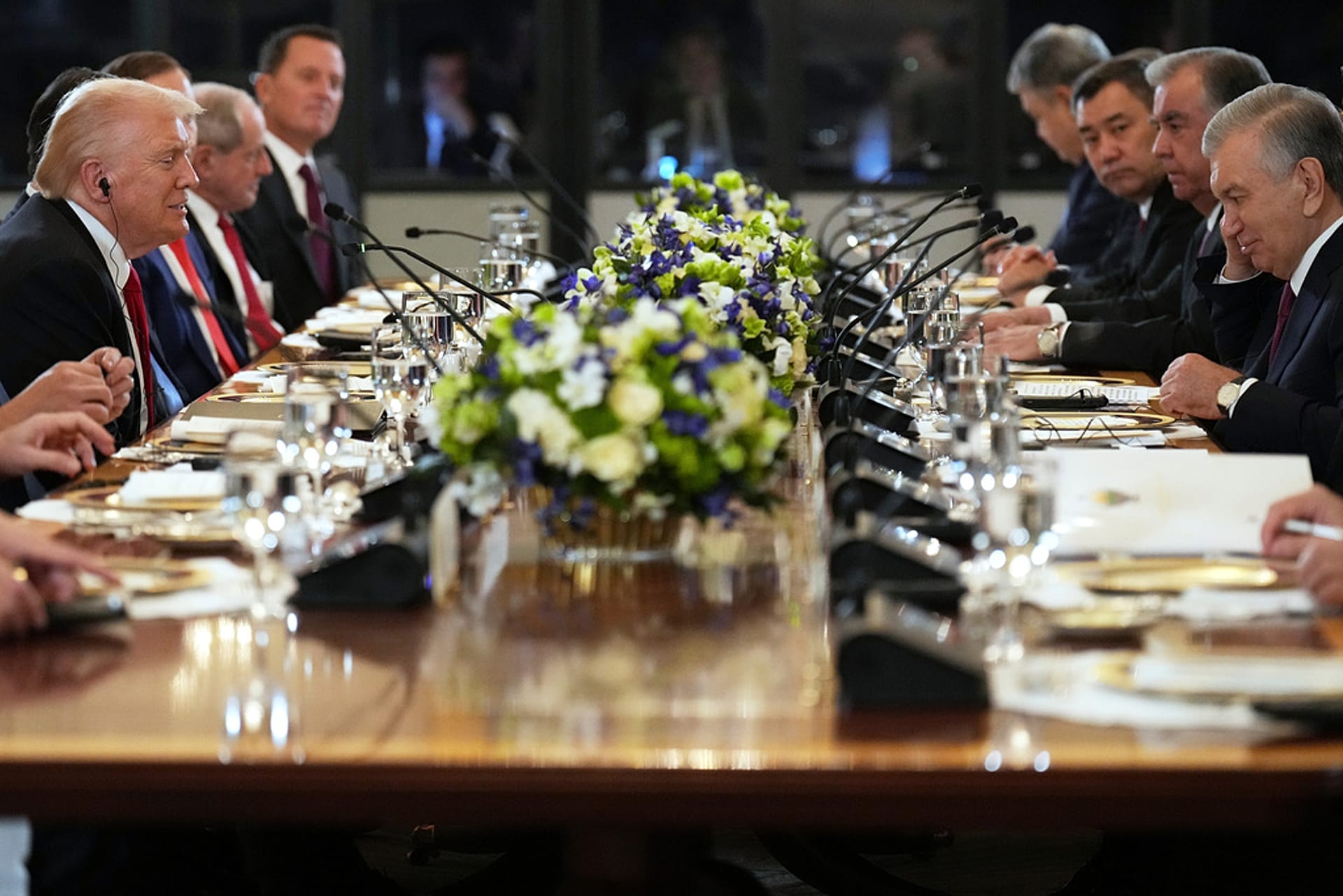
This new landscape was further complicated by China’s shifting role. As the US turned inward, Beijing sought to expand its influence. However, China’s own economic vulnerabilities became more apparent, with slowing growth and a property sector crisis weighing on its ability to act as a global growth engine. The result was a more multipolar world, where emerging markets were increasingly caught in the geopolitical crossfire between the two global superpowers.
The year ahead
The defining challenge for emerging markets will be navigating this new age of uncertainty. The decoupling of the US and Chinese economies is set to accelerate, forcing a fundamental rewiring of global trade and investment flows. This will create significant opportunities for countries such as Mexico, Vietnam, and India that can position themselves as reliable alternative manufacturing hubs. It will also undermine economies that remain heavily reliant on the old model of globalization.
The era of easy money is over. With higher-for-longer interest rates in the developed world, the competition for capital will be fierce. Fiscal discipline, structural reforms and a credible commitment to macroeconomic stability will be key for attracting foreign investment. Countries with weak institutions and a history of policy missteps will find themselves shut out.
Resilience will be the most prized asset. Investors will increasingly favor countries with strong domestic institutions, diversified economies, and the ability to withstand external shocks. The capacity to navigate the treacherous currents of geopolitics, while maintaining social cohesion and a stable policy environment at home, will separate the winners from the losers in the year to come. —Ken Stibler
We are committed to providing FMN readers with a free weekly digest of politically unbiased, succinct and clear news and information from frontier and small emerging markets.
Please consider becoming a paid supporter to help cover some of our costs and support our continued development of sharp markets-focused coverage and new informational products. Paid subscribers will also gain exclusive access to our quarterly EM/FM report that aggregates EM insights from 25 major banks, international institutions and consultancies.

Read next


