

🌍 Frontier Markets News, February 27th 2026
A weekly review of key news from global growth markets

Africa
Zimbabwe asserts sovereignty over minerals and data
Zimbabwe’s mines minister Polite Kambamura announced on Wednesday the immediate suspension of all unprocessed mineral shipments and lithium concentrates in a bid to force domestic value addition, Al Jazeera reports. Zimbabwe is home to Africa’s largest lithium reserves, estimated at 126 million tons, and the country exported around 1 million tons of lithium concentrate last year, the majority of which flowed to China for downstream processing.
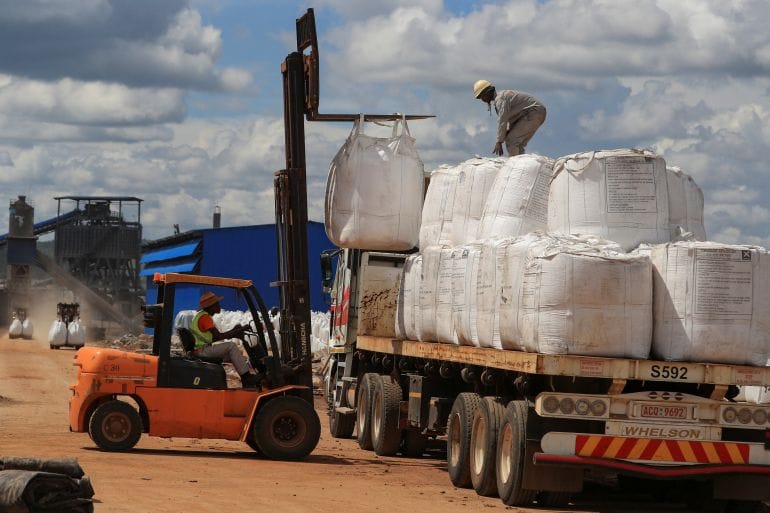
While Chinese miners Huayou and Sinomine have separately announced $900 million in plans for the construction of two lithium sulfate refineries in the country, Harare appears to want more domestic involvement.
- Valterra says Zimbabwe owes $100mn in unpaid export proceeds (Reuters)
Separately, Zimbabwe’s government declined a five-year, $367 million US health funding deal after negotiations collapsed over disagreements on data and biological information sharing requirements. Officials in Harare said they were unhappy the US was expecting to be able to harvest biological information with no promise of access to the resulting medical innovations.
Mozambique gets $10bn boost for economy
Mozambique secured a $10 billion World Bank financing package this week, offering fiscal breathing room as the country races to capitalize on what could become Africa’s largest liquefied natural gas hub, Bloomberg reports. The funding is split into $6 billion in concessional public financing through 2031 and $4 billion from the IFC for private investment.
The lifeline arrives as the IMF warned that Mozambique was experiencing an acute fiscal squeeze, mounting debt arrears and worsening cyclones and floods that imperil infrastructure. The package coincides with accelerating momentum in Cabo Delgado’s gas fields, with TotalEnergies and ExxonMobil this week issuing a joint tender for maritime services anticipating 400 annual LNG shipments from the Afungi Peninsula.
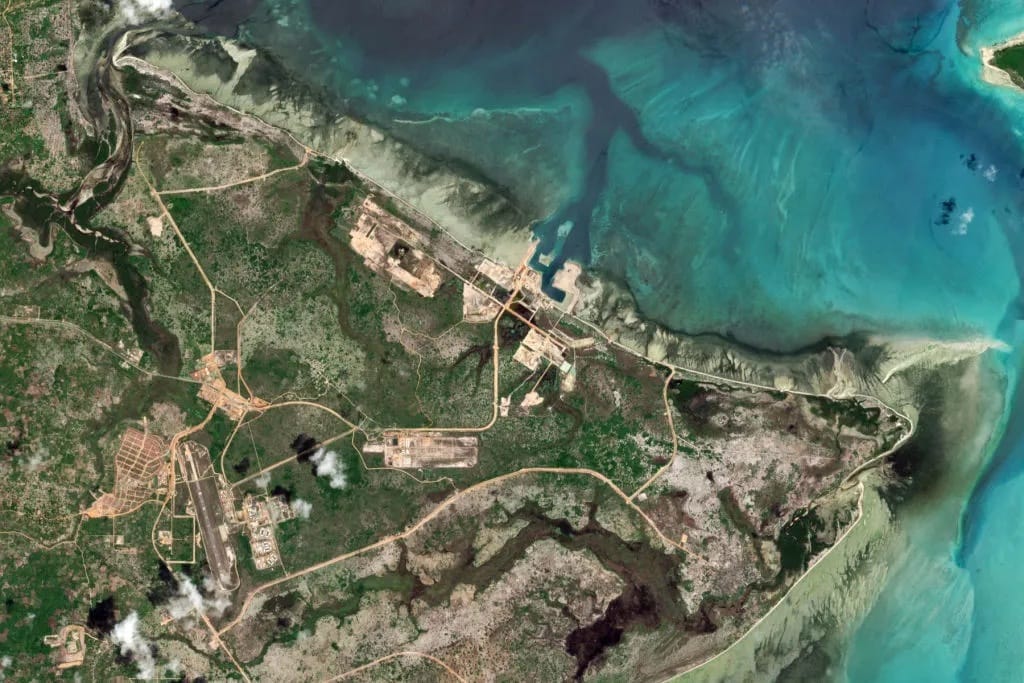
In January, Total restarted its $20 billion Mozambique LNG project after lifting force majeure triggered by the 2021 Islamic State-linked attacks. However, Total is demanding a 10-year contract extension to offset $4.5 billion in shutdown costs.
Tensions rise between Ethiopia and Eritrea
Three years after Ethiopia’s civil war ended, the peace agreement between Addis Ababa and the Tigray People’s Liberation Front (TPLF) is unraveling over unresolved territorial disputes, the BBC reports. Simultaneously, Ethiopia accused Eritrea of backing hardline TPLF factions, a dramatic reversal from 2020 when Eritrean troops fought alongside Ethiopian forces against the TPLF.
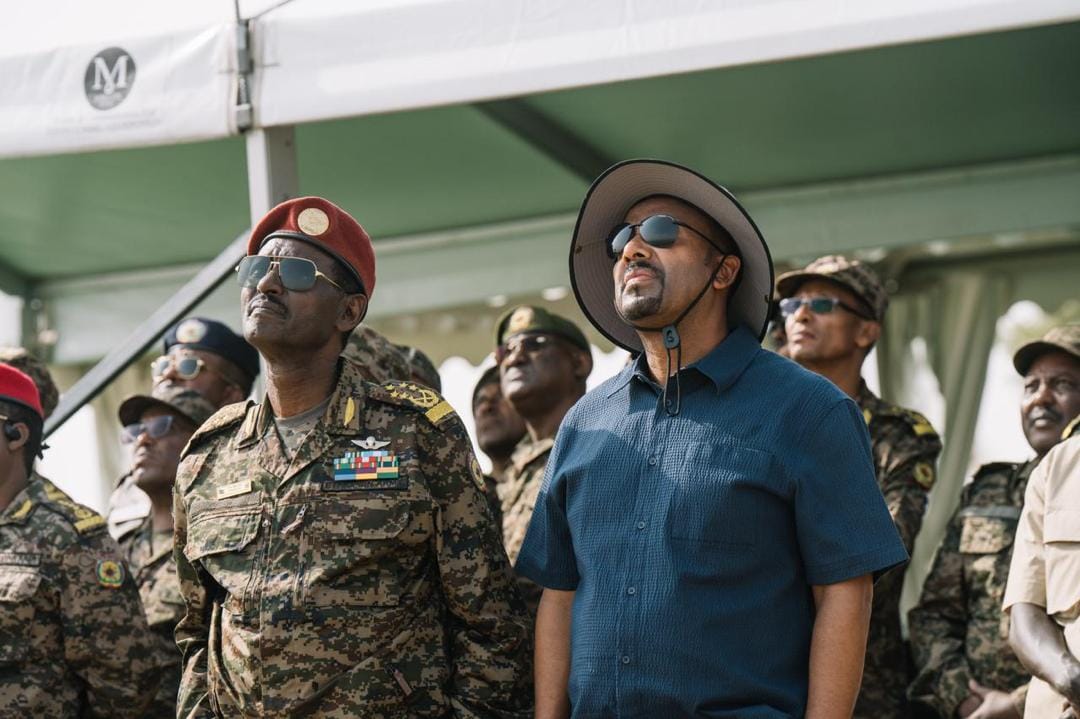
Ethiopia’s recent deployment of troops close to the Tigray region is heightening concerns about tensions between the two countries, which were already at odds over Ethiopia’s demand for access to the Red Sea. Ethiopia lost its 1,350km coastline when Eritrea gained independence in 1993.
Prime Minister Abiy Ahmed, who won the 2019 Nobel Peace Prize for peaceful reconciliation with Eritrea, is now vying for control of that country’s Assab port, hinting he’ll take it by force. “The Red Sea and Ethiopia cannot remain separated forever,” Abiy declared in parliament.
Asia
Bangladesh central bank chief abruptly steps down
The governor of Bangladesh’s central bank announced his resignation on Wednesday, just over a week after the country elected a new government that signaled its intent to replace him, Bloomberg reports. He will be replaced by a former accountant, Mostaqur Rahman.
Last week, Bangladesh inaugurated Prime Minister Tarique Rahman, whose Bangladesh National Party (BNP) won a landslide victory in elections earlier this month. Tarique Rahman, the son of former prime minister Khaleda Zia, took over the post atop the BNP from her in December.
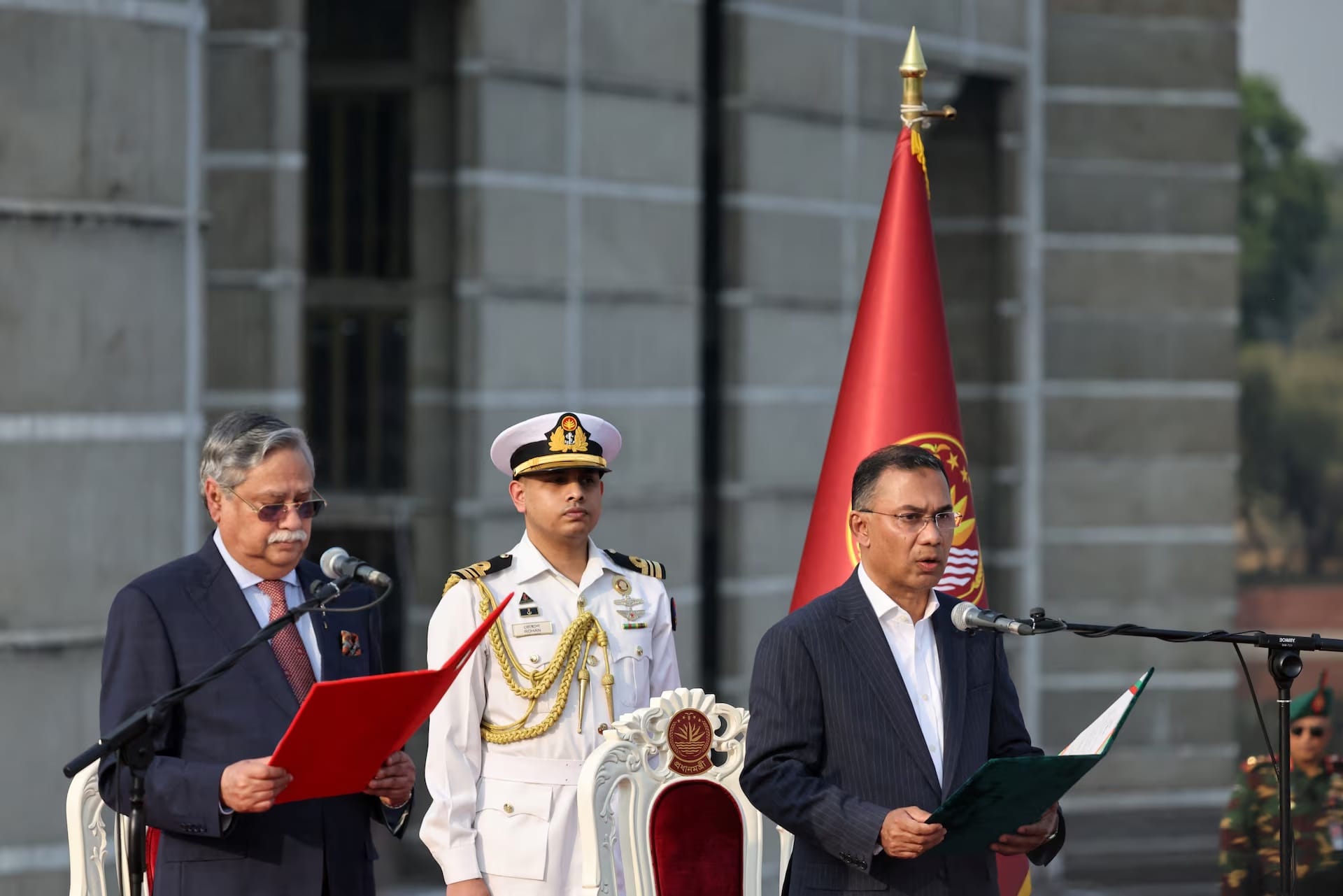
Bangladesh has struggled to right itself after youth-led protests ousted then-prime minister Sheikh Hasina in 2024. The demonstrators failed to convert their momentum into political power, and the new government has since turned against the interim leadership that led Bangladesh until weeks ago. On Monday, Bangladesh’s President Mohammed Shahabuddin accused interim leader Muhammad Yunus, a Nobel laureate, of destabilizing the country, NDTV reports.
Former rapper leads race to become Nepal PM
A 35-year old rapper and former mayor of Kathmandu is leading the race to become prime minister of Nepal, Reuters reports. Balendra Shah, who goes by Balen, has soared in popularity since Gen Z-led protests ousted then-prime minister KP Sharma Oli last year amid discontent over the economy.

Shah’s party has pledged to create 1.2 million jobs, increase health insurance coverage, and lower the number of Nepalis who are forced to emigrate. Shah is now running against Oli in elections scheduled for March 5.
Analysts are watching to see if Shah will move Nepal closer to India, after Oli pushed the Himalayan country toward China. On Monday, Shah dropped plans for a China-funded industrial park from his election platform, Kathmandu Post reports.
Middle East
Lebanon’s banks ‘lack capital to support restructuring plan’
Lebanon’s efforts to restructure its finances hit a roadblock this week after an advisor to its banking sector said the banks lack the liquidity to fully repay some $80 billion in customer deposits, Bloomberg reports. The IMF has insisted the country plug the depositor hole before it can provide any fresh financing, and has yet to approve a plan put forward by the government earlier this month to solve the issue.
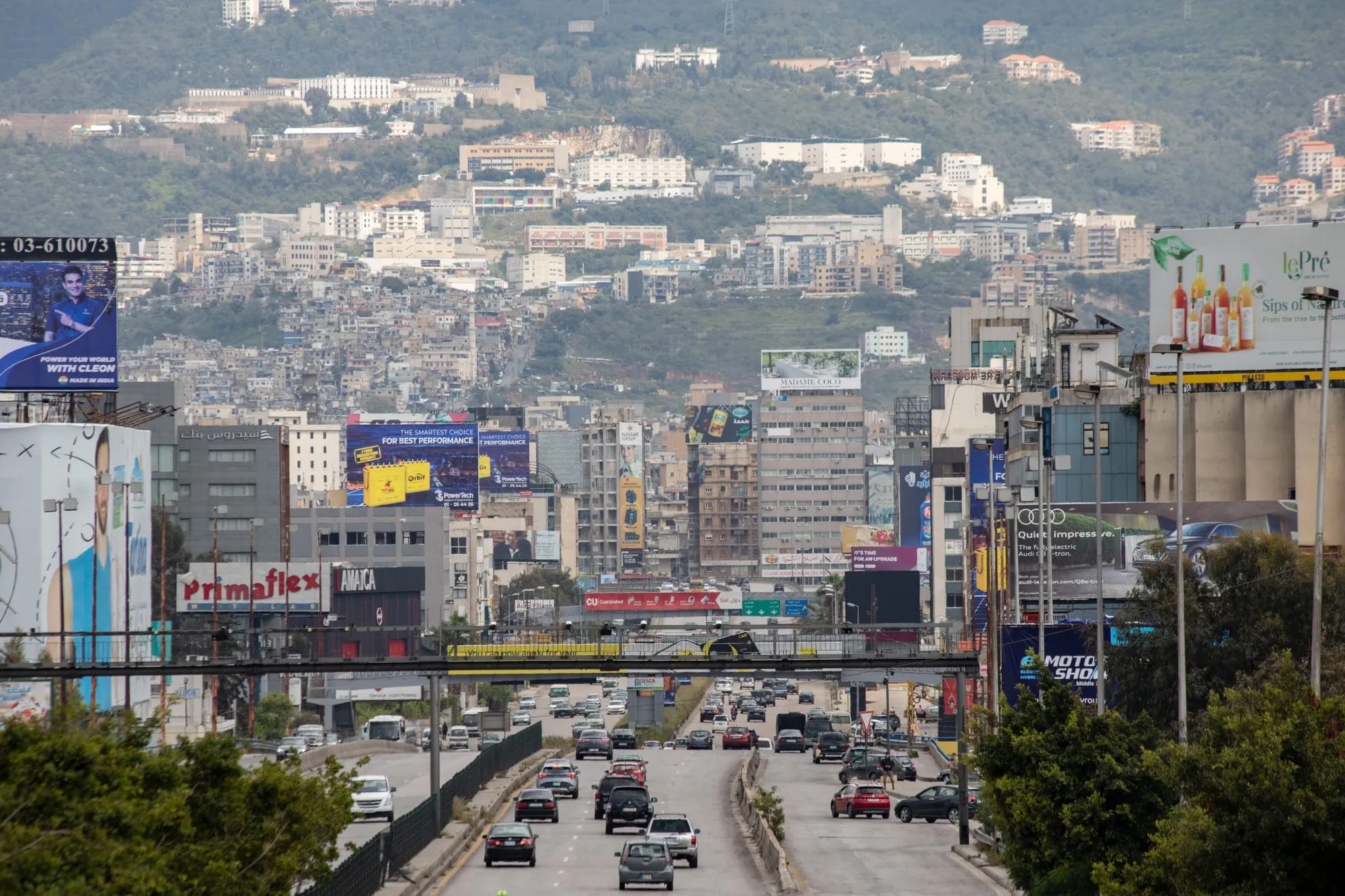
The government’s proposal would see depositors repaid up to $100,000 over four years, with the banks on the hook for some $9 billion over that period. Ankura, the consultancy advising the banks, said the plan is simply unsustainable, given that total bank equity is only some $7 billion.
Under the proposal, the central bank would have to cover 60% of deposit repayments, but it, too, lacks the liquid cash to do so. This week, the central bank announced that it is exploring options for monetizing its $45 billion in gold reserves.
IMF sees encouraging progress in Syria
Syria’s economic recovery is accelerating on the back of improving consumer and investor confidence, the IMF said this week. The multilateral expects growth to continue accelerating this year, supported by the removal of sanctions, national reconciliation and efforts to reintegrate Syria into the regional economy.
- US military begins withdrawing from key base in northeastern Syria (Al Jazeera)
The fund applauded the government’s commitment to prioritizing social spending and supporting vulnerable segments of the population. A loan program, however, may not be available for a while as the IMF said it is currently preoccupied with providing technical assistance to rebuild Syria’s toolkit, addressing legacy debts incurred by the Assad regime, and rebuilding public trust in the local banking sector.
Saudi Arabia reverses government contracting rules on foreign companies
Saudi Arabia this week partially reversed its ban on government contracts for non-Riyadh-headquartered foreign companies, allowing greater flexibility in an attempt to attract foreign capital, Arab News reports.
Government agencies can now request exemptions for issuing contracts to foreign firms that are not headquartered in Saudi Arabia, under a regulatory regime managed by the Local Content and Government Procurement Authority.
The reversal comes two years after the ban was implemented, which yielded mixed results in forcing financial and investment firms to relocate—although Riyadh claims some 700 firms have complied. Projects under $267,000 or foreign firms bidding 25% below the rates of local companies are the most likely to receive the exemption.
Europe
Hungary and Slovakia block EU Russia sanctions and loan to Ukraine
Hungary and Slovakia vetoed a new set of measures aimed at supporting Ukraine and penalizing Russia for its continued war on the country. Both countries say their vetoes are driven by the pause in oil shipments from Russia due to a damaged pipeline, which they believe Ukraine is stalling to fix.

Slovakia also cut Ukraine’s access to emergency electricity supplies in response to the damaged pipeline which has not supplied oil to Slovakia or Hungary since January 27.
Hungary’s Prime Minister Viktor Orbán has taken an increasingly anti-Ukraine stance in the lead-up to the country’s April parliamentary elections, in which he is trailing opposition candidate Peter Magyar by a growing margin.
Romania rewarded for fiscal reforms
Romania this week launched its first international bond sale of 2026, issuing €3 billion of euro notes and $2 billion of dollar bonds, Bloomberg reports. The bonds received an enthusiastic welcome from investors, with bids exceeding $14 billion, according to a Bloomberg source.
- Appeal of Romania’s bonds grows (ING)
Romania’s bonds have been performing well over the past year as the government implements reforms intended to stabilize the country’s finances. This week, Prime Minister Ilie Bolojan’s government approved a plan to cut payroll expenses across Romania’s central and local administrations, advancing another austerity measure to curb the country’s budget deficit.
Romania’s public deficit reached 9.3% of GDP in 2024, more than triple the EU’s 3% ceiling. Bolojan’s reforms, which have included tax increases and government job cuts, helped bring it down to around 8% last year, according to ratings firm Fitch.
Latin America
Southern Cone countries rush to monetize minerals
Chile is pushing a slate of lithium contracts through review in the final weeks of President Gabriel Boric’s term, seeking to inject urgency into a national lithium strategy that expanded state involvement but slowed approvals, Mining.com reports. Five new contracts are headed to the comptroller, with additional projects advancing separately. Officials want output to rise sharply over the next decade after the country lost market share to faster-moving producers.
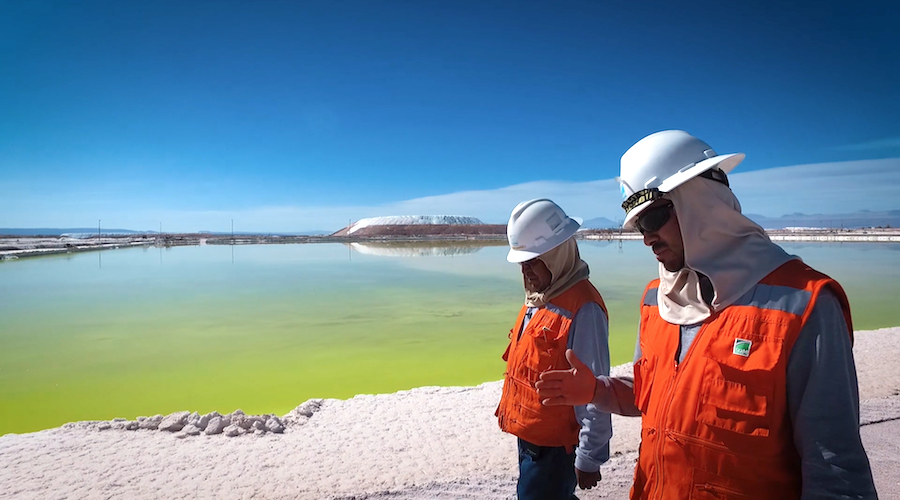
Argentina is taking a more contentious route. Lawmakers are preparing to vote on changes to the 2010 Glacier Law that would hand provinces greater authority over environmental protections, potentially easing constraints on copper and lithium projects. Environmental groups warn the changes would weaken safeguards over critical Andean water reserves.
With both countries’ leaderships betting that the benefits from production gains will limit the political backlash, the question is no longer whether the region will try to expand output, but how much friction the expansion will generate.
Paraguay seals largest local currency borrowing in 12 years
Paraguay became the latest Latin American country to tap local bond markets, selling $1 billion in 12-year guaraní bonds at 8.5%, its largest local-currency deal ever. Orders comfortably exceeded supply, reflecting demand that has strengthened since the country secured investment-grade ratings from two ratings firms, Latin Finance reports.
The significance lies less in volume than in composition. Paraguay can now fund its entire fiscal deficit in local currency, reducing exposure to exchange-rate swings that once defined its debt risk. The price is not cheap, but for a small economy historically tied to dollar borrowing, the ability to lengthen maturities in guaraní marks a structural shift.
Global Macro
EM private capital investment surges
Private capital investment into emerging markets climbed 33% last year to $150 billion, with infrastructure and private credit accounting for much of the increase, according to a report by the Global Private Capital Association. Private credit alone reached a record $22.3 billion as tighter bank lending and uneven developed-market returns pushed investors toward higher-yielding alternatives.
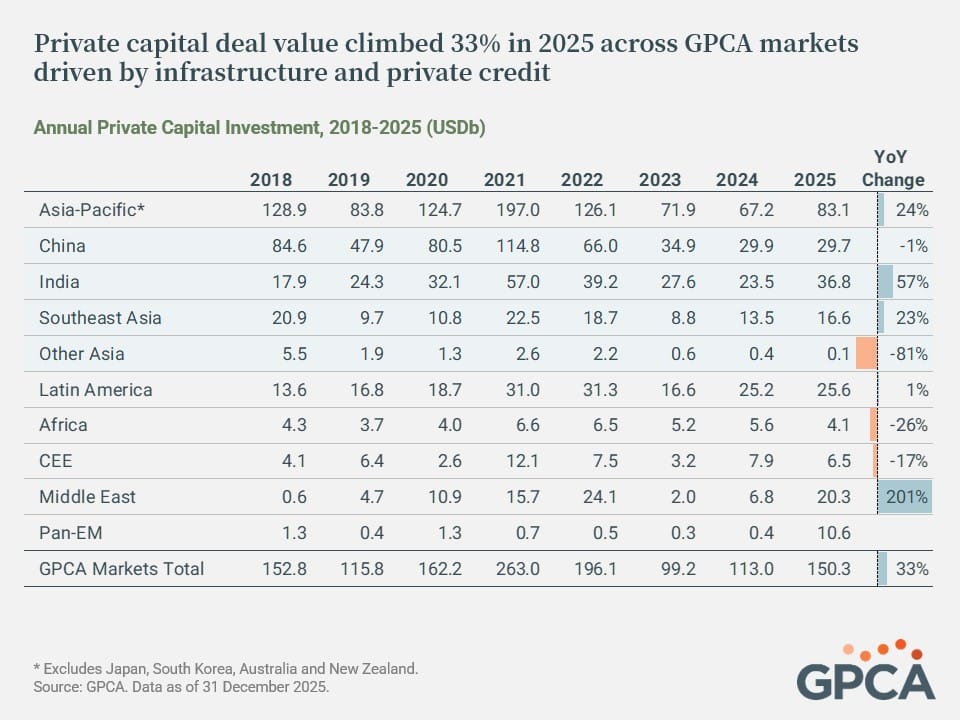
The money is concentrating. Deal value rose even as deal count fell, suggesting investors are favoring larger, established platforms over smaller or riskier ventures. India and the Middle East saw the strongest growth in allocations, while emerging Europe and Africa saw sharp falls in investment. Venture activity continued to contract, particularly in China.
- Consensus ≠ Comfort: FMN’s 2026 Q1 survey of EM analysts’ forecasts
The shift reflects more than opportunism. Emerging markets still represent a modest share of global private credit, leaving room for further allocation if developed-market spreads compress. But flows are selective. Scale, policy stability and infrastructure depth are capturing capital first.
What We’re Reading
Senegal finance minister says “fundamental differences” remain in IMF talks (Reuters)
Senegal posts $2.4bn trade deficit in 2025 despite gold-led export boom (FiA)
Guinea secures $165mn for strategic cross-border road (EcoFin)
Uganda to link new railway line to Tanzania (The East African)
Kenya lands $509mn AfDB infrastructure finance deal (FiA)
Trade and aid to return to South Kivu as DRC-Burundi strategic border reopens (RFI)
Zambia calls for domestic debt to be part of major indices (FT)
Russia delivers aid to cyclone-hit Madagascar after leader’s Moscow visit (Bloomberg)
South Africa’s sugar industry divided over import tariff rule (EcoFin)
IMF to release $2.3bn to Egypt after reforms help to stabilize the economy (AP)
US to remove Vietnam from export control list (The Diplomat)
Indonesia speeds efforts to domestically produce train cars (Nikkei)
US to impose heavy duties on solar imports from India, Indonesia and Laos (Reuters)
Saudi Arabia to provide $347 million for Yemeni budget relief (Reuters)
Kuwait plans new citizenship law following crackdown (Semafor)
Fitch downgrades Bahrain’s credit rating (Fitch)
US warned Ukraine not to strike American investments in Russia (FP)
The US has grand plans in the Caucasus (FP)
Colombia and Ecuador escalate tariff tussle (Bloomberg, Reuters)
Colombia’s Peso Sinks Most Since 2020 on Election Jitters (Bloomberg)
Honduras dumps Cuban doctors, depriving Havana of more revenue (Bloomberg)
Costa Rica coffee braces for lower payments and possible losses (Tico Times)
Repsol aims to triple Venezuelan oil output after securing US permit (FT)
Venezuela ‘suspends 19 Maduro-era’ production-sharing contracts (Reuters)
Uruguay and Argentina become first Mercosur members to ratify the EU trade pact (AP)
We are committed to providing FMN readers with a free weekly digest of politically unbiased, succinct and clear news and information from frontier and small emerging markets.
Please consider becoming a paid supporter to help cover some of our costs and support our continued development of sharp markets-focused coverage and new informational products. Paid subscribers will also gain exclusive access to our quarterly EM/FM report that aggregates EM insights from dozens of major banks, international institutions and consultancies.

Read next


