

🌍 Frontier Markets News, February 20th 2026
A weekly review of key news from global growth markets

Africa
Cheap cash prompts flurry of African issuance
Kenya launched a $500 million eurobond buyback on Wednesday, tendering up to $350 million of its 8% notes due in 2032 and $150 million of its 7.25% notes due 2028, funding the repurchase with a new longer-dated $1.5-$2 billion bond, Reuters reports. The move is the latest in a series of liability management exercises by Nairobi funded by the proceeds from successive eurobond sales in 2024 and 2025.
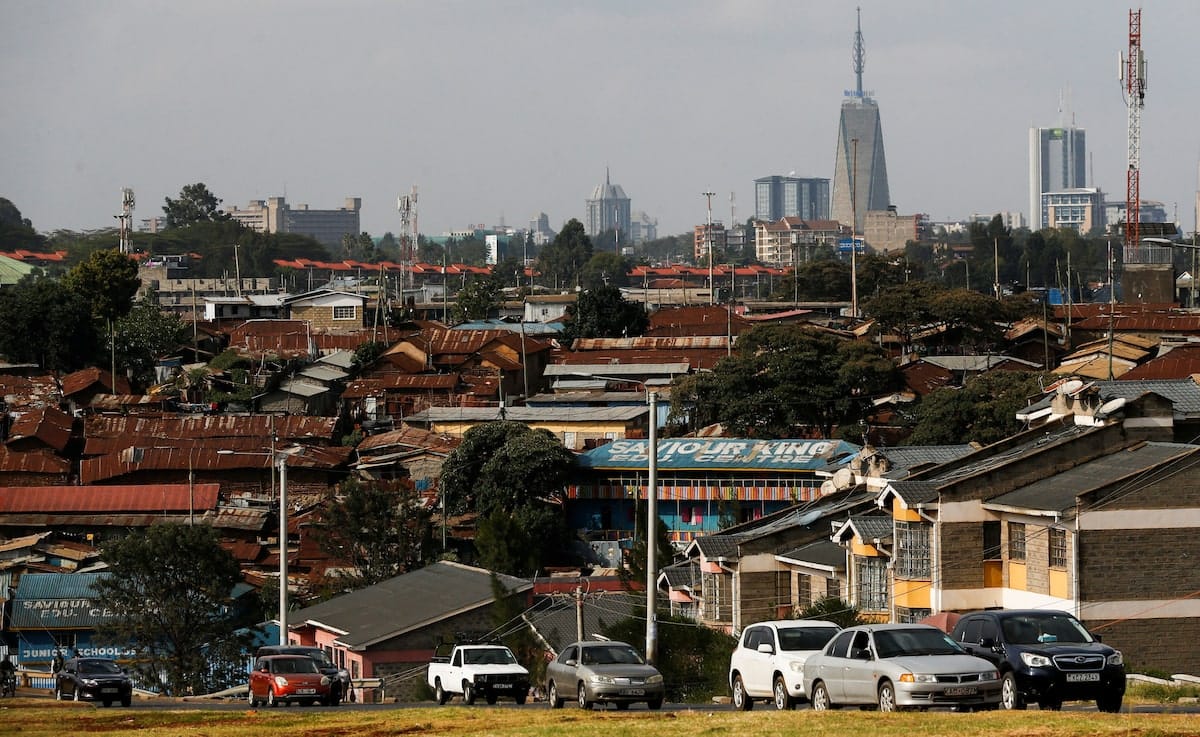
The refinancing comes alongside Kenya’s use of novel concessionary instruments, such as a $1 billion debt-for-food swap agreed with the US International Development Finance Corporation (DFC) last December.
Kenya is among a broadening group of African borrowers capitalizing on growing enthusiasm for emerging-market debt. Côte d’Ivoire raised $1.3 billion via a 14-year eurobond on Wednesday, oversubscribed nearly five times. Cameroon is preparing to raise $1.05 billion following a successful issue of a 5-year $750 million eurobond in January.
The Republic of Congo last week tapped markets at 11.625%, sharply below the 13.7% it paid in November. The Democratic Republic of Congo is preparing a debut $750 million issuance in April, and Angola is reportedly readying a eurobond sale of up to $1.7 billion, while floating a $1.4 billion debt-for-health swap to concessionary financiers.
Sahel states see capital inflows
The Alliance of Sahel States continued to attract international capital this week, demonstrating that the military-led bloc can secure external financing without normalizing relations with the regional bodies it abandoned last year.
The IMF approved $91 million for Niger on Wednesday after completing program reviews. The fund projects Niger’s economy will grow 6.7% in 2026, buoyed by crude oil exports and a strong agricultural base.
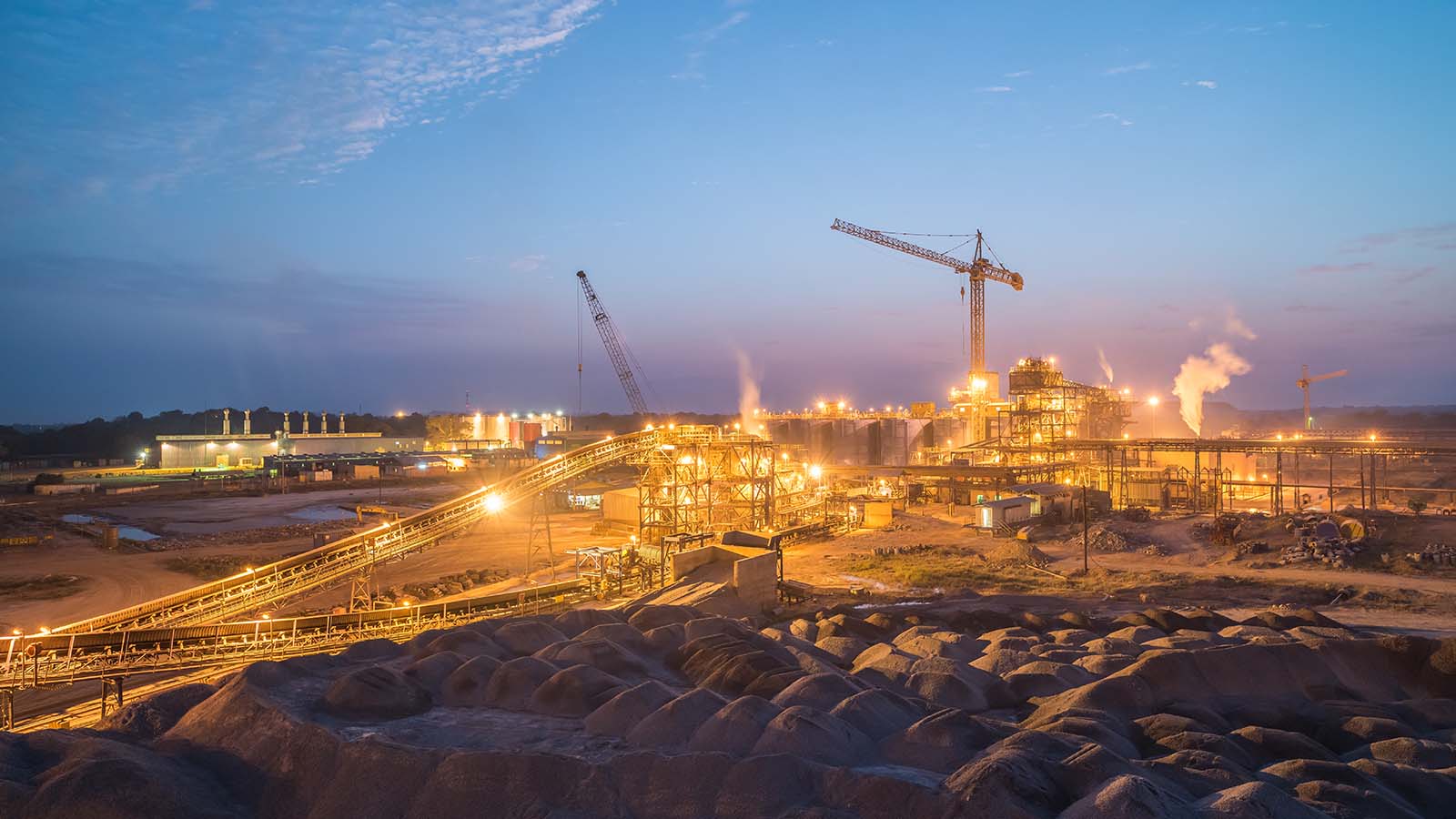
Burkina Faso also passed an IMF review, with the multilateral commenting that “despite insecurity, poverty, and climate shocks, the 2026-28 outlook is positive, with growth near-5% and inflation below target.” Ouagadougou unlocked $33.2 million immediately, while garnering future funding from a new 18-month Resilience and Sustainability Facility arrangement worth $124.3 million.
Mali’s government confirmed a 10-year extension of Barrick Mining’s operating license for the Loulo-Gounkoto gold complex, formally closing a two-year dispute that had disrupted one of Africa’s largest gold operations. Barrick will pay roughly $430 million to Mali to regain full operational control of the facility.
Asia
Uzbekistan signs critical minerals deal with US
Uzbekistan has agreed to provide the US with greater access to its critical minerals, according to an outline of a plan by the US International Development Finance Corp (DFC).
The plan calls for investments across exploration, extraction and processing, Reuters reports, and proposes a new US-Uzbek holding company to handle joint projects. Uzbekistan has known reserves of gold, uranium and copper, as well as untapped deposits of lithium and tungsten.
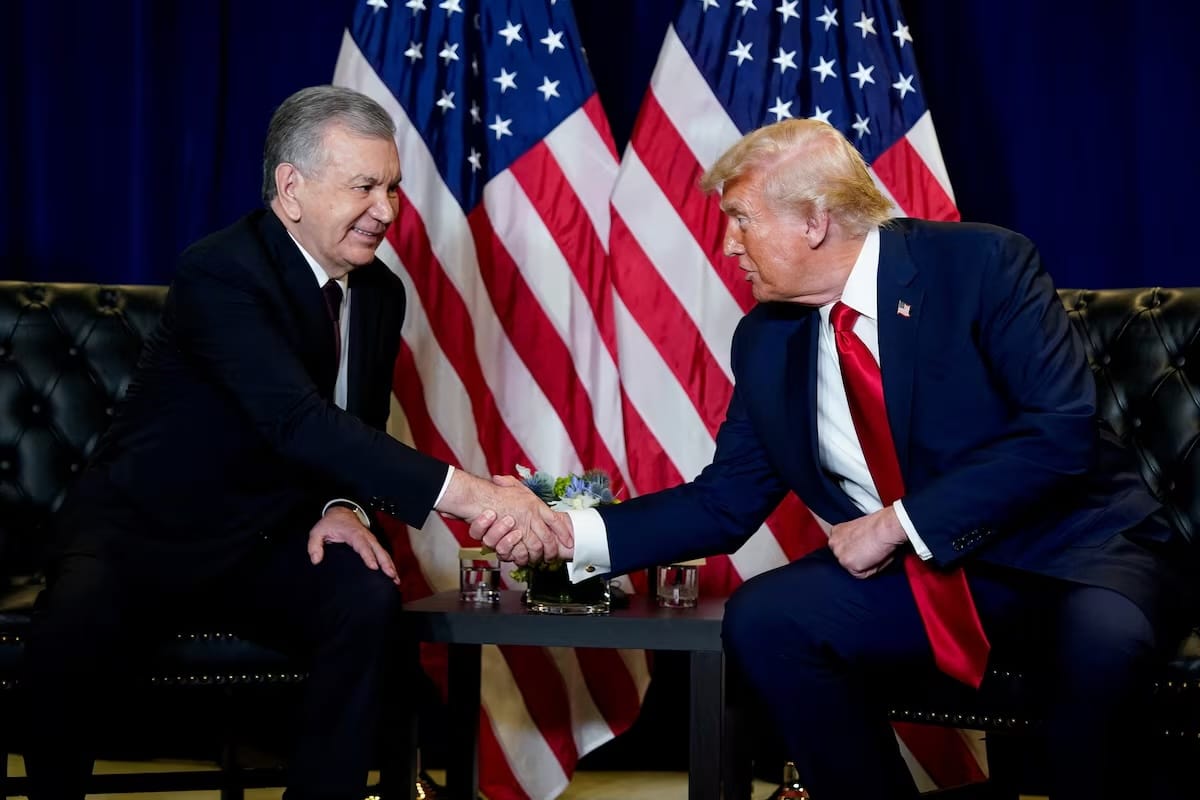
The US has sought to build ties with Central Asia in recent months, with a focus on critical minerals. The DFC is currently exploring $700 million worth of backing for tungsten projects in Kazakhstan, according to the US mission to the country. In November, US President Donald Trump hosted his Uzbek counterpart, in addition to the leaders of Kazakhstan, Kyrgyzstan, Tajikistan and Turkmenistan, at the White House.
Thai old guard cements power after election
Establishment figures solidified their political power after last week’s Thai elections with former Prime Minister Thaksin Shinawatra’s Pheu Thai party joining with election winner Bhumjaithai to form a coalition government.
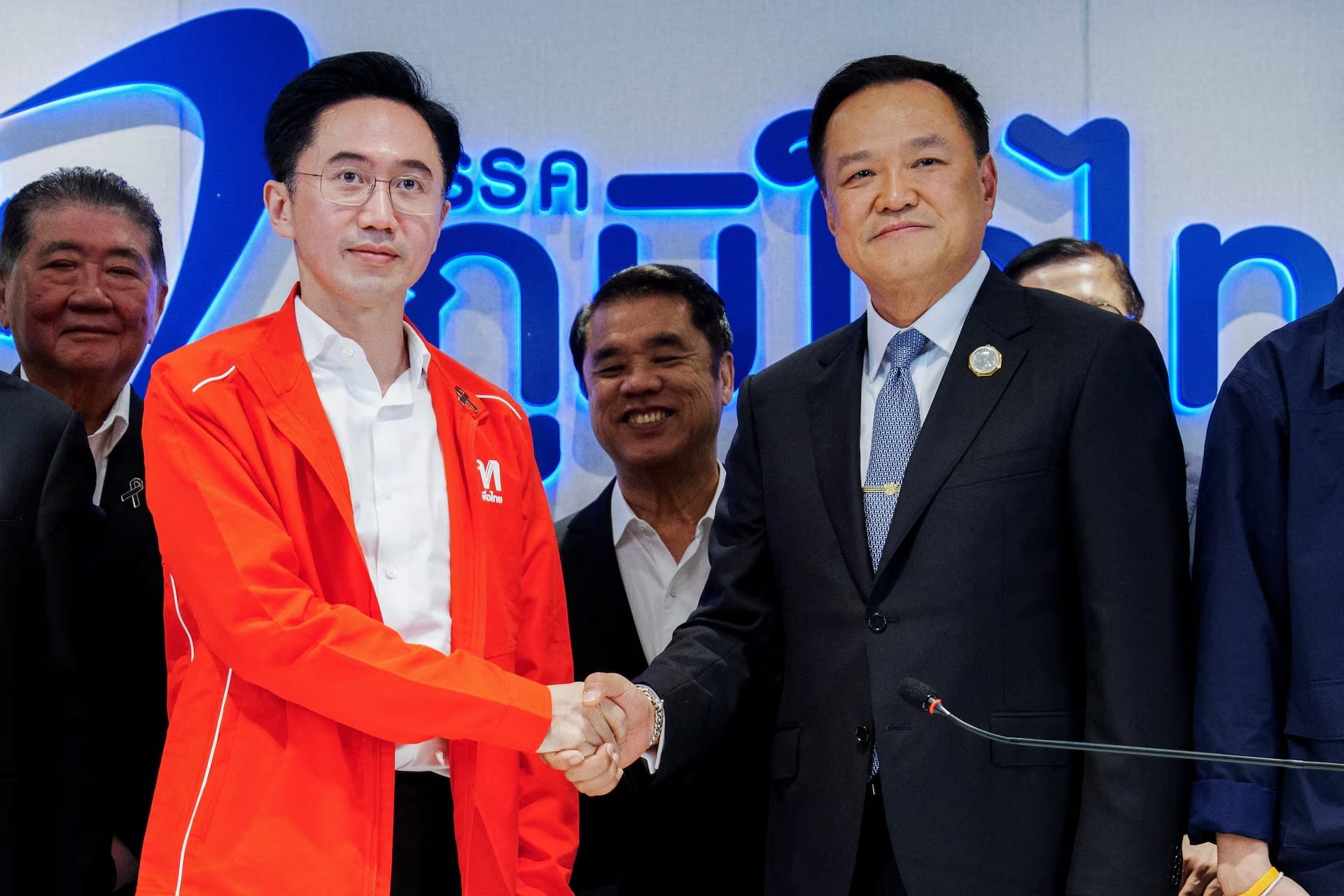
The arrangement gives incumbent Bhumjaithai Prime Minister Anutin Charnvirakul a majority in parliament, practically ensuring his reelection, Nikkei reports. The progressive People’s Party, whose predecessor won the most votes in a 2023 election, won just 118 seats in parliament this year, Al Jazeera reports. While some analysts noted irregularities in voting, the People’s Party leader said in a television interview that these would not have changed the result.
Pheu Thai and Bhumjaithai were part of the same coalition in a government led by Pheu Thai that collapsed last year. Pheu Thai lost favor after then-prime minister Paetongtarn Shinawatra—Thaksin’s daughter—bungled messaging over a border conflict with Cambodia. Thaksin, a billionaire, was prime minister from 2001 to 2006.
Vietnam to borrow $10bn in yen from Tokyo for rail and gas projects
Japan will issue $10 billion worth of loans denominated in yen to Vietnam over the next five years, Nikkei reports.
Much of the financing will go toward building out subway infrastructure, including a line from central Hanoi to the city’s airport. Japanese companies are major suppliers of train cars and other rail infrastructure. Sumitomo, a Japanese trading firm, is looking to develop real estate along the rail line, according to Nikkei.
The loans will also finance a planned gas-powered plant that will use gas from a field backed by Mitsui & Co, another Japanese trading house.
Middle East
Saudi Arabia appoints new investment minister
Saudi Arabia this week appointed Fahad al-Saif, head of strategy at the Public Investment Fund, as the country’s investment minister, Bloomberg reports. Al-Said replaces the outgoing Khalid al-Falih, whose flagship project as investment minister was an attempt to pressure multinational companies to move their regional headquarters to Riyadh—which achieved decidedly mixed results.
- Saudi Arabia’s Humain invests $3bn into Musk’s xAI (Bloomberg)
With al-Falih at the helm, Saudi Arabia fell short of ambitious FDI targets for its flagship Vision 2030 projects, with large year-on-year drops in gross FDI patched over by drops in outflows. Saudi Arabia aims to attract $100 billion in FDI by 2030 in order to reduce its dependence on oil exports and debt issuance, although in his role at the PIF al-Said oversaw record bond issuance to cover cash shortfalls.
Lebanon’s PM sees hope in IMF negotiations
Lebanon’s prime minister this week said he was confident his government could resolve issues with the IMF over a controversial banking bill and move ahead with a comprehensive refinancing strategy for the struggling nation, Bloomberg reports. Nawaf Salam said the multilateral’s main concern was whether Lebanon had the resources to sustain its debts. “They want to make sure we have enough liquidity to live up to our commitments,” he said.
Lebanon’s government and central bank have limited fiscal room and foreign reserves, so restructuring some $30 billion in defaulted bonds and plugging a nearly $70 billion hole in the domestic banking sector means hard choices have to be made. Placating big depositors, the banks, the public and the IMF at the same time will be difficult, one analyst noted.
To help solve the problem, the IMF reportedly wants Lebanese bank equity, rather than the central bank, to absorb the first tranche of losses. The government’s plan has the central bank shouldering the lion’s share of the repayment burden.
Bahrain’s non-oil GDP edges up but debt concerns grow
Bahrain’s economy last year recovered from the previous year’s contraction with overall GDP growth of 2.6%—and higher non-oil growth of 3.8%, AGBI reports. The country’s current account balance, a key indicator for debt sustainability, continued to decline to 4.8% of GDP in 2024, off the highs of 14.7% and 5.8% in the years 2022 and 2023, respectively.
Credit rating downgrades late last year highlighted growing concerns about Bahrain’s ability to manage its debts. This week’s data release indicates that debt-to-GDP will continue to rise from 133% this year to nearly 150% by 2027, with the kingdom’s breakeven oil price forecast to rise from $139 per barrel to $167 over the same time period.
Europe
Bulgaria schedules April elections as caretaker government takes charge
Bulgaria has installed an interim government led by Andrey Gyurov, deputy governor of the Bulgarian National Bank, Reuters reports. The caretaker cabinet’s main task is to oversee snap parliamentary elections set for April 19, by guaranteeing fair and transparent voting after months of public anger over corruption and a controversial tax-raising budget plan.
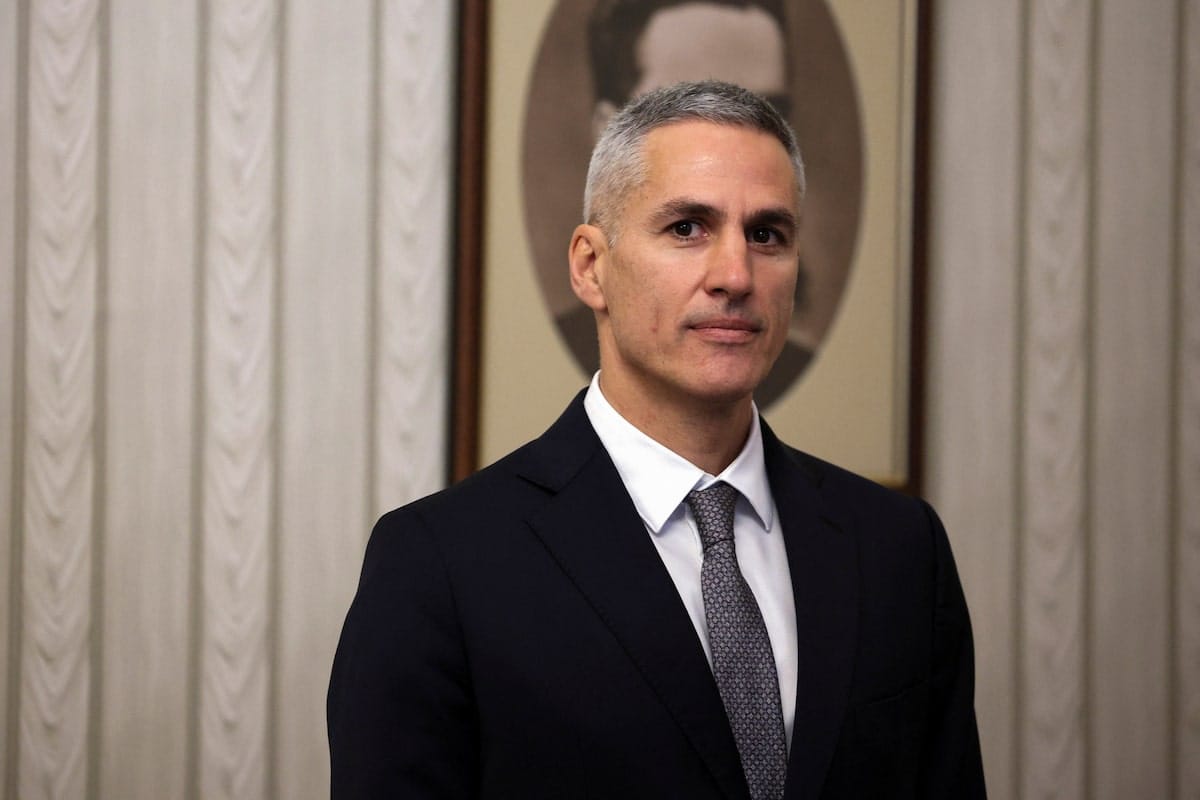
The previous government resigned in mid-December following weeks of large street protests against its failure to curb corruption and over proposed tax hikes aimed at funding higher state spending. Those demonstrations capped a broader period of instability: the upcoming vote will be Bulgaria’s eighth parliamentary election in just five years, reflecting deep fragmentation among parties and repeated breakdowns in coalition talks.
Former president Rumen Radev has emerged as the early frontrunner in opinion polls. He has not yet said whether he will align with an existing party or launch a new party, according to Balkan Insight. Observers expect the campaign to center on corruption, the cost of living, and how to secure stable governance after years of short-lived administrations.
EU backs off as US assures Orbán strong support ahead of Hungary elections
In a visit this week to Budapest, US Secretary of State Marco Rubio reiterated Washington’s strong support for Hungary’s Prime Minister Viktor Orbán, calling his leadership “essential” to US national interests, the FT reports. The visit comes as Hungary prepares for a closely fought parliamentary election, with some opinion polls giving the opposition Tisza Party a 10-point lead over Orbán’s Fidesz party.
In contrast to Washington’s openly partisan stance, the EU this week stood by its policy of not endorsing specific candidates or parties in member states’ parliamentary elections, toning down its criticisms of Orbán. Brussels has also signaled it may soon unblock €2.4 billion in previously frozen EU funds for Hungary, a move that would give Orbán’s government a financial boost before voters go to the polls.
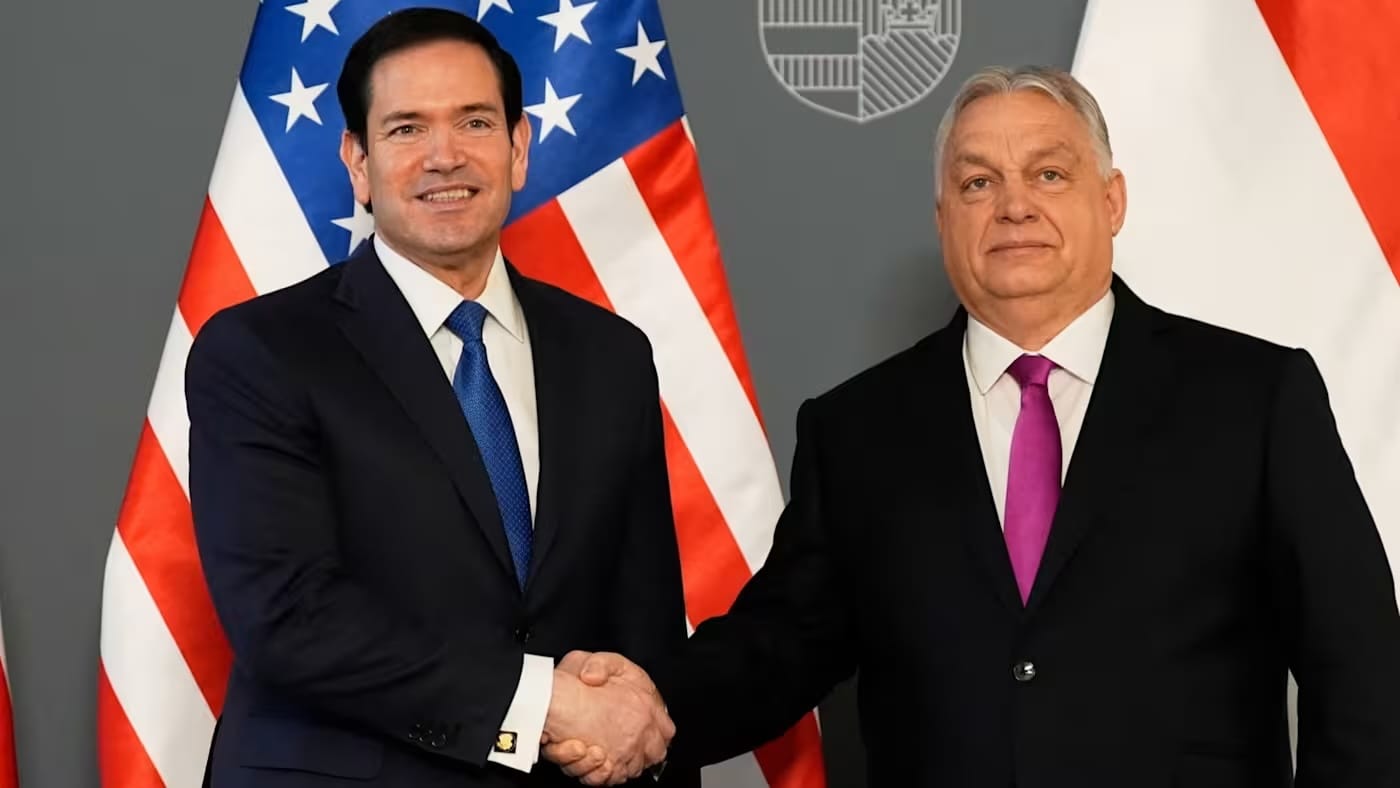
Those funds were originally held back over concerns about the rule of law and democratic backsliding under Orbán’s rule. For more than a decade, critics in Europe and beyond have accused Orbán of steering Hungary toward an “illiberal democracy,” hollowing out checks and balances, weakening independent media, and undermining judicial independence.
Latin America
Uruguay accelerates pivot toward peso debt
Uruguay is pressing ahead with plans to shift roughly half of its sovereign issuance into local currency, reducing reliance on dollar-denominated debt and insulating public finances from external currency shocks, Reuters reports. The country, which was 90% dollarized in the early 2000s, issued 40% of its international debt in pesos last year, the highest level on record.
It expects to raise the equivalent of $6 billion this year.
The strategy comes as growth moderates and the fiscal deficit hovers just above 4% of GDP, though authorities expect gradual improvement beginning next year. With investment-grade status intact and strong investor appetite for local-currency emerging-market debt, Montevideo is positioning itself as both a regional trade advocate within Mercosur and a diversified issuer less exposed to dollar volatility.
Peru’s latest impeachment deepens leadership churn ahead of elections
Peru’s Congress removed interim president José Jerí after just four months in office, extending a cycle of rapid-fire leadership changes, the FT reports. Lawmakers voted 75–24 to censure Jerí over undisclosed meetings with Chinese businessmen in a scandal dubbed “Chifagate,” elevating the head of Congress into the presidency weeks before April’s general elections.
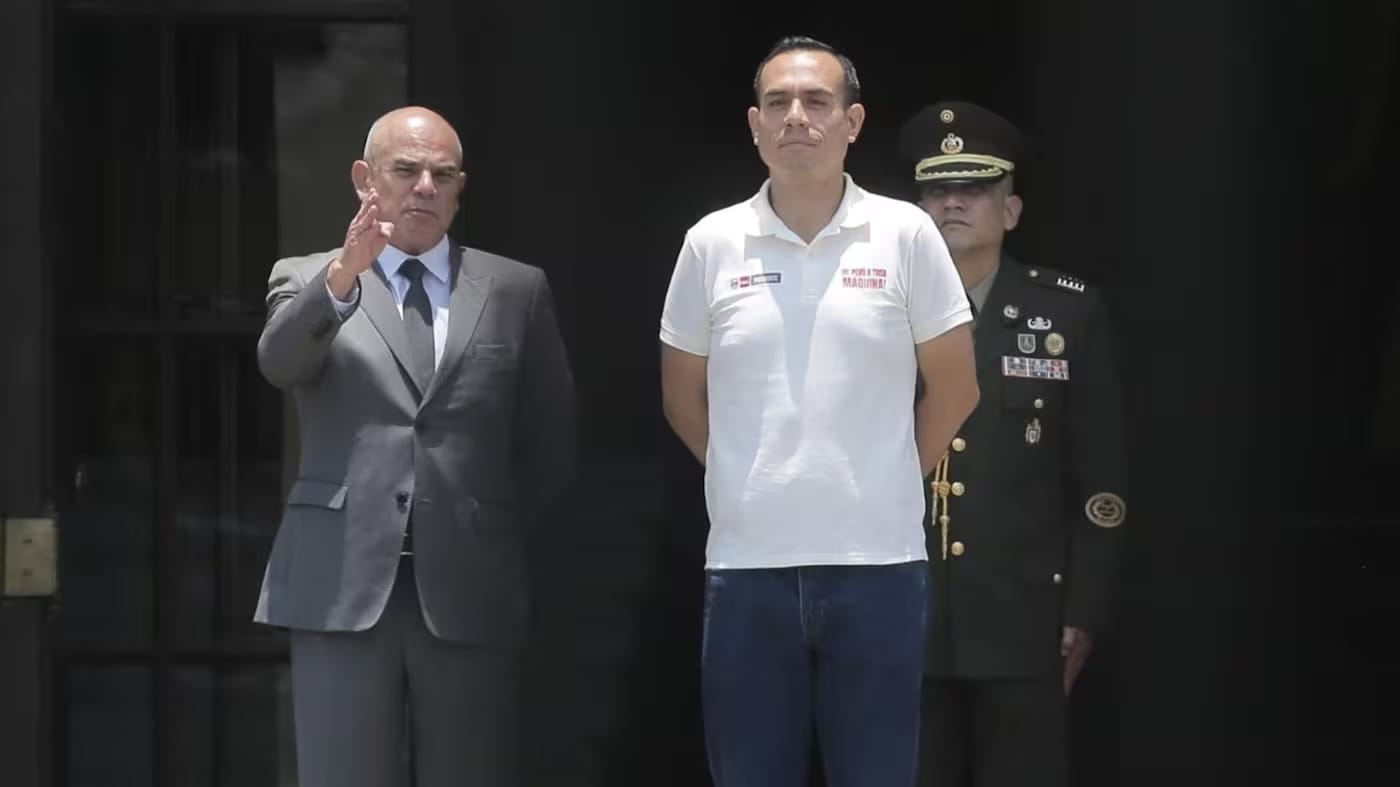
The removal underscores how institutional fragility rather than ideology is now the defining feature of Peruvian politics. Since 2016, no president has completed a full term, and successive impeachments have turned Congress into the central arena of power. With elections looming and dozens of candidates in the field, lawmakers appear increasingly focused on electoral positioning rather than long-term governance.
Despite the turbulence, Peru’s mining-heavy economy remains resilient, expanding 3.4% last year with inflation near 1.7%. The disconnect reflects a longstanding paradox in Peru, which seems consistently able to balance political volatility with macro stability.
Investor confidence prompts Panama’s return to bond markets
Panama this week raised $3 billion in global bonds in its first issuance since President José Raúl Mulino took office, ending a reliance on bank loans, Bloomberg reports. The Central American country sold 2034 and 2038 maturities at spreads of roughly 140 and 160 basis points over US Treasuries, tightening from initial guidance and representing its strongest pricing since 2020.
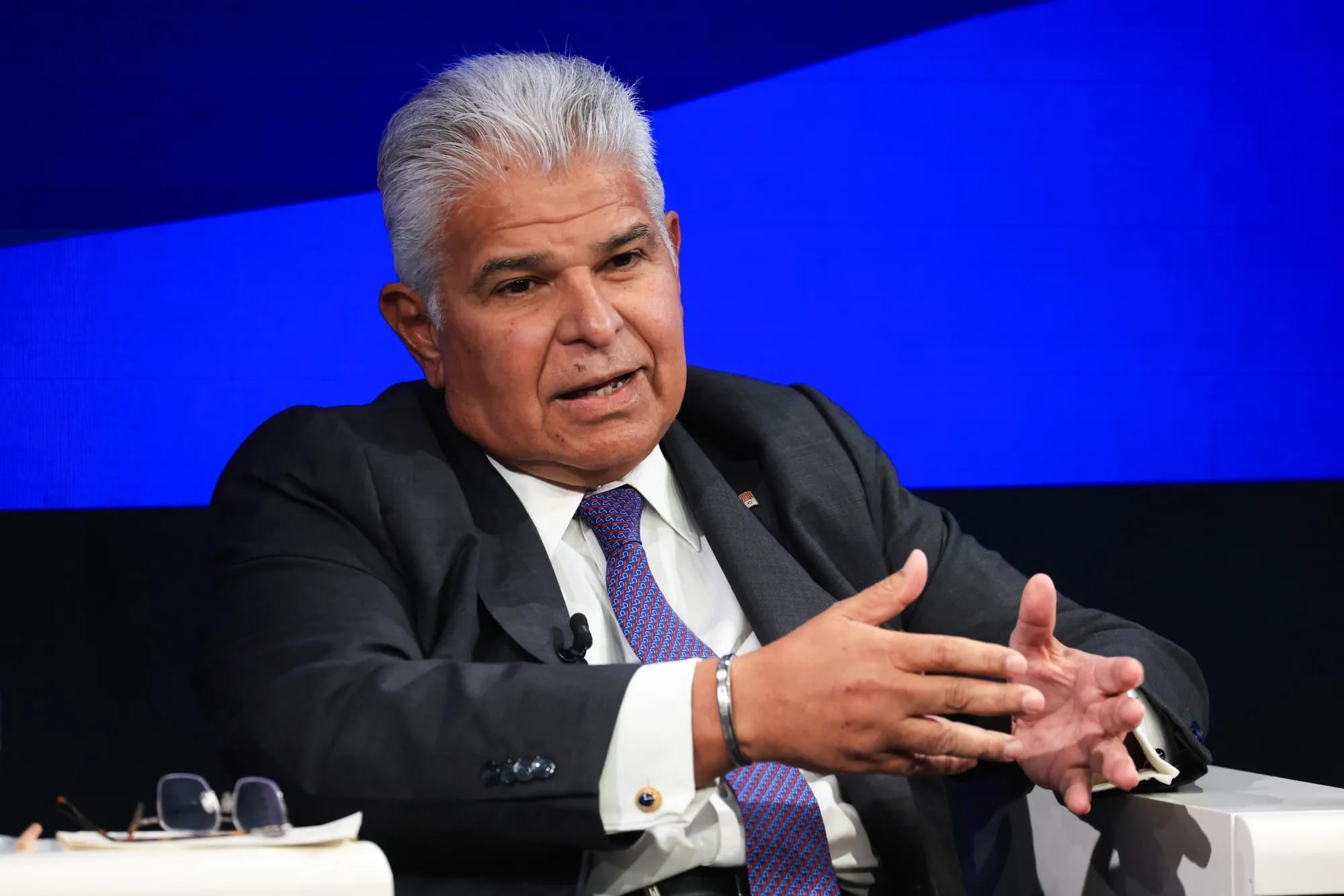
The issuance supports a broader liability management strategy, including buybacks of older bonds, and reflects improved investor sentiment as spending cuts and revenue gains narrow the deficit. Yet Panama remains near the cusp of a downgrade to junk, and markets continue to watch for a June decision on whether to reopen the shuttered Cobre Panamá copper mine, a move that could materially shift growth and fiscal dynamics.
What We’re Reading
Senegal secures $485mn from regional markets (Finance in Africa)
Cameroon secures $209mn to upgrade Yaoundé water network (Business in Cameroon)
Ethiopia and Turkey sign energy cooperation accord during Erdogan visit (Reuters)
Kenya’s border with Somalia set to re-open after almost 15 years (BBC)
Uganda gains EU market access for farmed fish (Monitor)
Malawi and Tanzania ease cross-border trading (Malawi Nation)
Prominent Angolan journalist’s phone hacked with Predator spyware (Amnesty International)
France seals security deal with Algeria (Africa Business Insider)
France’s Safran to invest $305mn in Morocco landing gear plant (Ecofin)
Egyptian stocks soar as investors cheer economic renewal (Bloomberg)
China agrees zero-tariff access for 53 African nations (Business Insider Africa)
Africa leads global growth in solar energy (AP)
Sri Lanka rolls out red carpet to investors for $15bn Port City (Nikkei)
Daughter of former Philippines leader to run for president (Rappler)
Malaysia plans carbon capture project with Japan (AP)
Vietnam cracks down on illicit gold market (Nikkei)
Thailand reverses ban on alcohol IPOs (Nikkei)
Indonesian and US firms sign $38.4bn in trade and investment deals (Reuters)
Cambodia accuses Thailand of occupying its territory (Reuters)
Kazakhstan battles shrinking Caspian Sea to keep key sectors churning (Nikkei)
UAE joins $700mn plan to lay internet cable to Turkey through Iraq (Semafor)
Somalia says UAE halts security support after agreements scrapped (Garowe Online)
Qatari military cargo plane lands in Somalia amid shifting Horn of Africa alliances (Garowe Online)
Saudi Arabia wants to replace Israel with Syria for Greece fiber-optic cable route (Middle East Eye)
Qatari billionaire family Al-Khayyat’s firm stock price rises on expectations of Syria investments paying off (Bloomberg)
Poland bans Chinese-made cars from entering military sites (The Record)
Poland extends war reparations campaign to Russia (FT)
Bosnia’s new protest wave Balkan Insight
Cuba is betting on renewables (The Guardian)
Guatemala ends emergency powers after a monthlong crackdown sparked by 10 police killings (AP)
Costa Rica ‘eager to join world’s largest free trade bloc’ (Nikkei)
High dollarization ‘poses risk’ to Costa Rica (Tico Times)
Argentines are taking loans to buy food (Al Jazeera)
We are committed to providing FMN readers with a free weekly digest of politically unbiased, succinct and clear news and information from frontier and small emerging markets.
Please consider becoming a paid supporter to help cover some of our costs and support our continued development of sharp markets-focused coverage and new informational products. Paid subscribers will also gain exclusive access to our quarterly EM/FM report that aggregates EM insights from dozens of major banks, international institutions and consultancies.

Read next


