

🌍 Frontier Markets News, December 19th 2025
A weekly review of key news from global growth markets

Africa
Focus shifts in wake of coups in Benin and Guinea-Bissau
Benin is shifting from crisis to crackdown after this month’s failed coup attempt, Arab News reports. Around 30 people, mostly soldiers, have been placed in pre-trial detention before a special court on treason and state-security charges, while alleged ringleader Lt. Col. Pascal Tigri remains at large.
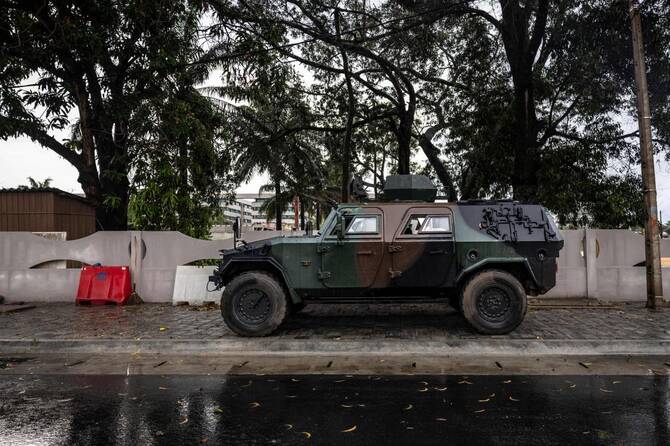
An international arrest warrant has been issued for pan-African activist Kemi Seba over his vocal support for the mutiny, part of a wider sweep that has drawn in opposition figures. Meanwhile, Beninese investigators are questioning the role played by military juntas in the surrounding Alliance of Sahel states, who they say may have had advanced notice of the coup or even coordinated with the coup plotters.
In Guinea-Bissau, hundreds marched last Friday to denounce the 26 November coup and demand the release of opposition leaders, while the junta is pushing a 12-month transition plan. At an Abuja summit this week, regional bloc ECOWAS rejected the plan, demanded a rapid return to constitutional rule and threatened targeted sanctions, casting Benin and Guinea-Bissau as early tests of its tougher stance on military takeovers.
Lobito Corridor gets new funding
The US government’s private-sector lending arm, the Development Finance Corporation, this week signed a $553 million financing package to help develop critical-minerals export infrastructure connecting Angola’s Atlantic port of Lobito with mines in Zambia and the Democratic Republic of Congo, Reuters reports. The loan, along with an additional $200 million in financing from the Development Bank of Southern Africa, will be used to upgrade the capacity of the port 10-fold, and refurbish 1,300 km of railways between the port and the DRC border.
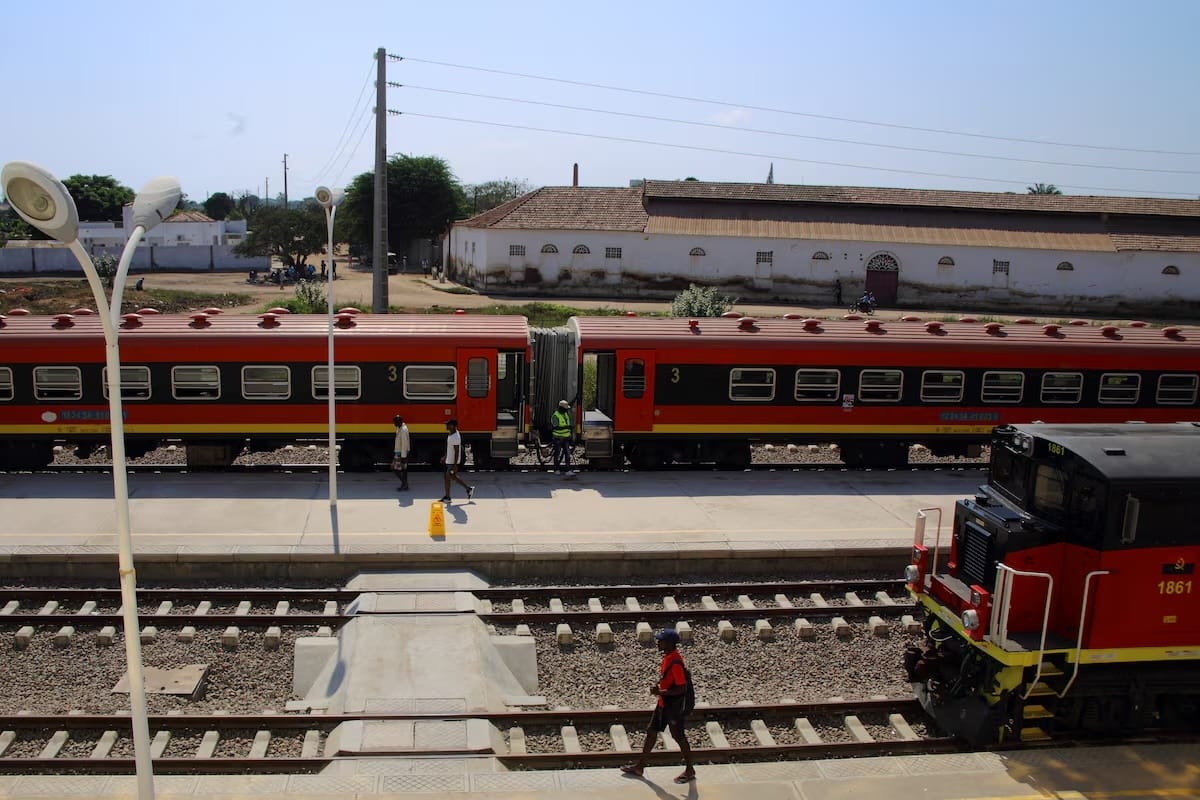
The deal is part of US commitments related to the G7’s Partnership for Global Infrastructure and Investment, which have lifted Washington’s pledged support for the so-called Lobito Corridor and connecting links to about $4 billion, within roughly $6 billion of wider partner-financing from the EU and development banks.
US officials are touting the project as a “once-in-a-generation” alternative to Chinese infrastructure projects—including the competing $1.4 billion China-backed eastbound Tanzania-Zambia railway modernization project.
Zambia changes constitution to revamp parliament
On Thursday, Zambia’s President Hakainde Hichilema signed a constitutional amendment into law that radically restructures the composition of the country’s parliament eight months before elections. The amendment, which easily gained the two-thirds majority needed for constitutional changes, will expand the size of parliament, introduce proportional representation and revise local government rules.
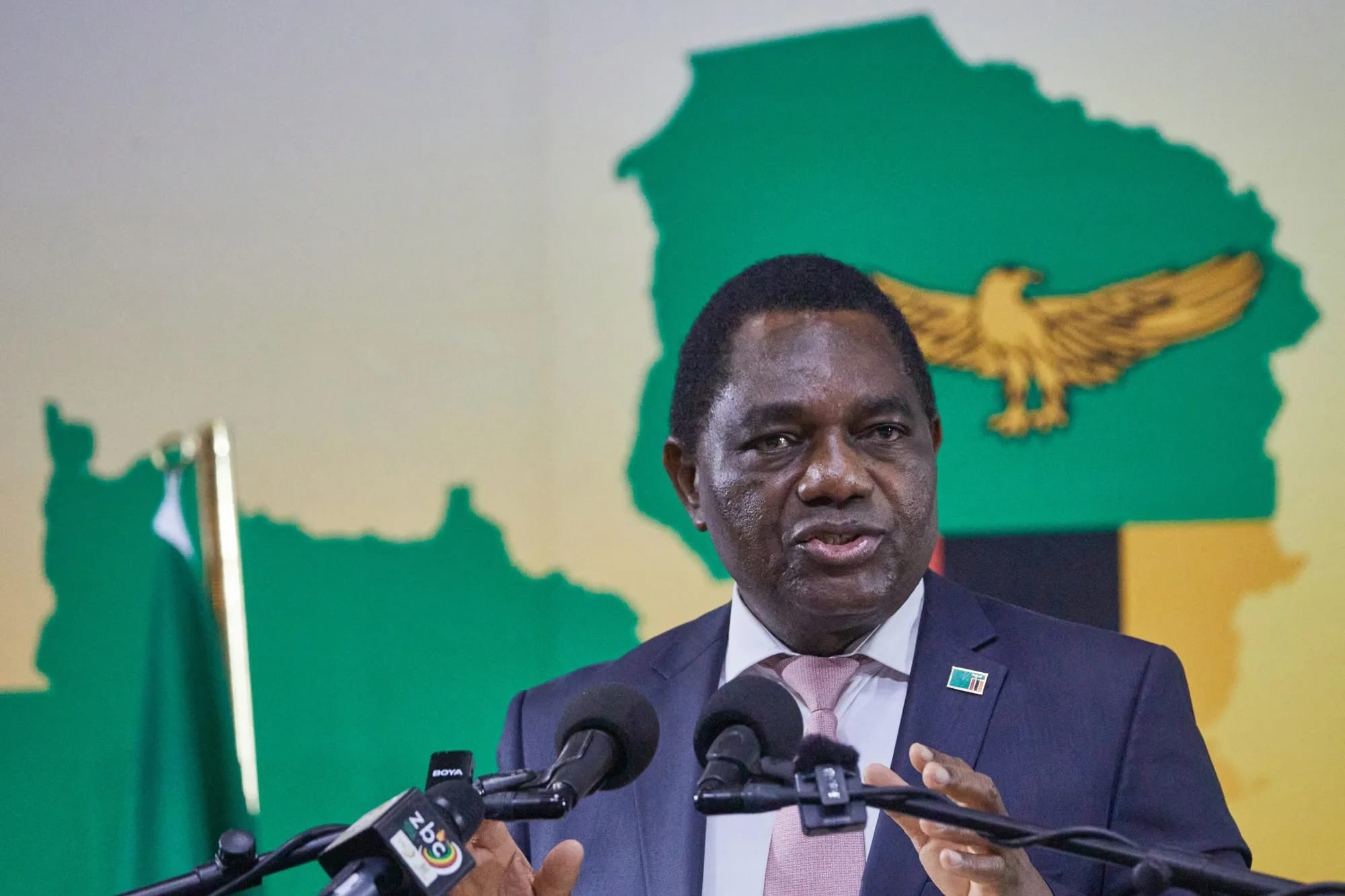
Hichilema’s government says the amendment will strengthen inclusion, particularly for underrepresented groups, with 40 seats reserved for women, youth, and persons with disabilities. His critics say the move is a power grab by the president’s United Party for National Development, and argue that few details have emerged on how the electoral districts will be drawn.
The overhaul comes as Zambia emerges from default under an IMF program, with growth projected at about 5.2% in 2025 and 5.8% in 2026 on the back of recovering agriculture, copper and services, and easing inflation. Investors will watch whether the new rules bolster stability or sharpen political tensions before the polls.
Asia
Sri Lanka projects robust growth, despite storm fallout
Sri Lanka’s government expects the country’s economic expansion in 2026 to match this year’s 5% growth rate, Reuters reports, even after a cyclone caused an estimated $7 billion in damage this fall.
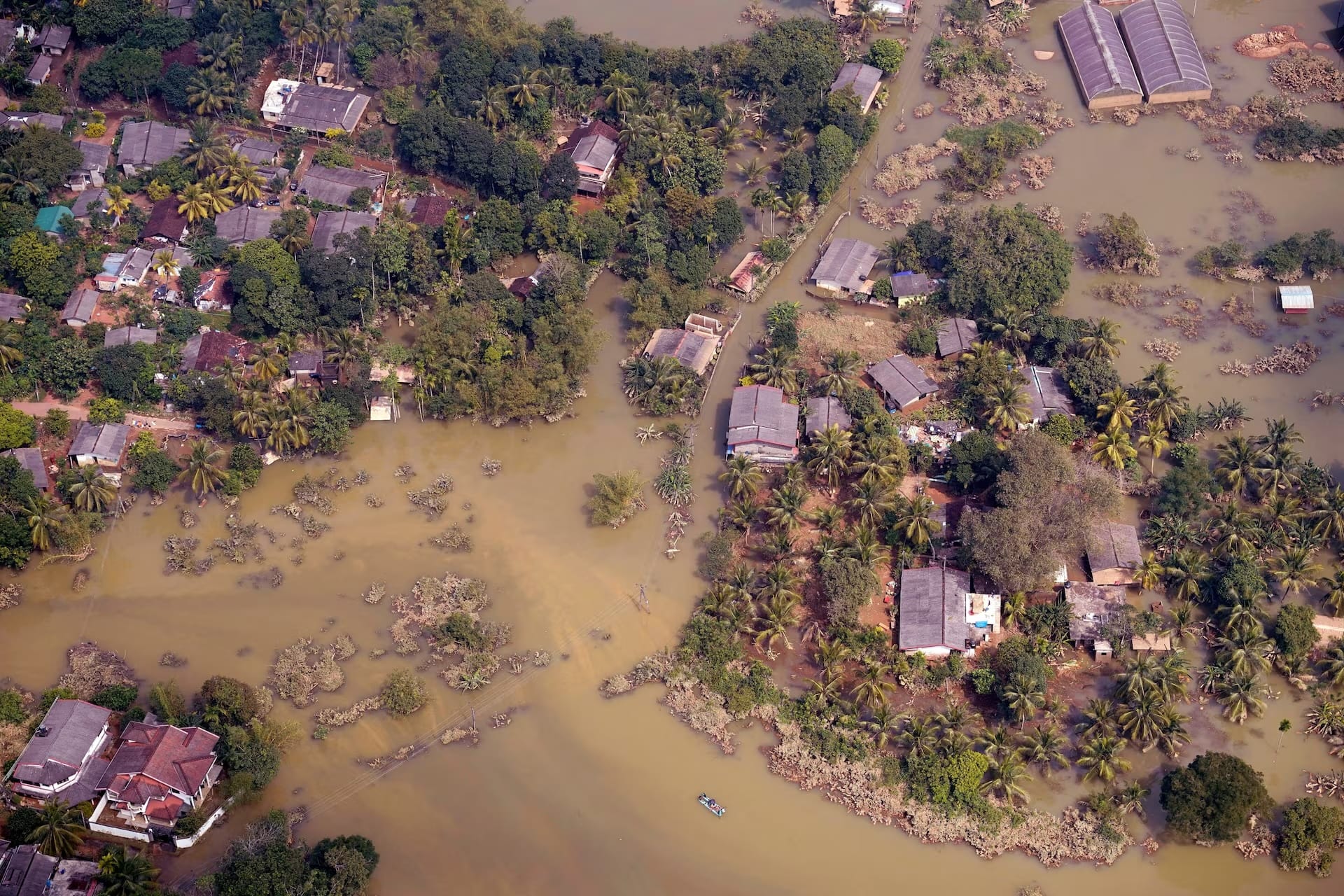
GDP growth of more than 5% would surpass estimates by the Sri Lankan central bank and the IMF, which has an existing loan agreement with Sri Lanka worth almost $3 billion. Officials in Colombo, the country’s capital, view the reconstruction effort after Cyclone Ditwah as a potential growth driver.
Before the cyclone wreaked havoc on Sri Lanka, officials projected growth next year of 6%, boosted by planned government spending of $4.6 billion.
Cambodia seeks to join Pacific trading bloc
Cambodia is looking to join a trade agreement linking countries on either side of the Pacific Ocean, Nikkei reports. The country’s bid to accede to the Comprehensive and Progressive Agreement for Trans-Pacific Partnership (CPTPP) comes as US tariffs and a border conflict with Thailand weigh on the Southeast Asian nation’s economy.
Visits to Angkor Wat, a UNESCO World Heritage site and Cambodia’s most popular tourist attraction, are down 20% since Thailand and Cambodia began fighting in May. Thai visitors made up almost a third of all tourists to Cambodia last year, according to Thai government figures, and tourism represented 9.4% of Cambodia’s GDP.
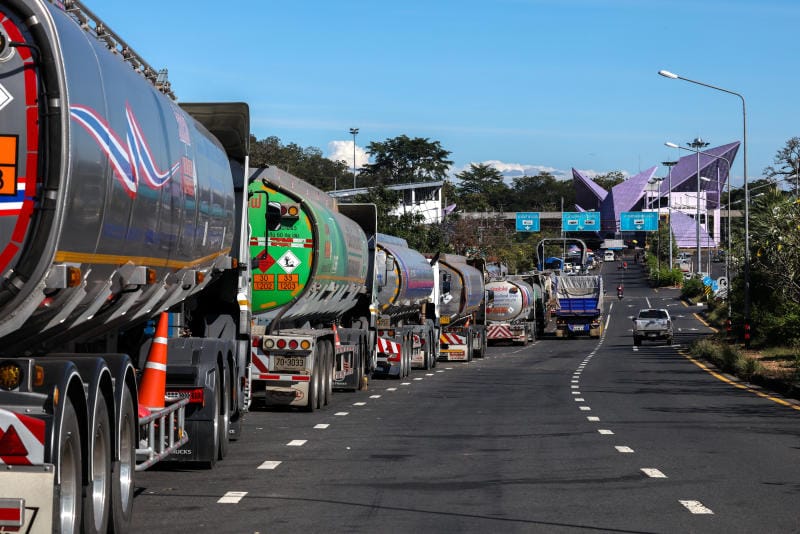
The conflict is affecting other countries in the region, too. In an attempt to crack down on exports of fuel and military-related products to Cambodia, Thailand blocked trucks from entering Laos, on suspicion that they would subsequently head for Cambodia, the Bangkok Post reports.
Vietnam tourism reaches new record
Vietnam welcomed its 20 millionth overseas tourist on Monday, putting the country on track to receive more foreign visitors than ever before. Vietnam’s culture ministry expects 21 million people to have visited from abroad by year-end, Reuters reports.
The previous record was set in 2019, when 18 million foreign tourists visited Vietnam. This year’s figure is up almost 20% from 2024, with visitors from China accounting for more than any other group at nearly a quarter of the total.
Travel and tourism accounted for seven percent of Vietnam’s economy last year, according to the World Travel and Tourism Council. The country’s government hopes to double that share by the end of the decade, with a target of 35 million visitors.
Middle East
India’s PM tightens ties with Jordan and Oman
On a visit this week to Oman and Jordan, India’s Prime Minister Narendra Modi talked up the feasibility of an economic corridor linking India through the Middle East to global markets, The Tribune reports. In Jordan, Modi met with King Abdullah II to lay out a roadmap to double bilateral trade to $5 billion.
Modi suggested Jordan could leverage its network of free-trade agreements to become a regional trade hub for Indian pharmaceutical and medical products.

In Oman, the two sides finalized an economic partnership that will see Oman offering zero-tariff access to 98% of Indian exports, and India cutting tariffs on 95% of Omani products by value. The deal is Oman’s first free-trade arrangement since a 2006 agreement with the US.
Europe
Calls grow for Hungary’s Orbán to resign
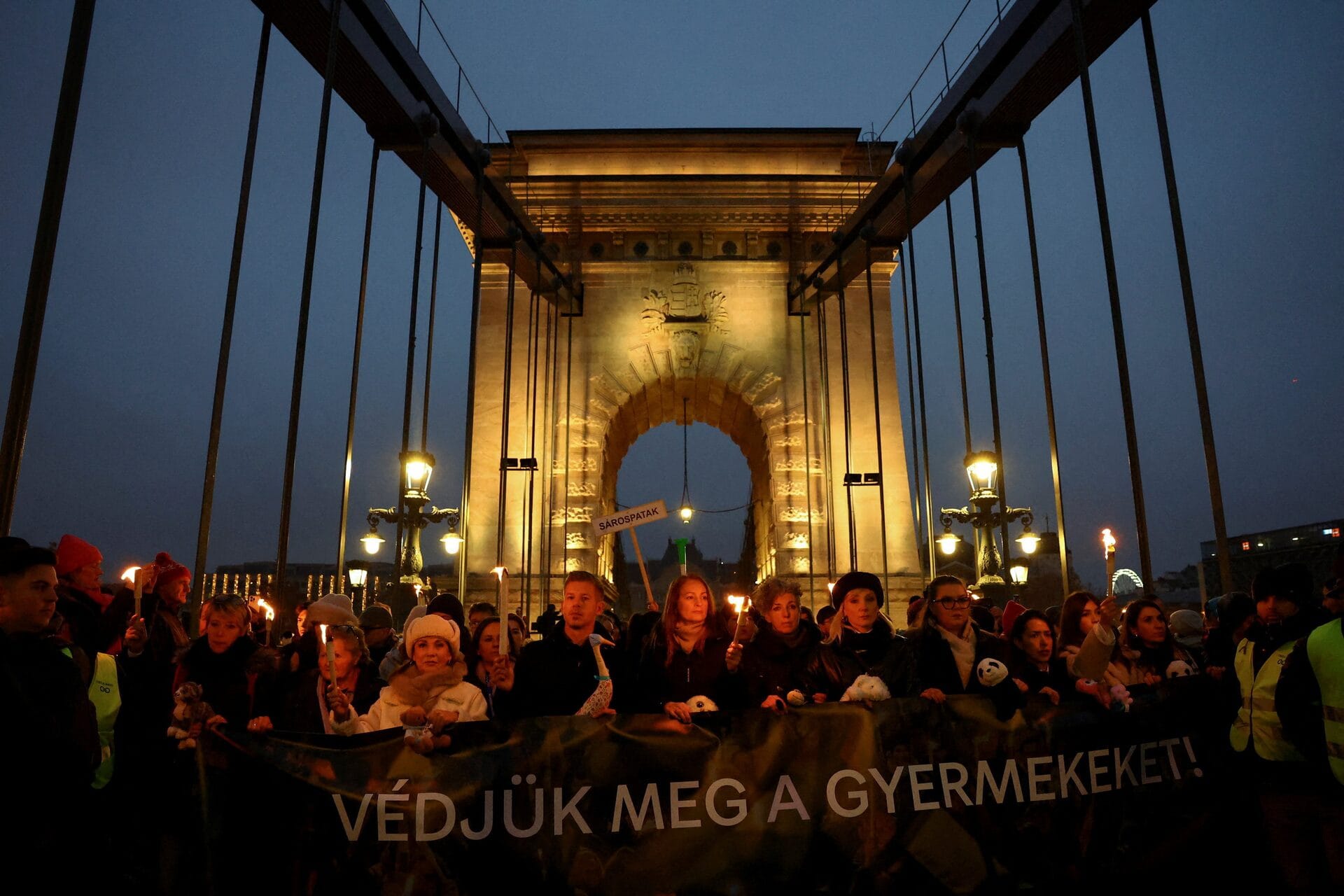
A growing scandal over physical abuse of children at a state-run juvenile institution is prompting calls for Hungary’s Prime Minister Viktor Orbán to resign, DW reports. Tens of thousands of protesters took to the streets of the capital, Budapest, following publication of a video depicting children at a correctional facility being abused by staff.
- Hungary sues European Court over immigration fines. (The Budapest Times)
The protesters, led by Péter Magyar, the opposition leader running against Orbán in next April’s elections, marched to the prime minister’s offices behind a banner reading “Protect the children!” Prosecutors are investigating conditions at the detention center and have detained several of the facility’s staff.
The pressure on Orbán is not unprecedented. In February 2024, then-president Katalin Novak resigned after it was revealed that she had pardoned a man convicted of covering up child abuse at publicly run institutions.
Romania’s government survives sixth no-confidence vote
Romania’s coalition government this week survived its sixth no-confidence vote in six months, Reuters reports. The opposition said its move to oust the government was a reaction to the recent tax hikes and spending cuts, and allegations of systemic abuse in the justice system.
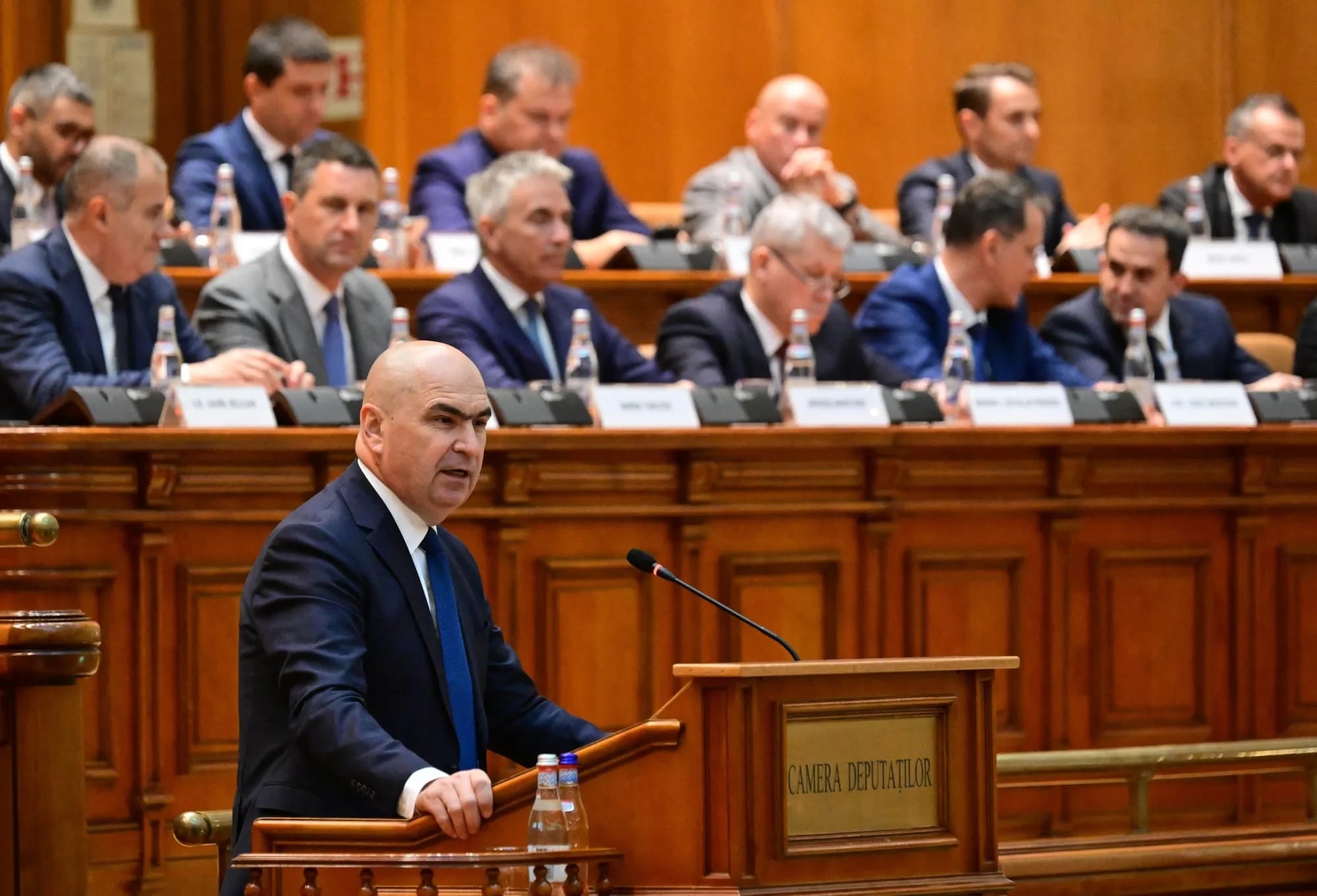
In a documentary released last week by investigative outlet Recorder, judges and prosecutors were depicted denouncing injustice in Romania’s judicial system, prompting widespread protests. An estimated 10,000 protestors filled Bucharest’s streets on Sunday, the fifth day of protests.
Roughly 700 Romanian judges and prosecutors signed an open letter calling for judicial reform.
Jared Kushner’s PE firm pulls out of controversial Serbia project
Affinity Partners, a private-equity firm owned and run by Donald Trump’s son-in-law Jared Kushner, has pulled out of a proposed Trump-branded hotel development project in Belgrade, the WSJ reports. The project aimed to transform a former army headquarters bombed by NATO in 1999 into a luxury hotel.
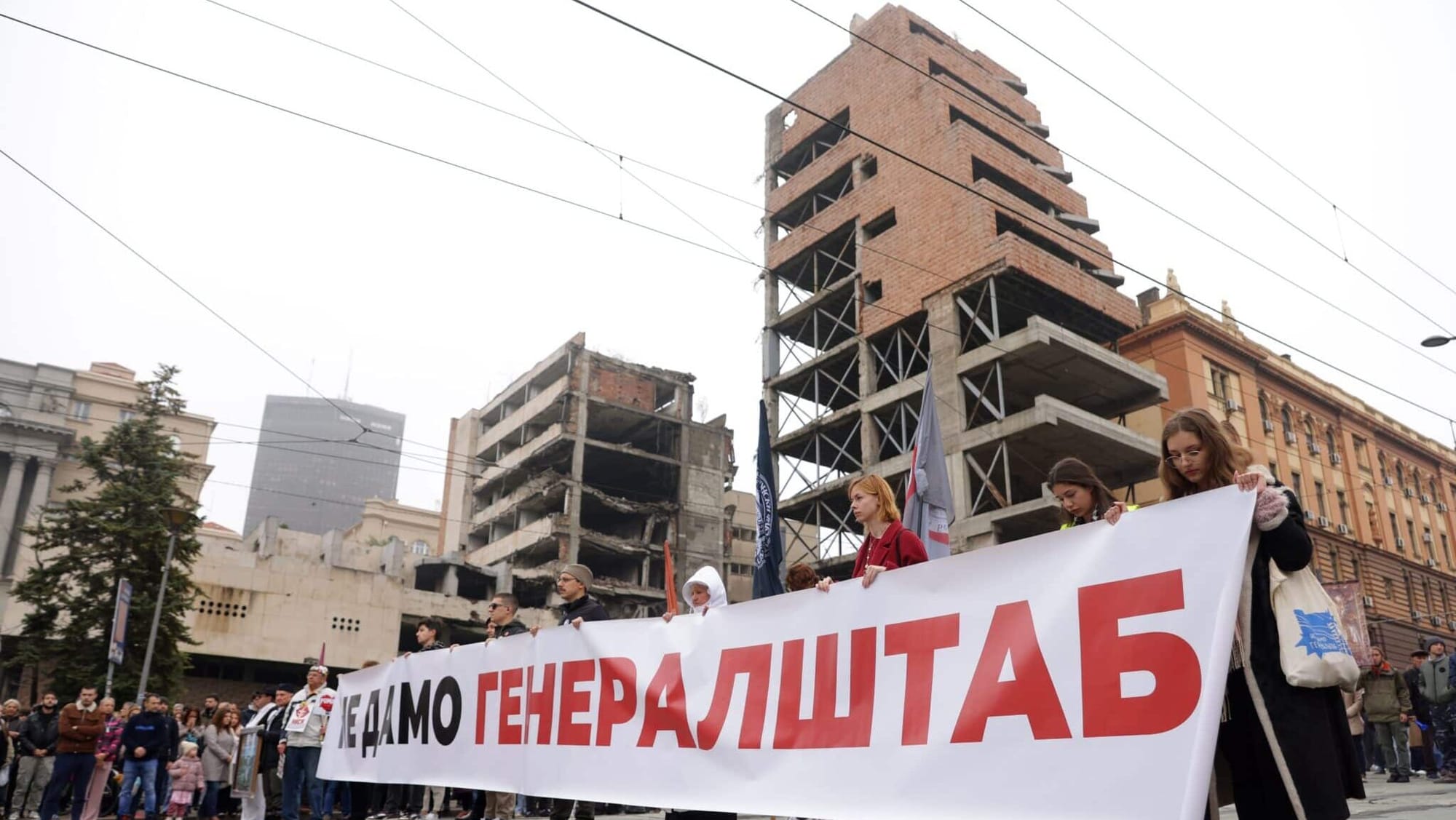
In order to move forward with the redevelopment, Serbian officials would need to remove the cultural heritage status of the site. Plans to do so were met with anti-government and anti-corruption protests.
Four officials associated with the project were indicted on Monday, a move deplored by Serbia’s President Aleksandar Vucic, who lamented that Affinity’s withdrawal had cost the country “at least €750 million” in investment.
Latin America
Chilean right-wing win highlights debt and security concerns
Chile’s electorate handed right-wing presidential candidate José Antonio Kast a landslide victory on a platform of tougher security, migration controls, and pro-business reform, the FT reports. The result marks Chile’s sharpest ideological shift in decades and reflects deep voter frustration with crime, weak growth, and a stalled reform agenda.
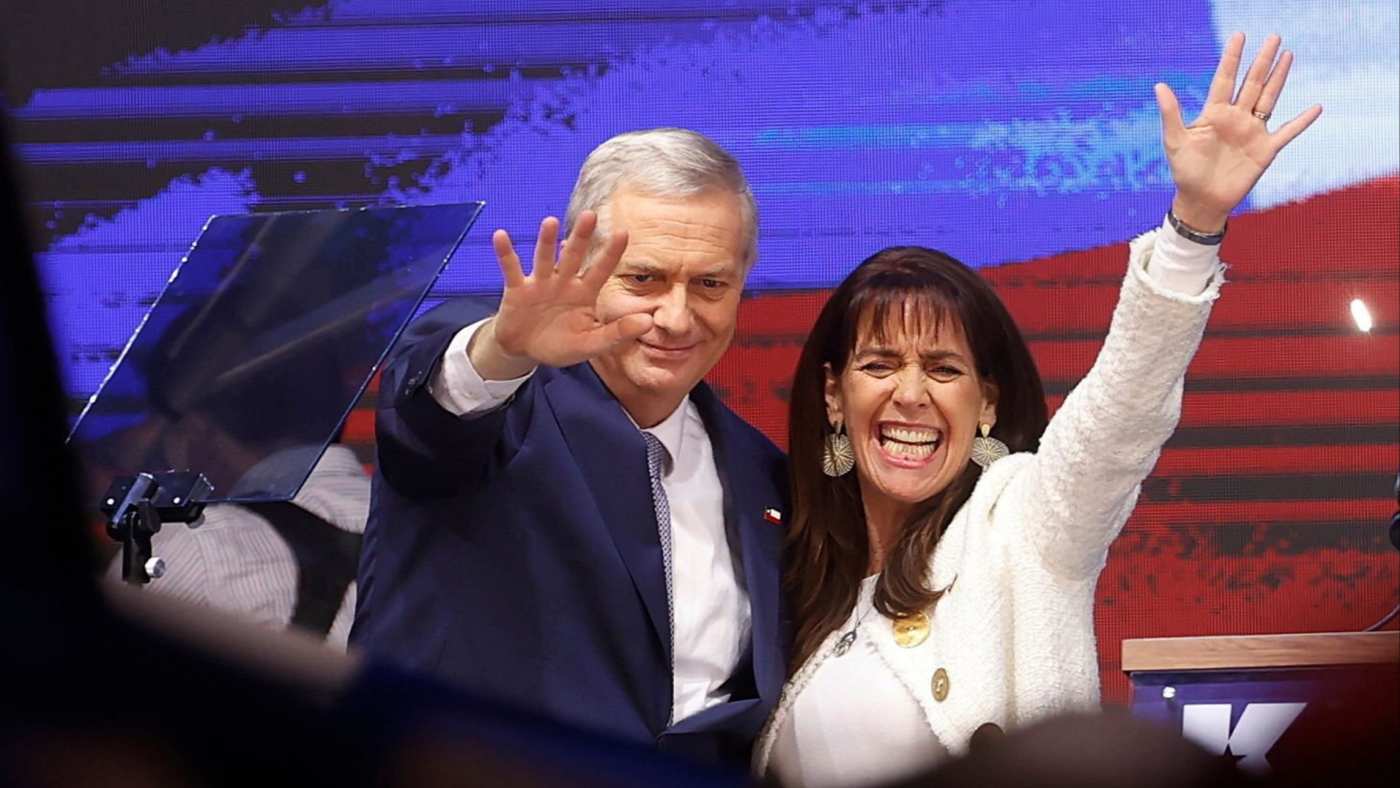
Kast inherits an economy with rising public debt, a weakened fiscal condition and growth stuck near two percent. His agenda of tax cuts, deregulation and a rapid $6 billion spending reduction will be hindered by entrenched pressure to fund pensions, healthcare, and infrastructure. Congress remains fragmented enough to constrain the most aggressive proposals.
Improving security could be his biggest challenge. Delivering visible gains against organized crime and irregular migration will require higher enforcement spending and sustained political capital. If results are slow or policies overreach legally or fiscally, Chile could face a renewed political backlash and tighter financing conditions.
Argentina eases currency controls
Argentina is continuing its slow progression toward financial normalization as the government of President Javier Milei loosens foreign exchange controls and tests investor appetite for sovereign debt, Bloomberg reports. The central bank’s move to widen currency bands and actively rebuild reserves signals a shift from rigid peso defense toward sustainability, easing concerns about overvaluation and reserve scarcity.
Bond markets responded positively, bolstering the government’s plan to re-enter global capital markets in early 2026.
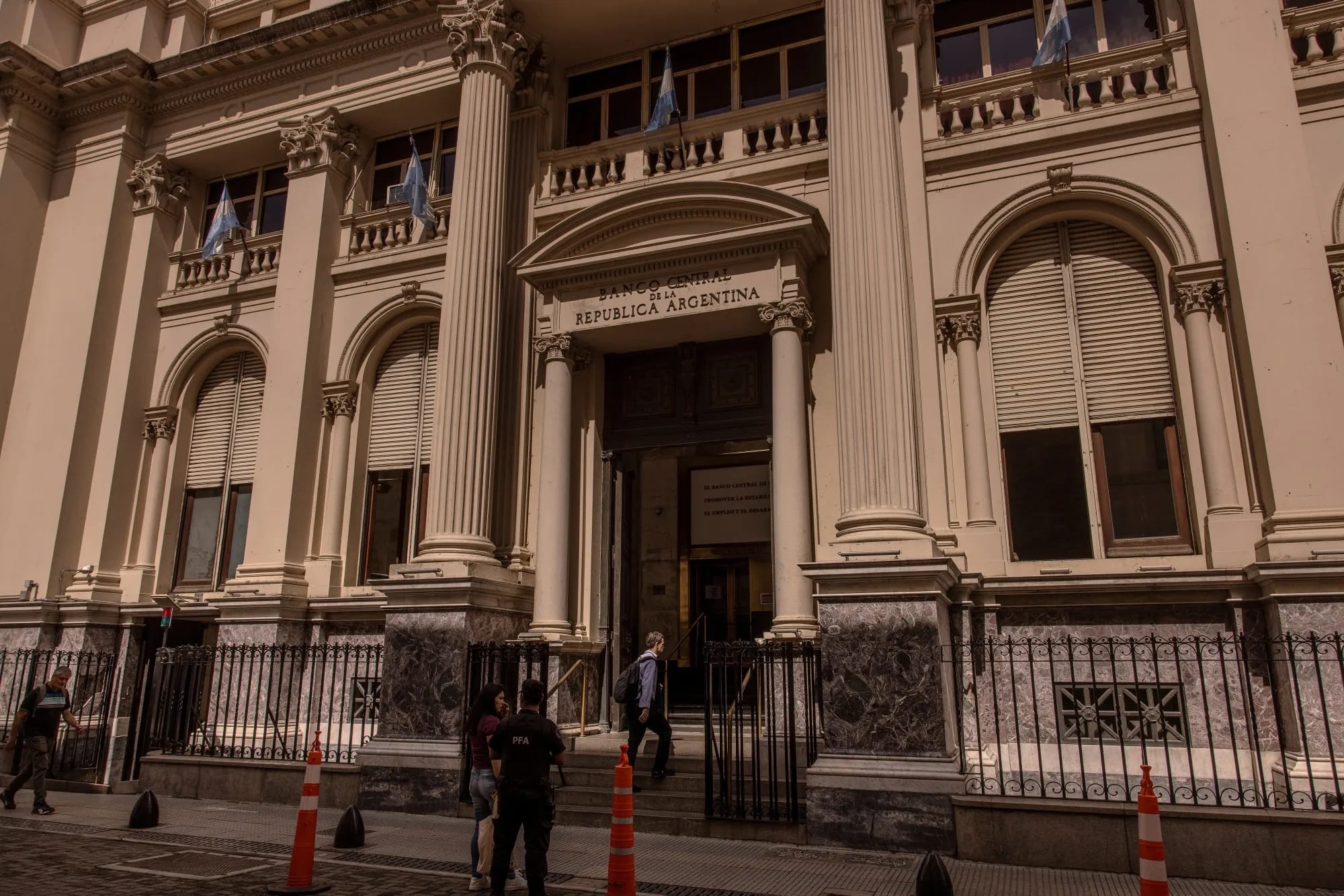
The strategy is still fragile. Reserve accumulation depends on investor confidence holding, inflation continuing to fall, and political momentum surviving reform fatigue. A premature return to markets or a loss of discipline would threaten all three.
What We’re Reading
Senegal’s debt ‘steadies on refinancing drive’ (Bloomberg)
Ghana bans mining in forest reserves to curb environmental damage (Reuters)
Campaigning starts in CAR quadruple election (MSN)
$780mn intervention fails to curb Ethiopia’s currency slide (FiA)
Eritrea withdraws from regional bloc as UN expresses concern over tensions with Ethiopia (AP)
Kenya sells ‘crown jewel’ of state assets to raise cash (FT)
Vitol deal revives Uganda’s $4 billion refinery ambitions (Oilprice.com)
Trump’s DRC-Rwanda peace deal unravels as rebels take new territory (FT)
Supporters of Tunisia’s Saied rally amid deepening political divisions (Reuters)
AfDB faces $12bn funding shortfall despite record donor round (FiA)
Pakistan wins $70mn for sewage project from European Investment Bank (Dawn)
Pakistan faces US pressure to supply troops for Gaza peace effort (Reuters)
Thailand to host general elections in early February (The Diplomat)
Kyrgyzstan Rises as Central Asia’s Budding New Tiger Economy (Bloomberg)
Mongolian firm eyes Nordic bond first (International Financing Review)
Iran raises petrol prices as sanctions force costly imports (FT)
Iran’s currency plummets to new low (AP)
Iraqi premiership up for grabs after Supreme Court ratifies election result (ABC)
Iraq’s dreams of wheat independence dashed by water crisis (Reuters)
Three Americans killed by IS gunman in Syria (BBC)
Gulf bourses fall and Saudi hits 2-year low (Zawya)
Russia sues Euroclear over frozen assets (FT)
Zelenskyy: US considers giving Ukraine security guarantees corresponding to NATO Article 5 (Politico)
Bolivia passes radical measures to cut deficit and curb inflation (Bloomberg)
Venezuelan bonds rise further on expectations of regime change (FT)
Brazil, Guyana and Argentina to help drive crude oil growth in 2026 (EIA)
Latin American bond issuance to ‘hold steady in 2026’ (Latin Finance)
Mercosur-EU deal delayed until January (Politico)
We are committed to providing FMN readers with a free weekly digest of politically unbiased, succinct and clear news and information from frontier and small emerging markets.
Please consider becoming a paid supporter to help cover some of our costs and support our continued development of sharp markets-focused coverage and new informational products. Paid subscribers will also gain exclusive access to our quarterly EM/FM report that aggregates EM insights from 25 major banks, international institutions and consultancies.

Read next


