

🌍 Frontier Markets News, December 12th 2025
A weekly review of key news from global growth markets

Africa
Nigeria steps in to help Benin foil coup attempt
Benin’s government says it foiled a coup attempt this week after soldiers briefly seized control of the state broadcaster and claimed to have deposed President Patrice Talon, Bloomberg reports. Interior minister Alassane Seidou said a small group of troops tried in the early hours of December 7 to “destabilize the state and its institutions” before loyal forces regained the upper hand in clashes around the presidential residence and key military sites in Cotonou, the country’s largest city.
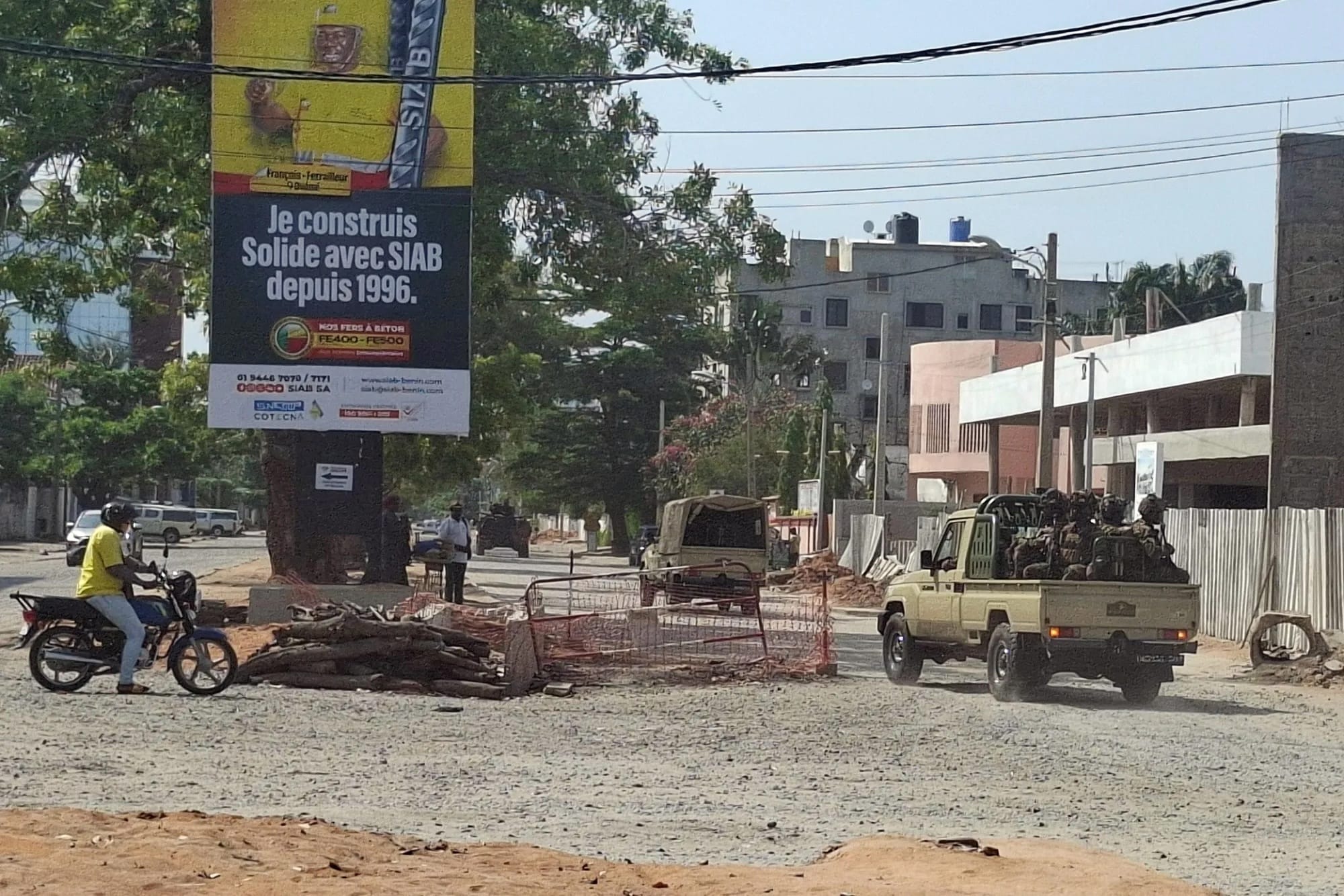
Nigeria dispatched fighter jets and ground troops at Benin’s request, its first foreign intervention since the 2017 Gambian crisis. Regional bloc ECOWAS activated a standby force drawing on contingents from Ghana, Côte d’Ivoire and Sierra Leone to shore up Benin’s government. France said it provided surveillance, intelligence and logistical support to Beninese forces and shared information with Nigeria.
Since its 1991 return to multiparty rule, Benin has been viewed as one of West Africa’s most durable democracies even as Talon, who is expected to step down following upcoming elections in April, is accused of sidelining opponents and hollowing out checks and balances.
Home to West Africa’s largest port, Cotonou acts as a key thoroughfare of maritime trade for Nigeria as well as landlocked countries in the region including Burkina Faso, Mali and Niger.
Côte d’Ivoire’s Ouattara sworn in for a fourth term
Côte d’Ivoire’s President Alassane Ouattara has been sworn in for a fourth term after securing close to 90% of the vote in an October election from which key opposition figures were excluded, Bloomberg reports. The 83-year-old, in power since 2011, has leaned on a 2016 constitution he says reset term limits—a reading that opponents say allowed him to sidestep the spirit of two-term caps and steer the country away from competitive democracy.
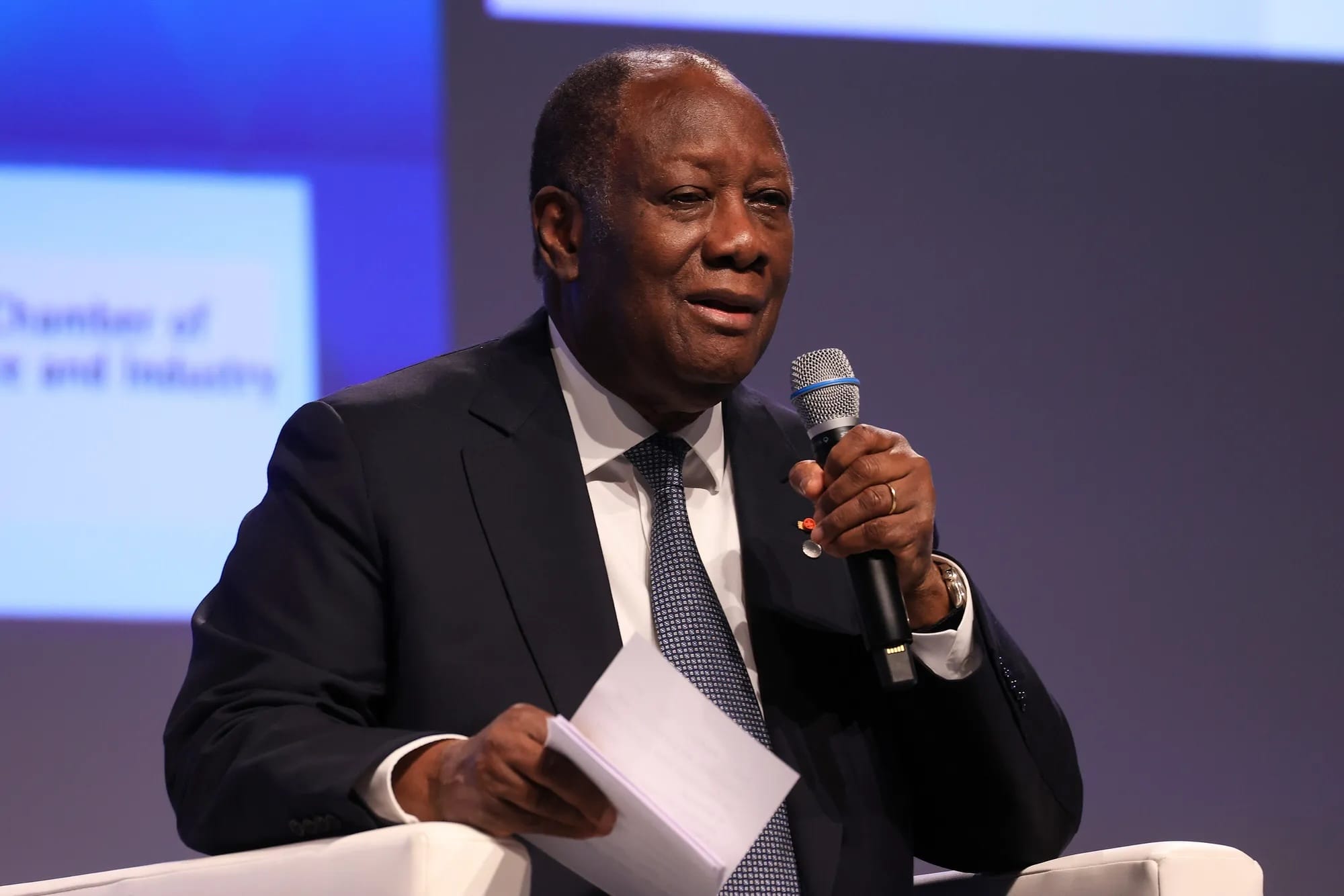
Ouattara’s supporters, however, argue that he has helped turn Côte d’Ivoire, the world’s top cocoa producer, into one of Africa’s fastest-growing economies. Real GDP growth has averaged around 6%–7% annually over the past 10 years, supported by heavy infrastructure spending, a rebound in agriculture, rising gold output and diversification into services and light industry.
- Côte d’Ivoire pushes for US spy planes to tackle al Qaeda-linked jihadists in Sahel (Reuters)
The country is also benefiting from new oil and gas prospects following offshore discoveries in Baleine and Calao, and an ongoing $3.5 billion IMF program. However, Ouattara will likely face declining cocoa output in the medium term due to structural underinvestment, while a temporary glut is driving cocoa prices lower now.
Zambia tech firm rides IPO wave
Zambian tech firm Dot Com Zambia this week completed a successful IPO on the Lusaka Securities Exchange’s SME-focused Alternative Market, with strong retail demand underscoring appetite for local tech names. The fully Zambian-owned ICT company, which builds transportation ticketing, digital payments, tolling and revenue-management systems, targeted K12.3 million ($536,000) but received applications for about K14.1 million, allowing the offer to close a week early.
The deal comes on the heels of two other successful African tech IPOs. Last month, South Africa’s Optasia raised about $345 million at a $1.4 billion valuation on the Johannesburg Stock Exchange, and Morocco’s Cash Plus this week secured $80 million in an issue oversubscribed 64 times.
Asia
Fighting between Cambodia and Thailand reignites
A conflict between Cambodia and Thailand broke out again this week, less than two months after they reached a tenuous peace agreement, AP reports.
Fighting resumed on Sunday, when a Cambodian strike wounded two Thai soldiers along their shared border. Thailand retaliated with air raids. Around two dozen people have reportedly been killed this week.
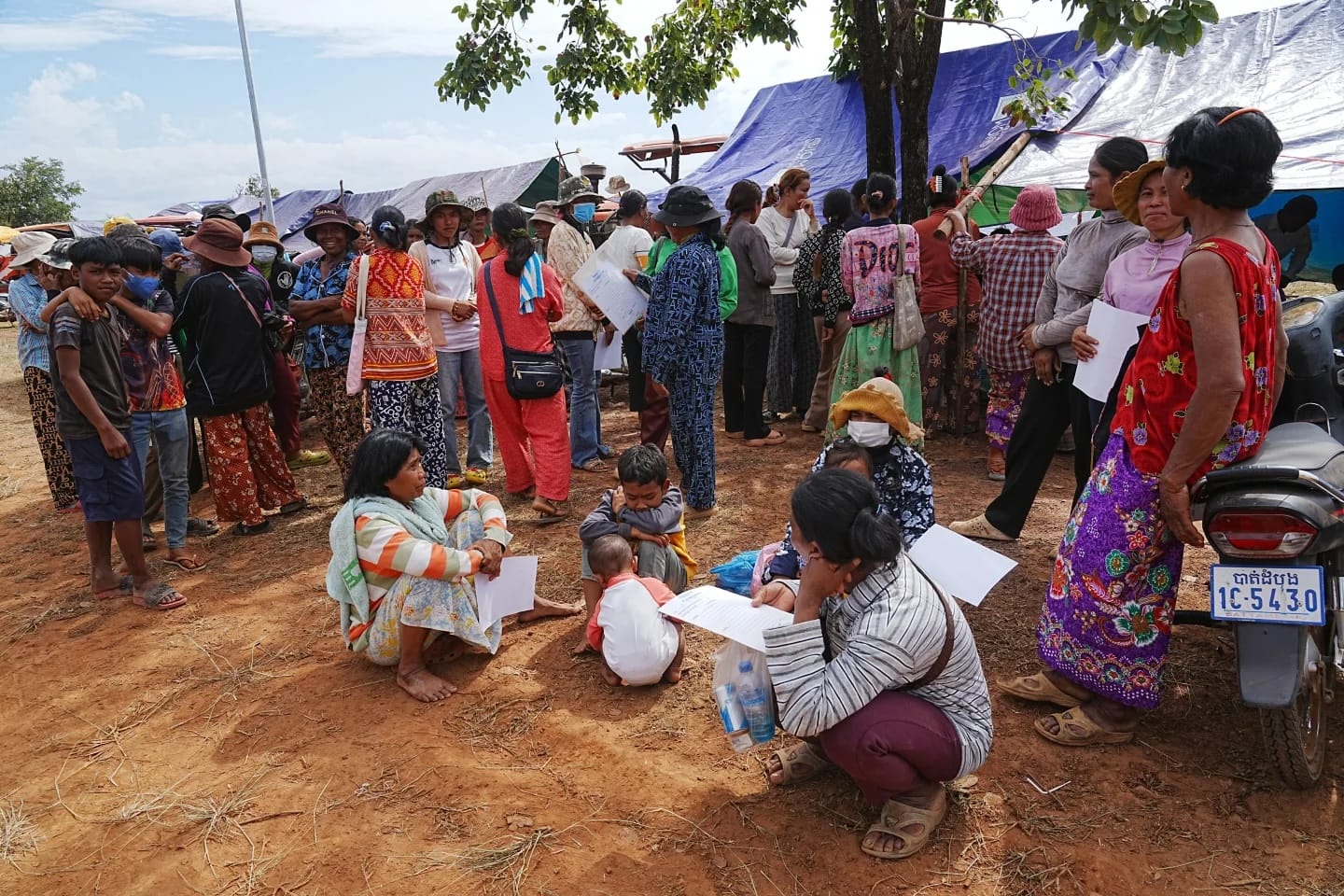
The conflict could threaten the intertwined economies of both countries. The Klong Luek–Poipet border crossing, the main route between the two states, has been closed indefinitely, stalling commerce worth almost $5 billion annually, the Nation Thailand reports.
Thailand has also suffered the loss of 780,000 Cambodian workers, threatening its construction and agriculture sectors. Cambodia meanwhile is at risk of losing some $3 billion in annual remittances—equivalent to 6% of GDP—that those workers typically send home.
Storms expected to cost South and SE Asia $30bn
Weeks of deadly storms are believed to have caused around $30 billion in economic damage to South and Southeast Asia, Nikkei reports.
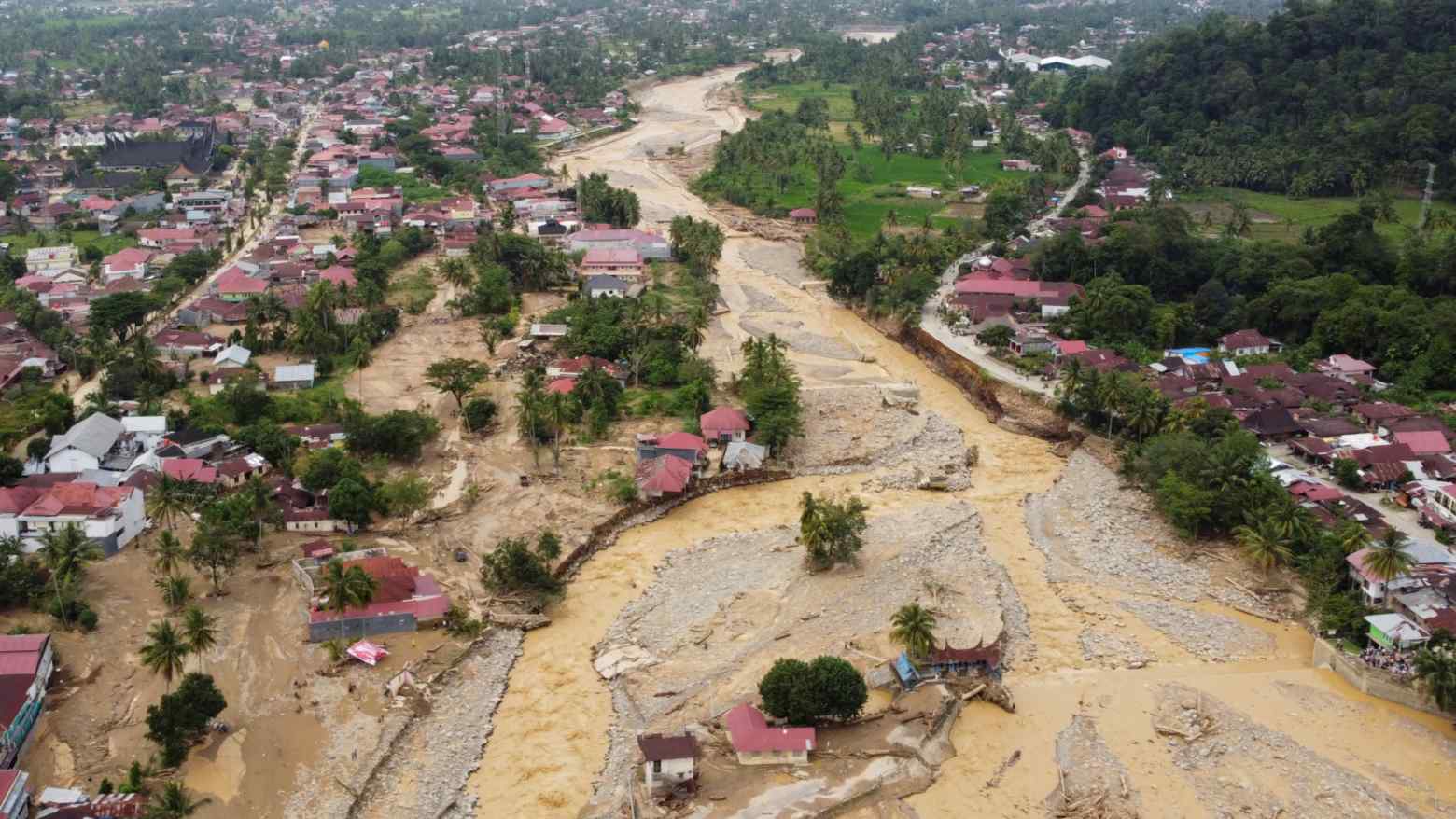
Thailand expects losses of around $16 billion, while Sri Lanka projects its damages to exceed $7 billion, according to government estimates. Indonesia’s national disaster mitigation agency meanwhile says the country could face a recovery bill of $3.1 billion, France24 reports. Vietnam anticipates around $3 billion worth of losses.
The storms come at a difficult time for some of the region’s frontier economies. Sri Lanka had just started to find its footing after defaulting on its debt in 2022. Thailand is in the midst of a reignited border war with Cambodia that has stifled cross-border trade and led to an exodus of Cambodian workers, and all countries in the region are contending with US tariffs.
Middle East
IPOs slump as performance ebbs
Listings of initial public offerings on Middle East exchanges have in recent months fallen to lows not seen since the Covid pandemic, with volumes falling from $13 billion in 2024 to under $6 billion in 2025, Bloomberg reports.
A series of high-profile cancelations and poor follow-on performances have weighed on markets. In October, Saudi Arabia’s sovereign wealth fund, The Public Investment Fund, announced it would slow down the pace of local listings, and UAE e-commerce platform Dubizzle postponed its IPO so it could “assess optimal timing.”
Historically, new listings on Gulf stock exchanges typically jumped in price once they began trading, but that trend has reversed. The average Saudi listing is now yielding negative next-day returns, according to Bloomberg.
Saudi Arabia’s prospects for 2026 raise concerns
After the worst year for returns on Saudi Arabia’s benchmark Tadawil All Shares Index in a decade, some analysts are concerned the trend could worsen next year. Lower-than-expected oil prices have this year weighed on the index, which is heavily dominated by energy players such as Aramco.
Saudi Arabia’s fiscal difficulties are also raising concern. This year, the country’s budget deficit climbed to a higher-than-expected 5.3% and analysts at Goldman Sachs fear it could rise further in 2026, despite assurances from the government that it will fall next year.
- Saudi firms sign deals to build oil fields, boost output in Syria (Zawya)
- Saudi real estate giant Dar Global plans $4.2bn project in Oman (Semafor)
The Saudi economy appears unfazed. According to government figures released this week, GDP grew by almost 5% year-on-year in the third quarter, with more than half of that growth coming from non-oil sectors.
Europe
European leaders rush to devise peace deal for Ukraine
Ukrainian President Volodymyr Zelenskyy visited allies across Europe this week as the region’s leaders raced to create an alternative to a recent US peace proposal, the FT reports. A key aspect of each plan is how €210 billion of sanctioned Russian assets will be managed.
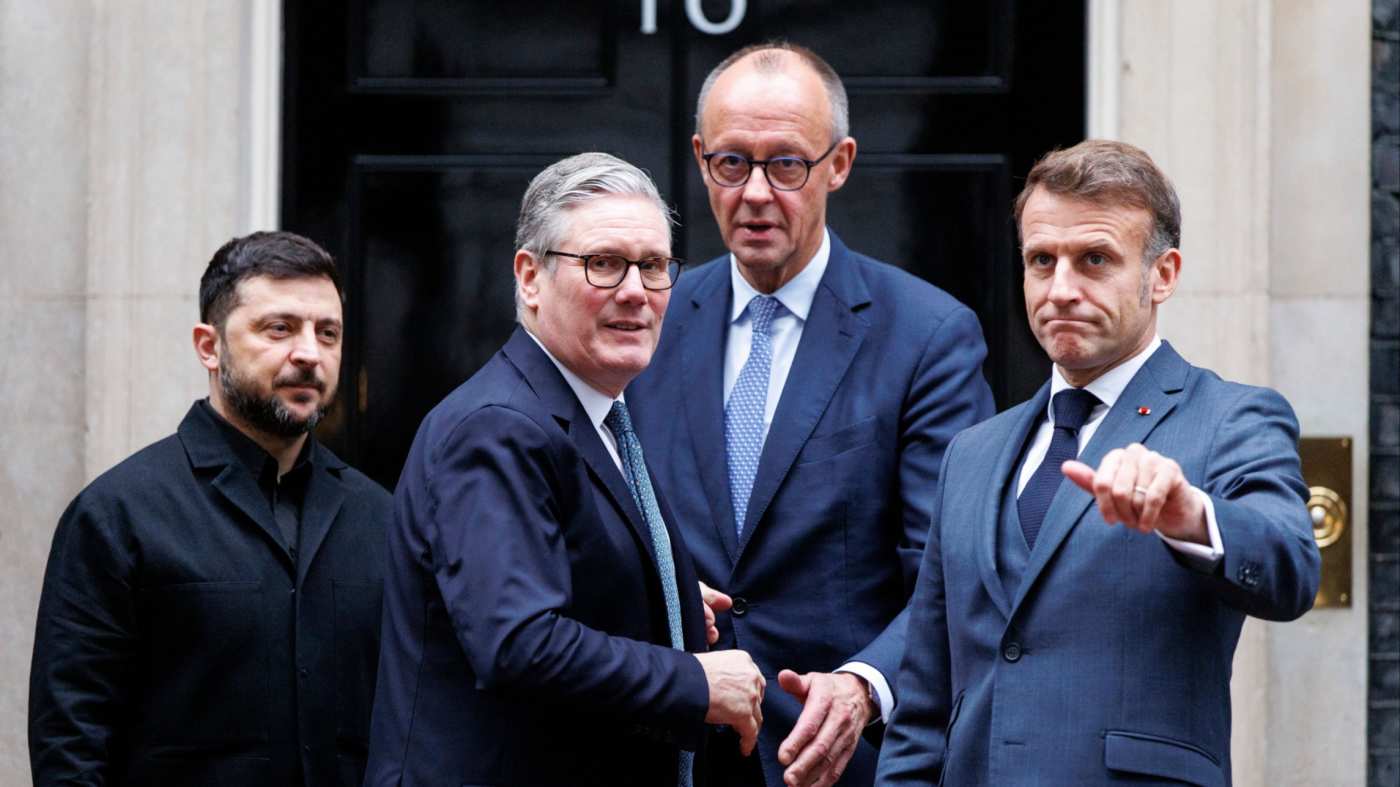
European Commission leaders this week proposed using emergency powers to permanently freeze the Russian funds. The US-backed plan would place Russian assets into US-managed investments for Ukraine’s reconstruction.
- Lithuania declares state of emergency over smuggler balloons from Belarus (FT)
- Zelenskyy says he is open to elections if US ensures security (Reuters)
Meanwhile, a group of creditors has agreed to back a Ukrainian proposal to swap $2.6 billion of GDP warrants for new bonds. The price on the warrants, which had dropped to about 20 cents on the dollar in the immediate aftermath of Russia’s full-scale invasion of Ukraine, rose about one percent to over 100 cents.
Right-wing parties in Croatia team up
A group of Croatian far-right parties this week agreed to run jointly in the country’s next parliamentary elections, Balkan Insight reports. Leaders of the parties, including the Home and National Gathering, DOMiNO, Croatian Sovereigns, the Bloc for Croatia, and the Croatian Party of Rights, HSP, say teaming up will give them a better chance to form a government.
- Liberal beats right-winger in Romanian capital’s mayoral race (Balkan Insight)
Several right-wing parties campaigned together in recent local elections in an attempt to garner more votes. Historically, far-right parties in Croatia have never received more than 15% of the vote.
Latin America
Fear grows of post-election unrest in Honduras
Honduras has entered a second week of political limbo with the current president declaring the recent election ‘null’ as fraud accusations, technical failures and politically charged interventions cloud the presidential vote, the FT reports. National Party candidate Nasry Asfura retains a narrow lead over Liberal Party rival Salvador Nasralla, yet both campaigns allege manipulation as authorities review more than 5,000 tally sheets.

Libre, whose nominee Rixi Moncada trails by a wide margin, has rejected the preliminary results and urged supporters into the streets, reviving memories of the deadly unrest that followed the disputed 2017 election.
- Honduran bonds rise with election in the balance. (LatinFinance)
Tensions rose after US President Donald Trump publicly backed Asfura and suggested US aid could hinge on the outcome, while also granting clemency to former president Juan Orlando Hernández days before the vote. Washington has dismissed calls to annul the election, but repeated outages and long pauses in reporting have eroded trust in the National Electoral Council. On Wednesday, a Honduran Congress panel said it wouldn’t validate the result of the election.
Chile inks $12bn of energy deals with Argentina
Chile’s state oil company ENAP has agreed nearly $12 billion in long-term contracts to import crude oil from Argentina’s Vaca Muerta field, one of the largest commercial deals in its history, Rigzone reports. Under the deal, ENAP will receive as much as 70,000 barrels per day via the rehabilitated Trans-Andean pipeline, which reopened in 2023 after a 17-year shutdown.
The agreement secures lower-sulfur inputs, cuts exposure to weather-disrupted maritime routes, and bolsters Chile’s energy security. For Argentina, it expands an export corridor to the Pacific and supports Vaca Muerta’s role as the country’s main source of foreign-currency earnings.
Jamaica secures the billions in aid needed to rebuild
Jamaica has secured $6.7 billion in financing from five major development institutions, including the IMF and the World Bank, providing resources for reconstruction and long-delayed resilience projects, Latin Finance reports. The scale of support is large relative to the economy and signals broad donor alignment around stabilizing the country’s fiscal position as rebuilding costs rise.
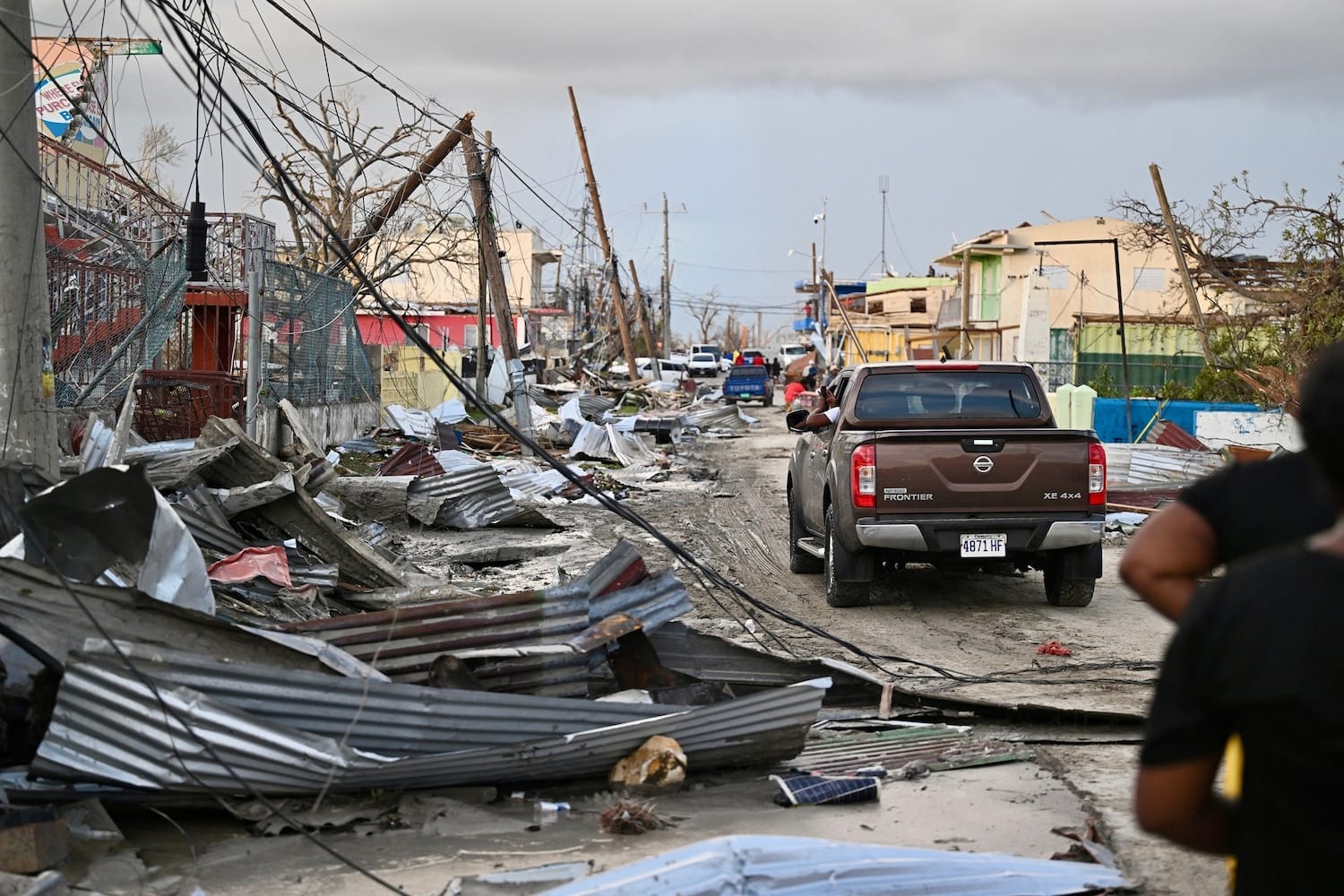
The package is expected to accelerate infrastructure upgrades, disaster-recovery efforts, and climate-resilience investments while helping Jamaica preserve the macroeconomic credibility it has built over the past decade. The challenge now is execution: projects must advance quickly despite tight regional construction markets and rising climate risks.
Global Macro
Private lending surges in emerging markets
Private credit has flooded into emerging markets this year as investors hunt for yield and banks retreat from corporate financing, the FT reports. Investment funds are increasingly acting as direct lenders across Africa, Latin America and parts of Asia, offering loans with yields that can reach 17%—well above US direct-lending rates.
At $18 billion so far this year, private lending has already exceeded the 2022 emerging-market record of $16 billion, according to industry group the Global Private Capital Association. The surge in investor enthusiasm is partly fueled by the fact that emerging-market loan structures remain conservative compared to those in the West, averaging roughly three times debt-to-earnings and backed by strong collateral and foreign-law protections.
Even with record inflows, EM-focused funds still represent only a small share of global private-credit assets. If emerging markets continue offering higher yields, tighter structures and tangible collateral, the investor base could broaden. The real test will come in downturn conditions, where weaker insolvency regimes and slower enforcement could challenge the idea that EM private credit offers better downside protection.
What We’re Reading
Nigeria and Saudi Arabia seal defense pact (Premium Times)
Sudan militia seizes oil hub, disrupting crude exports (FT)
DRC to give US buyers mineral access after peace deal (FT)
Chinese uranium miner to help build Namibia’s second desalination plant (Reuters)
Angola’s wealth fund, Gemcorp to launch Africa infrastructure fund (Reuters)
Indonesia trade deal with US in peril (FT)
US tariffs prompt surge in Chinese exports to Southeast Asia (FT)
Pakistan prepares for banner year of IPOs (Bloomberg)
Asian Development Bank approves $500mn for Philippines (Reuters)
Iran steps up cloud seeding amid water crisis (FT)
Bulgarian PM Rosen Zhelyazkov resigns weeks ahead of entry to euro (FT)
Poland eyes LNG buildout to shape Europe’s post-Russia gas flows (EnergyNow)
Eastern Europe faces ‘weakening public finance prospects’ (U.S. News & World Report)
European Central Bank ’backs simpler, not looser, bank rules’ (Reuters)
South Korea bolsters arms exports drive with K2 tank deal with Peru (Yonhap)
We are committed to providing FMN readers with a free weekly digest of politically unbiased, succinct and clear news and information from frontier and small emerging markets.
Please consider becoming a paid supporter to help cover some of our costs and support our continued development of sharp markets-focused coverage and new informational products. Paid subscribers will also gain exclusive access to our quarterly EM/FM report that aggregates EM insights from 25 major banks, international institutions and consultancies.

Read next


