

🌍 Frontier Markets News, April 3rd 2026
A weekly review of key news from global growth markets

Africa
Nigeria accelerates reforms amid shortages and shortfalls
Nigeria’s authorities are intensifying their push to liberalize the country’s economy and attract foreign capital, Reuters reports. In a significant policy shift this week, the country’s central bank eased foreign exchange rules to allow international oil companies to retain 100% of their export proceeds.
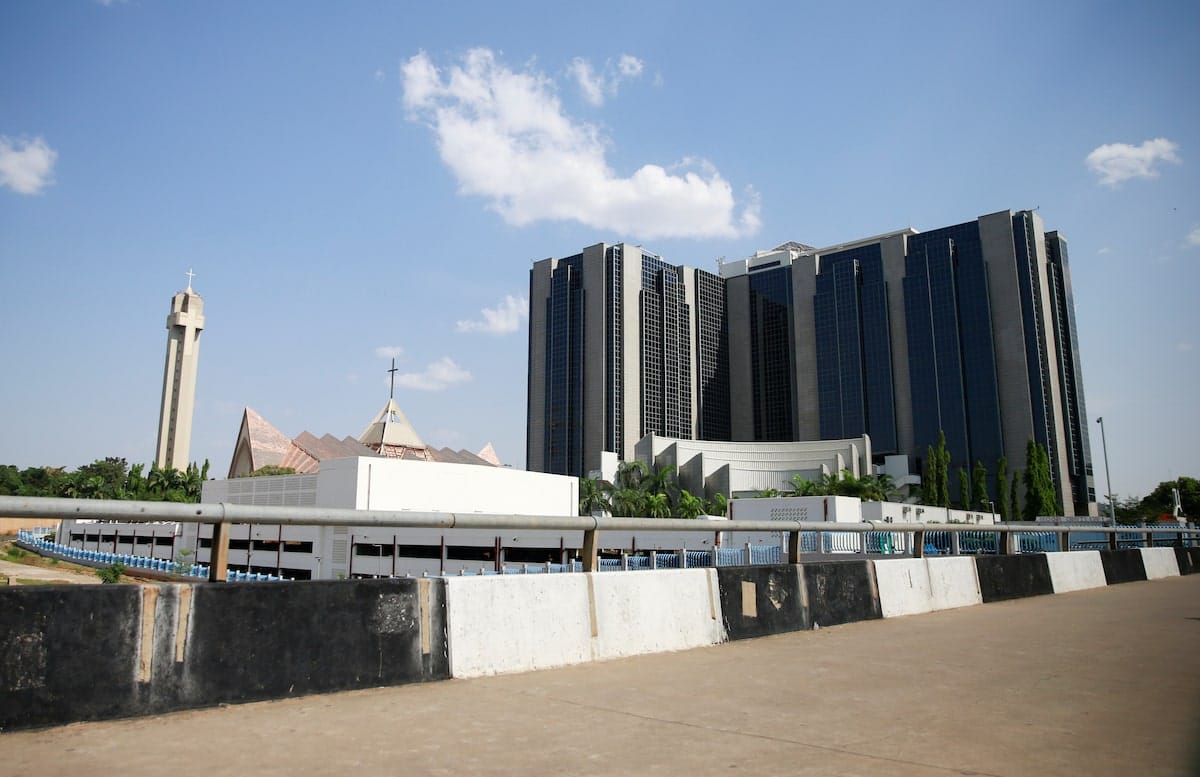
The move was paired with the rapid issuance of new permits designed to revive production at mature oil wells, Bloomberg reports. To manage the rising costs associated with these structural adjustments, Abuja is concurrently negotiating a $5 billion currency swap agreement with a UAE-based bank, signaling a strategic pivot toward Gulf capital to bridge its near-term financing gaps.
Ethiopia secures $13bn in investment pledges
Addis Ababa’s efforts to open its state-dominated economy to private capital gained significant traction at the “Invest in Ethiopia 2026” forum, which ended last weekend. The government secured $13.1 billion in investment commitments across the manufacturing, agriculture, energy and construction sectors, a sharp increase from the $1.6 billion raised at the previous forum, Ecofin Agency reports.
The pledges follow the publication of a $7.3 billion public-private deal book that proposes opening dozens of state projects, including a 51 billion birr ($324 million) housing initiative, to private developers under long-term concession models, The Reporter Ethiopia reports. The capital influx provides crucial validation for the government’s recent macroeconomic reforms, including exchange rate liberalization.
Asia
Mongolia picks new PM
Mongolia’s parliament elected Uchral Nyam-Osor as its new prime minister on Monday, putting the 39-year-old in charge of a government rife with internal divisions.
Urchal is Mongolia’s third prime minister in less than a year. His election is seen as a compromise between warring wings of the ruling Mongolian People’s Party, which are divided between President Ukhnaagiin Khürelsükh and former prime minister Erdene Luvsannamsrai, AP reports.
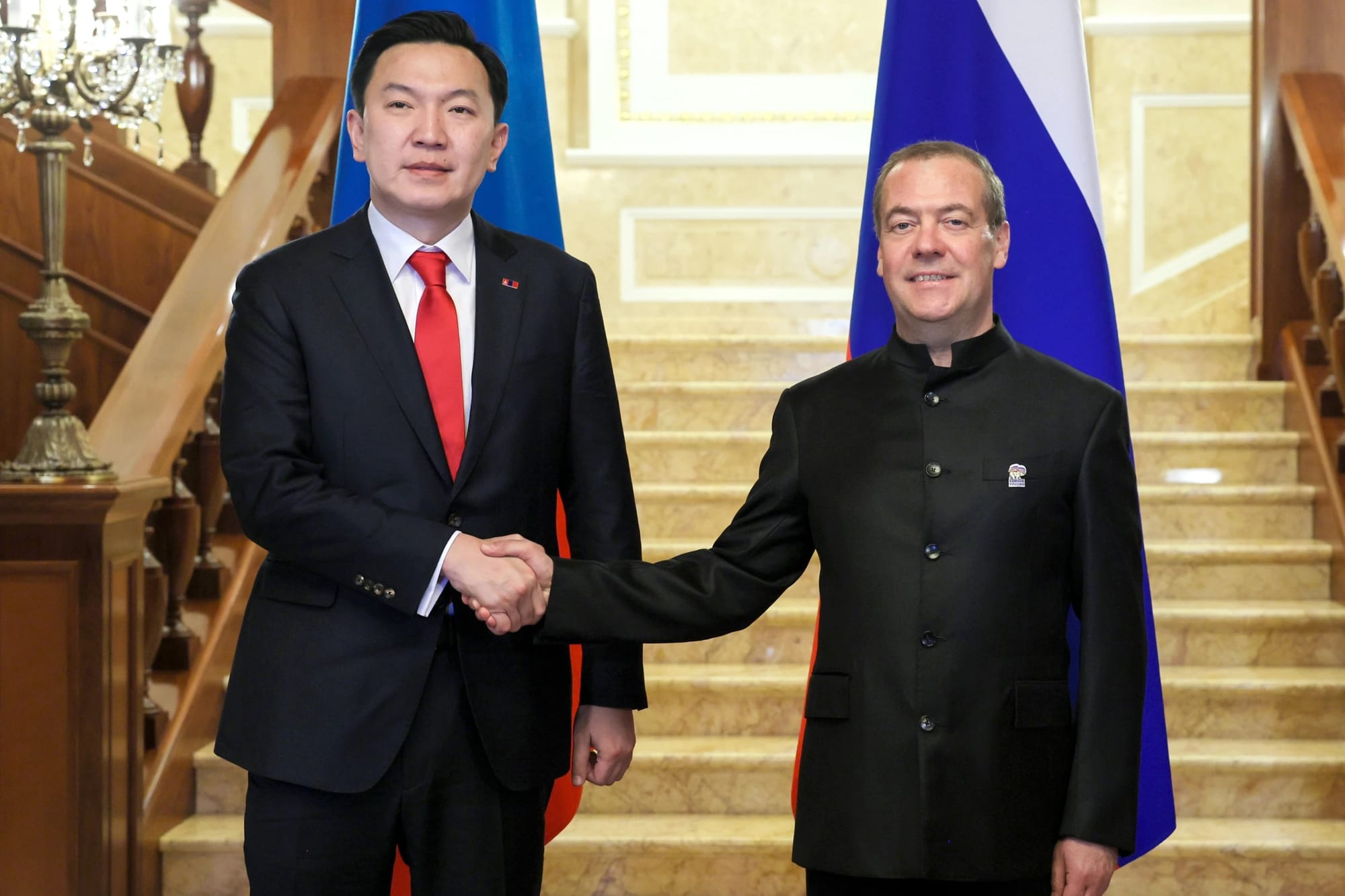
Erdene was also ousted last year amid allegations of corruption. His successor, Zandanshatar Gombojav, resigned last week after just nine months when one of his senior cabinet members was ensnared in a corruption scandal.
Urchal wants to strip permitting authorities from senior officials, a move that could create less room for graft. But his agenda will likely be challenged by the opposition Democratic Party, which is gearing up for a competitive election next year, Reuters reports.
China brokers peace talks between Afghanistan and Pakistan
Afghan and Pakistani officials met in Western China this week in a bid to reduce tensions that have recently boiled over into conflict, Reuters reports. The meeting followed a Tuesday visit by Pakistan’s foreign minister Ishaq Dar to Beijing, where he met with Chinese foreign minister Wang Yi.
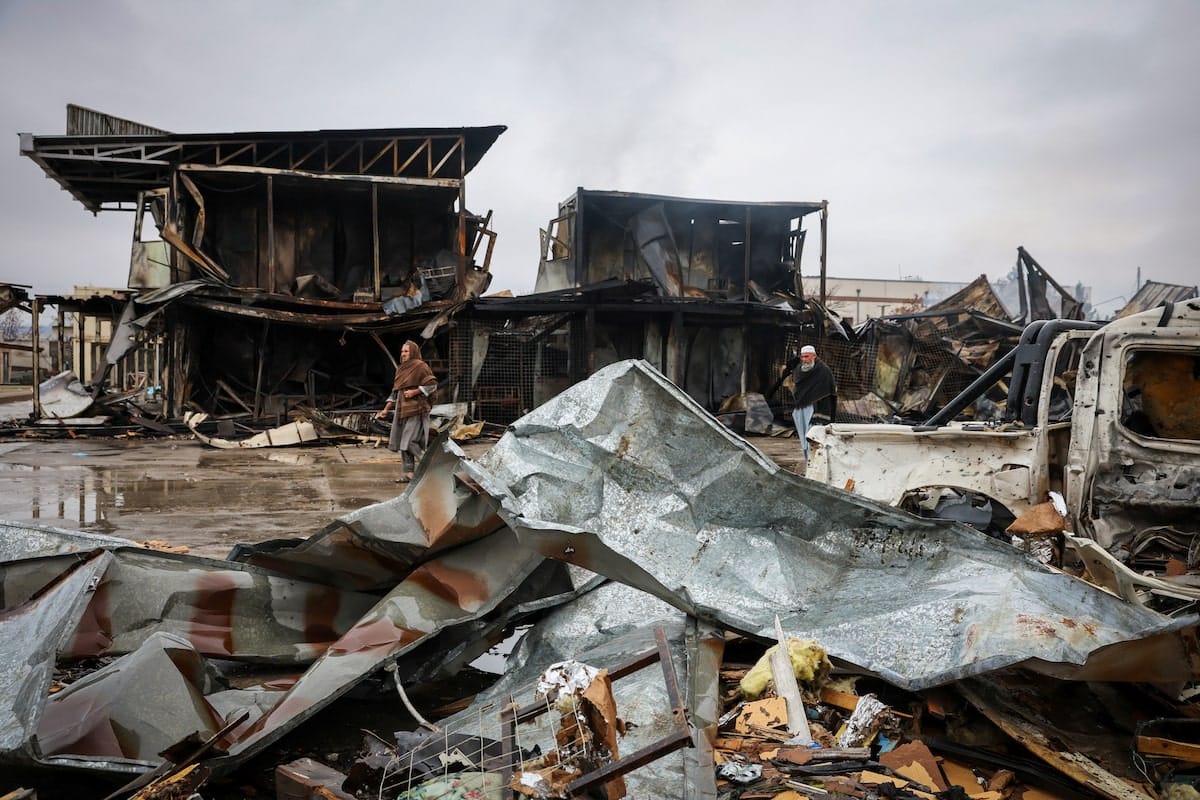
Pakistan declared “open war” on Afghanistan in February. Hundreds of people have since died in the conflict, NPR reports.
It is unclear how much real progress the two sides made this week. On Thursday, Pakistan said it had killed eight “terrorists” alongside its northern border with Afghanistan, Dawn reports.
Indonesia completes stock market reforms in bid to ward off index downgrade
Indonesia has finished making reforms to its stock market that the country hopes will prevent a downgrade by index provider MSCI, a senior financial regulator said on Thursday. Companies are now required to list a minimum of 15% of their shares, twice the previous threshold, Reuters reports. They must also publish more detailed shareholder data.
MSCI warned Indonesia in January that opaque stock ownership and trading could result in a credit rating downgrade.
In the wake of that warning, Indonesia’s stock market plunged, wiping out $120 billion in market value. The index is down nearly 19% since January 1, making it one of the worst-performing in Asia so far this year.
Middle East
Gulf economies face brutal economic blow from Iran war
Investor concern about the long-term damage from the US-Israeli war on Iran deepened this week with the publication of a report by the UN estimating the conflict could wipe as much as $200 billion from the Middle East’s economies, Bloomberg reports. According to the UN, the countries in the Gulf Cooperation Council could suffer between 5-10% of GDP in economic losses—higher than the regional average given their proximity to the conflict.
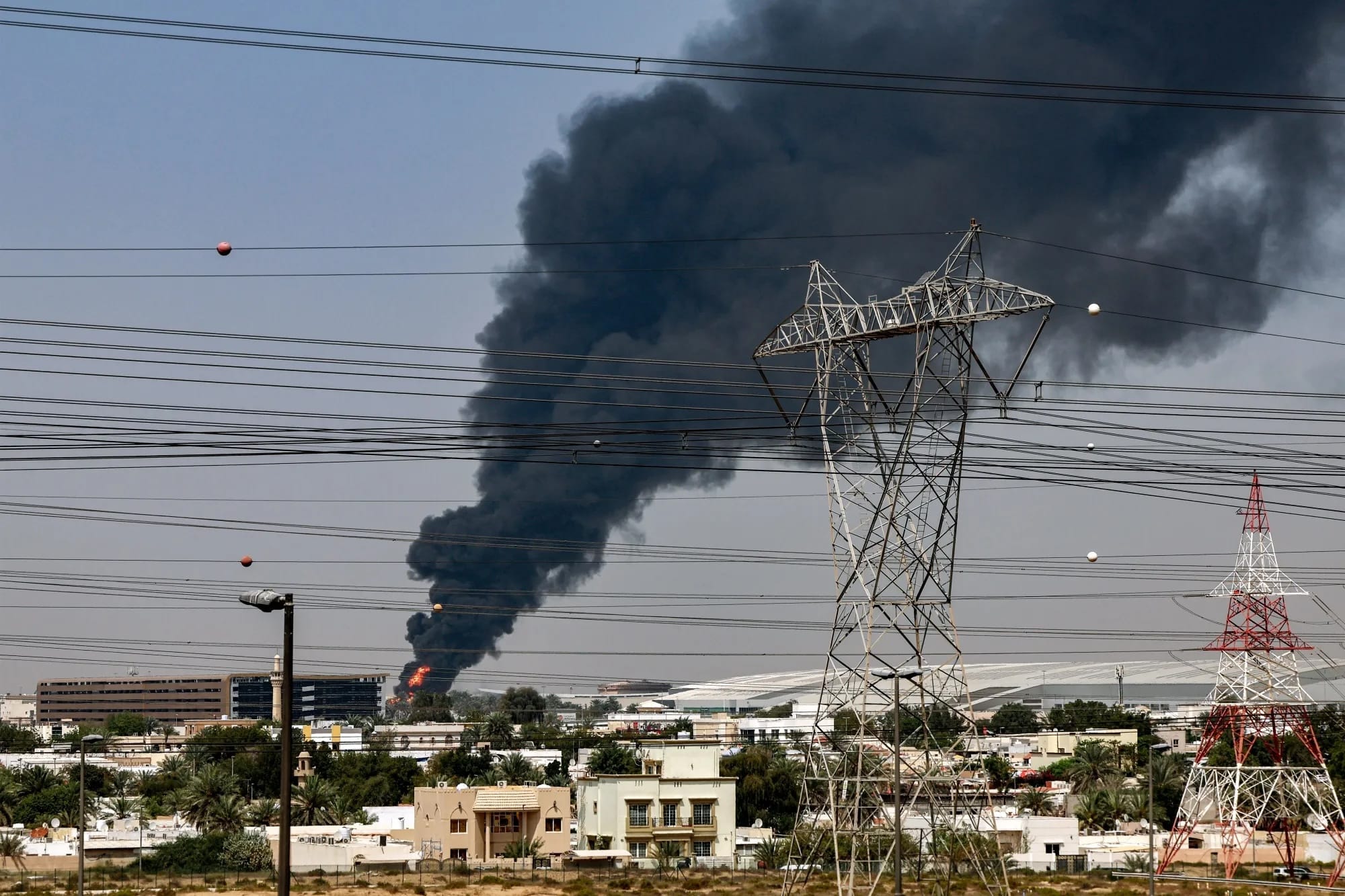
Equity markets are also suffering, with the region-leading Abu Dhabi and Dubai exchanges having lost more than $120 billion in value—roughly 16% and 9% of total market cap respectively—since the start of the war.
Spreads on GCC bond and sukuk yields widened to five-year highs this week, as the closure of the Strait of Hormuz and uncertainty about the scope and duration of the war sap investor confidence in the region, Fitch reports. The yield to maturity (YTM) on the S&P MENA Sukuk and Bond Indices widened by over 60 basis points each, to 5.15% and 5.37%, respectively, and the GCC High Yield Sukuk Index has widened 194 basis points to 7.76% since the start of the war.
Syrian president visits UK and Germany
Syria’s President Ahmed al-Sharaa made an official visit to Europe this week, meeting heads of state in the UK and Germany to discuss refugee repatriation and economic reconstruction—and to stake out Syria’s neutrality in the US-Israeli war with Iran. In a meeting with German Chancellor Friedrich Merz, al-Sharaa secured a pledge of support for reconstruction efforts, and a commitment from the Chancellor to help return “most” Syrian refugees in the next three years.
Al-Sharaa also met King Charles and Prime Minister Keir Starmer in the UK, who said the countries will cooperate on returning illegal migrants, border security and tackling human smuggling.
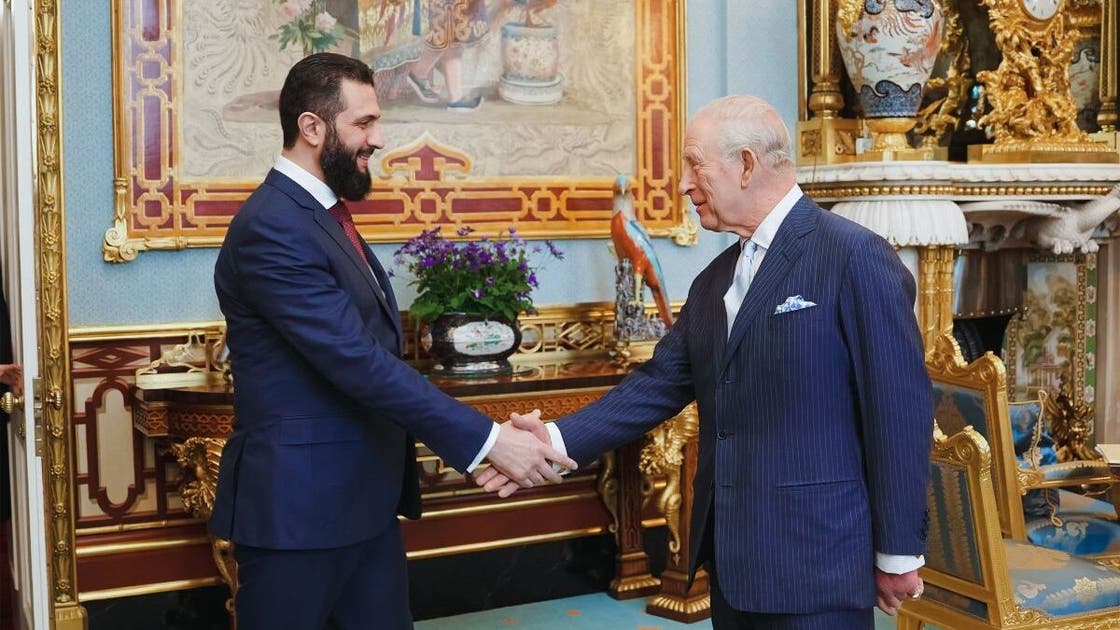
During an interview in London Al-Sharaa asserted that Syria hoped to remain neutral on the issue of Iran. Syria rebuffed a US effort to encourage it to enter the war against Iran’s proxy Hezbollah in Lebanon. Neutrality, however, has not insulated Syria from the consequences of the war, including economic disruption, the influx of 200,000 refugees from Lebanon, and the potential loss of financial support from the GCC.
Europe
Turkey benefits from energy buffer
Turkey is confident its energy storage facilities and diverse energy sources will prevent disruption of the country’s energy supplies despite conflict in the Middle East, AL-Monitor reports. Turkey’s natural gas storage facilities are 71% full, which should last until the fall as gas consumption declines in summer before picking up again in winter.
After a two-week halt in March, oil flows from Iraq’s semi-autonomous Kurdistan region to Turkey have also resumed, delivering 250,000 barrels per day. That flow could increase if repairs are completed—and legal disputes between Ankara, Baghdad and Erbil are solved.
- Turkey says NATO defenses downed fourth missile from Iran (Reuters)
While Turkey could avoid energy shortages in the short term, the government’s disinflation policy, which lowered interest rates from 50% in 2024 to 37% in January this year, was paused in March due to external concerns. Still, support for President Recep Tayyip Erdogan, who has ruled the country for the past 24 years, has grown since the Iran war started, AL-Monitor reports.
Romania alleges Russia is behind a torrent of cyberattacks
Romania’s defense minister Radu Miruta this week said the country’s government was facing as many as 10,000 cyberattacks a day, The Record reports. Russian-speaking ransomware groups have claimed responsibility for some of the attacks, which have targeted national water and energy providers, although Romanian officials have previously said the hackers’ motivation is not just profit.
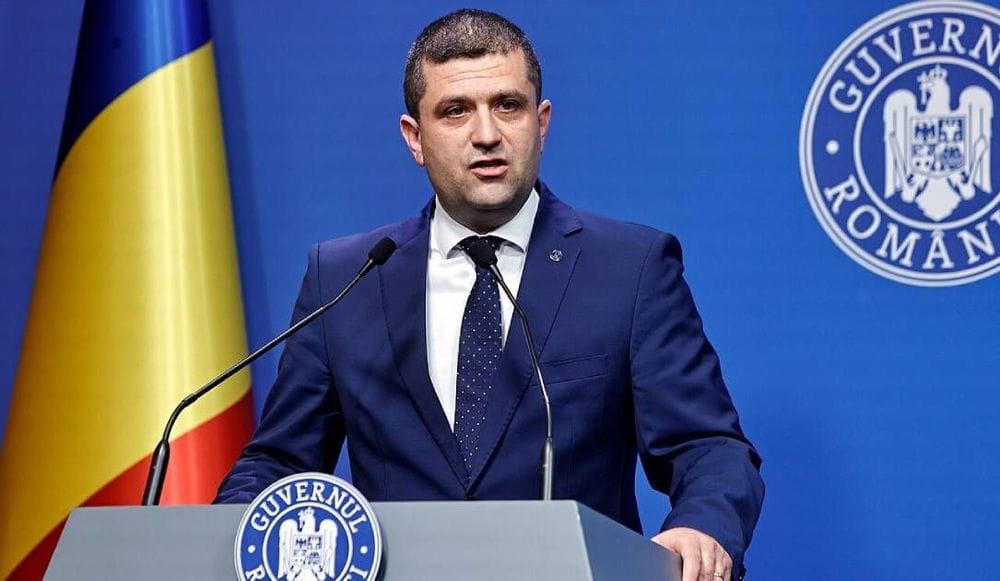
Romanian officials say the timing of the attacks often aligns with political decisions—especially those in support of Ukraine.
- Latvia lodges official protest with Russia over alleged disinformation campaign (Latvia government)
Romania is a frequent target of Russia’s hybrid warfare strategy as a member of NATO and a supporter of Ukraine, and due to its strategic location on the Black Sea. In 2024, Romania’s top court annulled the presidential election due to evidence of foreign interference.
Latin America
Colombia’s government quits central bank board over rate hikes
Colombia’s government formally withdrew from the central bank board this week after the body voted 4-2-1 to raise the benchmark rate to 11.25%. Finance minister German Avila slammed the increase as “disproportionate” and walked out mid-meeting, Reuters reports. The split vote and subsequent resignation mark the most public rupture between the administration of President Gustavo Petro and the country’s monetary institutions.
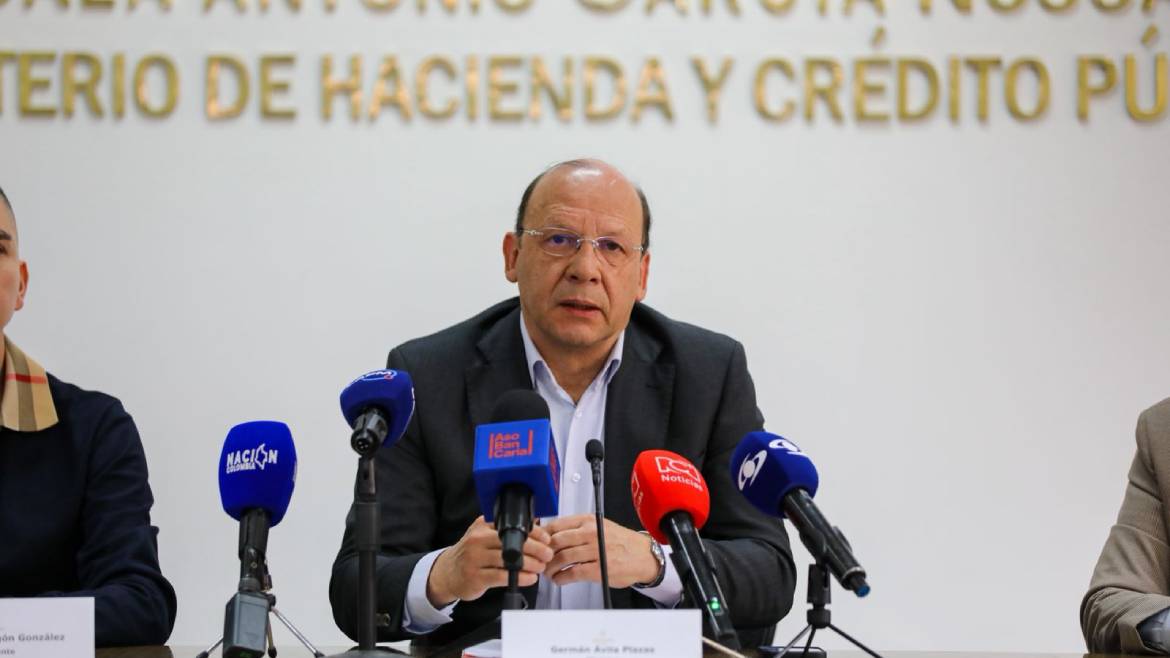
Analysts see the rift clouding future rate decisions—and thereby potentially threatening the bank’s operational independence—although the board’s willingness to raise rates suggests it is willing to resist political pressure.
Foreign funds appear to agree. US investment giant PIMCO has led overseas investors in buying a net $2.7 billion in Colombian debt in the first two months of 2026, Bloomberg reports, betting that the central bank’s autonomy will hold.
Argentina’s bonds becomes a surprise safe haven
Fiscal shock therapy being applied by the government of Argentina’s President Javier Milei is yielding unexpected dividends for frontier investors seeking shelter from regional volatility, Bloomberg reports. While neighboring markets grapple with inflation spikes and a sell-off in EM assets, Argentina’s sovereign bonds have rallied to their highest levels since a 2020 restructuring.
Part of the reason is that the central bank’s aggressive accumulation of foreign reserves, coupled with a rare fiscal surplus, has shifted the narrative from default risk to structural recovery.
- Milei’s approval rating hits new low as Argentina’s unemployment rises (Buenos Aires Times)
The momentum is now spilling into the real economy. State energy firm YPF projects $50 billion in energy exports by 2031 via the Vaca Muerta shale formation—as reported on FMN last week. The projection coincides with Milei’s cabinet’s sending a bill to Congress this week that would loosen foreign land ownership rules, signaling a broader push to deregulate the resource sector.
Inflation tests Latin American governments
The global oil shock is rapidly translating into domestic political pressure across Latin America’s major economies. In Peru, consumer prices posted their largest monthly rise in over 30 years, breaking above the central bank’s target band for the first time since 2024, Bloomberg reports. News of the inflation spike arrived just days before a highly contentious presidential election.
The pressure is equally acute in Chile, where the newly installed Kast administration was forced to implement the country’s largest fuel price hike on record this week. The Chilean central bank held rates steady, but minutes revealed active discussions of a hike as inflation expectations jumped to a three-year high, Bloomberg reports.
With GDP contracting in February, the new conservative government is facing slowing growth and rising inflation, a combination that often erodes room to operate politically.
What We’re Reading
Malawi revamps development fund to boost economic growth (Malawi 24)
Mozambique clears IMF debt early (Africa News)
Thailand announces $1bn Microsoft investment (Bangkok Post)
Cambodia extradites another organized crime boss to China (NYT)
Iran war chokes SE Asian economies (The Diplomat)
Fuel shortages trigger violence and instability in parts of Asia (WaPo)
Yemen’s Houthis enter Iran conflict, raising fears over the Bab al-Mandab strait (France24)
Israel to destroy ‘all houses’ near Lebanon border, defense minister says (Reuters)
Israel says it will keep control over part of southern Lebanon after war with Hezbollah ends (BBC)
Russia’s pipeline gas exports to Europe jump 22% year-on-year (Reuters)
US lifts sanctions on Venezuela’s acting president (Reuters)
Bolivia halts gasoline contracts amid fuel smuggling investigation (Reuters)
Paraguay’s economy minister fired despite robust growth (The Paraguay Post)
Paraguay becomes final South American country to approve Mercosur-EU trade deal (AP)
We are committed to providing FMN readers with a free weekly digest of politically unbiased, succinct and clear news and information from frontier and small emerging markets.
Please consider becoming a paid supporter to help cover some of our costs and support our continued development of sharp markets-focused coverage and new informational products. Paid subscribers will also gain exclusive access to our quarterly EM/FM report that aggregates EM insights from dozens of major banks, international institutions and consultancies.

Read next


