

🌍 Frontier Markets News, April 10th 2026
A weekly review of key news from global growth markets

Africa
African economies face continued stress from Middle East war
While uncertainty persists over the proposed ceasefire between the US, Israel and Iran, fallout from the conflict continues to impact African markets.
Senegalese Prime Minister Ousmane Sonko banned all but essential foreign trips for government ministers and warned of “extremely challenging” times ahead, as the country grapples with a fiscal crisis and a budget built for $62/barrel oil. In Zambia, the government formally declared the supply situation a national emergency, with residents in Lusaka reporting spending hours searching for fuel and businesses reporting sharp drops in activity.
- Nigeria’s dollar reserves dwindle as central bank defends naira (Blooomberg)
Zimbabwe raised the ethanol content in its petrol to stretch available supplies, and in Malawi, the Energy Regulatory Authority raised petrol prices to almost $15 per gallon, while jet fuel rose as much as 81%. South Sudan, which generates 96% of its electricity from oil, began rationing power, as did Mauritius.
Nigeria moved fast to turn disruption into opportunity, doubling crude oil supply to the Dangote Refinery in March, which enabled it to increase shipments of fuel and fertilizer products to other African nations. And South Africa’s rand currency, which had shed more than 5% against the dollar since the onset of the war, surged 2.9% on Wednesday, its largest single-day advance since December 2017. The country’s main stock index climbed as much as 6.4%, as investors piled into a “de-escalation trade”.
Zimbabwe’s ruling party accused of ‘slow-motion coup’
Zimbabwe’s ruling Zanu-PF party is pushing amendments to the 2013 constitution that would eliminate direct presidential elections—shifting that power to parliament—and extend both parliamentary and presidential terms from five to seven years, the BBC reports. The changes would keep President Emmerson Mnangagwa in office until 2030, two years beyond his current term limit.
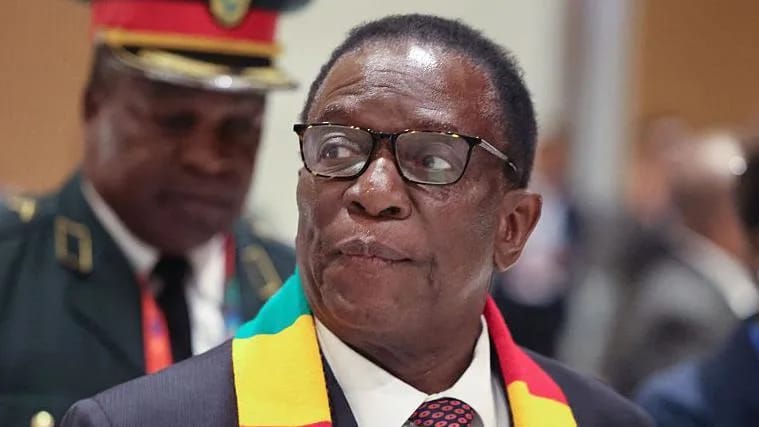
Opposition figures have called the move a slow-motion coup, while Zanu-PF defends the overhaul as a cost-saving measure that reduces electoral violence. Parliament is expected to pass the bill within weeks.
Egypt finds favor as alternative oil transport route
Oil exporters’ efforts to bypass the Strait of Hormuz have provided Egypt with an unexpected revenue boost. Oil flows through Egypt’s SUMED pipeline have surged roughly 150% since the start of the Iran war, Ecofin reports. The pipeline, which runs between Ain Sokhna on the Red Sea and Sidi Kerir on the Mediterranean, has a capacity of around 2.5 million barrels per day.
- Russia, facing Western sanctions, pitches Egypt as a grain and energy hub (Ecofin)
However, Egypt’s broader economy has been battered by the war. Annual urban inflation accelerated to 15.2% in March from 13.4% in February, driven by surging energy prices and a weakening pound, which has shed 15% of its value since the war’s outset. Prime Minister Moustafa Madbouly has said Egypt’s monthly energy import bill more than doubled between January and March, reaching $2.5 billion.
Some pressure has since eased as Israeli gas flows to Egypt returned to pre-war levels in early April, restoring a supply line that had been severed when the conflict began. But the relief is partial. Tourism, which had recovered strongly in 2025 accounting for 8.5% of GDP, is now also at risk.
Asia
Pakistan charm offensive helped seal role as Iran-US peacemaker
Pakistan, which this week brokered a two-week cease-fire between the US, Israel and Iran, may have been cast in the role as a result of its leaders’ efforts to develop ties with US President Donald Trump.
Pakistan’s military chief Asim Munir, who is credited with spearheading the peace effort, has cozied up to Trump for the past year as the country sought a warmer relationship with the US. In October, Pakistan pitched US officials on investing $1.2 billion in a port on the Arabian Sea.
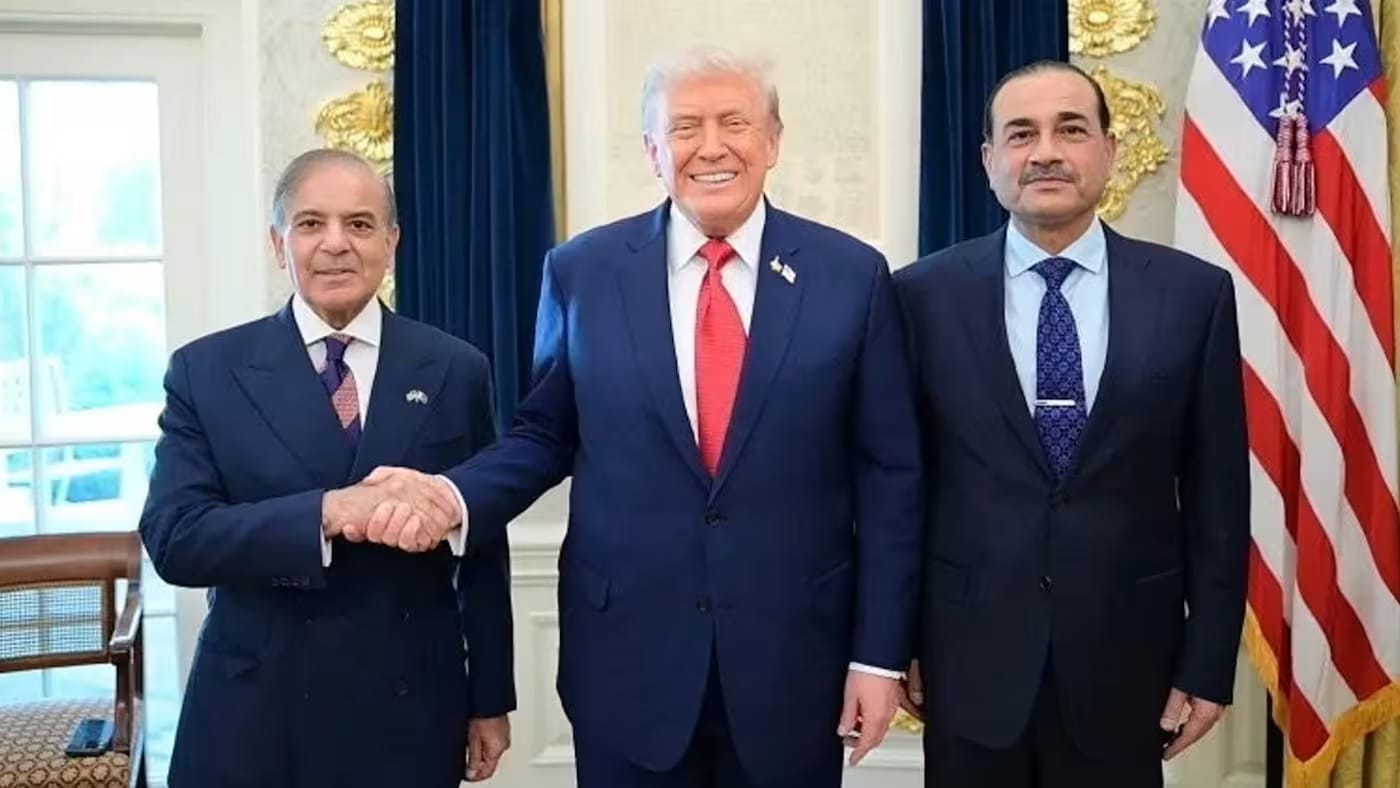
According to the FT, the White House had been pressuring Pakistan for weeks to convince Iran to agree to a cease-fire, with Munir passing back-channel messages between US and Iranian officials.
Pakistan is conducting the high-stakes diplomacy as it fights its own war with Afghanistan. More than 100,000 people have been displaced since the conflict broke out in February, the New York Times reports. But things may be cooling: China, which hosted the two sides for talks last week, announced on Wednesday that the two warring countries would seek a solution to the conflict, Reuters reports.
FTSE Russell sets date for Vietnam’s upgrade to emerging market
Index provider FTSE Russell reaffirmed on Tuesday that it would upgrade Vietnam to emerging market status in September, Reuters reports, after the country passed an interim review.
The firm initially announced it would upgrade Vietnam from frontier market status in October. Vietnam has been seeking the upgrade since 2018.
- Vietnam pauses ban on gas motorcycles (Nikkei)
Vietnam is now seeking a similar upgrade from MSCI, a rival index firm, according to Reuters. While the FTSE upgrade alone could bring up to $6 billion into Vietnam, there is no guarantee that Vietnam’s stock market will gain after it takes effect, especially as investors who bet on the upgrade look to cash out their bets.
Bangladesh currency hits record low
The Bangladeshi taka fell to an all-time low against the dollar this week, leading the country’s central bank to reassure investors that it has adequate foreign-exchange reserves, Bloomberg reports.
- World Bank cuts Bangladesh growth forecast to 3.9% (Financial Express)
Bangladeshi authorities are seeking to present stability since the country elected the establishment Bangladesh Nationalist Party (BNP) as its new government in a February landslide. In response to concerns about its currency, the central bank said that its reserves stood at more than $34 billion and that its foreign currency liquidity had nearly doubled since the end of February.
Middle East
Dubai’s real estate and tourism sectors showing signs of stress
The UAE this week announced a “support package” for the tourism and hospitality sector to cover losses stemming from the US/Israel-Iran war, the National reports. Government fees and tourism taxes will be suspended for three months, and a crackdown on alleged price gouging will be launched to avoid “inflationary moves” by importers.
- The cost of ‘war insurance’ in the Gulf has risen 1,900% (Semafor)
Since the start of the war, hotel occupancy rates in Dubai are down to 16% from the 90% seasonal average, with staff being put on “flexible working arrangements” as hotels scale back operations. Real estate is also heavily affected, with monthly sales volumes down 30% in March, AGBI reports.
Bahrain cracks down on social unrest
Bahrain’s government this week escalated a crackdown on what it calls “collaborators” of Iran’s Revolutionary Guard Corps (IRGC), arresting “several individuals” suspected of photographing sites of drone and missile attacks, according to local media reports. The UK-based Bahrain Institute for Rights and Democracy believes more than 200 people have been arrested in Bahrain since the US launched its war against Iran, as the Sunni, US-allied government fears growing unrest from the largely Shia, pro-Iran population.
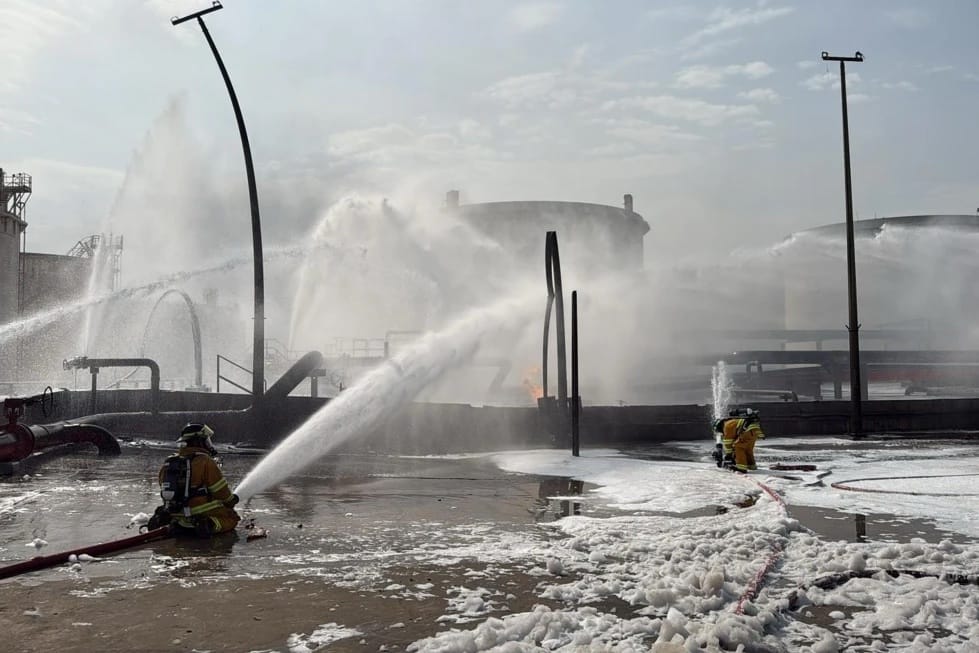
Human rights groups have reported allegations of torture and other abuses, most notably the case of Mohamed al-Mousawi, a Shia man who died in custody after he was arrested on suspicion of spying for Iran. Associated Press reviewed photographs and interviewed eye witnesses and concluded he had been tortured.
Al-Mousawi’s death has become a divisive issue that threatens to disrupt Bahrain’s fragile status quo, with officials fearing a reprise of the 2011 Arab Spring, when other GCC members staged an intervention to suppress protests against the ruling royal family.
Europe
Hungary opposition lead grows
Hungarians head to the polls on Sunday to vote in a hotly contested election between incumbent Prime Minister Viktor Orbán and opposition leader Peter Magyar. Magyar’s campaign, which has centered on issues of government corruption, slow economic growth and weak public services, has opened a clear lead in the polls, garnering support from 50% of decided voters, while Orbán’s party is backed by 37%, Reuters reports.
- US VP Vance slams EU for ‘interference’ at rally supporting Orbán (Balkan Insight)
In recent weeks, right-wing political leaders from Europe and the US and officials from the Kremlin have voiced support for Orbán and accused the EU of interfering in Hungary’s elections. Despite these statements, support for Magyar’s Tisza party has steadily gown.
While Magyar may win the national election, undoing the changes Orbán’s 16-year administration has wrought will be a longer struggle, writes Martin Wolf for the FT.
World Bank forecasts stable growth for the Western Balkans
Western Balkan economies are expected to benefit from stronger exports and public investment, with the World Bank estimating average growth for the region of 3.1% in 2026 and 2027.
The Western Balkan countries—Albania, Bosnia and Herzegovina, Kosovo, Montenegro, North Macedonia and Serbia) also had the lowest inflation rates of the regions assessed in the World Bank study, which included emerging and developing countries in Central Asia, Central Europe, Eastern Europe, Russia, the South Caucasus and Turkey.
Despite projected higher energy costs and weakened consumption, EU-funded infrastructure development and strong services exports are expected to buoy the economies. However, the multilateral warned the region’s future prospects could be undermined by rising fuel costs, which could challenge real wage growth in the region.
Latin America
Petro escalates fight against Colombia’s central bank
Colombia’s President Gustavo Petro has moved to override last week’s rate increase by the central bank, announcing he will submit an economic emergency decree, Reuters reports. He also said he would propose a package of tax reforms to ensure any additional economic burden triggered by the rate rises was borne by the wealthy, not the poorest Colombians.
Petro warned he would enact both measures by presidential decree if lawmakers refuse to pass them, a direct response to the bank’s decision last week to raise the benchmark rate to 11.25%, despite the government’s explicit objections.
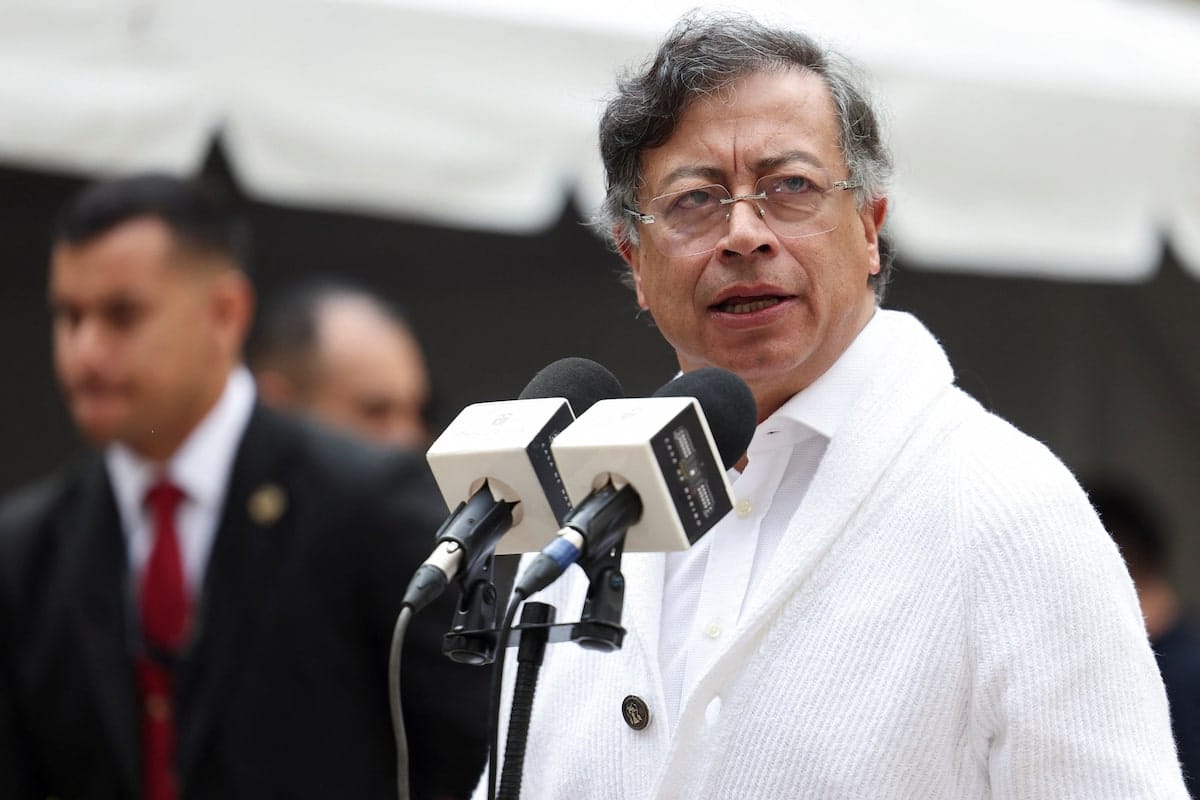
Petro called the rate hike “outrageous,” and deployed a package of subsidies and cheap loans to counter the tightening, Bloomberg reports.
Analysts consider it highly unlikely that the current Congress will approve his economic proposals before its term ends in June, leaving the administration with limited runway to plug a 546.9 trillion peso budget hole. The constitutional court already suspended Petro’s declaration of an “economic emergency,” setting the stage for a legal battle if he attempts to bypass lawmakers again.
Argentina’s YPF freezes fuel prices in break from Milei’s free-market approach
Argentina’s state-controlled energy company YPF will not raise fuel prices for the next 45 days, Bloomberg reports. The decision marks a significant departure from President Javier Milei’s aggressive free-market deregulation strategy, which had previously allowed pump prices to rise sharply.
The price freeze comes as the government attempts to contain inflation amid broader regional economic upheaval triggered by the Middle East oil shock. While Argentina’s sovereign bonds have rallied recently on the back of a rare fiscal surplus, Milei’s approval rating has slumped as unemployment rises and the real economy contracts.
Venezuela’s oil exports top 1 million barrels per day
Venezuela’s monthly oil exports surpassed 1 million barrels per day in March for the first time since September, Reuters reports. The surge was driven by increased shipments to refiners in India and heightened activity ahead of the potential re-imposition of US sanctions.
The export milestone coincides with the US Treasury Department’s lifting of sanctions on Venezuela’s acting president Delcy Rodriguez this week. That move allows US individuals and companies to conduct business with Rodriguez, less than three months after US forces seized the country’s former president Nicolás Maduro.
What We’re Reading
Cameroon’s Biya appoints son vice president and head of armed forces (NilePosts)
Kenya private sector activity shrinks for first time since August 2025 (Reuters)
Tanzania’s Maruhubi Port nears full operations after test run (The Citizen)
Zimbabwe to allow lithium exports to resume (Reuters)
DRC to receive ‘third-country’ deportees from the US under new deal (Al Jazeera)
Ethiopia reaches resolution with China on debt treatment (Reuters)
Algeria’s electoral reform could tighten president’s grip on power (RFI)
Italian energy giant ENI announces gas discovery off Egypt coast (AfricaNews)
Mali’s new fuel stockpile: 45 days of buffer against a longer crisis (EcoFin)
Uganda gets $540mn funding for cities, municipalities (The Independent)
Russian crypto payment system expands into Africa (FT)
Myanmar installs junta chief as new president (The Irrawaddy)
Vietnam communist party chief becomes president, plans visit to China (Bloomberg)
Bahrain and UAE central banks ink currency swap agreement (Zawya)
World Bank slashes 2026 Middle East growth forecast after energy sector turmoil (Zawya)
Israel announces negotiations with Lebanon after US pressure (Axios)
Trump Jr visits Bosnian Serbs, spotlighting Republika Srpska’s US outreach (Balkan Insight)
Serbia poised to produce drones with Israeli arms giant involved in Gaza (Balkan Insight)
Ukraine imports record fuel volumes as prime minister presses for lower prices (Reuters)
Ukraine’s drones dent Russia’s war-fueled oil windfall (FT)
Belarus raises pressure on dissidents (RFERL)
Chile’s peso leads LatAm FX losses (Reuters)
Opinion: Chile’s Kast is pursuing Washington’s goodwill and China’s money (R. Evan Ellis)
Peru’s presidential front-runners shift with election days away (Bloomberg)
We are committed to providing FMN readers with a free weekly digest of politically unbiased, succinct and clear news and information from frontier and small emerging markets.
Please consider becoming a paid supporter to help cover some of our costs and support our continued development of sharp markets-focused coverage and new informational products. Paid subscribers will also gain exclusive access to our quarterly EM/FM report that aggregates EM insights from dozens of major banks, international institutions and consultancies.

Read next


